
Recipe archive
Loading
Setting the table...
Fetching the latest recipes from the archive.
Loading
Fetching the latest recipes from the archive.
Recipe archive
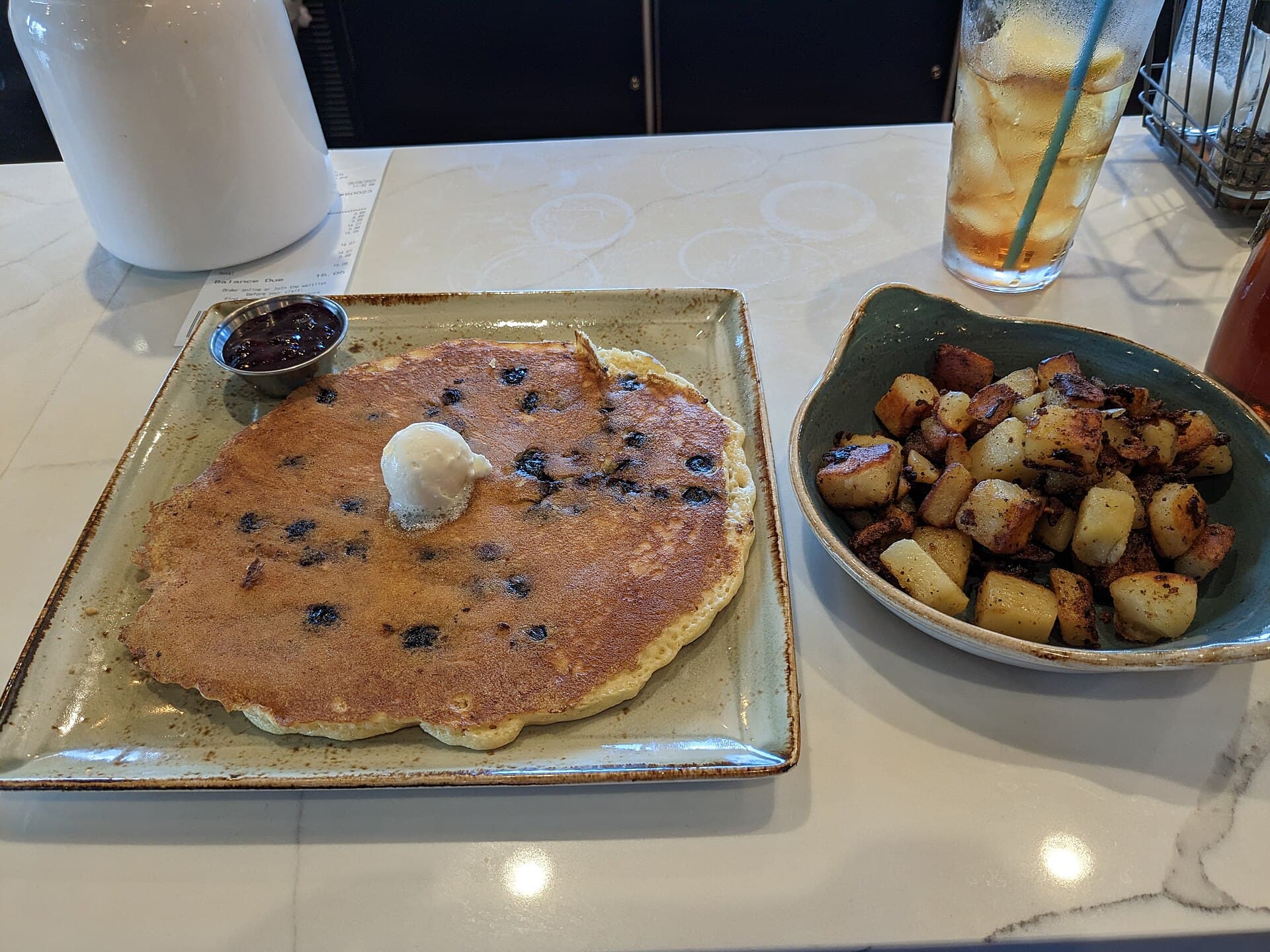
1900-1929 - Diner cooks and lunch counters in early 20th-century American immigrant cities.
Home fries are diced or sliced potatoes pan-fried with onions and seasoning, commonly served at American diners with breakfast. Emerging in early 20th-century immigrant cities, they offer a warm and crispy potato side dish.
Community-powered photos. Reviewers can upload dish photos, and the highest-rated community image may be featured here.
Difficulty
Easy
Prep time
10 minutes
Cook time
20 minutes
Total time
30 minutes
Servings
4
Region
Northeastern diner and hotel breakfast kitchens
Era introduced
1900-1929
Introduced by
Diner cooks and lunch counters in early 20th-century American immigrant cities.
Recipe tools
Log in to save this recipe to a collection.
Home fries became a staple from early 1900s urban diners and lunch counters serving working populations in immigrant cities. They evolved as a popular breakfast side using inexpensive potatoes, fried with onions and spices to create a satisfying and versatile dish. Their presence at breakfasts and state fairs reflects the dish's broad appeal across socioeconomic groups and regions in America.
Share family changes, regional twists, or pantry-friendly adaptations as full community recipes.
Log in to submit a community recipe.
No community recipes yet. Submitted recipes are published right away.
Rate this recipe and share how it worked at your table.
Log in to review this recipe.
No reviews yet. Be the first to rate this recipe.
Recipes matched by era, region, occasion, ingredients, and cultural roots from the archive.
Same era
America's Melting Pot
American French Dressing photo coming soon
1900s-present
American French Dressing is a dressing with real American table personality: The bright orange-red, sweet, tomatoey bottled dressing Americans call "French." Not very French, very American. It brings flavor from coast-to-coast American tables to cookouts, counters, lunch plates, potlucks, and weeknight suppers.
America's Melting Pot
Apple Pie Shake photo coming soon
1922-present
Apple Pie Shake brings drive-in, carhop, and fast-food dessert-counter energy to the table: Diner pie a la mode in a cup.
America's Melting Pot
Avgolemono Soup photo coming soon
1900-1929
A silky Greek-American chicken, rice, egg, and lemon soup made by tempering eggs into hot broth for a creamy dairy-free finish.
Same region
America's Melting Pot
Pepper Pot Soup photo coming soon
1800-1860
Pepper Pot Soup is a thick, flavorful stew with a peppery kick, traditionally made with beef tripe or other meats, vegetables, and spices. Popular in New England and the Mid-Atlantic during the early 19th century, it reflects immigrant and regional culinary influences.
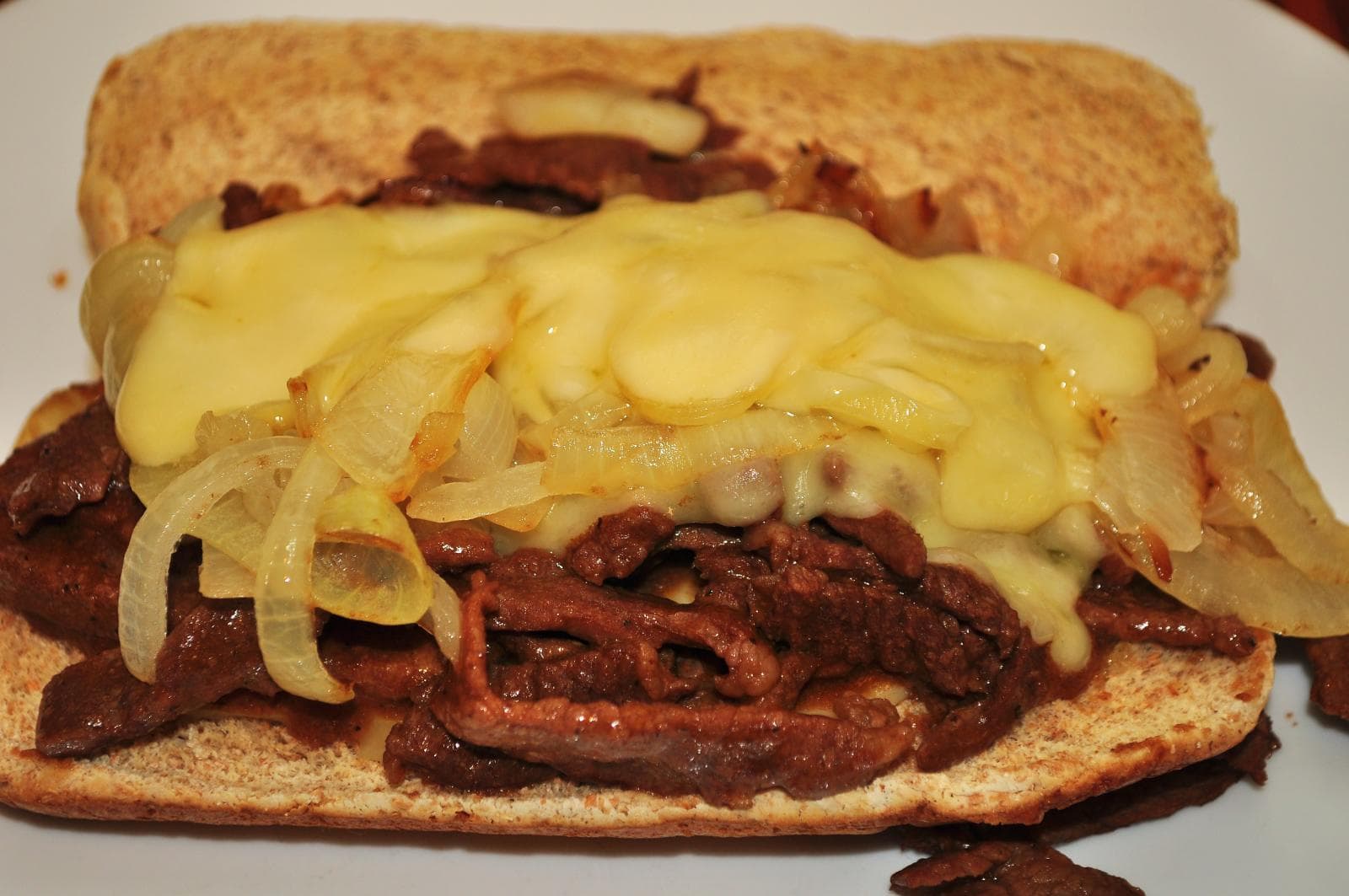
1946-1969
The Philly cheesesteak is a beloved sandwich hailing from Philadelphia and the Mid-Atlantic region, featuring thinly sliced beef, melted cheese, and a soft hoagie roll. It rose to regional prominence between 1946 and 1969 as a staple of postwar prosperity and working-class food culture.
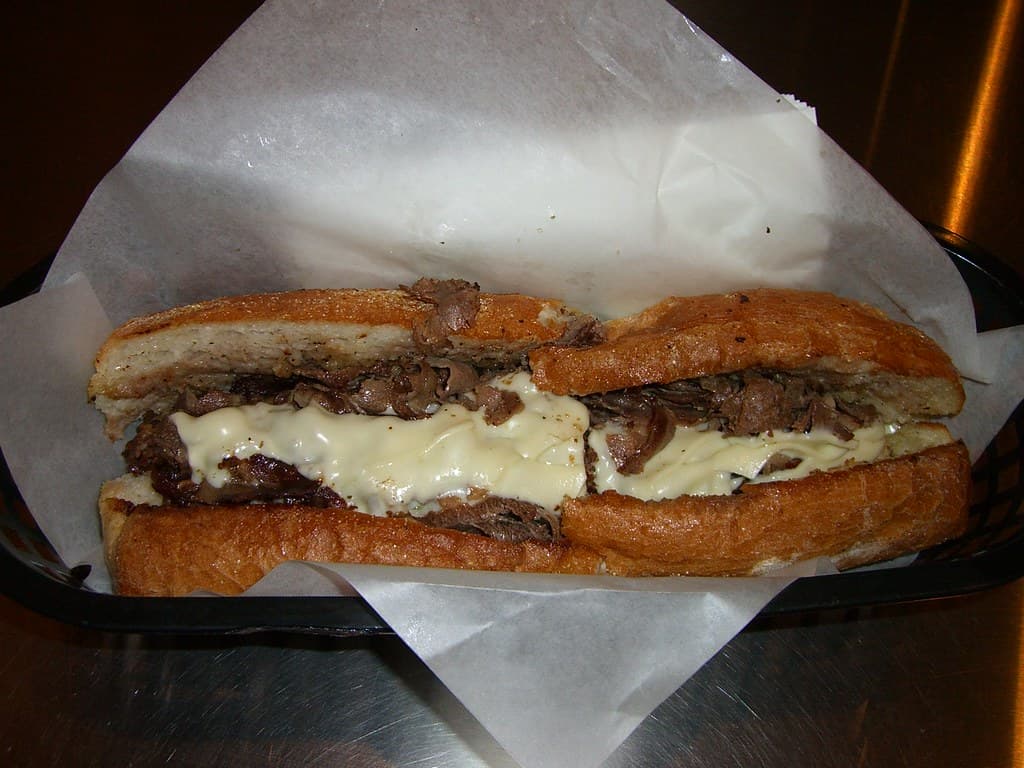
1970-1989
These cheesesteak sandwiches gained popularity from the 1970s through 1980s as fast food and tailgate staples in the Mid-Atlantic region. Building on the traditional Philly cheesesteak, they often incorporated convenience-oriented techniques and ingredients favored in mall and chain venues.
Same table
America's Melting Pot
Hash Browns photo coming soon
1880s-present
Hash browns are shredded or diced potatoes pan-fried until golden and crisp, popularized in American diners and lunch counters during the early 20th century. Served primarily at breakfast, they embody simple, rustic comfort food.
America's Melting Pot
Hash photo coming soon
1800s-present
Hash is a savory dish combining chopped cooked meat, potatoes, onions, and seasoning, originally made to use leftovers efficiently. It was a practical meal served in American railroad camps, mining towns, and boardinghouses during the late 19th century.
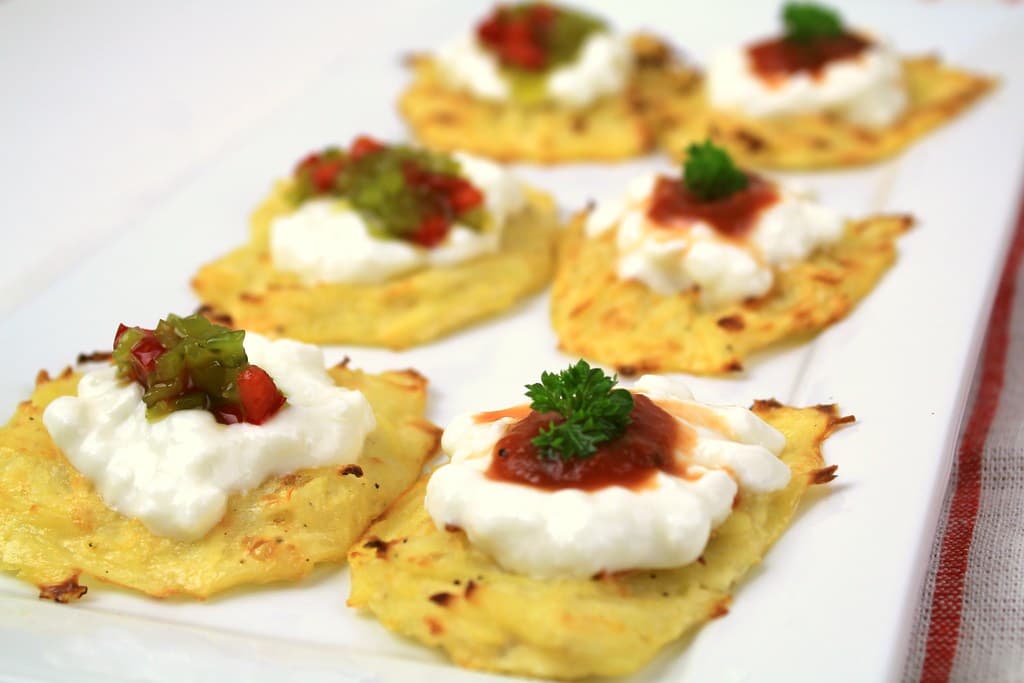
1800s-present
Potato Pancakes are a breakfast favorite among German-American communities, consisting of grated potatoes mixed with onions and eggs, fried to a crisp golden brown.