
Recipe archive
Loading
Setting the table...
Fetching the latest recipes from the archive.
Loading
Fetching the latest recipes from the archive.
Recipe archive
America's Melting Pot
Hash hero image coming soon
1861-1900 - Railroad cooks, miners, and boardinghouse kitchen staff during late 1800s settlement era.
Hash is a savory dish combining chopped cooked meat, potatoes, onions, and seasoning, originally made to use leftovers efficiently. It was a practical meal served in American railroad camps, mining towns, and boardinghouses during the late 19th century.
No featured photo yet. Upload a photo with your review. The highest-rated community photo may become this recipe's hero image.
Difficulty
Easy
Prep time
10 minutes
Cook time
20 minutes
Total time
30 minutes
Servings
4
Region
New England leftover-meat and diner breakfast kitchens
Era introduced
1861-1900
Introduced by
Railroad cooks, miners, and boardinghouse kitchen staff during late 1800s settlement era.
Recipe tools
Log in to save this recipe to a collection.
Hash originated as a resourceful way to repurpose leftover meat and vegetables during the American Civil War era and settlement periods. Railroad workers, miners, and boardinghouse cooks transformed scraps into a hearty skillet meal. Its adaptability speaks to the practical, no-waste culinary culture emerging in tough frontier and industrial communities, where sustenance and economy were paramount.
Share family changes, regional twists, or pantry-friendly adaptations as full community recipes.
Log in to submit a community recipe.
No community recipes yet. Submitted recipes are published right away.
Rate this recipe and share how it worked at your table.
Log in to review this recipe.
No reviews yet. Be the first to rate this recipe.
Recipes matched by era, region, occasion, ingredients, and cultural roots from the archive.
Same era
America's Melting Pot
Boiled Dressing photo coming soon
1800s-present
Boiled Dressing is a dressing with real American table personality: Old-fashioned American dressing made with eggs, vinegar, sugar, and mustard before bottled mayo took over. It brings flavor from coast-to-coast American tables to cookouts, counters, lunch plates, potlucks, and weeknight suppers.
1800s-1950s
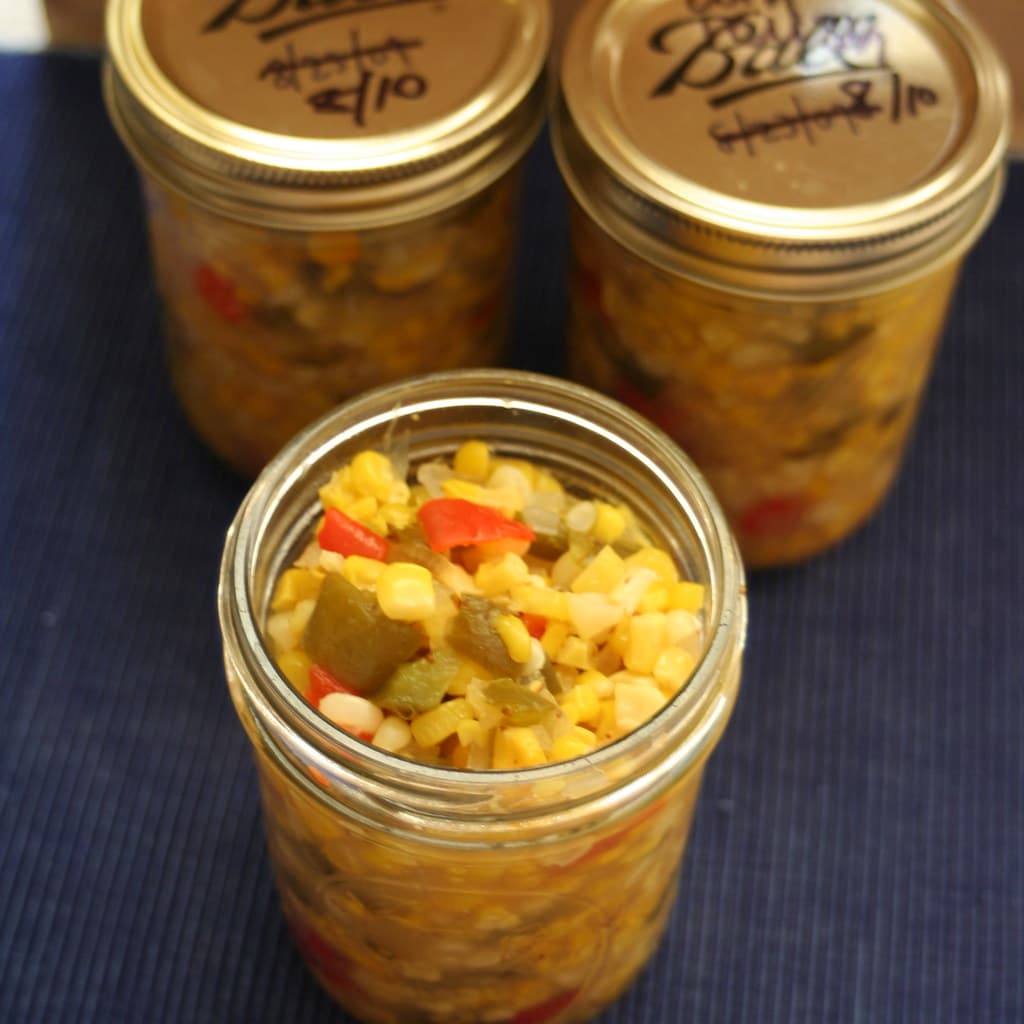
Corn Relish is a relish with real American table personality: Farm garden preserving and picnic-table condiment. It brings flavor from coast-to-coast American tables to cookouts, counters, lunch plates, potlucks, and weeknight suppers.

1800s-present
Homemade ice cream is a beloved treat enjoyed across the United States, especially during warm weather and holidays like the Fourth of July. This recipe captures the timeless tradition of making rich, creamy ice cream at home using simple ingredients. While commercial ice cream became widely available in the 20th century, homemade versions date back to earlier periods and remain a festive family activity.
Same region
America's Melting Pot
Hasty Pudding photo coming soon
1600s-1800s
Hasty pudding is a simple cornmeal porridge traditionally eaten for breakfast, traced to colonial America and The Revolutionary Table era. It historically used accessible grains and minimal ingredients to provide warm sustenance.
2010-2026
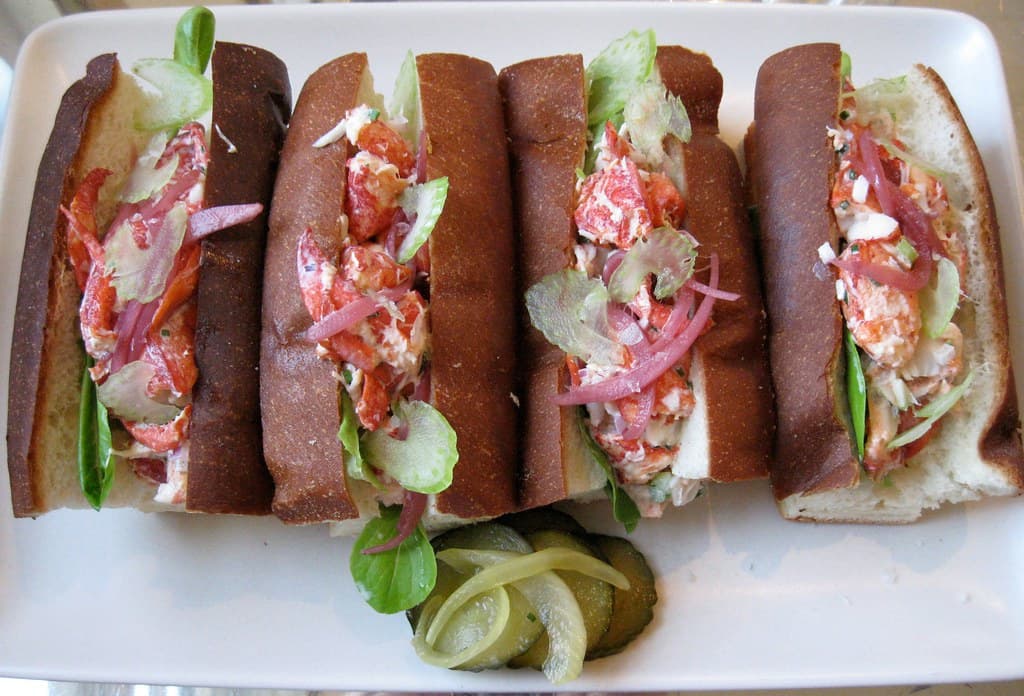
Maine lobster rolls are an iconic New England sandwich featuring tender lobster meat served chilled or warm in a buttered, toasted split-top bun. Since the early 20th century, this sandwich has been a regional favorite at seafood shacks, fairs, and food trucks, embodying the maritime heritage and casual dining culture of the Northeastern United States.
America's Melting Pot
Oyster Pie photo coming soon
1800-1860
Oyster Pie is a savory pie filled with oysters and often combined with vegetables and seasonings, baked in a flaky crust. As a traditional New England dish from the early immigration and expansion era, it reflects coastal harvests and colonial cooking styles preserving regional seafood heritage.
Same table
America's Melting Pot
Hash Browns photo coming soon
1880s-present
Hash browns are shredded or diced potatoes pan-fried until golden and crisp, popularized in American diners and lunch counters during the early 20th century. Served primarily at breakfast, they embody simple, rustic comfort food.
1900s-present
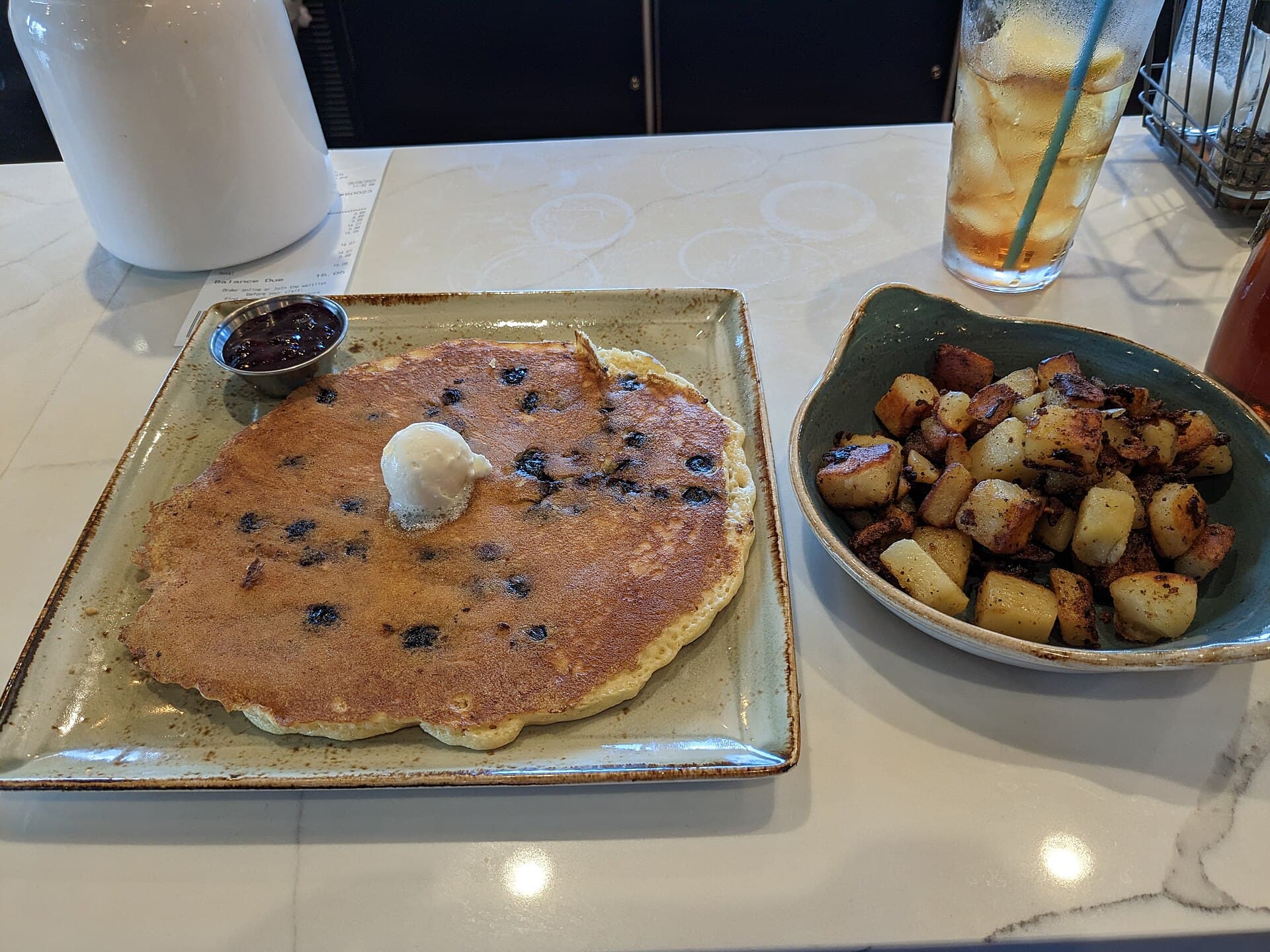
Home fries are diced or sliced potatoes pan-fried with onions and seasoning, commonly served at American diners with breakfast. Emerging in early 20th-century immigrant cities, they offer a warm and crispy potato side dish.
America's Melting Pot
Country Ham and Eggs photo coming soon
1607/1700s-present
A traditional Southern breakfast featuring salty country ham paired with perfectly cooked eggs. This dish reflects rural American morning fare, combining hearty protein with simple preparation for an energizing start to the day.