
Recipe archive
Loading
Setting the table...
Fetching the latest recipes from the archive.
Loading
Fetching the latest recipes from the archive.
Recipe archive
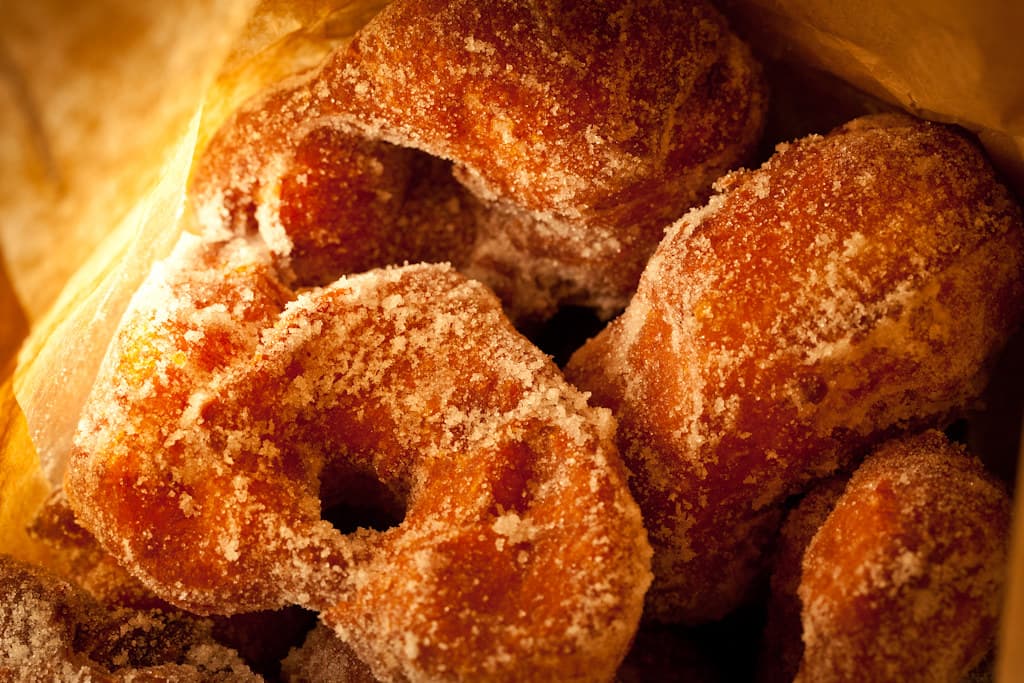
1861-1900 - Portuguese immigrant communities in Hawaii.
Malasadas are Portuguese-style fried doughnuts, soft and fluffy, rolled in sugar, introduced to Hawaii by Portuguese immigrant workers. Adopted widely in Hawaiian breakfasts and celebrations, malasadas exemplify the blending of immigrant traditions with local food culture, enjoyed across generations and served in bakeries and breakfast tables across the islands.
Community-powered photos. Reviewers can upload dish photos, and the highest-rated community image may be featured here.
Difficulty
Medium
Prep time
2 hours (including rising)
Cook time
15 minutes
Total time
2 hours 15 minutes
Servings
12 malasadas
Region
Hawaii Portuguese immigrant communities
Era introduced
1861-1900
Introduced by
Portuguese immigrant communities in Hawaii.
Recipe tools
Log in to save this recipe to a collection.
Brought to Hawaii by Portuguese immigrant laborers in the late 19th and early 20th centuries, malasadas became a beloved fried dough confection within Hawaiian breakfast and snack culture. These yeast-leavened dough balls are deep-fried until golden and coated with sugar, offering a sweet, airy treat at neighborhood bakeries and community celebrations. Their continued popularity showcases the enduring influence of Portuguese-American foodways in Hawaii's multicultural culinary landscape.
Share family changes, regional twists, or pantry-friendly adaptations as full community recipes.
Log in to submit a community recipe.
No community recipes yet. Submitted recipes are published right away.
Rate this recipe and share how it worked at your table.
Log in to review this recipe.
No reviews yet. Be the first to rate this recipe.
Recipes matched by era, region, occasion, ingredients, and cultural roots from the archive.
Same era
America's Melting Pot
Army Bean Soup photo coming soon
1861-1900
A hearty military-style bean soup built on navy beans, smoked ham hock, onion, celery, carrot, and bay leaf, adapted for a home pot from large-batch service traditions.
1861-1900
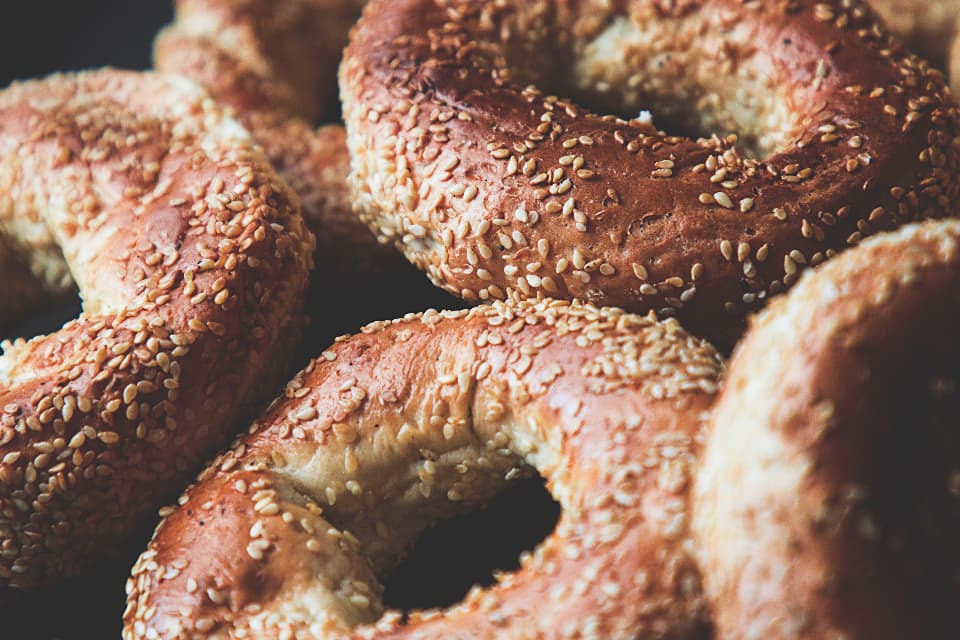
A basic homemade bagel recipe using high-protein flour, malt or brown sugar, a short boil, and a hot bake for chewy New York-style results.
America's Melting Pot
Bagels with Schmear photo coming soon
1861-1900
A deli-style bagel with a thick schmear of plain or scallion cream cheese, with optional onion, capers, tomato, and cucumber.
Same region
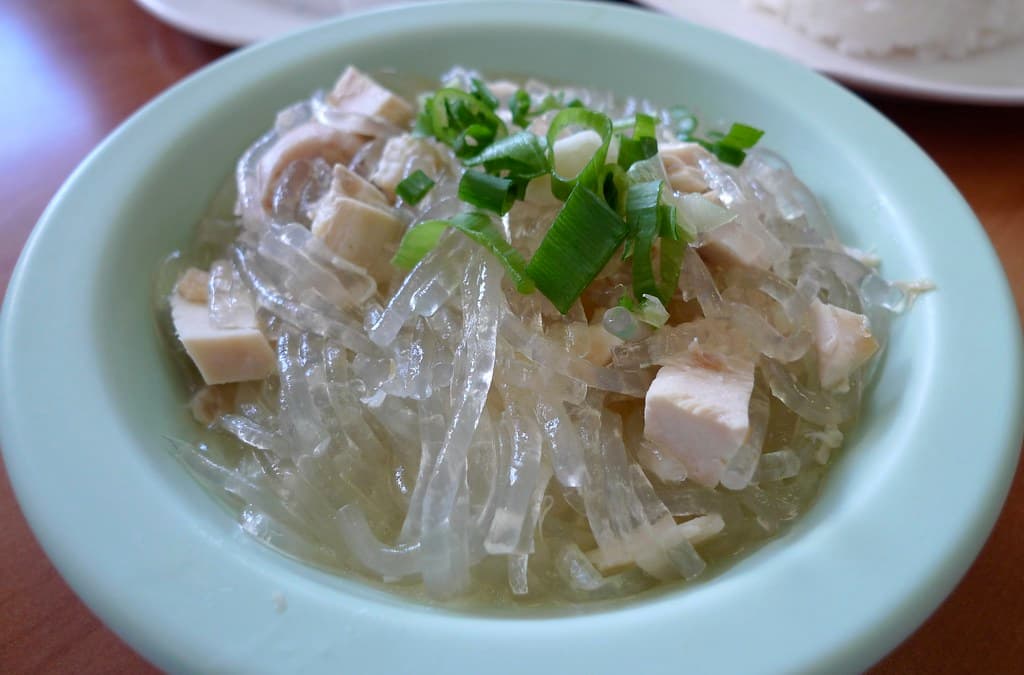
mid-1800s-present
Chicken Long Rice is a comforting Hawaiian side featuring clear mung bean noodles simmered in chicken broth with shredded chicken, garlic, and ginger. This dish evolved through Hawaiian local and immigrant communities, reflecting influences from Asian and Portuguese-American cuisines and becoming a staple at family gatherings.
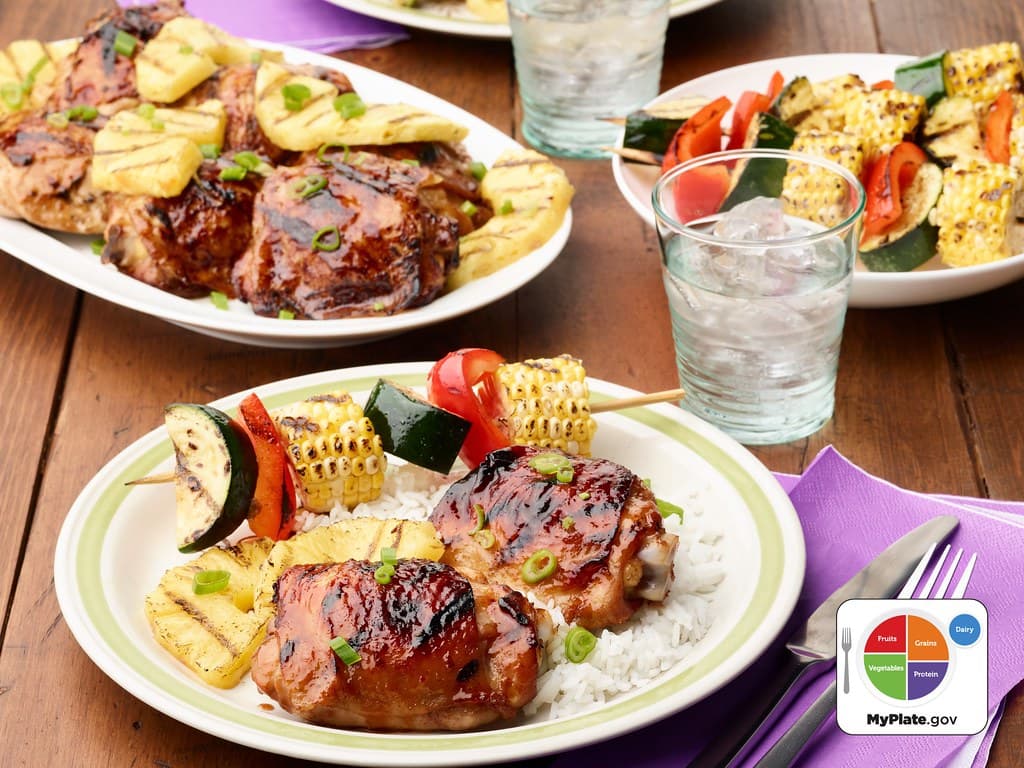
1946-1969
Huli Huli Chicken is a celebrated Hawaiian barbecue dish developed in the mid-20th century combining sweet, savory, and smoky flavors. It features grilled chicken basted with a sauce of pineapple juice, soy sauce, and brown sugar, reflecting Hawaiian, Asian-Pacific, and Portuguese-American culinary influences prevalent after World War II.
1946-1969
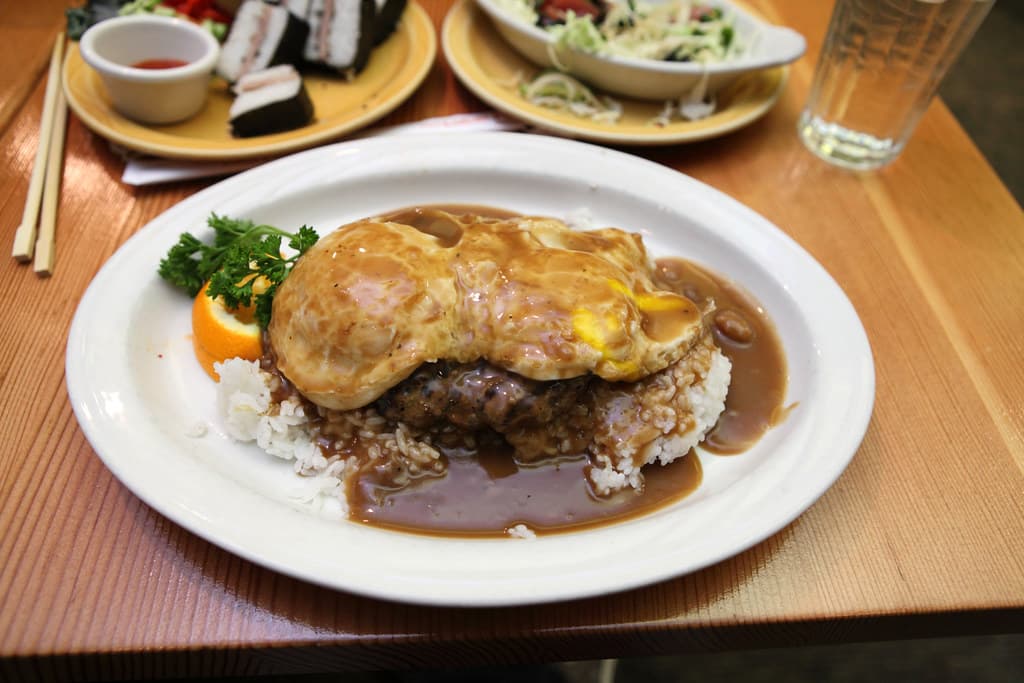
Loco Moco is a Hawaiian dish consisting of white rice topped with a hamburger patty, fried egg, and brown gravy. It reflects a fusion of Hawaiian, Asian-Pacific American, and Portuguese-American culinary influences and became popular in Hawaii post World War II.
Same table
1878/1900s-present
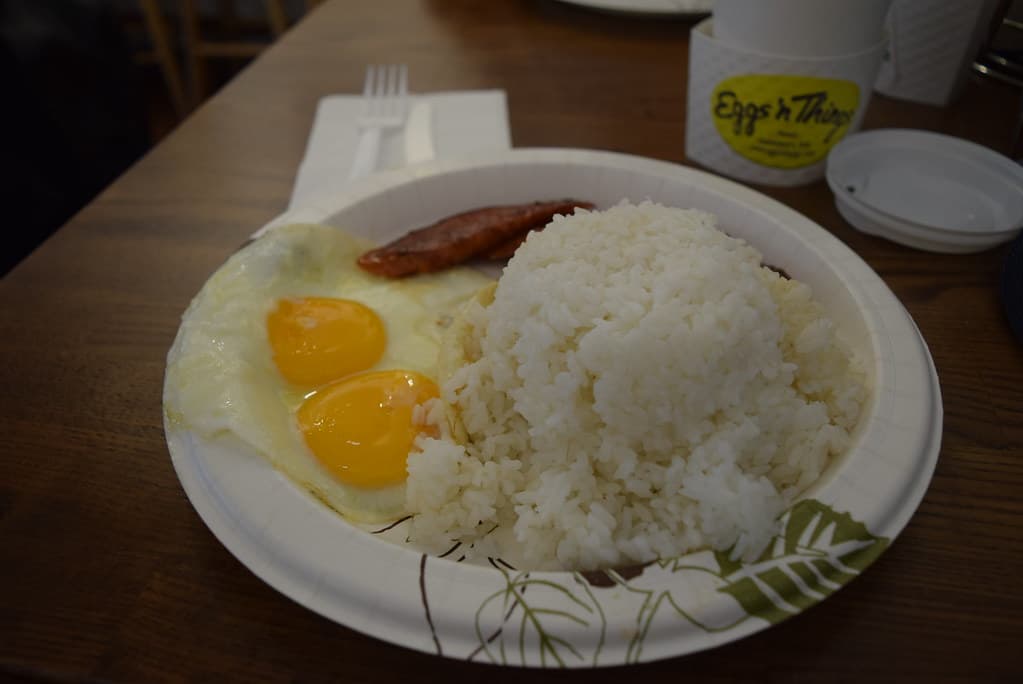
Portuguese Sausage and Eggs is a popular traditional breakfast in Hawaii combining savory Portuguese sausage with fried eggs to reflect immigrant influence on local food culture.
America's Melting Pot
Cinnamon Roll Hack photo coming soon
1990s-present
The Cinnamon Roll Hack is a contemporary improvised breakfast featuring store-bought cinnamon rolls enhanced or transformed with simple ingredients and quick cooking techniques, often popularized through social media and food trucks. This approach exemplifies inventive modern American home cooking and viral food trends.
1700s-1800s
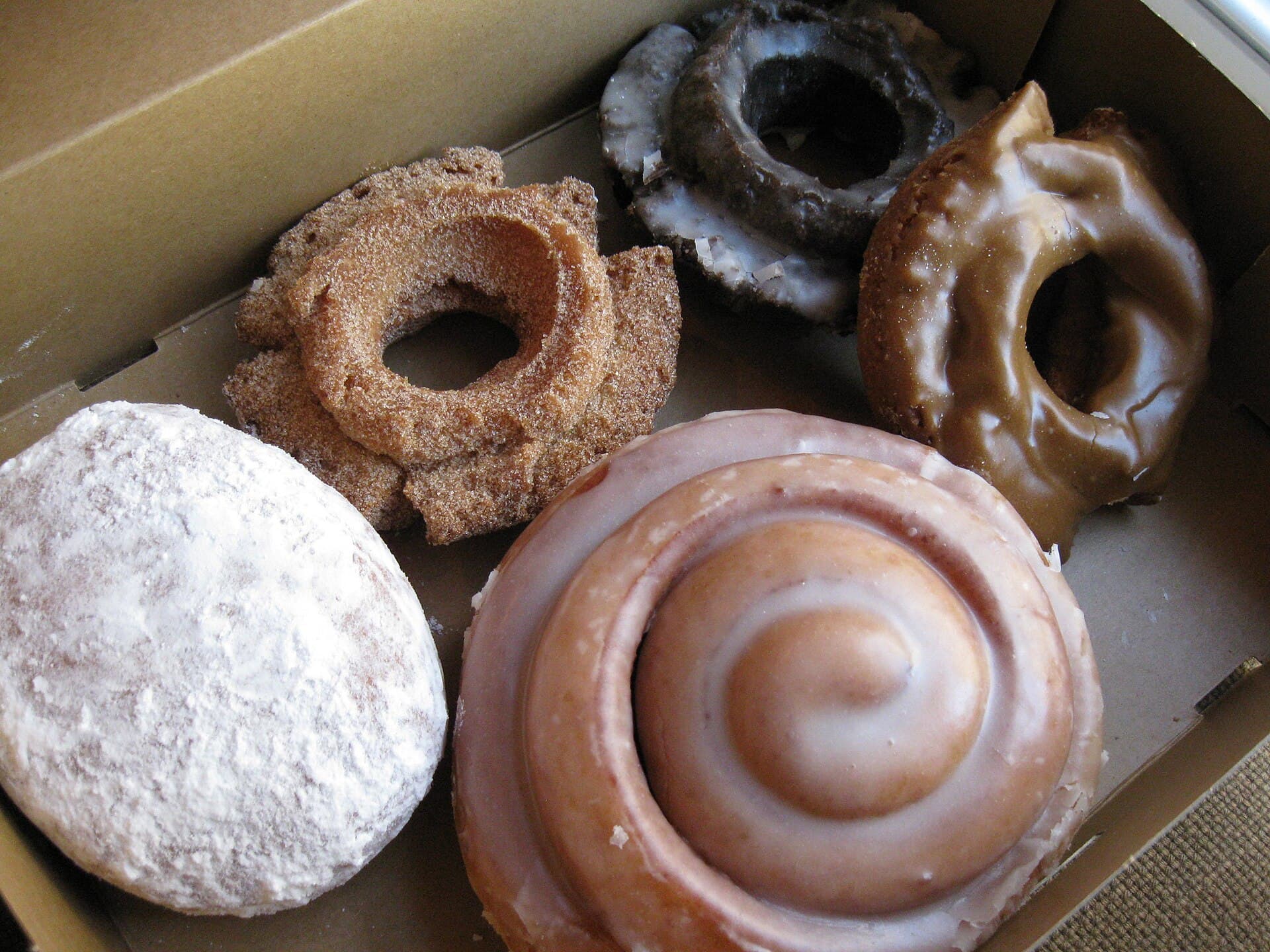
Doughnuts are a beloved American breakfast and snack originating from various immigrant influences, consisting of fried dough rings or balls coated in sugar or glaze. The recipe has evolved over centuries and become a cross-era staple with numerous regional variations.