
Recipe archive
Loading
Setting the table...
Fetching the latest recipes from the archive.
Loading
Fetching the latest recipes from the archive.
Recipe archive
America's Melting Pot
Manhattan Clam Chowder hero image coming soon
1861-1900 - Northeastern American cooks and Italian-American immigrant communities.
Manhattan clam chowder is a distinctively red, tomato-based clam soup containing clams, vegetables like tomatoes, celery, and carrots, and often potatoes. Originating as a regional alternative to creamy New England clam chowder, it reflects diverse American coastal cooking traditions and Italian immigrant influence in the Northeast.
No featured photo yet. Upload a photo with your review. The highest-rated community photo may become this recipe's hero image.
Difficulty
Medium
Prep time
15 minutes
Cook time
40 minutes
Total time
55 minutes
Servings
6
Region
Rhode Island and New York harbor markets
Era introduced
1861-1900
Introduced by
Northeastern American cooks and Italian-American immigrant communities.
Recipe tools
Log in to save this recipe to a collection.
Manhattan clam chowder, distinct for its tomato-based broth, emerged in New England as a flavorful alternative to the cream-heavy New England chowder. Influences from Italian immigrants and the region's diverse seafood traditions contributed to the inclusion of tomatoes, carrots, celery, and herbs, making it a hearty, savory stew. Manhattan clam chowder represents the culinary blending in Northeast America, offering a lighter, zestier option that celebrates local clams and vegetables.
Share family changes, regional twists, or pantry-friendly adaptations as full community recipes.
Log in to submit a community recipe.
No community recipes yet. Submitted recipes are published right away.
Rate this recipe and share how it worked at your table.
Log in to review this recipe.
No reviews yet. Be the first to rate this recipe.
Recipes matched by era, region, occasion, ingredients, and cultural roots from the archive.
Same era
America's Melting Pot
Army Bean Soup photo coming soon
1861-1900
A hearty military-style bean soup built on navy beans, smoked ham hock, onion, celery, carrot, and bay leaf, adapted for a home pot from large-batch service traditions.

1861-1900
A basic homemade bagel recipe using high-protein flour, malt or brown sugar, a short boil, and a hot bake for chewy New York-style results.
America's Melting Pot
Bagels with Schmear photo coming soon
1861-1900
A deli-style bagel with a thick schmear of plain or scallion cream cheese, with optional onion, capers, tomato, and cucumber.
Same region
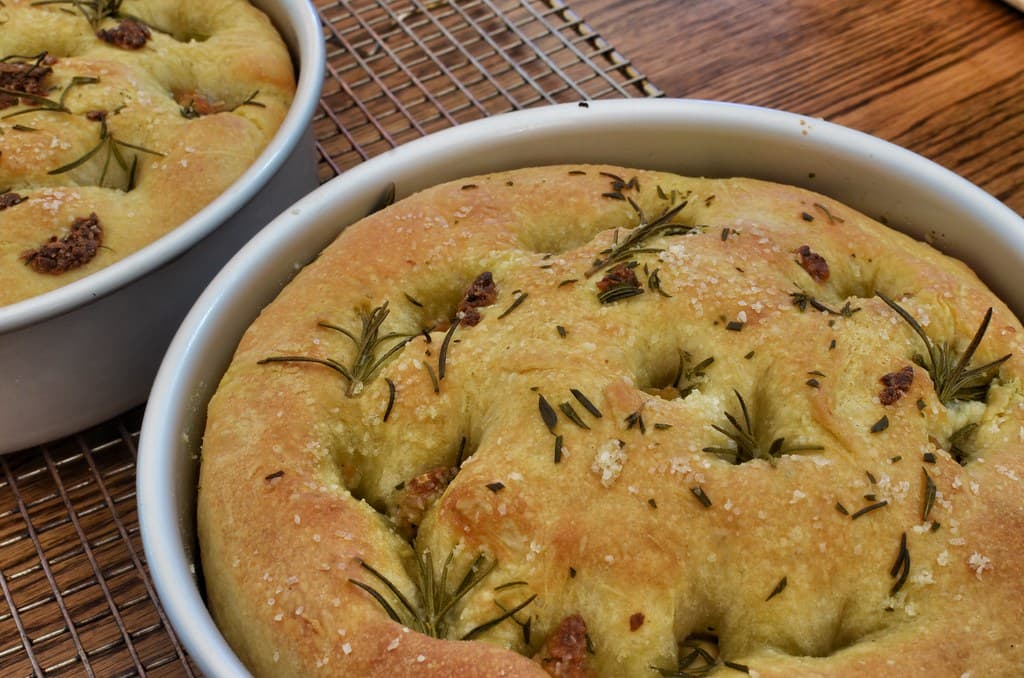
1900s-present
Focaccia is a flat Italian-style bread seasoned with olive oil, herbs, and often sea salt. Italian immigrants introduced focaccia to the United States during the late 19th century, adapting Old World baking techniques to American ingredients, thus becoming a beloved Italian-American staple bread.
America's Melting Pot
Acorn Bread photo coming soon
1800-1860
A nutty, lightly sweet quick bread made with properly leached acorn flour, cornmeal, and wheat flour.

1900s-present
Cake doughnuts flavored with reduced apple cider and rolled in cinnamon sugar.
Same table
America's Melting Pot
Cranberry Bean Stew photo coming soon
1800-1860
A robust stew featuring cranberry beans slow-cooked with vegetables and herbs, inspired by Indigenous American foodways of New England and early colonial adaptations.
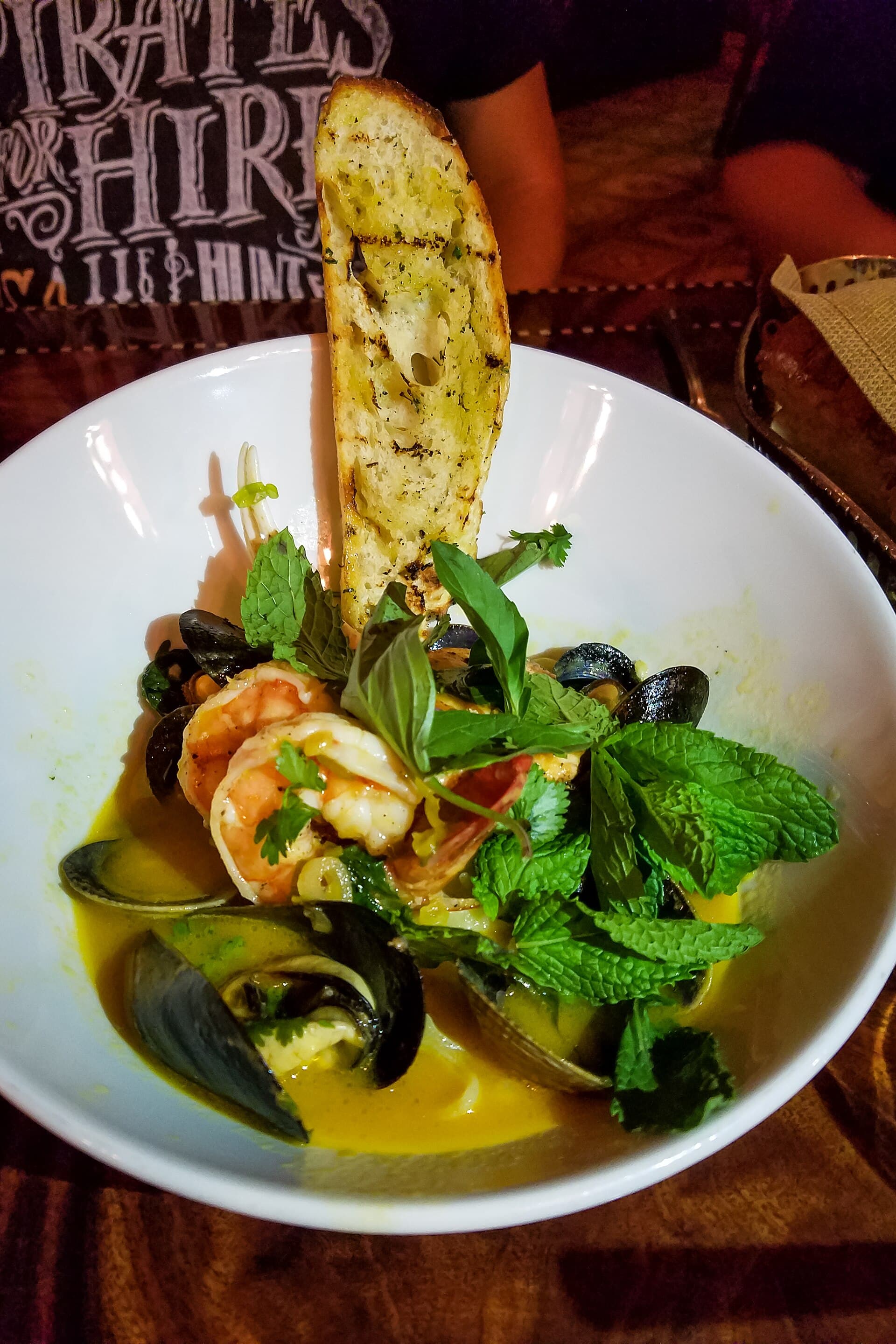
late 1800s-present
Cioppino is a hearty seafood stew originating from Italian immigrant fishermen on the West Coast, combining various shellfish and fish simmered in a tomato and wine-based broth. Known for its communal, one-pot cooking style, it reflects the fusion of Italian culinary heritage with the maritime bounty of California. Cioppino became especially popular in San Francisco's Italian-American communities, symbolizing immigrant adaptation and local ingredient use.
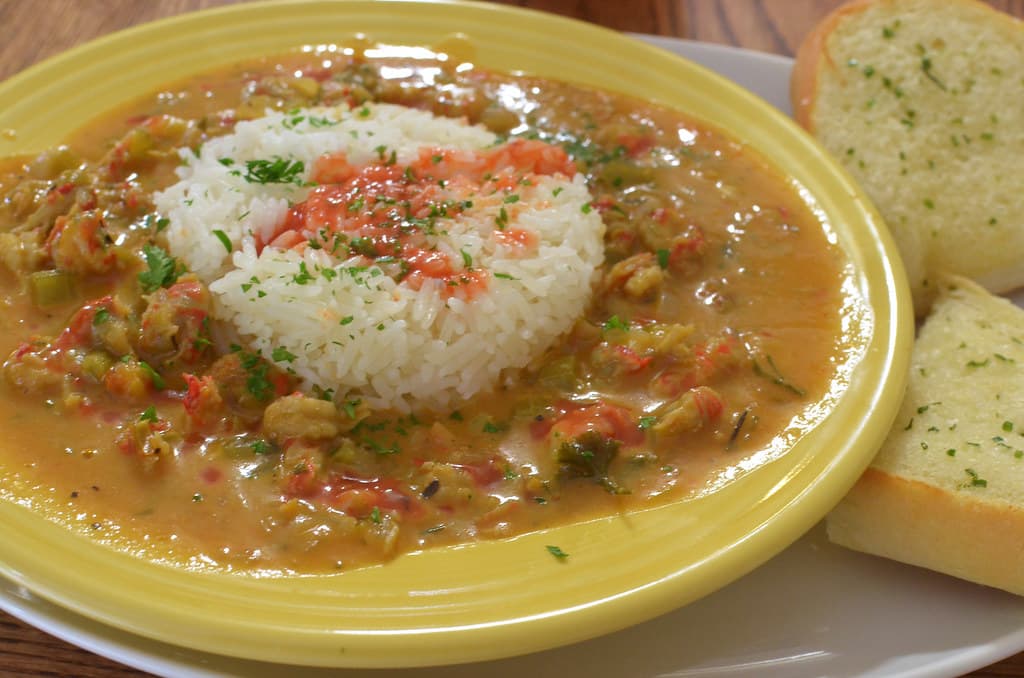
1970-1989
A richly seasoned Louisiana stew featuring crawfish smothered in a flavorful roux and vegetable sauce served over rice. A signature dish of Cajun and Creole cuisine with strong regional pride and festive appeal.