
Recipe archive
Loading
Setting the table...
Fetching the latest recipes from the archive.
Loading
Fetching the latest recipes from the archive.
Recipe archive
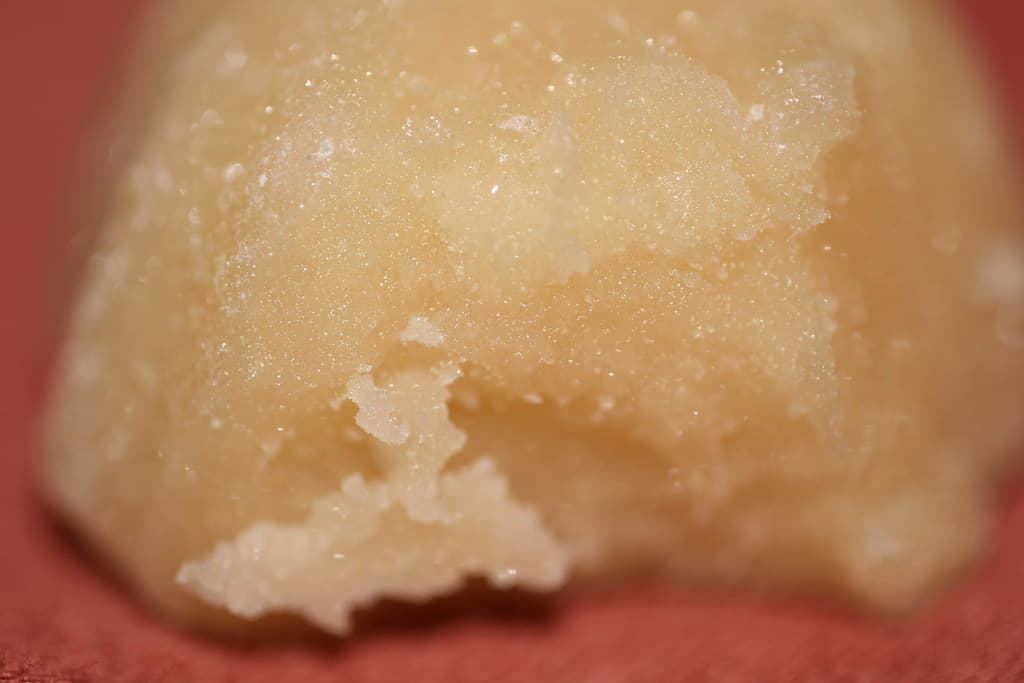
Before 1776 - Early American colonial cooks and maple syrup producers.
Maple sugar candy is a traditional treat made by concentrating and cooling pure maple syrup until crystallized into small, rich candies. Popular in colonial and early American celebrations, this confection celebrates the maple harvest and resourcefulness in using local maple products for sweets.
Community-powered photos. Reviewers can upload dish photos, and the highest-rated community image may be featured here.
Difficulty
Medium
Prep time
30 minutes
Cook time
30 minutes
Total time
1 hour
Servings
Varies
Region
Native American, New England, and Great Lakes maple sugar camps
Era introduced
Before 1776
Introduced by
Early American colonial cooks and maple syrup producers.
Recipe tools
Log in to save this recipe to a collection.
Dating to colonial America and Native American origins, maple sugar candy showcases the traditional method of boiling and concentrating maple syrup into a crystalline sweet. This candy was a prized treat for holidays and special occasions, reflecting the importance of maple sugaring in Northeastern American sustenance and celebration. The candy remains a nostalgic confection illustrating early American ingenuity in natural sweetener use.
Share family changes, regional twists, or pantry-friendly adaptations as full community recipes.
Log in to submit a community recipe.
No community recipes yet. Submitted recipes are published right away.
Rate this recipe and share how it worked at your table.
Log in to review this recipe.
No reviews yet. Be the first to rate this recipe.
Recipes matched by era, region, occasion, ingredients, and cultural roots from the archive.
Same era
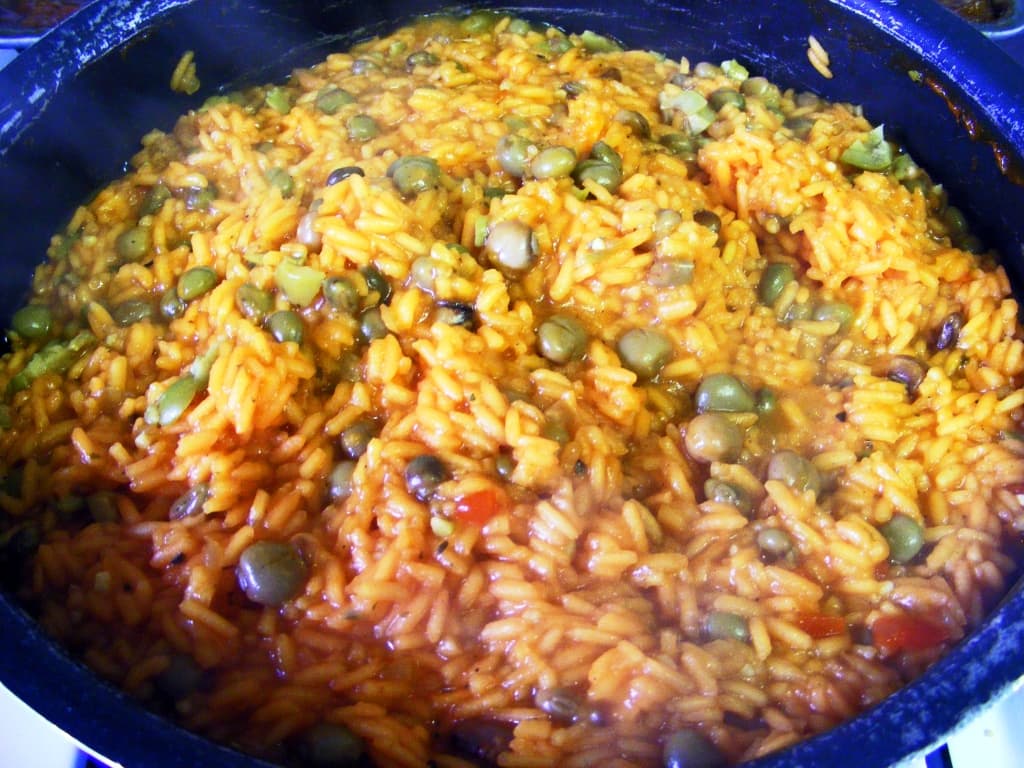
1500s-present
A Puerto Rican arroz con gandules made in one pot with medium-grain rice, pigeon peas, sofrito, sazon, pork, olives, and a patient steam for fluffy grains and coveted pegao.
America's Melting Pot
Chokecherry Sauce photo coming soon
pre-1776-present
Chokecherry Sauce is a tart and flavorful condiment made from the chokecherry fruit, historically prepared by Indigenous American peoples across the United States from the early 19th century. This sauce functions as an accompaniment to game meats and poultry, showcasing native foraging and preservation techniques during the Expansion and Young Republic period. It exemplifies Indigenous foodways adapted to settler tables while maintaining cultural culinary heritage.
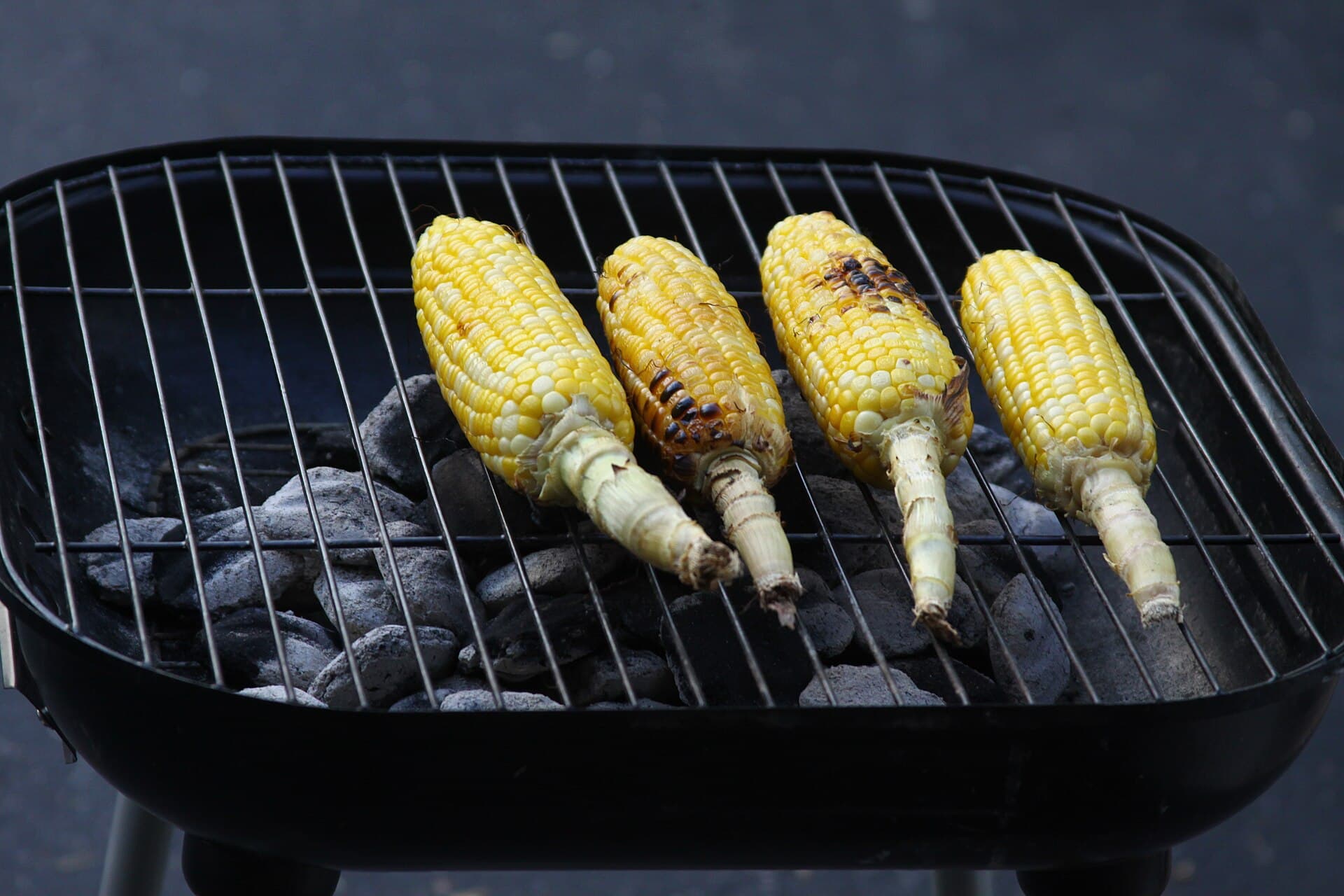
pre-1776-present
Corn on the cob is a simple, beloved summer side dish traditionally enjoyed at Fourth of July celebrations and backyard cookouts across the United States. Boiled or grilled fresh corn with butter and salt has long been a staple of American holiday tables.
Same region
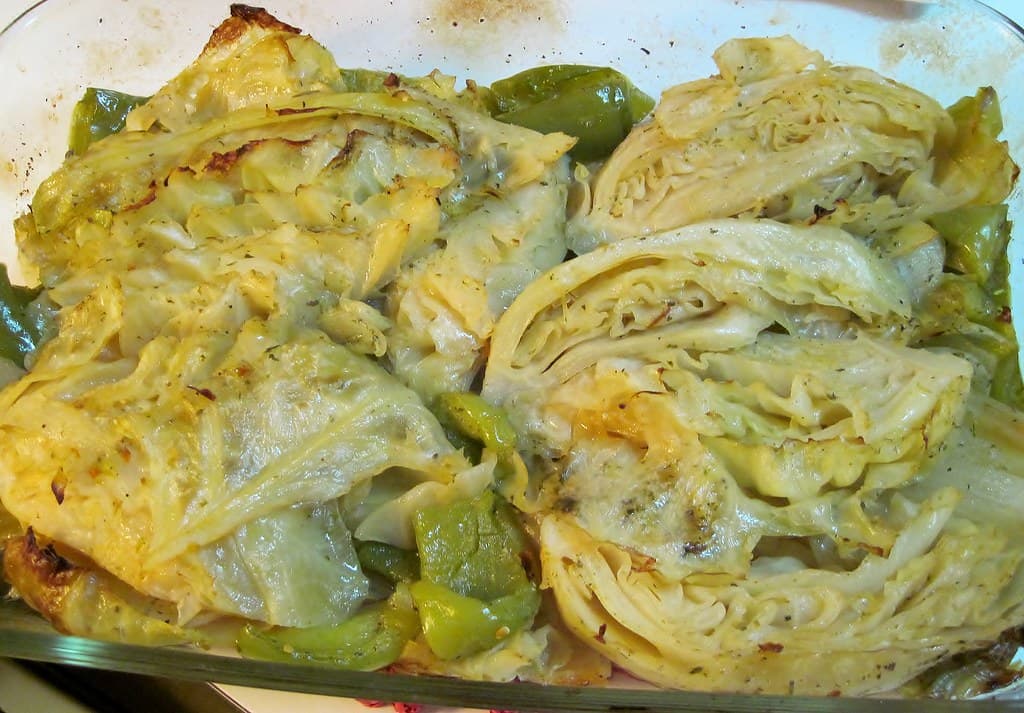
1700-2026
Braised cabbage is an old, practical side dish because cabbage stores well, feeds many, and softens beautifully with slow moist heat. American versions draw from British, German, Irish, and Eastern European cabbage cookery as well as plain farm-table thrift.
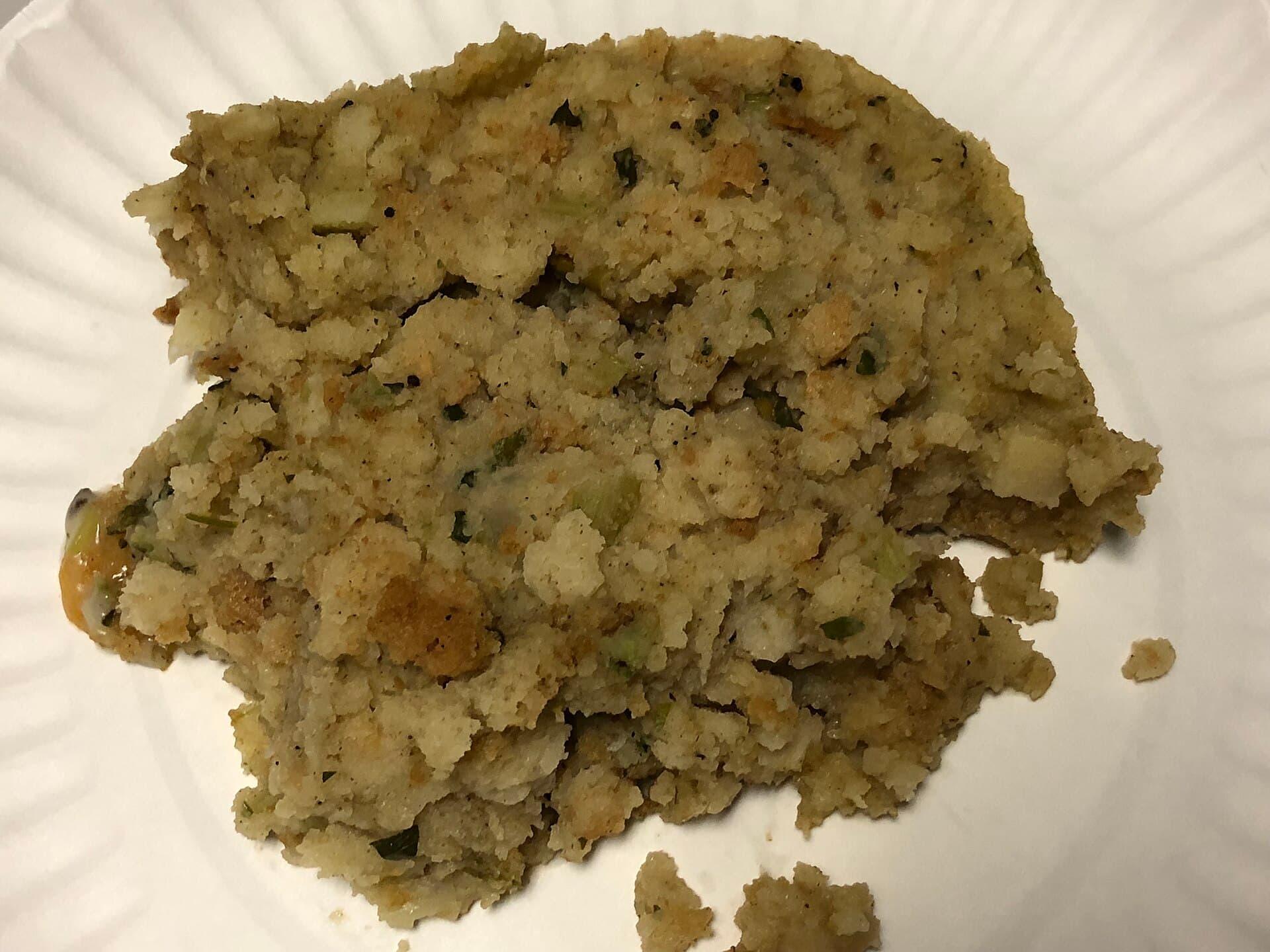
1700-2026
Bread stuffing is the Thanksgiving workhorse that turns stale bread into the part of the plate many people reach for first. Whether cooked inside the bird or baked separately as dressing, the core American formula is bread, aromatics, poultry herbs, and rich stock.
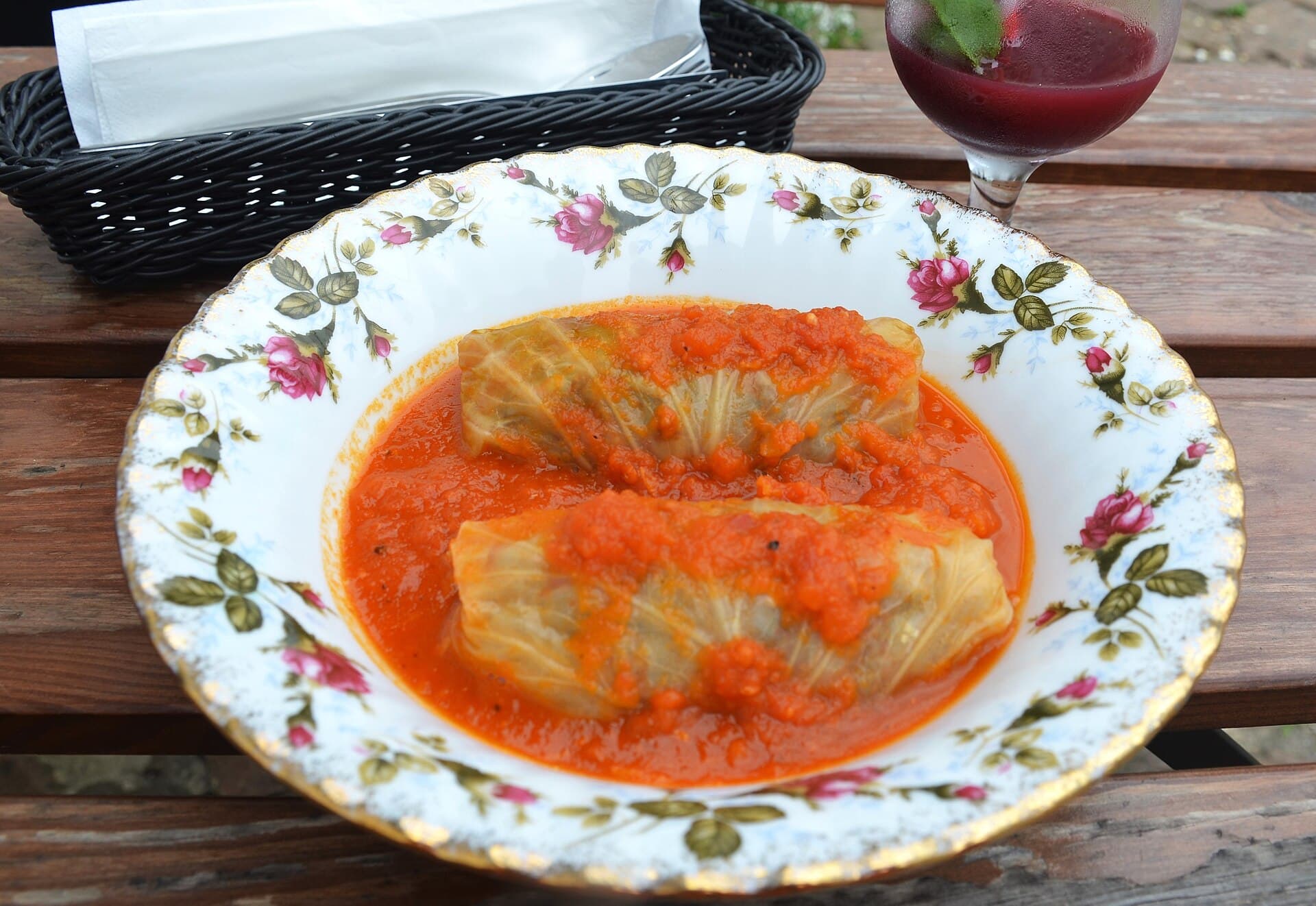
1900-2026
Cabbage rolls came to American tables through many Eastern European and Jewish immigrant communities. Polish golabki, Ukrainian holubtsi, Slovak holubky, Jewish holishkes, and related dishes all wrap humble cabbage around a filling that stretches meat with rice or grain.
Same table
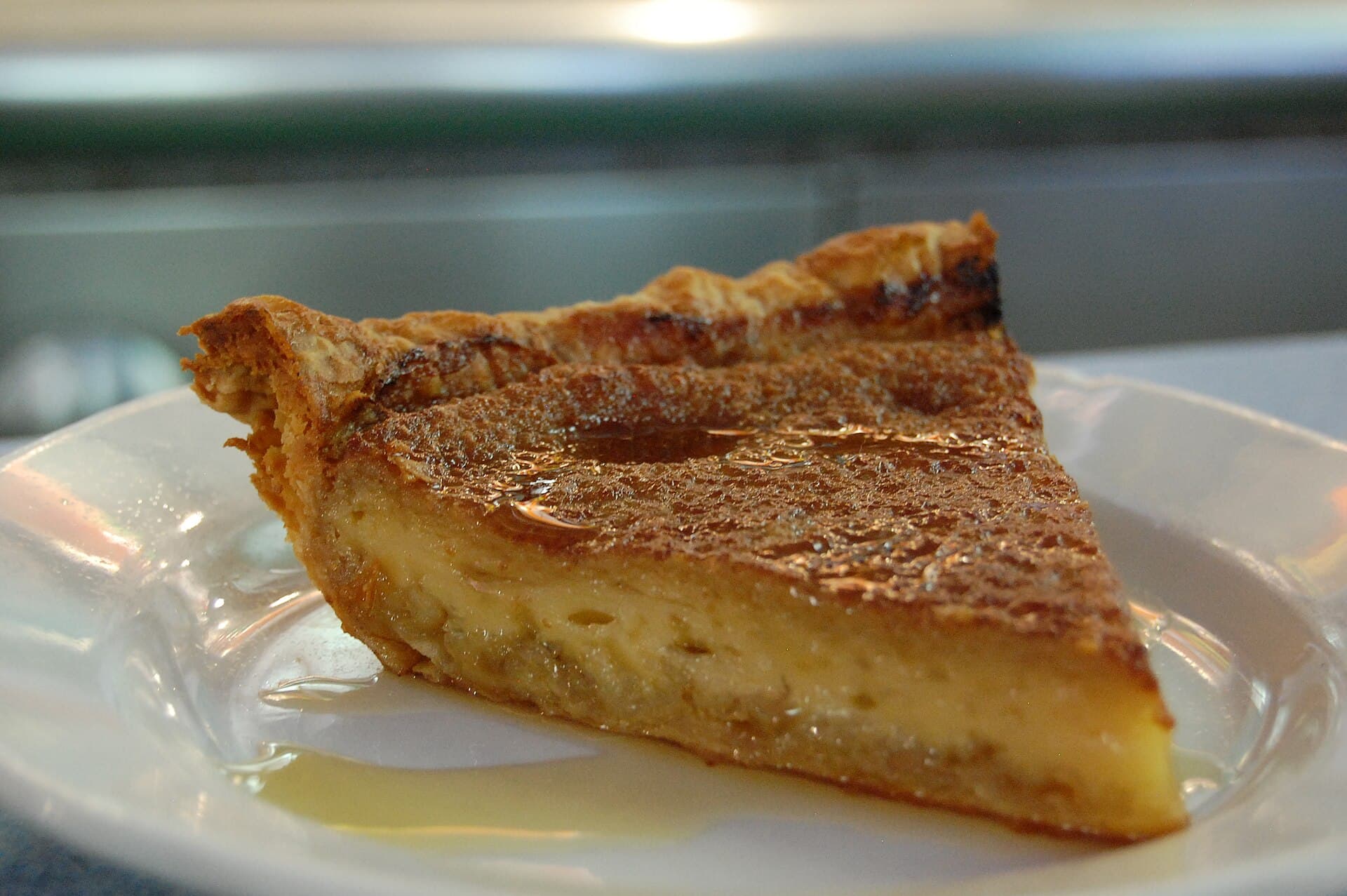
1800s-present
Maple pie is a classic New England dessert featuring rich filling made from pure maple syrup layered in a flaky pie crust. Celebrated for its deep caramelized sweetness and regional ingredient heritage, maple pie symbolizes the importance of maple syrup production and festive baking customs in Northeastern American households.
America's Melting Pot
Vermont Maple Pie photo coming soon
1800-1860
A traditional New England dessert pie using pure maple syrup for sweetening. This pie reflects Vermont's long history of maple syrup production and its use in regional desserts during the early 19th century.
America's Melting Pot
Red, White, and Blue Trifle photo coming soon
1990s-present
Red, White, and Blue Trifle is a layered dessert featuring red berries, white cream or custard, and blue berries, embodying patriotic colors. Popular since 2010 in food trucks and seasonal markets, this vibrant dessert is easy to assemble and festive for American holidays and celebrations.