
Recipe archive
Loading
Setting the table...
Fetching the latest recipes from the archive.
Loading
Fetching the latest recipes from the archive.
Recipe archive
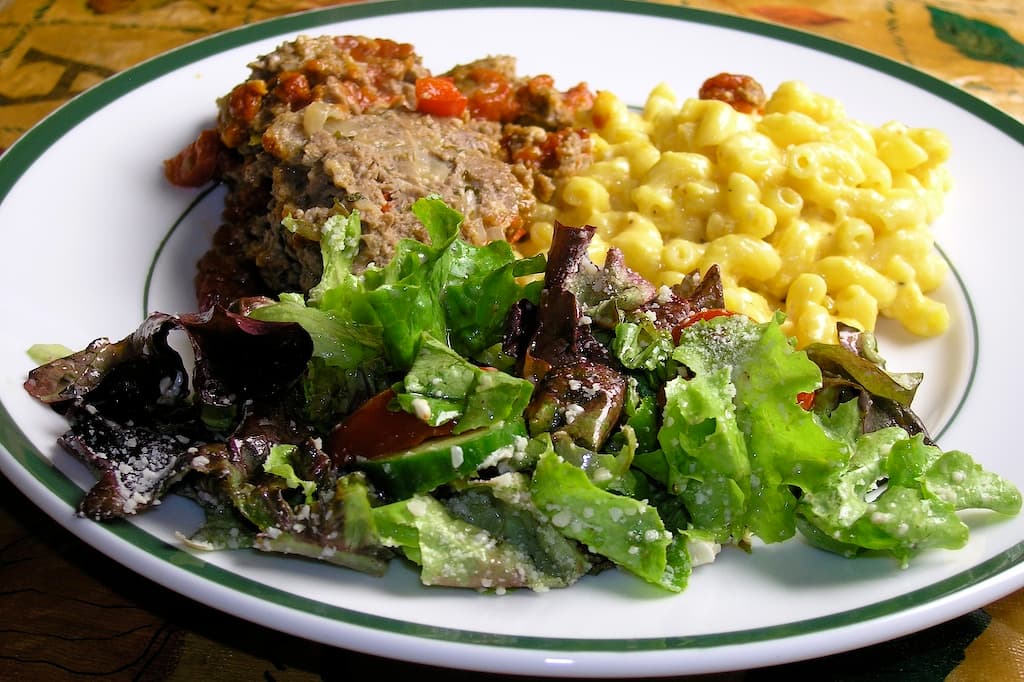
1990-2009 - American diners and lunch counters of the early 20th century
Traditional meatloaf served as a diner lunch or dinner with classic sides such as mashed potatoes and vegetables. A fixture of 20th-century American roadside, state fair, and lunch counter dining experiences.
Community-powered photos. Reviewers can upload dish photos, and the highest-rated community image may be featured here.
Difficulty
Medium
Prep time
15 minutes
Cook time
1 hour
Total time
1 hour 15 minutes
Servings
4 servings
Region
American casual-restaurant, supermarket, diner, and weeknight convenience kitchens
Era introduced
1990-2009
Introduced by
American diners and lunch counters of the early 20th century
Recipe tools
Log in to save this recipe to a collection.
The meatloaf plate became emblematic of American diner and state fair cuisine in the early 20th century, particularly from 1900 to 1929. It combined affordable ground meat shaped into a loaf and baked, served with complimentary sides to form a satisfying meal for working-class patrons. Promoted at urban lunch counters and roadside eateries, meatloaf plates helped establish America's diner culture and continue to evoke nostalgic food memories. The recipe reflects the era's focus on hearty, quick, and economical meals.
Share family changes, regional twists, or pantry-friendly adaptations as full community recipes.
Log in to submit a community recipe.
No community recipes yet. Submitted recipes are published right away.
Rate this recipe and share how it worked at your table.
Log in to review this recipe.
No reviews yet. Be the first to rate this recipe.
Recipes matched by era, region, occasion, ingredients, and cultural roots from the archive.
Same era
America's Melting Pot
Acai Smoothie photo coming soon
1990s-present
Acai Smoothie brings juice-bar color and American smoothie-counter energy to the glass: Brazilian-rooted ingredient adapted by U.S. smoothie bars.
America's Melting Pot
Apple Spinach Smoothie photo coming soon
1990s-present
Apple Spinach Smoothie brings juice-bar color and American smoothie-counter energy to the glass: Green juice/smoothie crossover.
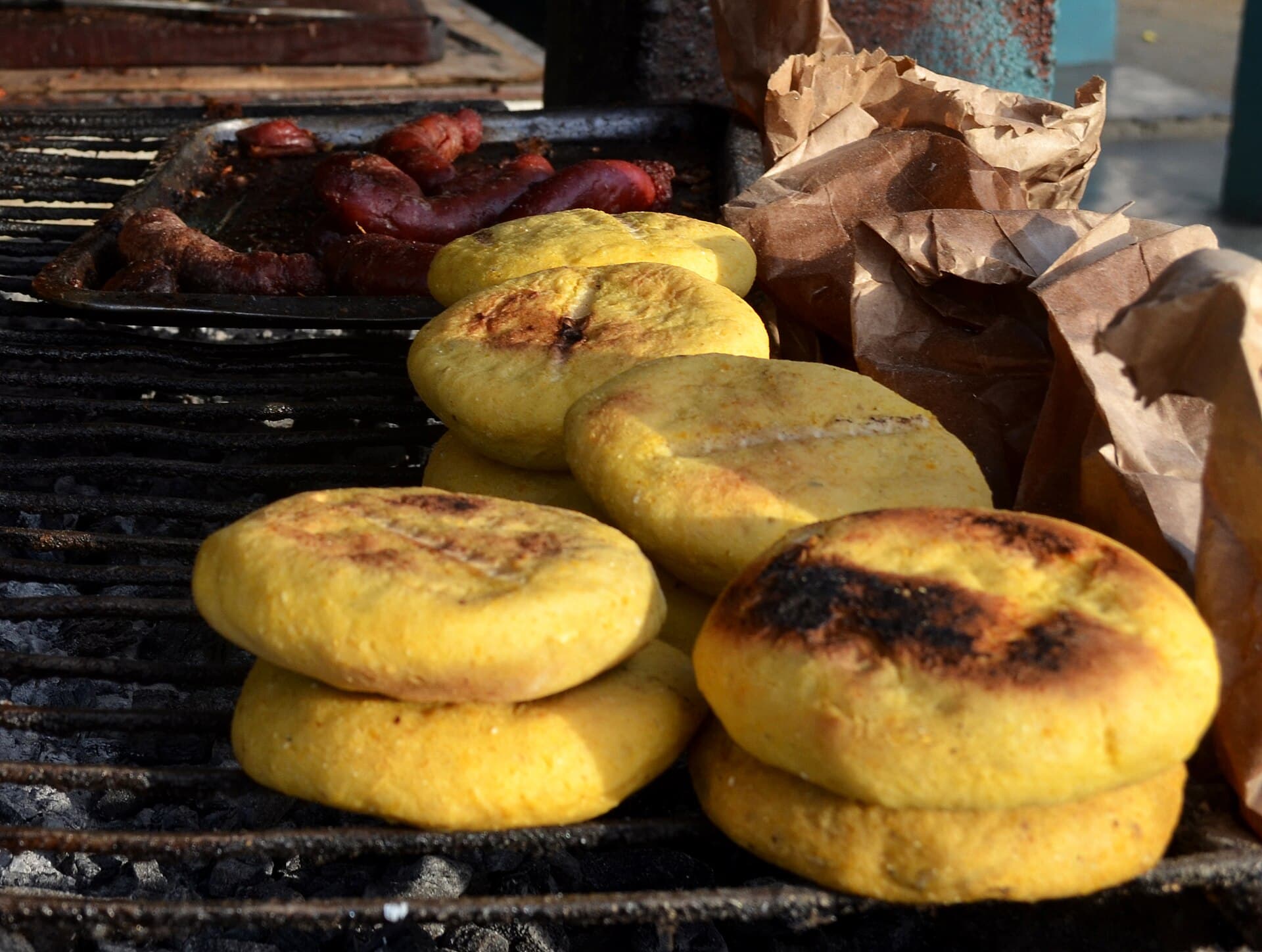
1990-2009
A basic arepa recipe made with masarepa, water, salt, and a hot skillet, ready to eat plain, buttered, cheesed, or split for fillings.
Same region
America's Melting Pot
Grilled Chicken Salad photo coming soon
1990s-present
Grilled Chicken Salad became popular in American suburbs and coffee shops during the 1990s-2000s as a health-oriented dish. Featuring marinated grilled chicken over mixed greens with fresh vegetables and vinaigrette, it is common at Super Bowl gatherings and casual dining venues.
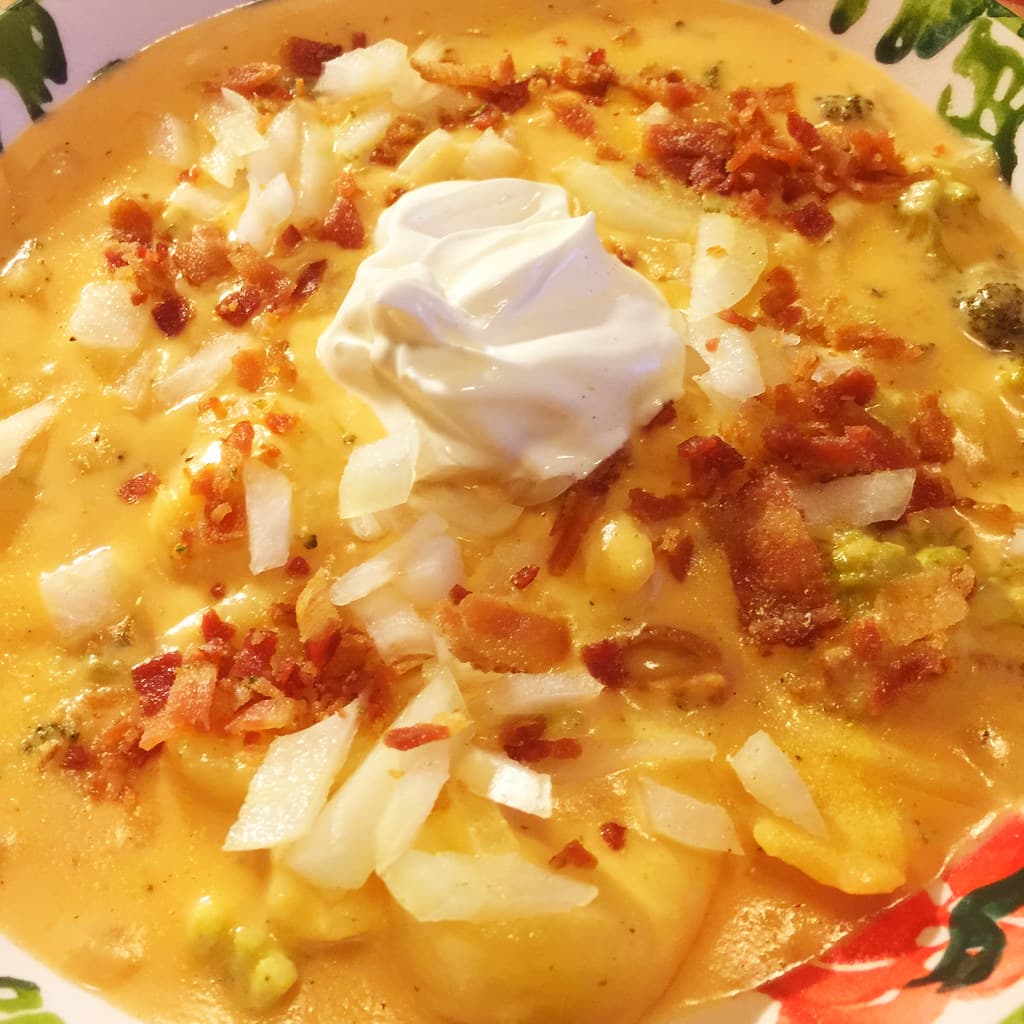
1990s-present
Loaded baked potato soup is a creamy and hearty soup featuring potatoes, cheese, bacon, and green onions, inspired by the flavors of the loaded baked potato. It grew in popularity in family restaurants and casual eateries across the U.S. during the 1990s and 2000s.
America's Melting Pot
Rotisserie Chicken Noodle Soup photo coming soon
1990s-present
This rotisserie chicken noodle soup combines store-bought roasted chicken with vegetables and egg noodles to create a hearty, comforting dish. It reflects modern American weeknight comfort food influenced by convenience cooking and food truck menus.
Same table
America's Melting Pot
Meat-Stretching Meatloaf photo coming soon
1930s-1940s
A meatloaf recipe designed to extend limited ground meat with fillers like vegetables and grains. Commonly created during the Great Depression to conserve scarce and expensive ingredients while maintaining flavor and nutrition.
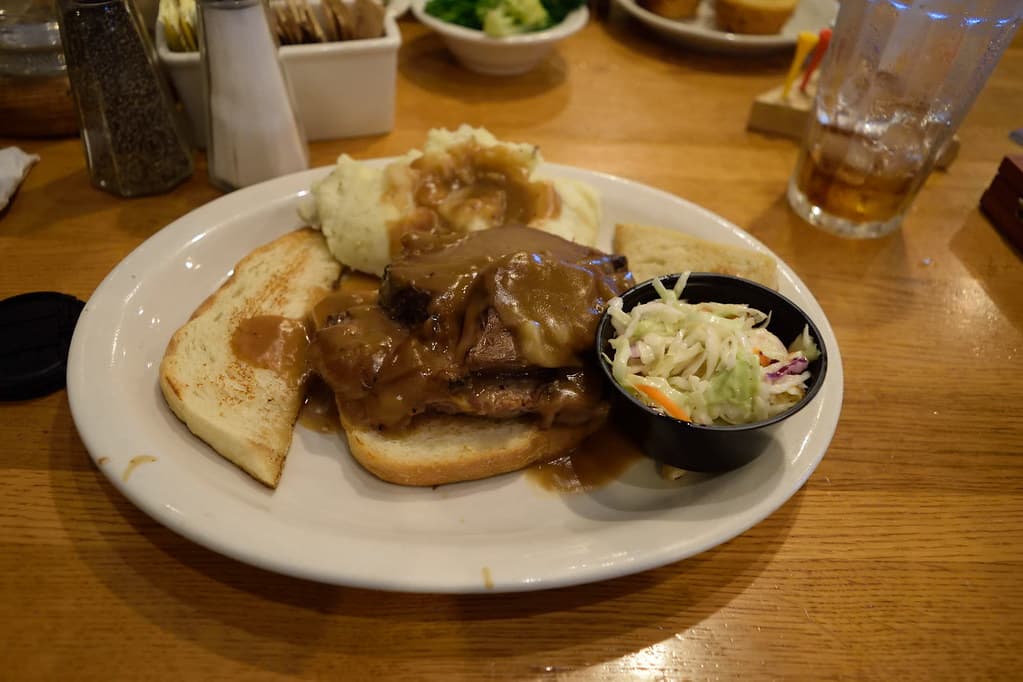
1900s-present
The Open-Faced Roast Beef Sandwich features thinly sliced roast beef served over toasted bread slices, covered with gravy, often accompanied by mashed potatoes. Popularized in American diners and lunch counters, this hearty sandwich is a staple of comfort food and practical meals.
America's Melting Pot
Meatless Loaf photo coming soon
1930s-1940s
A savory meatless loaf made using vegetables, cereals, and binders to substitute for meat during wartime rationing. Reflects home front innovation during World War II to stretch limited protein resources.