
Recipe archive
Loading
Setting the table...
Fetching the latest recipes from the archive.
Loading
Fetching the latest recipes from the archive.
Recipe archive
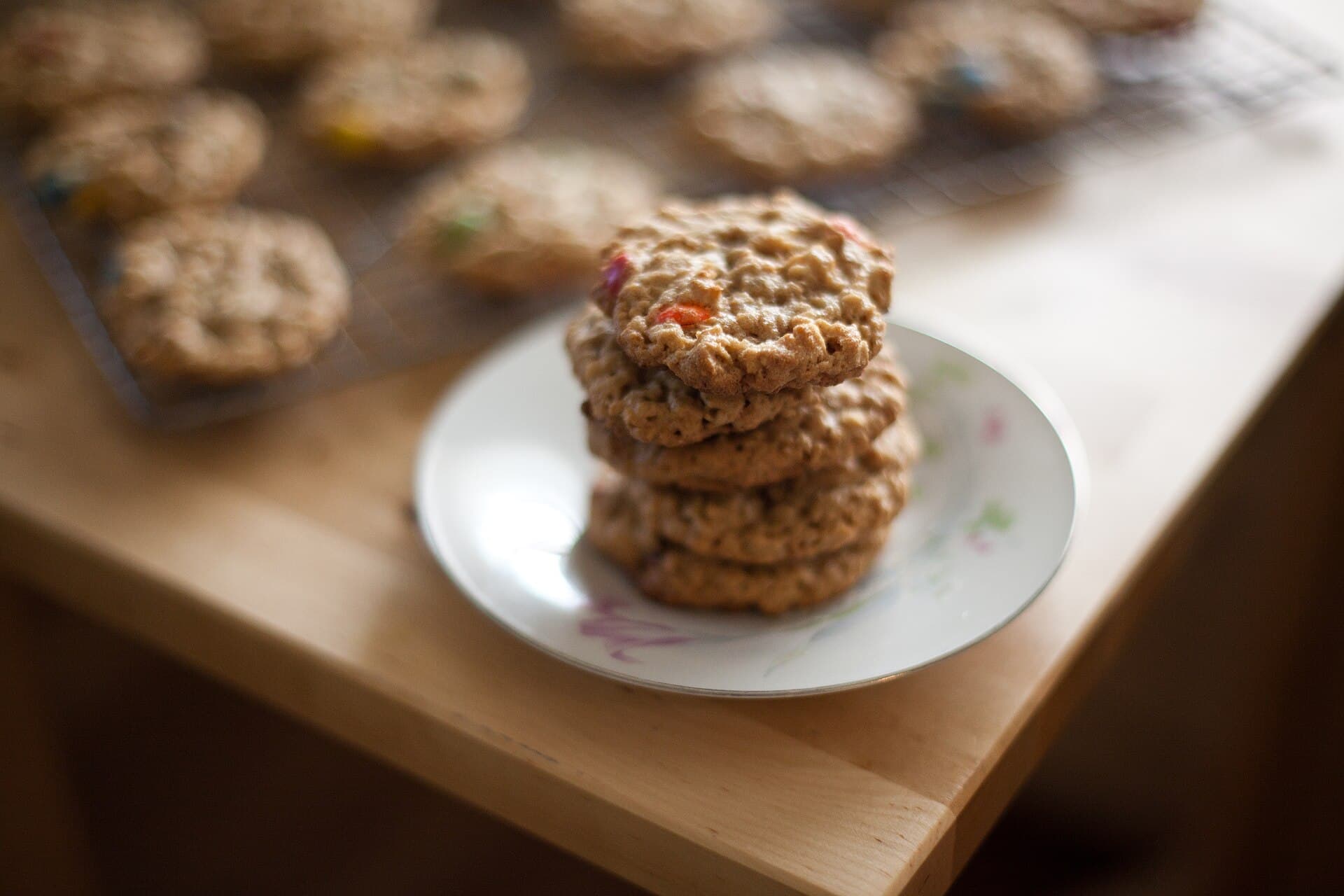
1970-1989 - Church bake sale groups and tailgate party hosts in United States
Monster Cookies are generously sized cookies featuring rolled oats, peanut butter, chocolate chips, and often M&Ms, favored at tailgate parties and church events since the 1970s and 1980s. These cookies embody post-industrial American preferences for convenience, fusion of flavors, and regional pride, becoming a staple of fast food snacking and bake sale culture.
Community-powered photos. Reviewers can upload dish photos, and the highest-rated community image may be featured here.
Difficulty
Easy
Prep time
15 minutes
Cook time
12 minutes
Total time
27 minutes
Servings
24 cookies
Region
Lansing, Michigan home and newspaper recipe kitchens
Era introduced
1970-1989
Introduced by
Church bake sale groups and tailgate party hosts in United States
Recipe tools
Log in to save this recipe to a collection.
Emerging between 1970 and 1989, Monster Cookies reflect American fast food and convenience culture's embrace of large, flavorful snacks. Combining peanut butter, oats, and chocolate, these cookies quickly gained popularity at tailgate parties, church fundraisers, and concession stands. Their chewy texture and familiar ingredients resonate with nostalgia and regional pride, illustrating the fusion of home baking with commercial snack appeal during the late 20th century.
Share family changes, regional twists, or pantry-friendly adaptations as full community recipes.
Log in to submit a community recipe.
No community recipes yet. Submitted recipes are published right away.
Rate this recipe and share how it worked at your table.
Log in to review this recipe.
No reviews yet. Be the first to rate this recipe.
Recipes matched by era, region, occasion, ingredients, and cultural roots from the archive.
Same era
America's Melting Pot
ABC Juice photo coming soon
1970s-present
ABC Juice brings juice-bar color and American smoothie-counter energy to the glass: Apple, beet, carrot.
America's Melting Pot
Auntie Anne's-Style Pretzel Bites photo coming soon
1970-1989
A homemade mall-style pretzel bite recipe with yeast dough, a baking-soda dip, coarse salt, and a generous butter finish.
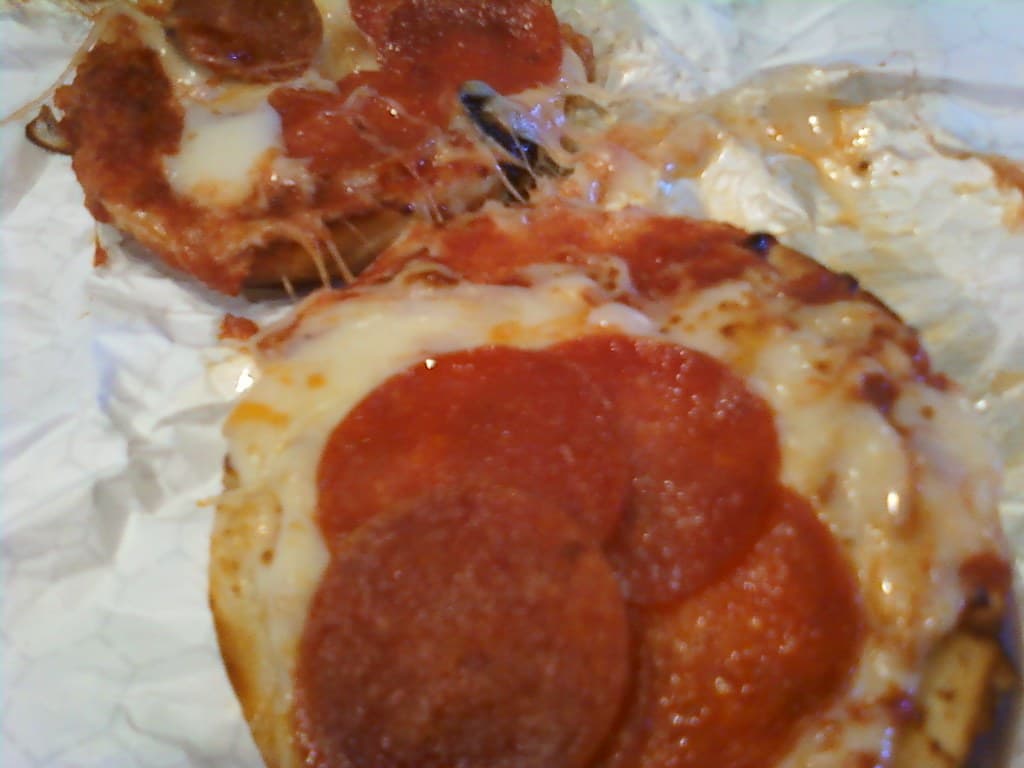
1970-1989
Split bagels topped with tomato sauce, mozzarella, oregano, and pepperoni or vegetables, baked until bubbly for a lunchbox and after-school classic.
Same region
America's Melting Pot
Air Fryer Cheese Curds photo coming soon
2010-2026
Fresh cheese curds coated in seasoned panko, chilled, and air-fried until crisp outside and molten inside.
America's Melting Pot
Air Fryer Tater Tots photo coming soon
2010-2026
Frozen potato tots cooked in the air fryer until deeply crisp outside and fluffy inside.
America's Melting Pot
Almond Chicken photo coming soon
1900s-present
Crisp boneless chicken served over lettuce with brown gravy, scallions, and toasted almonds.
Same table
America's Melting Pot
Mrs. Fields-Style Cookies photo coming soon
1977-present
Mrs. Fields-Style Cookies are soft, thick chocolate chip cookies known for their chewy texture and rich flavor. These cookies became iconic in American malls and chain food outlets during the late 20th century. Reflecting convenience and indulgence trends, they blend traditional chocolate chip cookie elements with modern commercial baking techniques.
America's Melting Pot
Molasses Pound Cake photo coming soon
1861-1900
Molasses Pound Cake is a rich, moist cake sweetened with molasses, characteristic of Southern American desserts during the Reconstruction era. The cake features traditional pound cake proportions with the addition of molasses and warm spices, reflecting the culinary adaptation to available and affordable sweeteners post-Civil War. It embodies Southern resilience and culinary identity in comfort baking.
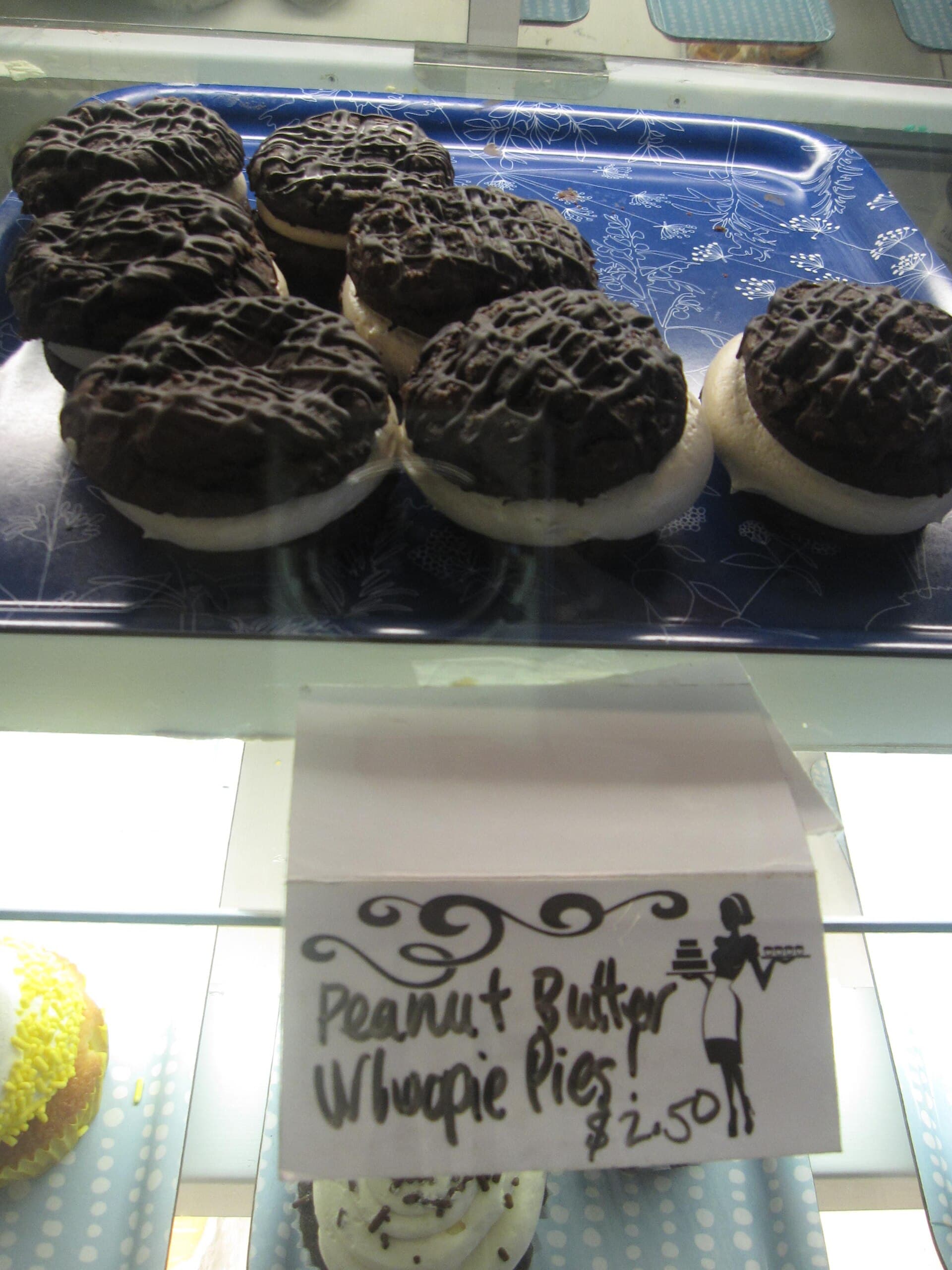
1920s-present
Whoopie Pies are traditional New England treats featuring two soft chocolate or cake-like cookies sandwiching a fluffy sweet cream filling. Popular across generations, these desserts are a regional icon representing Northeastern American baking traditions.