
Recipe archive
Loading
Setting the table...
Fetching the latest recipes from the archive.
Loading
Fetching the latest recipes from the archive.
Recipe archive
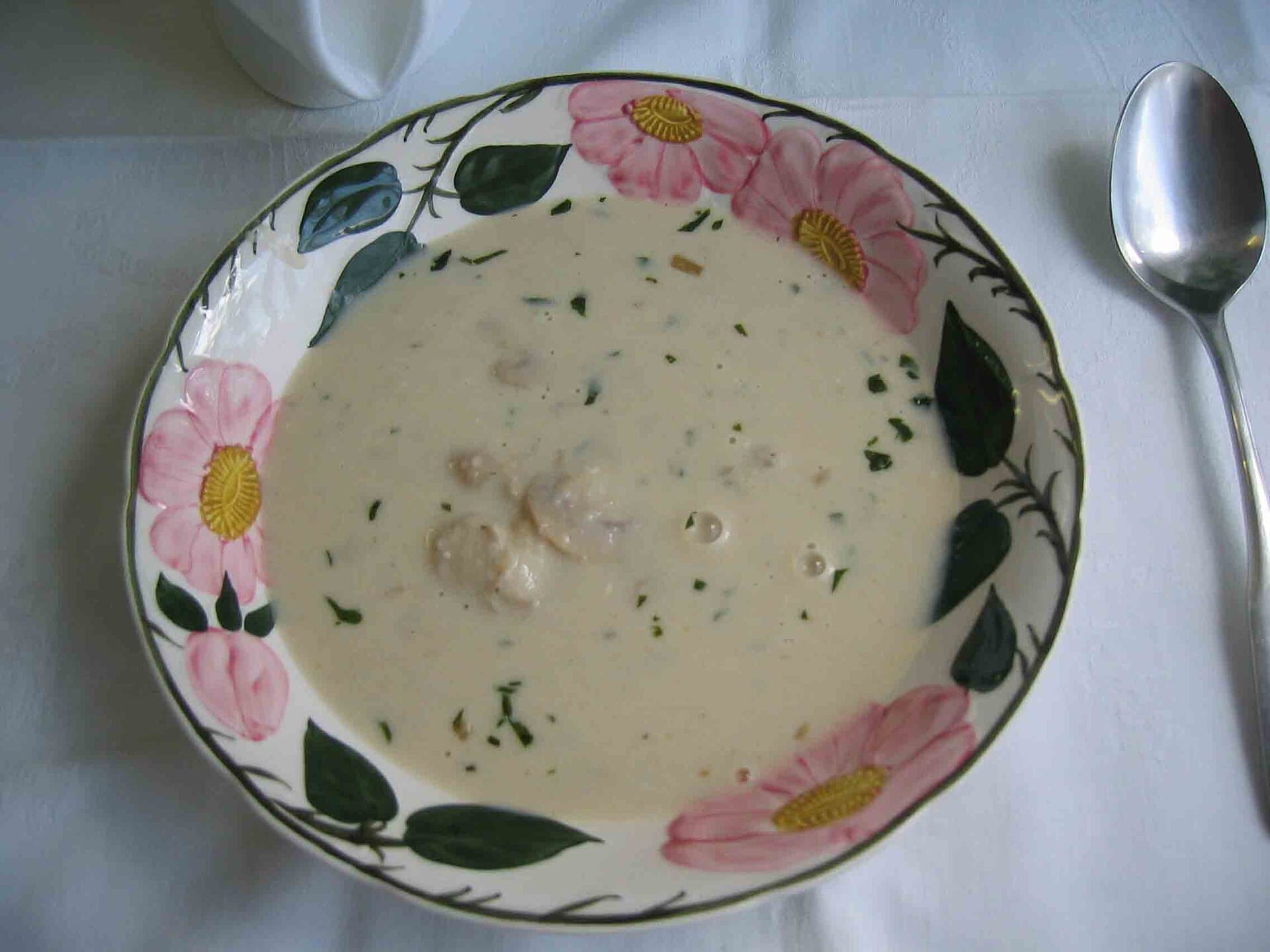
1900-1929 - Pacific Northwest home cooks and foragers
Mushroom Soup is a comforting dish featuring the diverse wild and cultivated mushrooms found in the Pacific Northwest, combined with broth and cream for a rich flavor. It celebrates the region's natural bounty and forest-to-table traditions.
Community-powered photos. Reviewers can upload dish photos, and the highest-rated community image may be featured here.
Difficulty
Medium
Prep time
15 minutes
Cook time
30 minutes
Total time
45 minutes
Servings
4
Region
Pacific Northwest forest and market kitchens
Era introduced
1900-1929
Introduced by
Pacific Northwest home cooks and foragers
Recipe tools
Log in to save this recipe to a collection.
Pacific Northwest mushroom soup draws on the rich variety of indigenous and introduced mushroom species available year-round. This soup became popular as settlers adapted traditional cooking methods incorporating local ingredients. It reflects the blending of native gathering traditions with European cream-based soups, now a beloved regional classic showcasing forest flavors.
Share family changes, regional twists, or pantry-friendly adaptations as full community recipes.
Log in to submit a community recipe.
No community recipes yet. Submitted recipes are published right away.
Rate this recipe and share how it worked at your table.
Log in to review this recipe.
No reviews yet. Be the first to rate this recipe.
Recipes matched by era, region, occasion, ingredients, and cultural roots from the archive.
Same era
America's Melting Pot
American French Dressing photo coming soon
1900s-present
American French Dressing is a dressing with real American table personality: The bright orange-red, sweet, tomatoey bottled dressing Americans call "French." Not very French, very American. It brings flavor from coast-to-coast American tables to cookouts, counters, lunch plates, potlucks, and weeknight suppers.
America's Melting Pot
Apple Pie Shake photo coming soon
1922-present
Apple Pie Shake brings drive-in, carhop, and fast-food dessert-counter energy to the table: Diner pie a la mode in a cup.
America's Melting Pot
Avgolemono Soup photo coming soon
1900-1929
A silky Greek-American chicken, rice, egg, and lemon soup made by tempering eggs into hot broth for a creamy dairy-free finish.
Same region
America's Melting Pot
Air Fryer Salmon photo coming soon
2010-2026
Salmon fillets seasoned simply and air-fried until browned outside and flaky within.
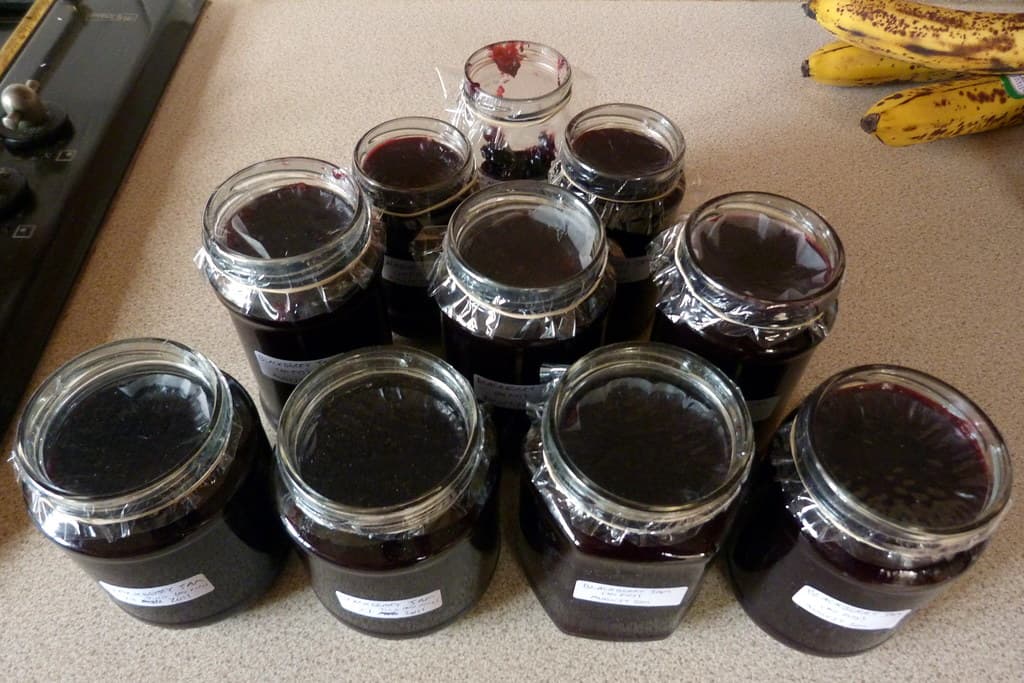
1800s-present
Blackberry Jam is a preserve with real American table personality: Southern, Appalachian, Ozark, and Pacific Northwest tradition. It brings flavor from Appalachia and Pennsylvania Dutch country to cookouts, counters, lunch plates, potlucks, and weeknight suppers.
America's Melting Pot
Cherry Barbecue Sauce photo coming soon
1980s-present
Cherry Barbecue Sauce is a barbecue sauce with real American table personality: Michigan, Pacific Northwest, and modern smoked-meat applications. It brings flavor from the Midwest and Great Lakes to cookouts, counters, lunch plates, potlucks, and weeknight suppers.
Same table
America's Melting Pot
Chicken a la King photo coming soon
1890-2026
Tender chicken and mushrooms in a rich cream sauce with pimentos and sherry, served over toast, pastry shells, rice, or biscuits.
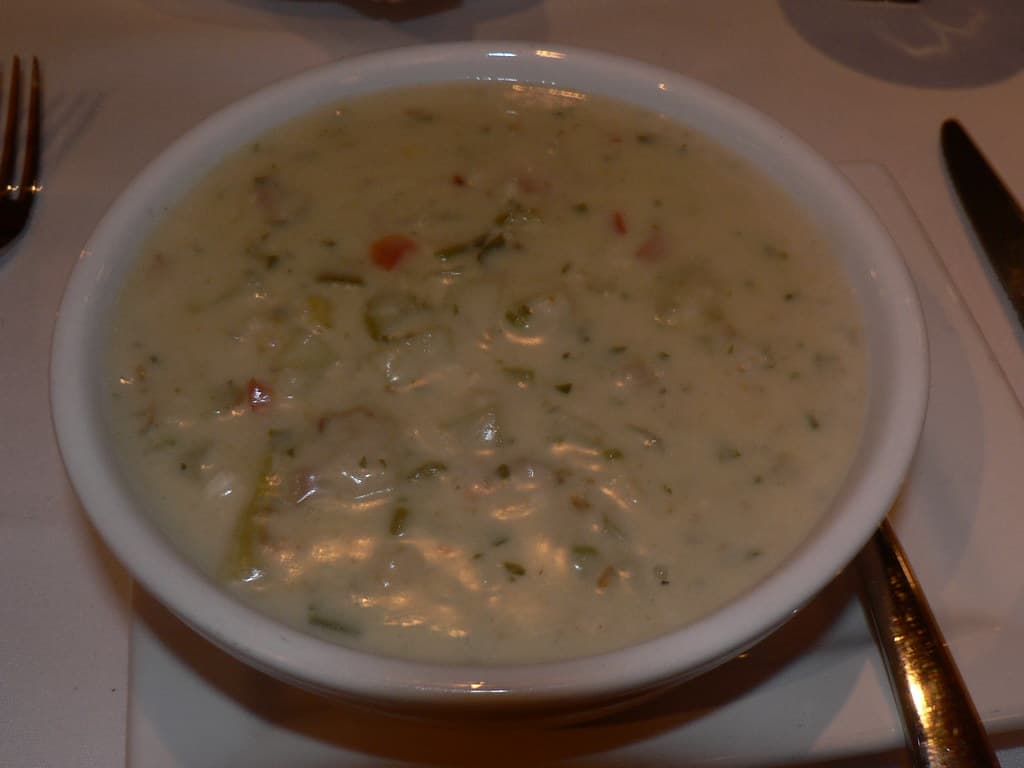
1776-1800
New England Clam Chowder is a thick, creamy soup made with clams, potatoes, onions, and often salt pork, reflecting colonial and maritime culinary traditions dating to the late 18th century. It is a signature dish of New England and has spread to other coastal regions including the Pacific Northwest.
America's Melting Pot
North Dakota Knoephla Soup photo coming soon
2010-2026
Knoephla Soup is a comforting creamy dumpling soup tied to German-Russian immigrant heritage in North Dakota and the Upper Midwest. Featuring small dough dumplings simmered in a savory broth with potatoes and often chicken, this regional icon offers rich fusion flavors representative of immigrant adaptation and local ingredients.