
Recipe archive
Loading
Setting the table...
Fetching the latest recipes from the archive.
Loading
Fetching the latest recipes from the archive.
Recipe archive
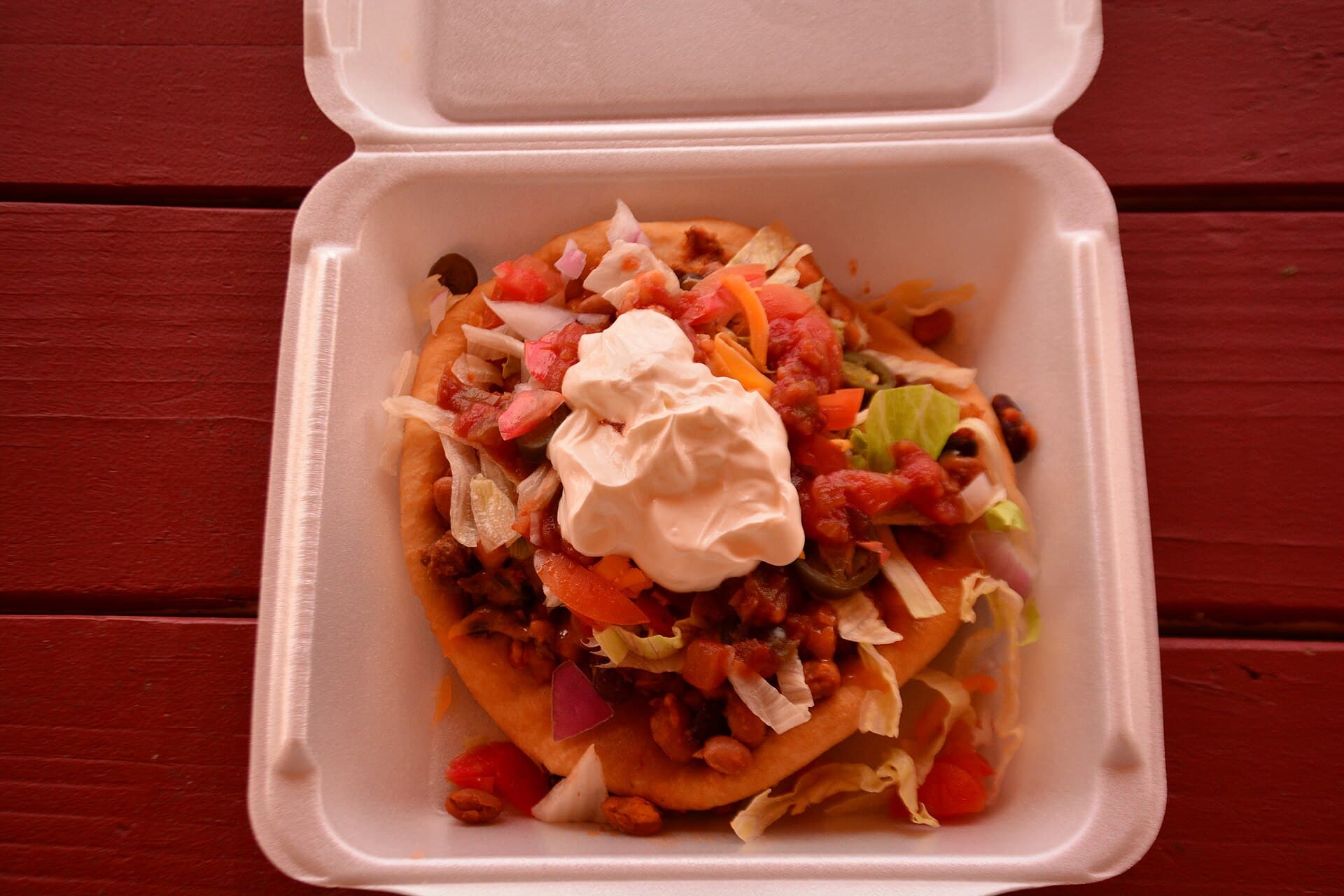
1861-1900 - Navajo and Southwestern communities adapting Mexican and American dishes
Navajo Tacos consist of a base of traditional fry bread topped with seasoned ground beef or beans, lettuce, tomatoes, cheese, and salsa. This dish embodies the fusion of Indigenous bread-making with Mexican and American taco ingredients, enjoyed widely in Southwestern and Southern U.S. regions.
Community-powered photos. Reviewers can upload dish photos, and the highest-rated community image may be featured here.
Difficulty
Medium
Prep time
20 minutes
Cook time
15 minutes
Total time
35 minutes
Servings
4
Region
Dine communities in Arizona, New Mexico, and Utah
Era introduced
1861-1900
Introduced by
Navajo and Southwestern communities adapting Mexican and American dishes
Recipe tools
Log in to save this recipe to a collection.
Navajo Tacos emerged from the creative use of fry bread by Indigenous peoples combined with accessible taco toppings from Mexican-American cuisine. It spread through Southwestern and some Southern communities as a hearty meal representing cultural blending and adaptation. Often served at fairs and community gatherings, it remains a beloved emblem of regional fusion food traditions.
Share family changes, regional twists, or pantry-friendly adaptations as full community recipes.
Log in to submit a community recipe.
No community recipes yet. Submitted recipes are published right away.
Rate this recipe and share how it worked at your table.
Log in to review this recipe.
No reviews yet. Be the first to rate this recipe.
Recipes matched by era, region, occasion, ingredients, and cultural roots from the archive.
Same era
America's Melting Pot
Army Bean Soup photo coming soon
1861-1900
A hearty military-style bean soup built on navy beans, smoked ham hock, onion, celery, carrot, and bay leaf, adapted for a home pot from large-batch service traditions.
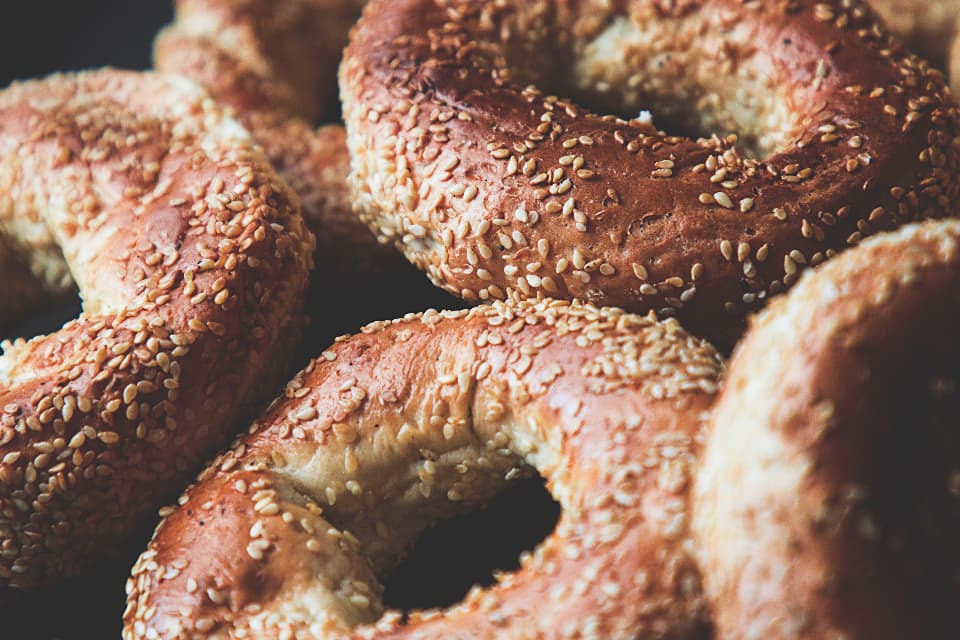
1861-1900
A basic homemade bagel recipe using high-protein flour, malt or brown sugar, a short boil, and a hot bake for chewy New York-style results.
America's Melting Pot
Bagels with Schmear photo coming soon
1861-1900
A deli-style bagel with a thick schmear of plain or scallion cream cheese, with optional onion, capers, tomato, and cucumber.
Same region
America's Melting Pot
Blue Corn Mush photo coming soon
precontact-present
Blue corn mush is a Din? and Southwestern Indigenous staple made from roasted blue cornmeal, water, and juniper ash. The ash is not a gimmick: it contributes minerals and helps unlock nutrients in the corn.
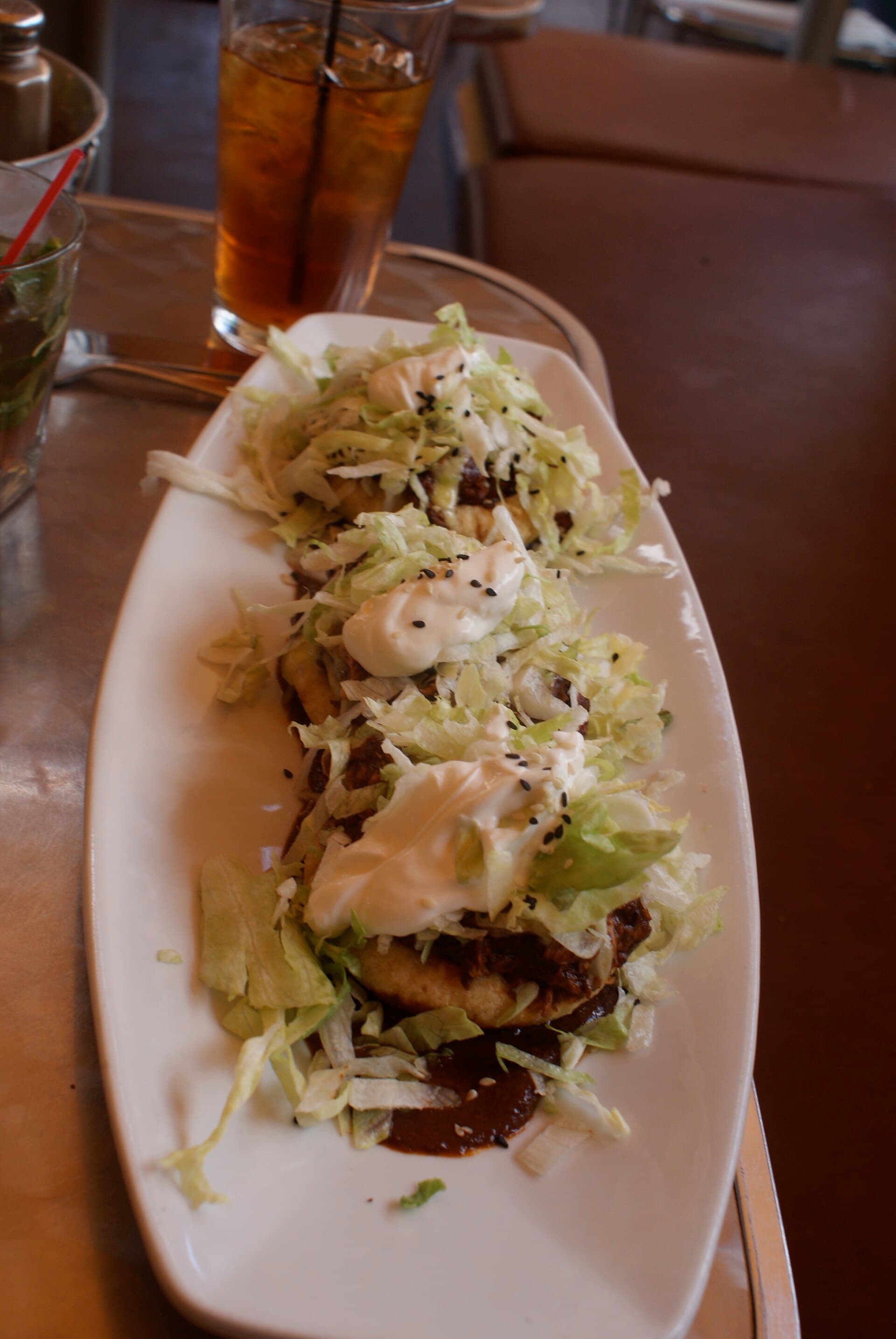
20th century-present
Indian tacos combine Native American frybread with taco toppings, reflecting a fusion of Mexican-American culinary influence and Indigenous food traditions in the Great Plains. This dish has evolved cross-era, maintaining cultural significance and popularity across generations.
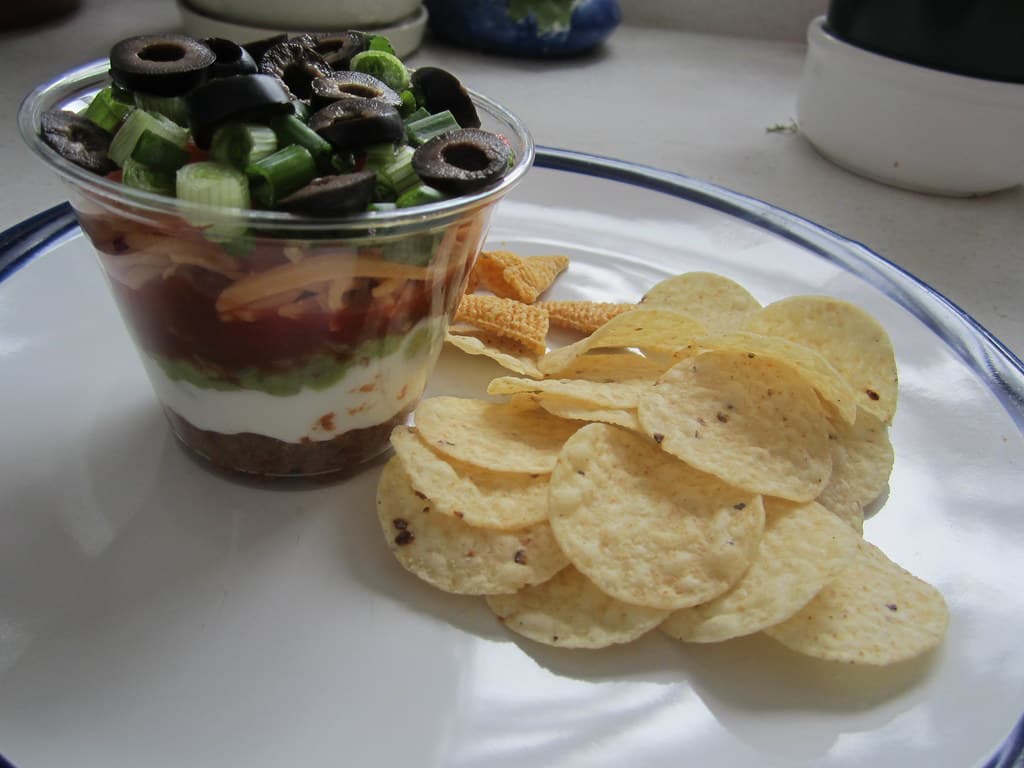
1900s-present
7-Layer Dip is a party dip with real American table personality: Tex-Mex party dish. It brings flavor from Texas and the Southwest to cookouts, counters, lunch plates, potlucks, and weeknight suppers.
Same table
America's Melting Pot
Hawaiian Plate Lunch photo coming soon
2010-2026
The Hawaiian plate lunch is a popular meal combining rice, macaroni salad, and a main protein such as teriyaki chicken or kalua pork. It embodies Hawaii's multicultural culinary influences and is a favored casual dining staple in contemporary Hawaiian food culture.
America's Melting Pot
Enchiladas photo coming soon
1800-1860
Classic enchiladas consist of rolled corn tortillas filled with seasoned fillings and covered in chili sauce and cheese. Rooted in Mexican and Spanish borderlands cuisine, enchiladas evolved in the American Southwest during the 19th century blending indigenous and European influences into a favorite regional dish.
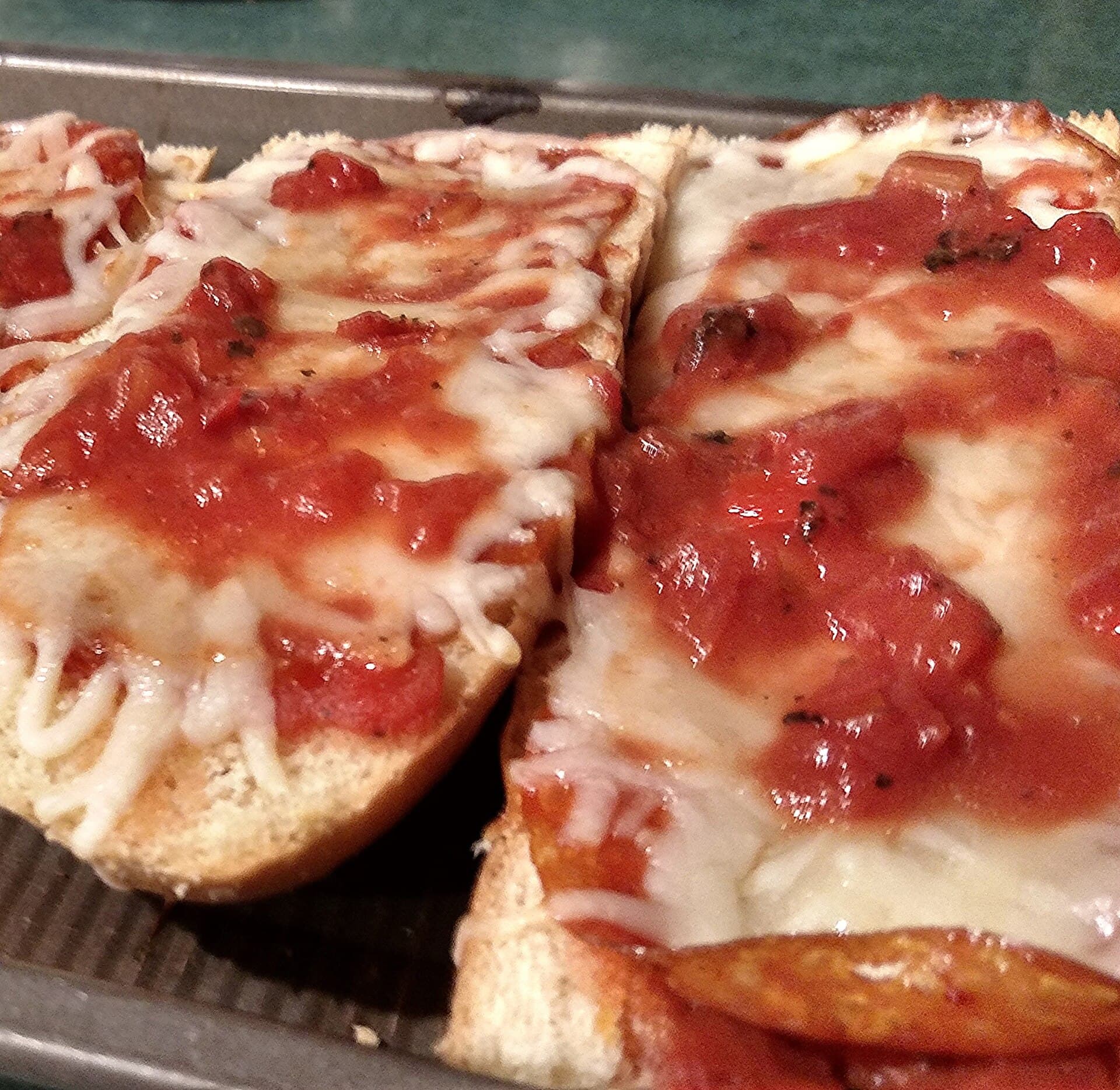
1960s-present
French bread pizza features pizza toppings applied to sliced French bread instead of traditional pizza dough. This quick and adaptable dish became popular in American home kitchens as a convenient way to satisfy pizza cravings.