
Recipe archive
Loading
Setting the table...
Fetching the latest recipes from the archive.
Loading
Fetching the latest recipes from the archive.
Recipe archive
America's Melting Pot
Blue Corn Mush hero image coming soon
Native Foodways and Continuity - Din? and Southwestern Indigenous cooks using blue corn and juniper ash
Blue corn mush is a Din? and Southwestern Indigenous staple made from roasted blue cornmeal, water, and juniper ash. The ash is not a gimmick: it contributes minerals and helps unlock nutrients in the corn.
No featured photo yet. Upload a photo with your review. The highest-rated community photo may become this recipe's hero image.
Difficulty
Easy
Prep time
5 minutes
Cook time
15 minutes
Total time
20 minutes
Servings
4 servings
Region
Dine, Hopi, Pueblo, and other Southwest Native communities
Era introduced
Native Foodways and Continuity
Introduced by
Din? and Southwestern Indigenous cooks using blue corn and juniper ash
Recipe tools
Log in to save this recipe to a collection.
Blue corn mush is a simple dish with deep food science. Navajo cooks traditionally combine blue cornmeal with juniper ash and water, making a porridge that is warming, sustaining, and mineral-rich. The ash raises alkalinity in a way related to nixtamalization, improving access to nutrients in corn. This entry remains grounded in Native-authored sources and treats the dish as more than a colorful polenta.
Share family changes, regional twists, or pantry-friendly adaptations as full community recipes.
Log in to submit a community recipe.
No community recipes yet. Submitted recipes are published right away.
Rate this recipe and share how it worked at your table.
Log in to review this recipe.
No reviews yet. Be the first to rate this recipe.
Recipes matched by era, region, occasion, ingredients, and cultural roots from the archive.
Same era
precontact-present
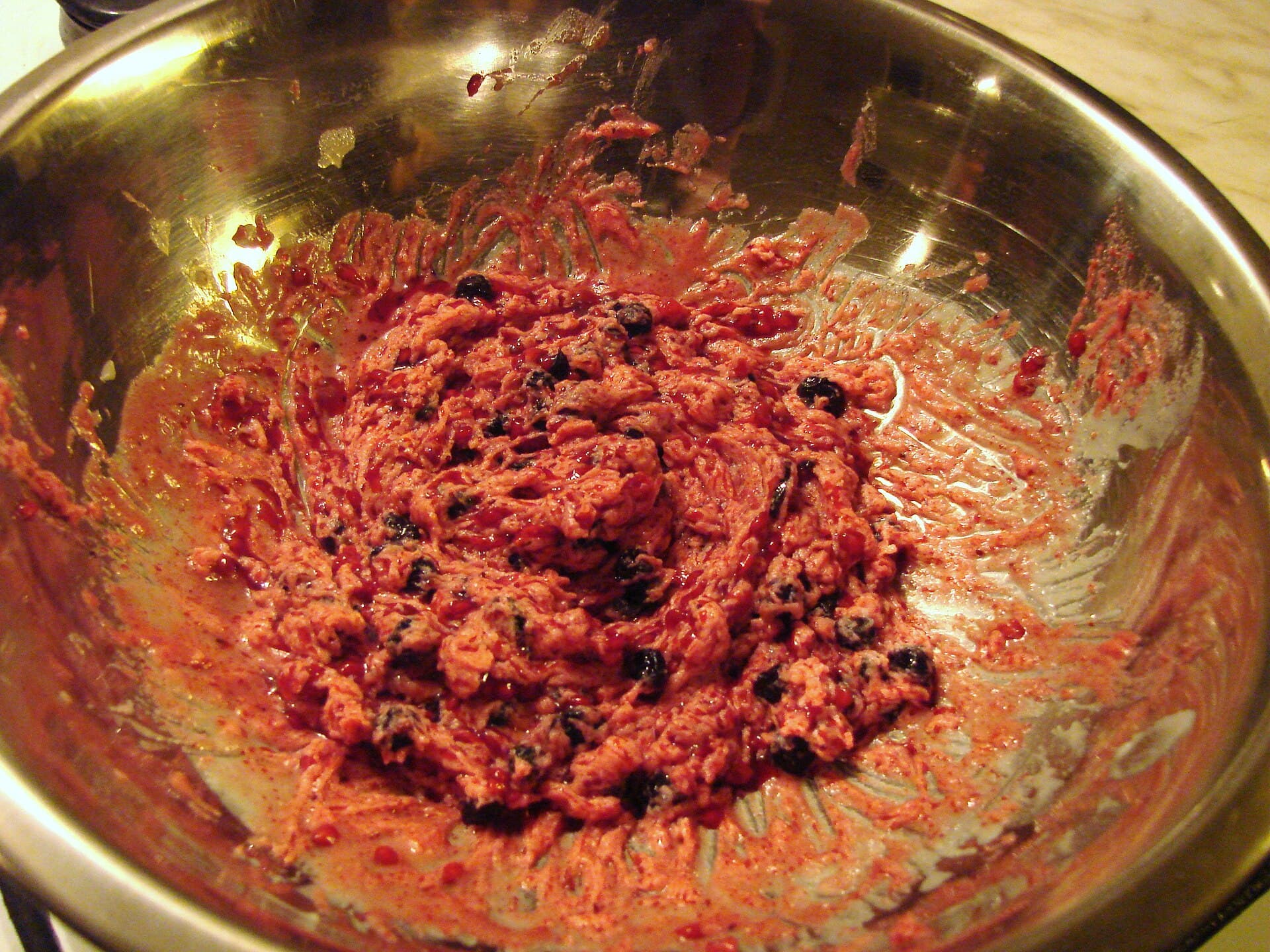
A researched archive entry for akutaq, a family- and region-specific Alaska Native mixed fat-and-berry dish often translated as Alaska Native ice cream.
America's Melting Pot
Alaska Grilled Whale Steak photo coming soon
precontact-present
This archive entry records grilled whale steak as part of Alaska Native subsistence food history, with a clear note that lawful access is governed by cultural rights, conservation rules, and marine mammal law.
precontact-present
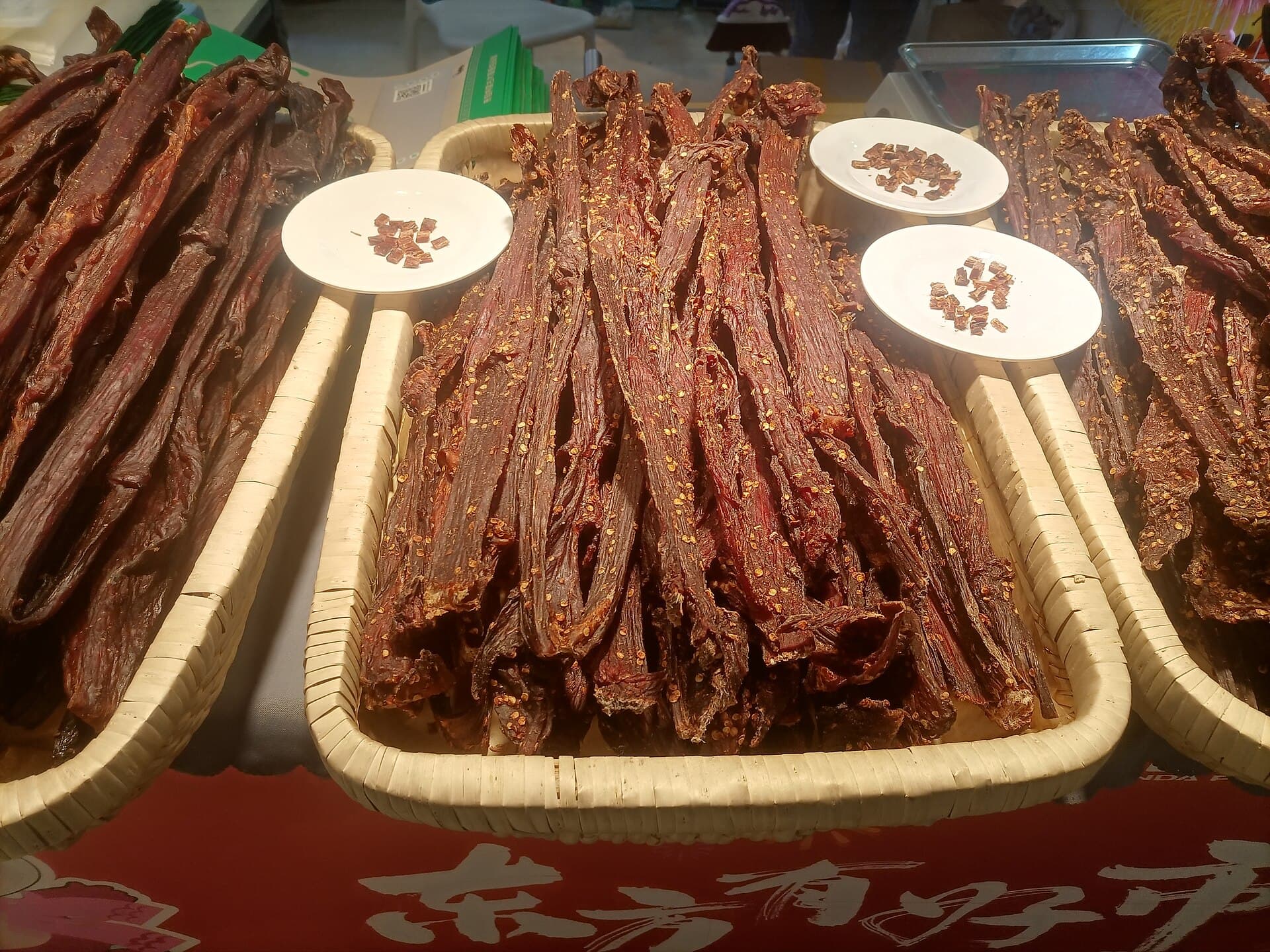
Jerky is preservation food before it is snack food. Indigenous drying traditions, pemmican, pioneer travel, soldiers, cowboys, and later road-trip convenience all helped make dried meat part of American food culture.
Same region
1864/20th century-present
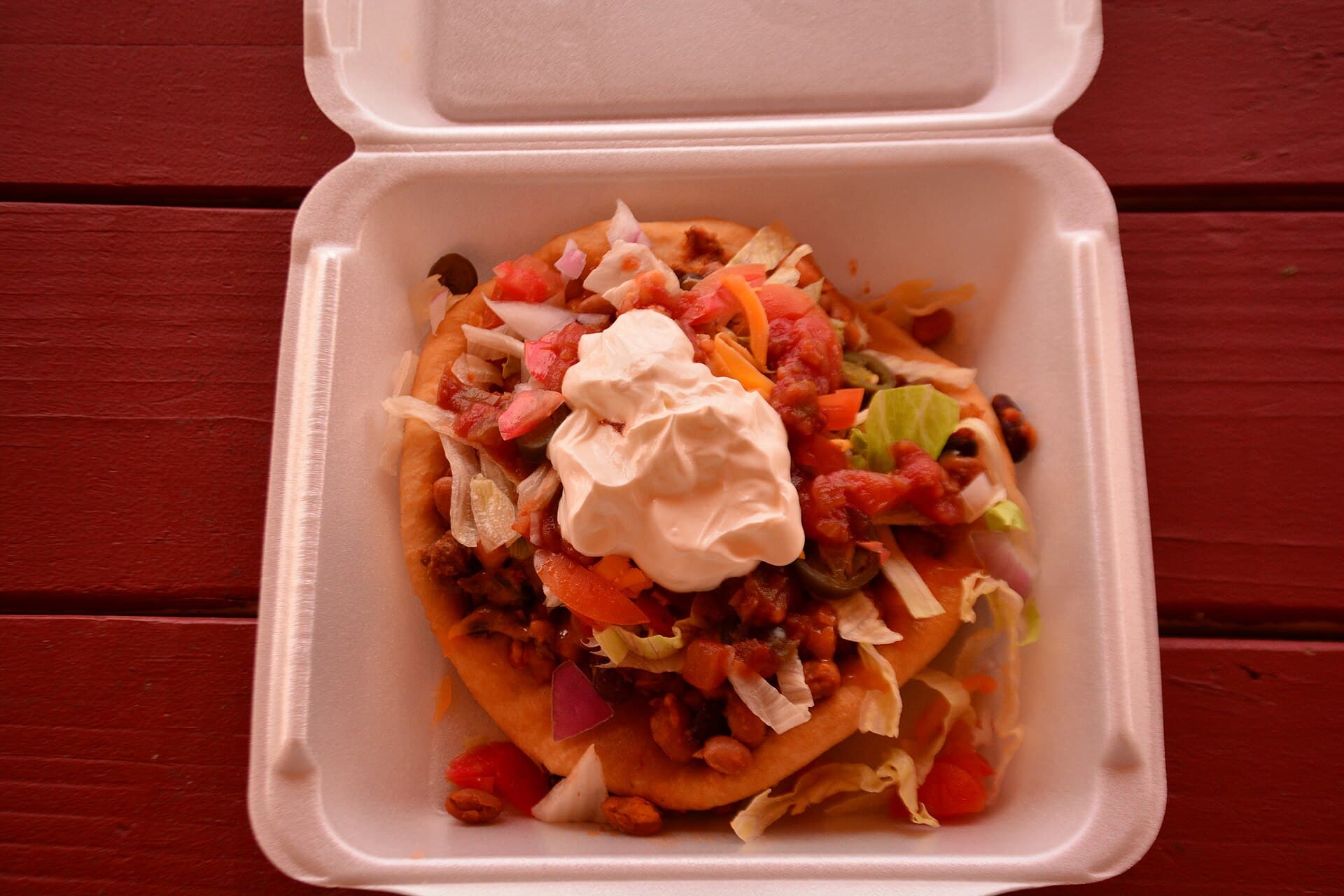
Navajo Tacos consist of a base of traditional fry bread topped with seasoned ground beef or beans, lettuce, tomatoes, cheese, and salsa. This dish embodies the fusion of Indigenous bread-making with Mexican and American taco ingredients, enjoyed widely in Southwestern and Southern U.S. regions.
20th century-present
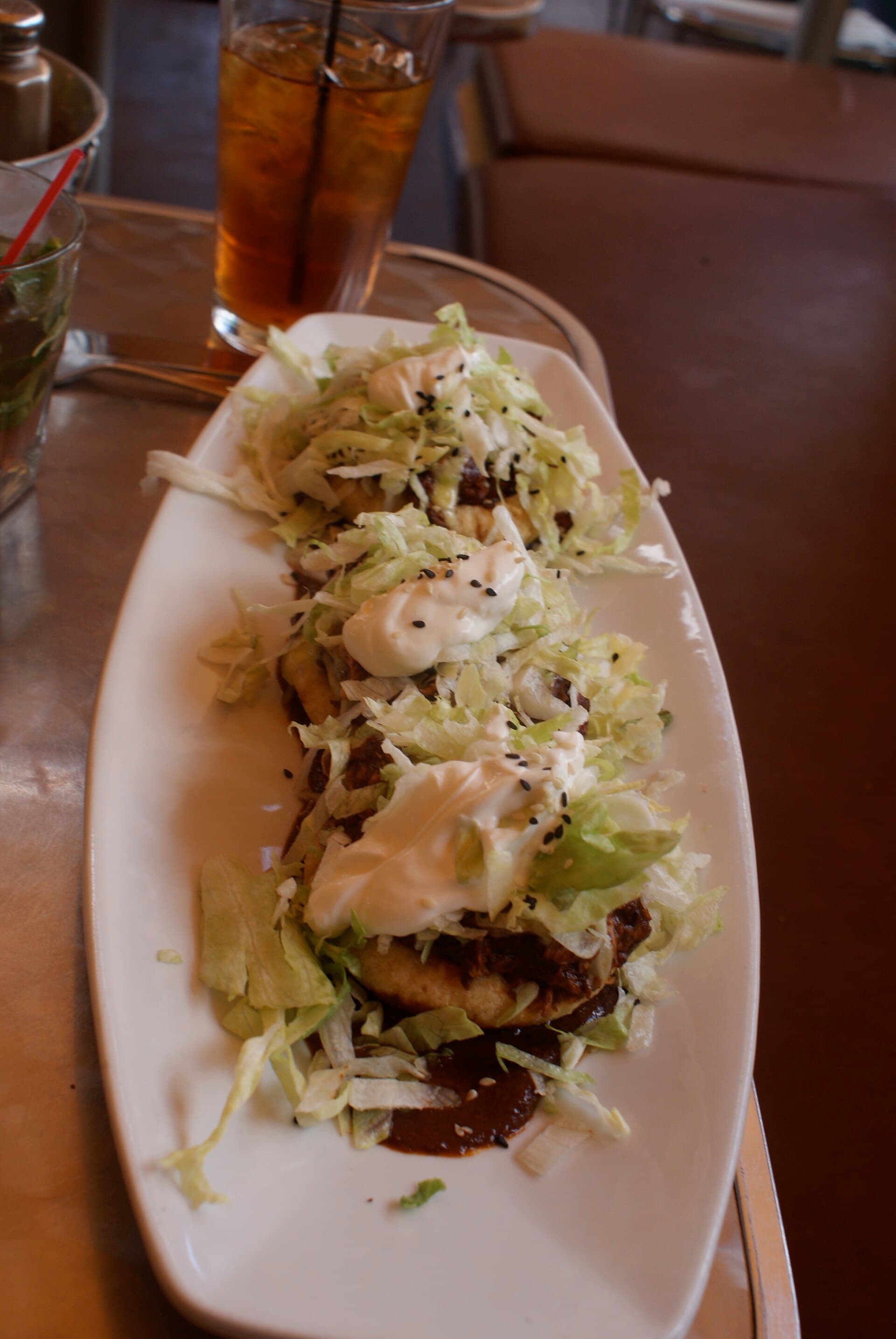
Indian tacos combine Native American frybread with taco toppings, reflecting a fusion of Mexican-American culinary influence and Indigenous food traditions in the Great Plains. This dish has evolved cross-era, maintaining cultural significance and popularity across generations.
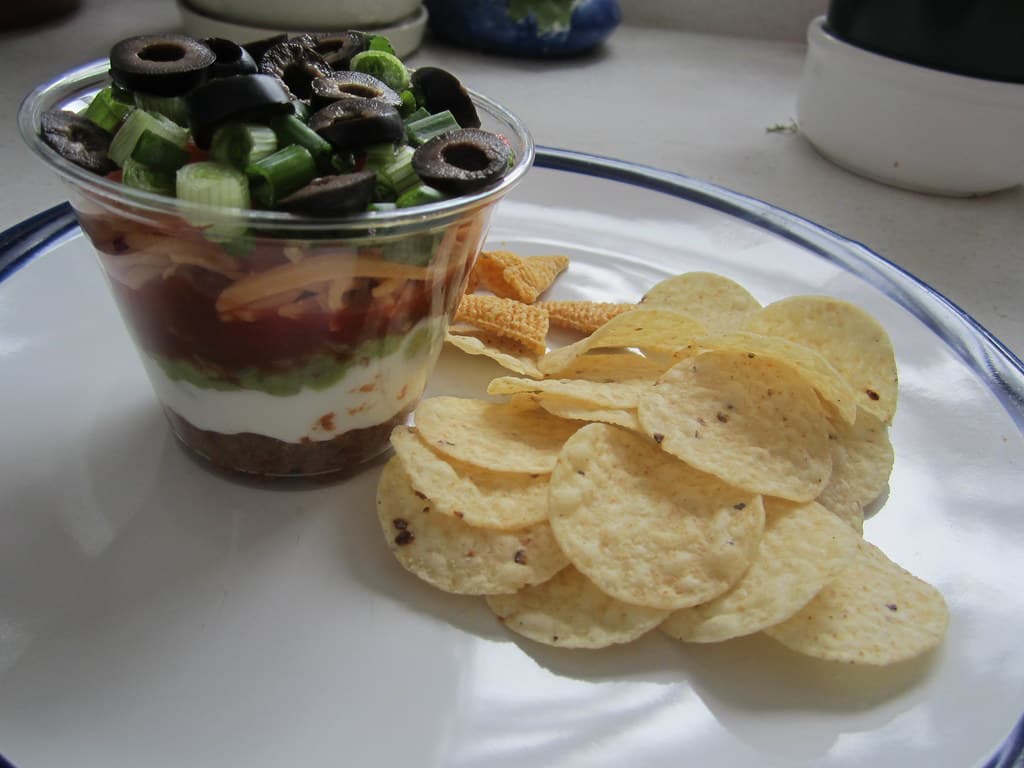
1900s-present
7-Layer Dip is a party dip with real American table personality: Tex-Mex party dish. It brings flavor from Texas and the Southwest to cookouts, counters, lunch plates, potlucks, and weeknight suppers.
Same table
America's Melting Pot
Cornmeal Mush photo coming soon
1800-1860
Cornmeal mush is a soft, cooked porridge made from cornmeal boiled in water or milk, often served sliced and fried or with syrup, common in Appalachian diets before and through the Civil War.
America's Melting Pot
Ash Cakes photo coming soon
1776-1800
A plain cornmeal-and-water ash cake inspired by Revolutionary-era field cooking, adapted for a skillet or campfire with salt and a little fat for modern eatability.
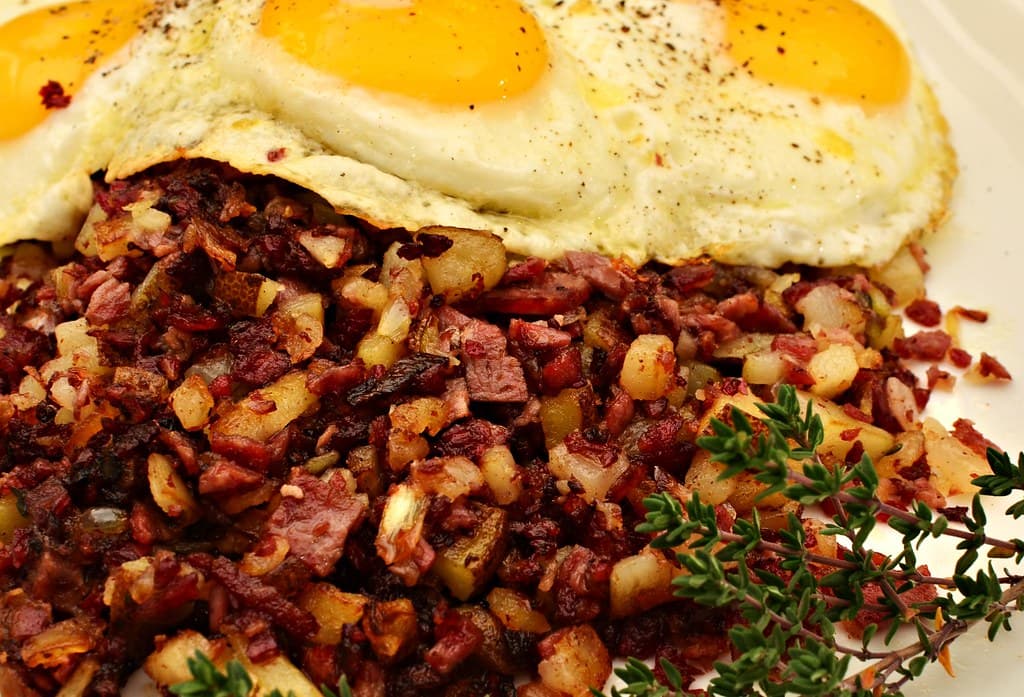
1900s-present
Corned beef hash is a simple blend of chopped corned beef, potatoes, and onions, pan-fried to a crispy breakfast dish popular on the World War II home front.