
Recipe archive
Loading
Setting the table...
Fetching the latest recipes from the archive.
Loading
Fetching the latest recipes from the archive.
Recipe archive
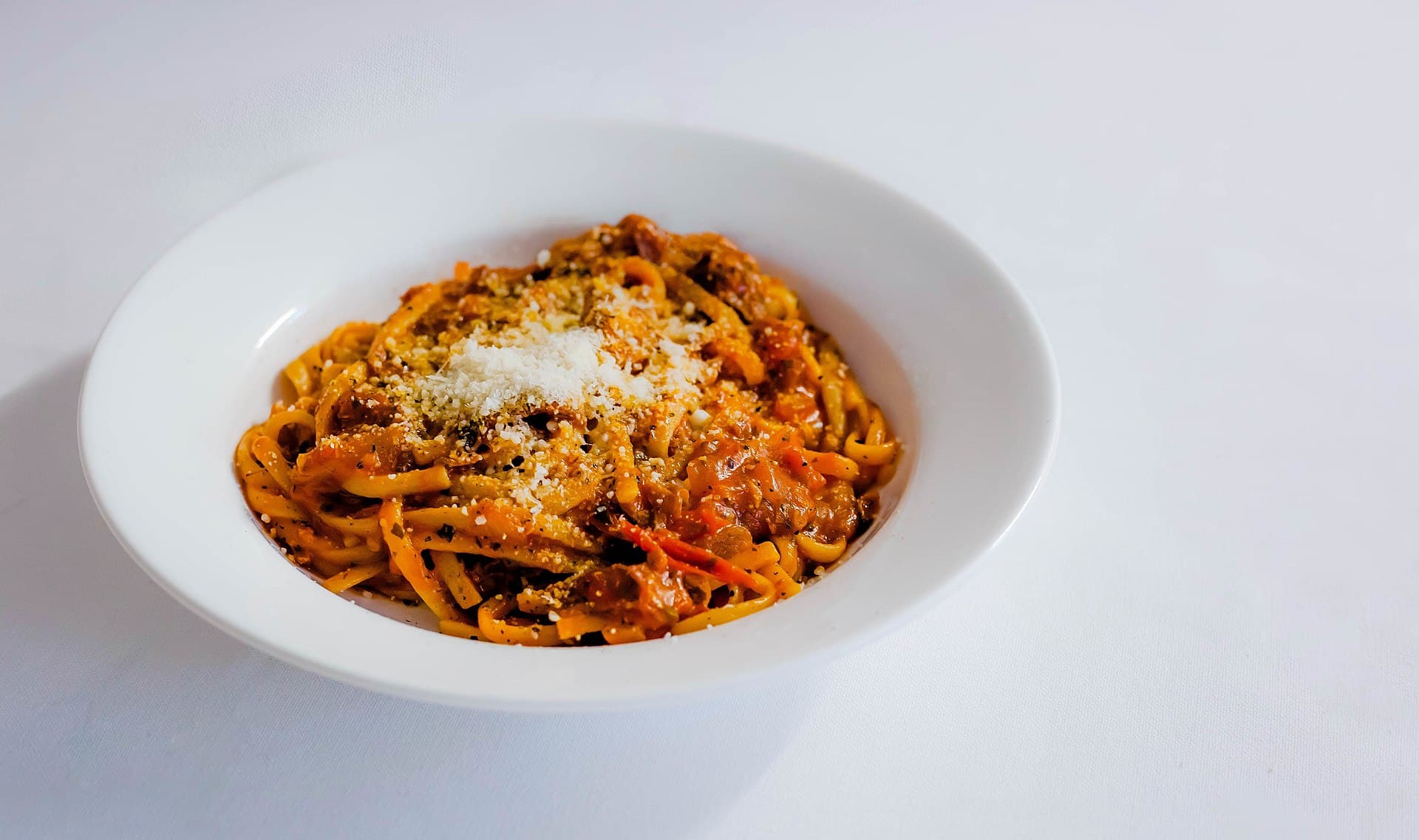
2010-2026 - Modern American home cooks influenced by food media and viral trends.
One-Pot Pasta is a convenient, popular recipe where pasta cooks simultaneously with sauce ingredients in one pot, minimizing cleanup. Gaining viral popularity in the 2010s, it reflects modern American cooking preferences for fast, flavorful meals with minimal effort, suited to kitchen gadgets and contemporary life.
Community-powered photos. Reviewers can upload dish photos, and the highest-rated community image may be featured here.
Difficulty
Easy
Prep time
5 minutes
Cook time
15 minutes
Total time
20 minutes
Servings
4
Region
New York Martha Stewart Living food-media test kitchens
Era introduced
2010-2026
Introduced by
Modern American home cooks influenced by food media and viral trends.
Recipe tools
Log in to save this recipe to a collection.
Emerging in the 2010s, One-Pot Pasta recipes quickly gained viral attention online for their ease and minimal cleanup. The method involves adding dry pasta, liquid, and sauce ingredients to a single pot and cooking them simultaneously, reducing time and effort. This approach epitomizes modern American cooking influenced by technology, social media, and changing lifestyles, bridging convenience with flavorful, home-cooked meals.
Share family changes, regional twists, or pantry-friendly adaptations as full community recipes.
Log in to submit a community recipe.
No community recipes yet. Submitted recipes are published right away.
Rate this recipe and share how it worked at your table.
Log in to review this recipe.
No reviews yet. Be the first to rate this recipe.
Recipes matched by era, region, occasion, ingredients, and cultural roots from the archive.
Same era
America's Melting Pot
Air Fryer Brussels Sprouts photo coming soon
2010s-present
Trimmed Brussels sprouts air-fried with a little oil until crisp at the edges and tender in the center.
America's Melting Pot
Air Fryer Cheese Curds photo coming soon
2010-2026
Fresh cheese curds coated in seasoned panko, chilled, and air-fried until crisp outside and molten inside.
America's Melting Pot
Air Fryer Chicken Tenders photo coming soon
2010s-present
Chicken tenderloins coated in seasoned crumbs and air-fried until crisp, juicy, and safely cooked to 165 degrees F.
Same region
1894-present
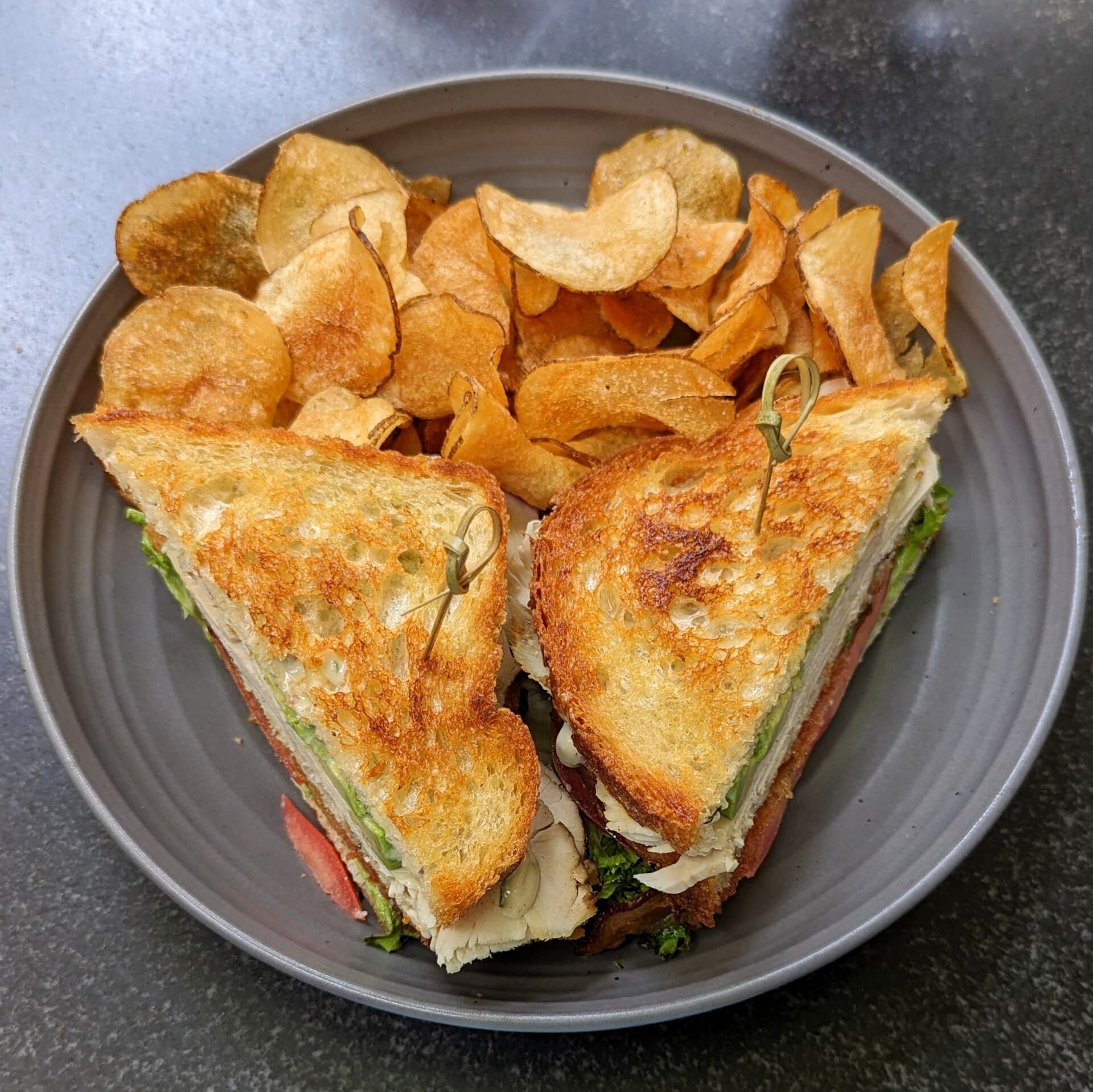
The Club Sandwich is a layered triple-decker sandwich featuring sliced turkey or chicken, crispy bacon, lettuce, tomato, and mayonnaise on toasted bread. It first appeared in American diners and lunch counters during the early 20th century and quickly became popular as a convenient, filling meal. The Club reflects immigrant dining hall influences and the rise of urban lunch culture, notably served at state fairs and public eateries.
America's Melting Pot
Coleslaw photo coming soon
1600s-present
Coleslaw is a popular American salad made from shredded cabbage and carrots tossed in a creamy mayonnaise-based dressing. It became widespread in the postwar period as a favorite side for barbecues, picnics, and holidays such as the Fourth of July. Refreshing and versatile, coleslaw complements grilled meats and sandwiches in American backyard dining traditions.
America's Melting Pot
Concession Stand Hot Dogs photo coming soon
1867-present
Concession stand hot dogs are simple, affordable sandwiches featuring cooked frankfurter sausages in a soft bun, often topped with mustard, ketchup, onions, or relish. They have been a ubiquitous American food at schools, sports events, and fairs across multiple eras. These hot dogs reflect practical street and event food culture, offering quick nourishment and familiar flavors to all ages.
Same table
America's Melting Pot
Elk Burgers photo coming soon
1900s-present
Elk Burgers offer a lean and flavorful alternative to traditional beef, made popular in hunting and cabin contexts. The ground elk meat is seasoned and grilled or pan-fried, served in sandwich form, representing a connection to American hunting and outdoor culinary traditions.
America's Melting Pot
Wisconsin Butter Burger photo coming soon
2010-2026
The Wisconsin Butter Burger features a juicy beef patty topped with butter and cheese on a bun, popularized by regional food trucks and new American fusion cuisine in recent years. Known for its rich, indulgent flavor, this burger reflects Midwestern culinary pride and inventive fast food culture post-2010.
America's Melting Pot
Cornbread and Beans photo coming soon
1930s-present
Cornbread and beans was a nutritional and affordable meal staple during the Great Depression, combining inexpensive ingredients to create a filling dish. Beans, often pinto or kidney varieties, provided protein and fiber, while cornbread offered a comforting starch. This pairing sustained many American families through economic hardship and is now a symbolic representation of depression-era resourcefulness in foodways.