
Recipe archive
Loading
Setting the table...
Fetching the latest recipes from the archive.
Loading
Fetching the latest recipes from the archive.
Recipe archive
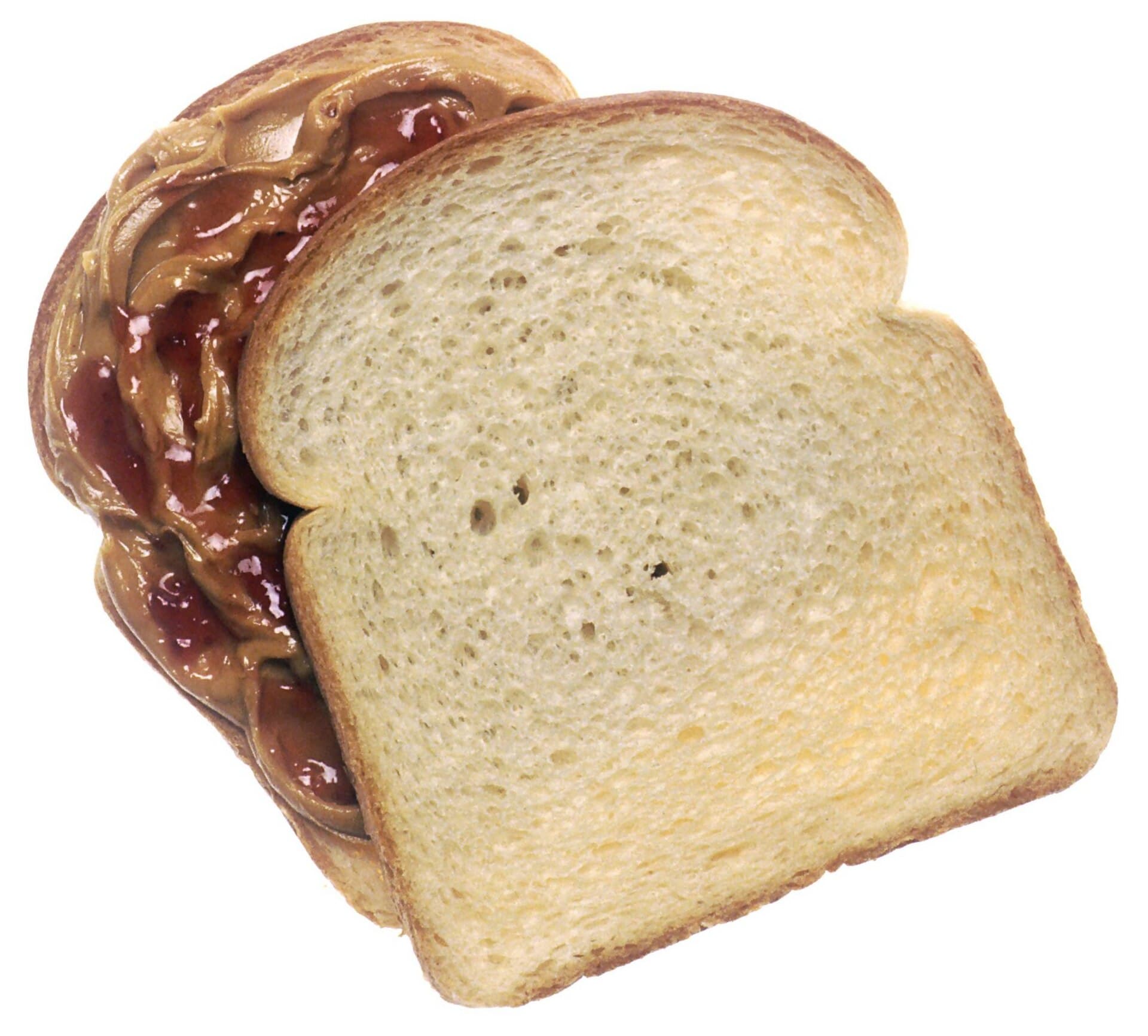
1900-1929 - American suburban families and school cafeteria meal programs
Peanut butter and jelly sandwich is a simple, iconic American lunch made by spreading peanut butter and fruit jelly between slices of bread. Popularized in the mid-20th century, it remains a staple in school lunches and casual meals.
Community-powered photos. Reviewers can upload dish photos, and the highest-rated community image may be featured here.
Difficulty
Easy
Prep time
5 minutes
Cook time
0
Total time
5 minutes
Servings
1 sandwich
Region
Boston, Massachusetts domestic-science kitchens
Era introduced
1900-1929
Introduced by
American suburban families and school cafeteria meal programs
Recipe tools
Log in to save this recipe to a collection.
Peanut butter and jelly sandwiches became widespread in the United States during the post-World War II era when commercially processed spreads became affordable and common. The sandwich is emblematic of mid-20th century suburban childhood lunches, relying on pantry staples for quick and satisfying meals. Its iconic status endures as an easy, protein-rich, and sweet combination culturally associated with American kid-friendly food traditions.
Share family changes, regional twists, or pantry-friendly adaptations as full community recipes.
Log in to submit a community recipe.
No community recipes yet. Submitted recipes are published right away.
Rate this recipe and share how it worked at your table.
Log in to review this recipe.
No reviews yet. Be the first to rate this recipe.
Recipes matched by era, region, occasion, ingredients, and cultural roots from the archive.
Same era
America's Melting Pot
American French Dressing photo coming soon
1900s-present
American French Dressing is a dressing with real American table personality: The bright orange-red, sweet, tomatoey bottled dressing Americans call "French." Not very French, very American. It brings flavor from coast-to-coast American tables to cookouts, counters, lunch plates, potlucks, and weeknight suppers.
America's Melting Pot
Apple Pie Shake photo coming soon
1922-present
Apple Pie Shake brings drive-in, carhop, and fast-food dessert-counter energy to the table: Diner pie a la mode in a cup.
America's Melting Pot
Avgolemono Soup photo coming soon
1900-1929
A silky Greek-American chicken, rice, egg, and lemon soup made by tempering eggs into hot broth for a creamy dairy-free finish.
Same region
America's Melting Pot
Grape Jelly + Peanut Butter photo coming soon
1901-present
Grape Jelly + Peanut Butter is a spread with real American table personality: The PB&J combination itself deserves a recipe/sidebar. It brings flavor from coast-to-coast American tables to cookouts, counters, lunch plates, potlucks, and weeknight suppers.
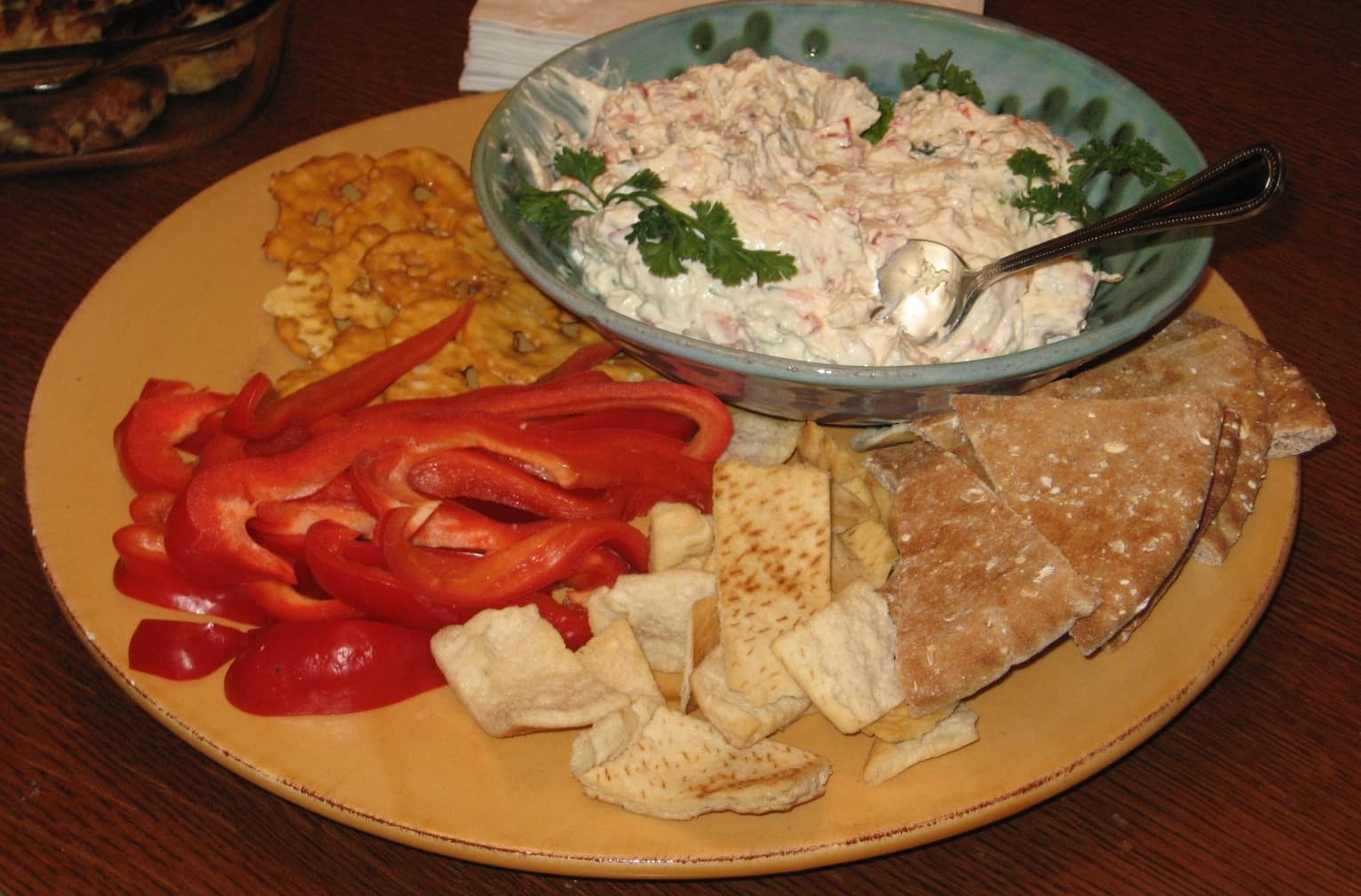
1946-1969
Clam Dip is a creamy, savory appetizer popular in mid-20th-century suburban New England, made with minced clams, cream cheese, mayonnaise, and seasonings. It typifies postwar convenience party foods emphasizing easy preparation and flavorful snacking at cocktail parties and backyard gatherings. The dip captures the era's fascination with frozen and canned seafood products repurposed into casual entertaining dishes.
America's Melting Pot
Acorn Bread photo coming soon
1800-1860
A nutty, lightly sweet quick bread made with properly leached acorn flour, cornmeal, and wheat flour.
Same table
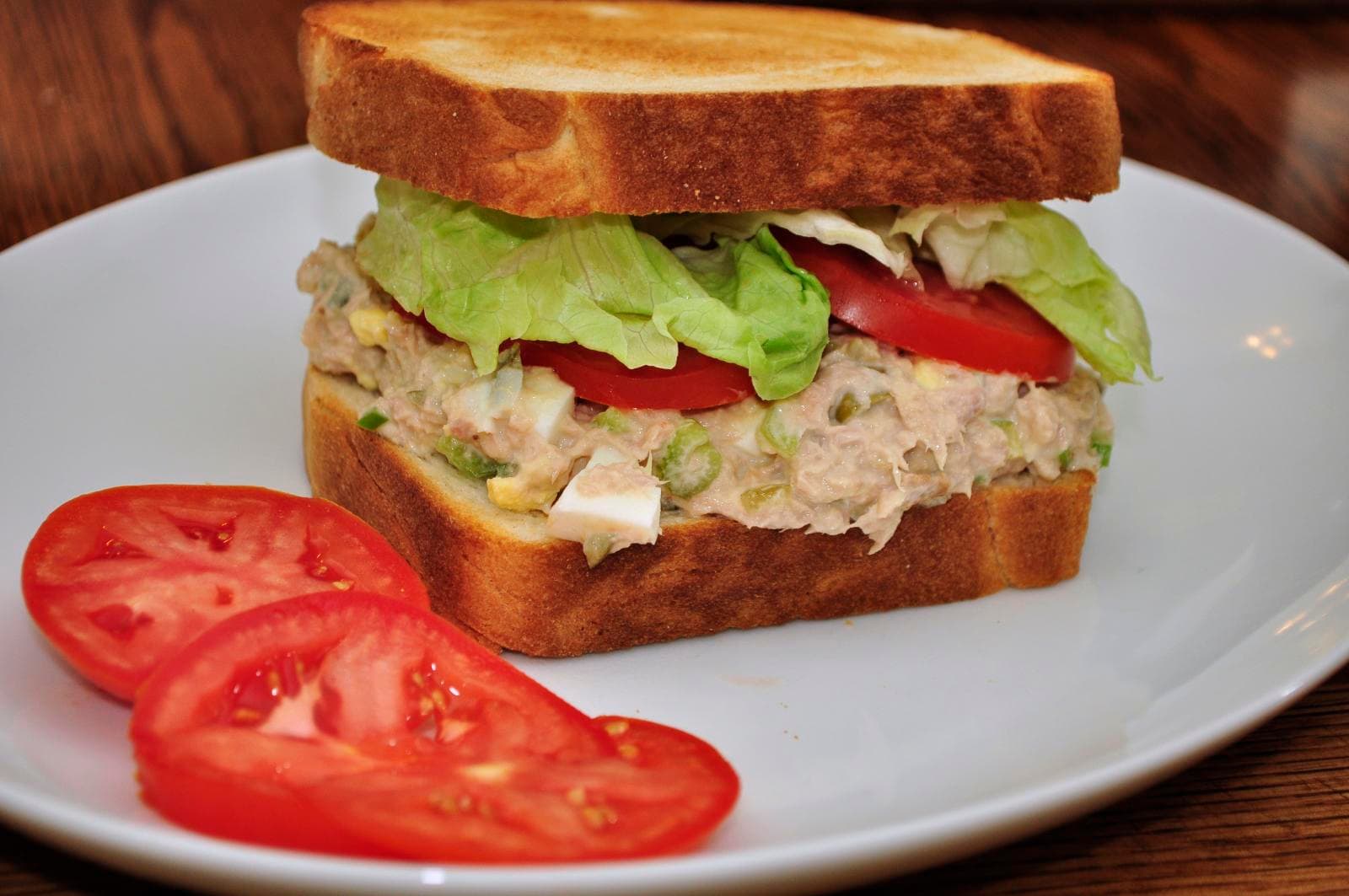
1900s-present
The tuna salad sandwich became a lunchbox staple in the postwar suburban era, combining easy-to-prepare canned tuna with mayonnaise and simple seasonings. It reflects the rise of convenience foods and the growing popularity of packed lunches for children and workers.
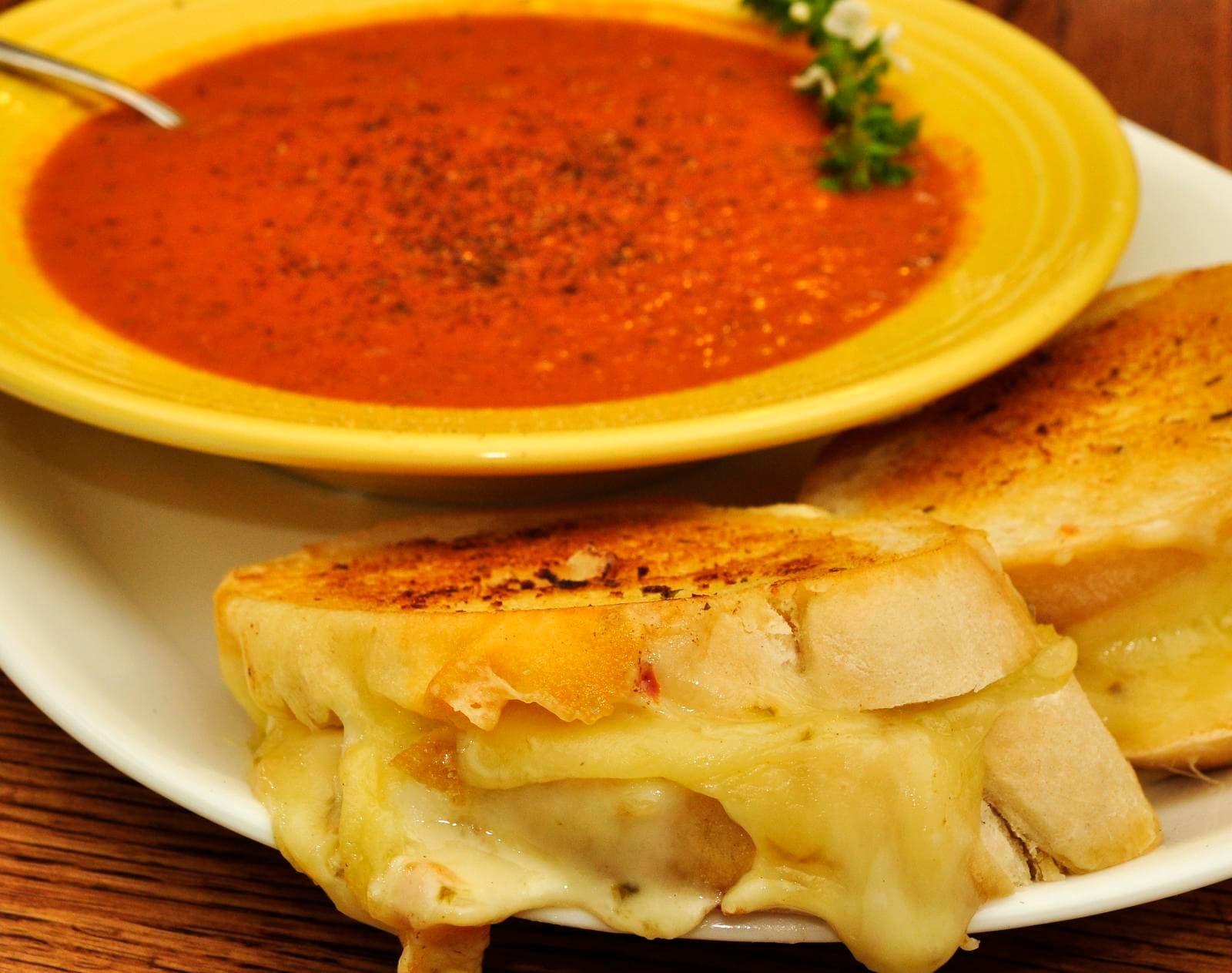
1920s-1950s
Grilled Cheese sandwich rose to prominence after World War II, embodying convenience and childhood comfort food in American households. Featuring melted cheese between buttered toasted bread, it became emblematic of suburban life, lunchboxes, and quick dinners across the United States.
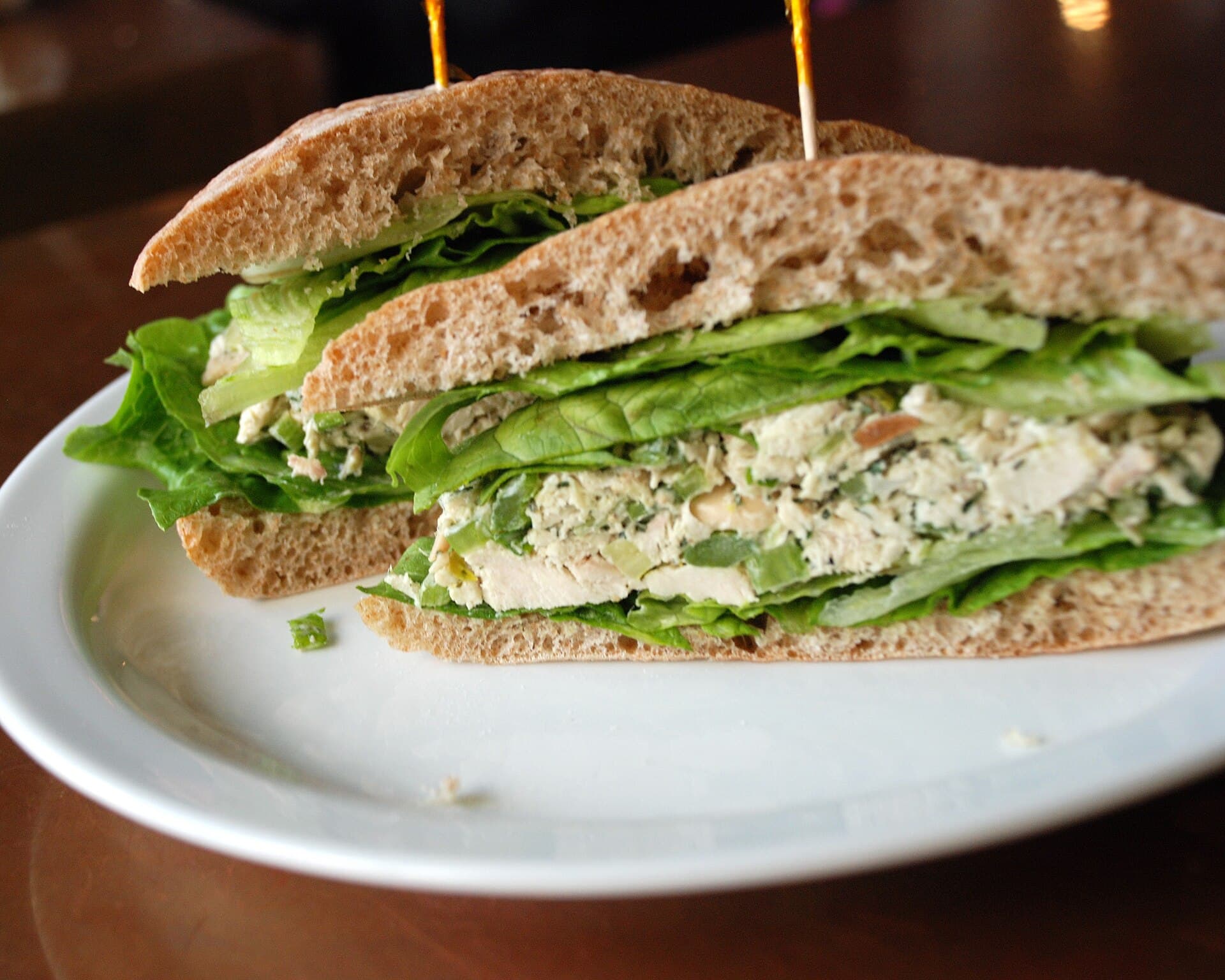
1863-present
Chicken Salad Sandwich features poached chicken combined with mayonnaise and seasonings, served between slices of bread. A staple in diners and lunch counters from 1900 to 1929, it exemplified quick, hearty meals for working-class Americans in immigrant-rich urban centers and became a common offering at state fairs and casual eateries.