
Recipe archive
Loading
Setting the table...
Fetching the latest recipes from the archive.
Loading
Fetching the latest recipes from the archive.
Recipe archive
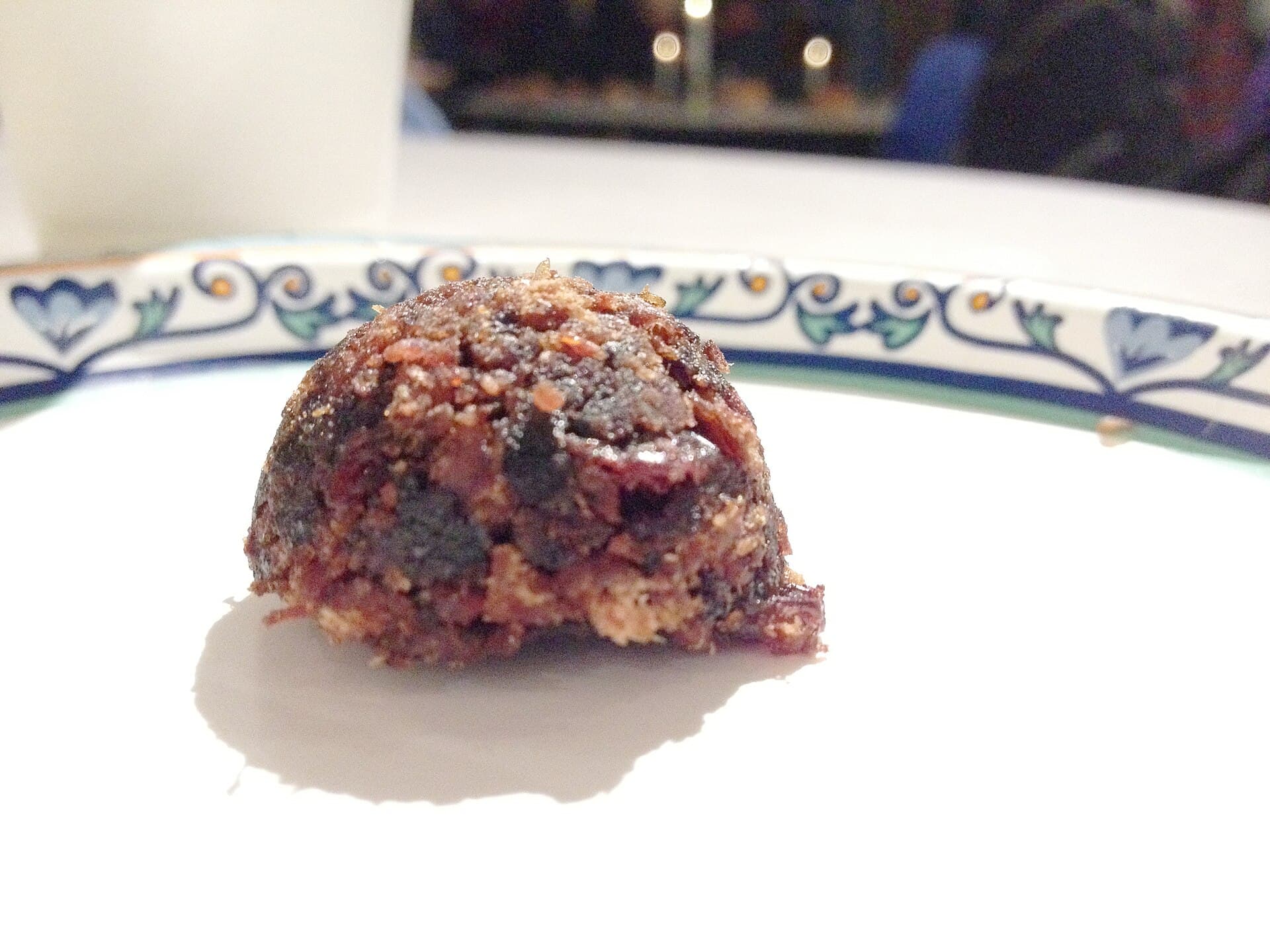
Before 1776 - Indigenous American communities across North America.
Pemmican is a traditional Indigenous American preserved food combining dried meat, rendered fat, and sometimes berries. It served as a portable, nutrient-dense staple for survival and travel across the continent during the 19th century and earlier.
Community-powered photos. Reviewers can upload dish photos, and the highest-rated community image may be featured here.
Difficulty
Hard
Prep time
15 minutes
Cook time
Varies (drying meat time)
Total time
Several hours (drying meat)
Servings
Varies
Region
Native American Plains and Northern prairie preservation
Era introduced
Before 1776
Introduced by
Indigenous American communities across North America.
Recipe tools
Log in to save this recipe to a collection.
Pemmican is a traditional food of Indigenous American peoples, prized for its long shelf life and nutrient density. Made by drying lean meat (often bison or deer), grinding it, and mixing with melted fat and sometimes dried berries, pemmican could sustain people during long journeys, winter months, or times of scarcity. This versatile and enduring food exemplifies deep Indigenous knowledge of preservation and sustenance.
Share family changes, regional twists, or pantry-friendly adaptations as full community recipes.
Log in to submit a community recipe.
No community recipes yet. Submitted recipes are published right away.
Rate this recipe and share how it worked at your table.
Log in to review this recipe.
No reviews yet. Be the first to rate this recipe.
Recipes matched by era, region, occasion, ingredients, and cultural roots from the archive.
Same era
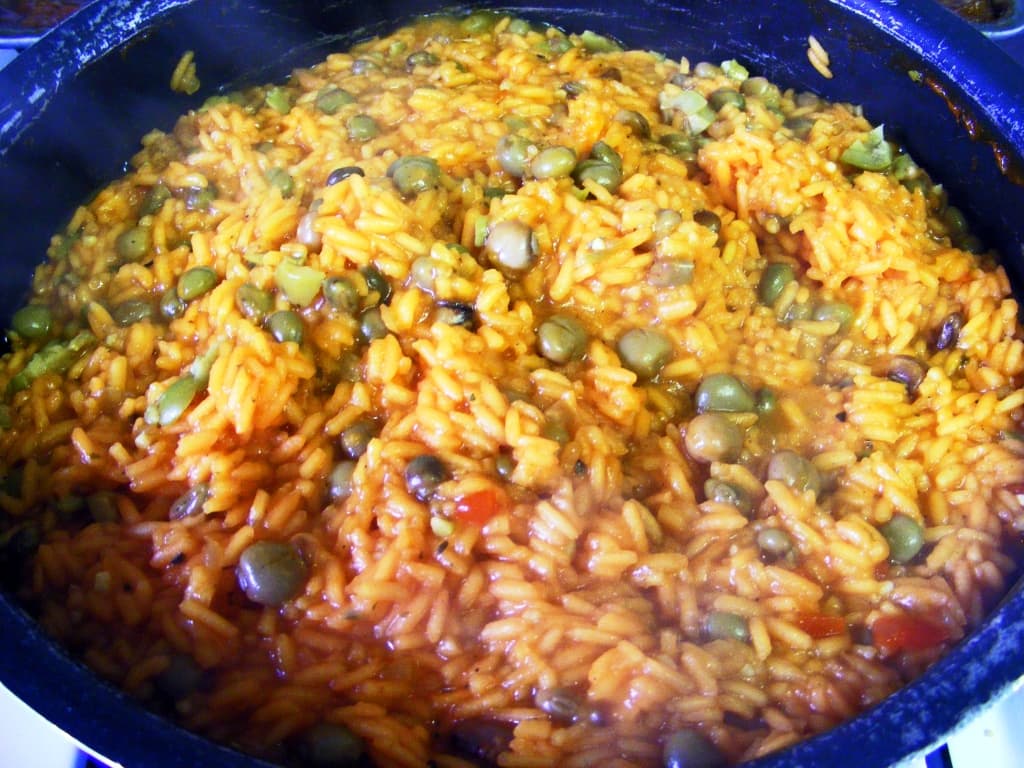
1500s-present
A Puerto Rican arroz con gandules made in one pot with medium-grain rice, pigeon peas, sofrito, sazon, pork, olives, and a patient steam for fluffy grains and coveted pegao.
America's Melting Pot
Chokecherry Sauce photo coming soon
pre-1776-present
Chokecherry Sauce is a tart and flavorful condiment made from the chokecherry fruit, historically prepared by Indigenous American peoples across the United States from the early 19th century. This sauce functions as an accompaniment to game meats and poultry, showcasing native foraging and preservation techniques during the Expansion and Young Republic period. It exemplifies Indigenous foodways adapted to settler tables while maintaining cultural culinary heritage.
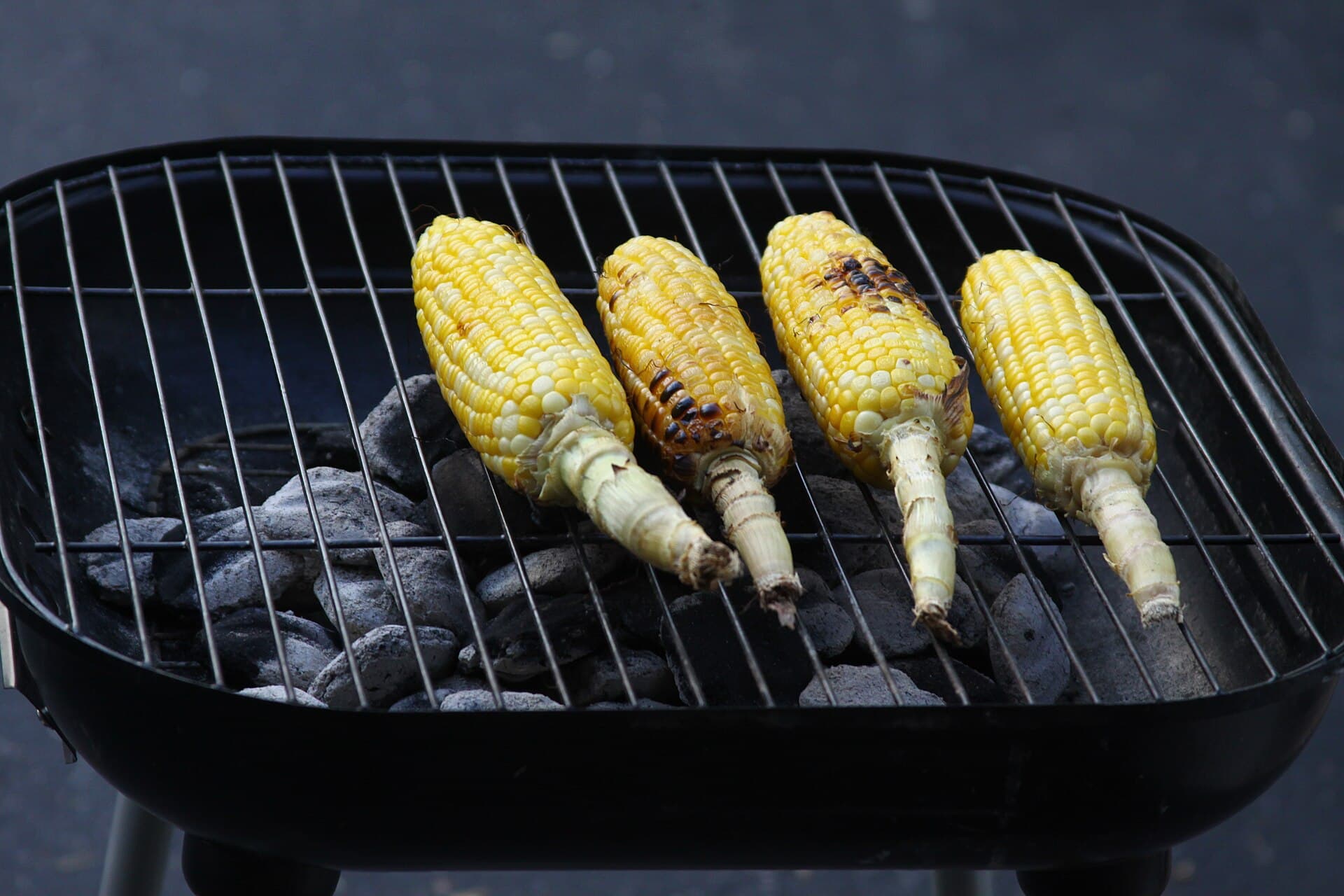
pre-1776-present
Corn on the cob is a simple, beloved summer side dish traditionally enjoyed at Fourth of July celebrations and backyard cookouts across the United States. Boiled or grilled fresh corn with butter and salt has long been a staple of American holiday tables.
Same region
America's Melting Pot
Chokecherry Sauce photo coming soon
pre-1776-present
Chokecherry Sauce is a tart and flavorful condiment made from the chokecherry fruit, historically prepared by Indigenous American peoples across the United States from the early 19th century. This sauce functions as an accompaniment to game meats and poultry, showcasing native foraging and preservation techniques during the Expansion and Young Republic period. It exemplifies Indigenous foodways adapted to settler tables while maintaining cultural culinary heritage.
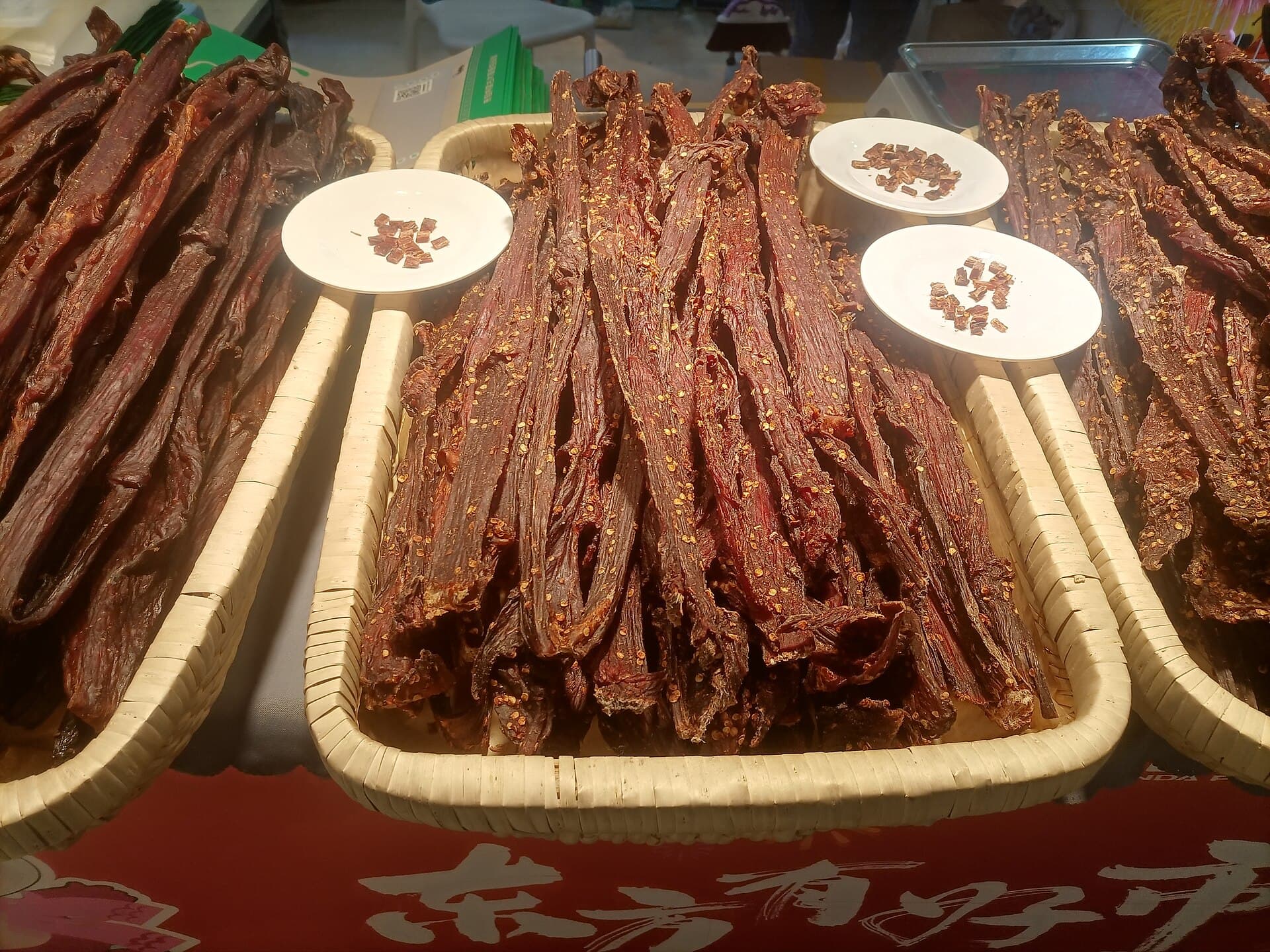
precontact-present
Jerky is preservation food before it is snack food. Indigenous drying traditions, pemmican, pioneer travel, soldiers, cowboys, and later road-trip convenience all helped make dried meat part of American food culture.
America's Melting Pot
Biscuits with Salt Pork Gravy photo coming soon
1861-1900
Before sausage gravy became the default, cooks could make a filling breakfast from salt pork, flour, and milk. The method fits chuckwagon, farm, and 19th-century working kitchens where cured pork traveled well and every bit of fat mattered.
Same table
America's Melting Pot
Foraged Greens photo coming soon
1930s-present
Foraged greens include a variety of wild edible plants collected from fields and forests, used as food during the Civil War due to scarcity and nutritional need. These hardy greens were often boiled or fried to supplement diets in difficult times.
America's Melting Pot
Corn Dodgers photo coming soon
1861-1900
Corn dodgers are small, dense cakes made from cornmeal, historically used as portable food by cattle drivers and settlers in the Great Plains from 1861 to 1900.
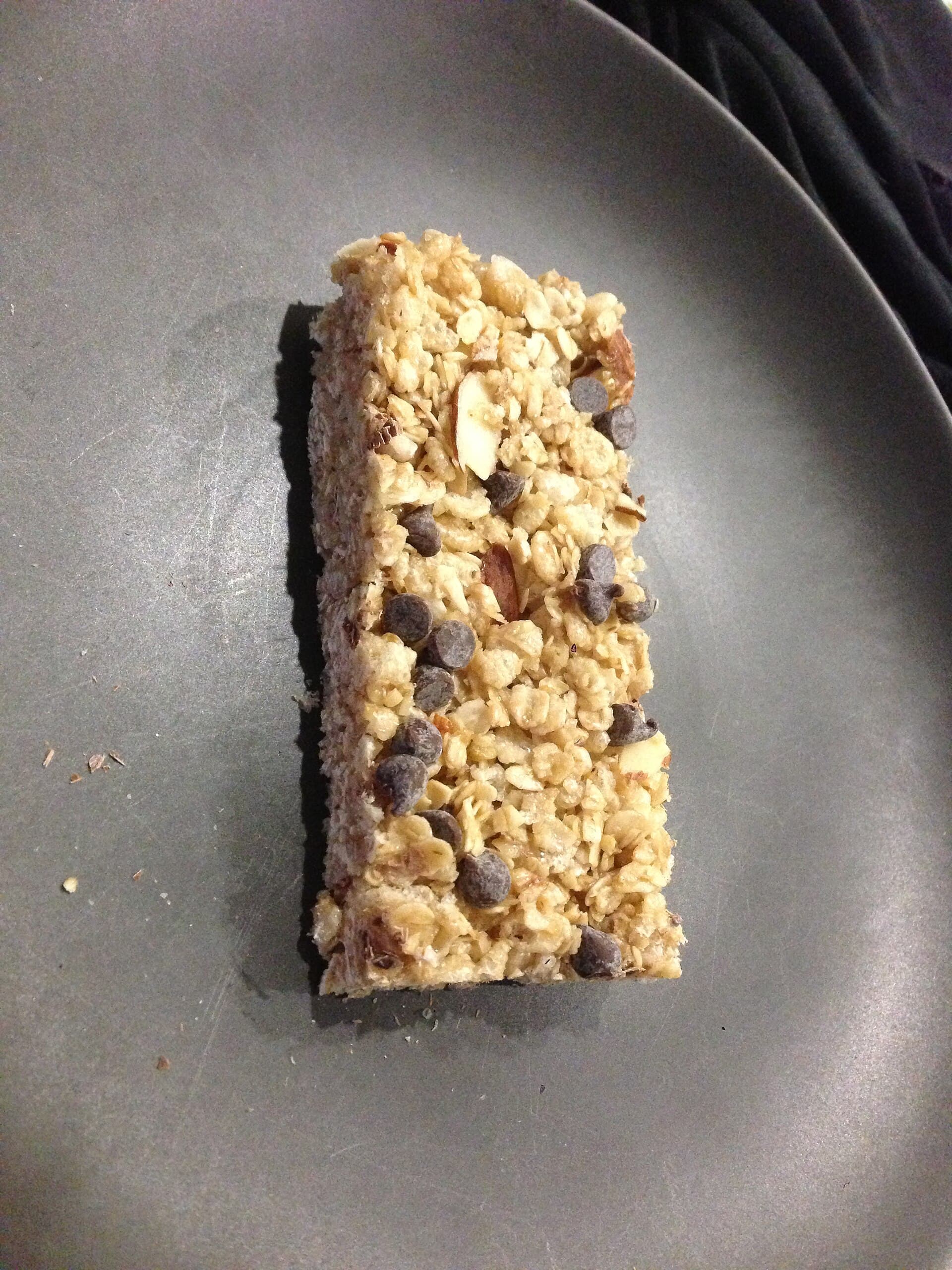
1863-present
Granola bars are compact, baked or no-bake snack bars made of oats, nuts, dried fruit, and sweeteners. Popularized in late 20th-century American coffee shops and convenience foods, granola bars offer a convenient energy source fitting modern on-the-go lifestyles and sporty snack needs.