
Recipe archive
Loading
Setting the table...
Fetching the latest recipes from the archive.
Loading
Fetching the latest recipes from the archive.
Recipe archive
America's Melting Pot
Pheasant and Wild Rice hero image coming soon
1900-1929 - American hunting and fishing camp cooks and cabin dwellers.
This recipe pairs pheasant, a game bird, with wild rice, a native grain, commonly prepared in hunting and fishing camps or rustic cabins. It highlights simplicity and resourcefulness in outdoor American cooking traditions.
No featured photo yet. Upload a photo with your review. The highest-rated community photo may become this recipe's hero image.
Difficulty
Medium
Prep time
15 minutes
Cook time
1 hour
Total time
1 hour 15 minutes
Servings
4 servings
Region
Minnesota, Dakotas, and Upper Midwest game-and-wild-rice kitchens
Era introduced
1900-1929
Introduced by
American hunting and fishing camp cooks and cabin dwellers.
Recipe tools
Log in to save this recipe to a collection.
Pheasant and wild rice have been combined in American camp and cabin kitchens where hunters and fishermen prepare meals from locally sourced ingredients. Wild rice, native to North America, complements the earthy flavors of pheasant. This dish embodies adaptable outdoor cooking reflecting self-sufficiency and seasonal harvests in rustic environments.
Share family changes, regional twists, or pantry-friendly adaptations as full community recipes.
Log in to submit a community recipe.
No community recipes yet. Submitted recipes are published right away.
Rate this recipe and share how it worked at your table.
Log in to review this recipe.
No reviews yet. Be the first to rate this recipe.
Recipes matched by era, region, occasion, ingredients, and cultural roots from the archive.
Same era
America's Melting Pot
American French Dressing photo coming soon
1900s-present
American French Dressing is a dressing with real American table personality: The bright orange-red, sweet, tomatoey bottled dressing Americans call "French." Not very French, very American. It brings flavor from coast-to-coast American tables to cookouts, counters, lunch plates, potlucks, and weeknight suppers.
America's Melting Pot
Apple Pie Shake photo coming soon
1922-present
Apple Pie Shake brings drive-in, carhop, and fast-food dessert-counter energy to the table: Diner pie a la mode in a cup.
America's Melting Pot
Avgolemono Soup photo coming soon
1900-1929
A silky Greek-American chicken, rice, egg, and lemon soup made by tempering eggs into hot broth for a creamy dairy-free finish.
Same region
America's Melting Pot
BBQ Beef Sandwiches photo coming soon
1970-2026
This sandwich turns pot roast into crowd food: cook beef until it pulls apart, simmer it in barbecue sauce, and serve it from a slow cooker or Dutch oven. It fits the late-20th-century world of booster clubs, church suppers, and game-day tables, where economical roasts could feed a line of hungry fans.
America's Melting Pot
Beef and Noodles photo coming soon
1861-1900
Beef and noodles is plainspoken comfort food: slow-cooked beef, rich broth, and egg noodles served as a main dish or over mashed potatoes. It fits the railroad, boardinghouse, and settlement table because it stretches a roast into a filling meal and reflects German and Amish noodle traditions carried into the Midwest and Great Plains.
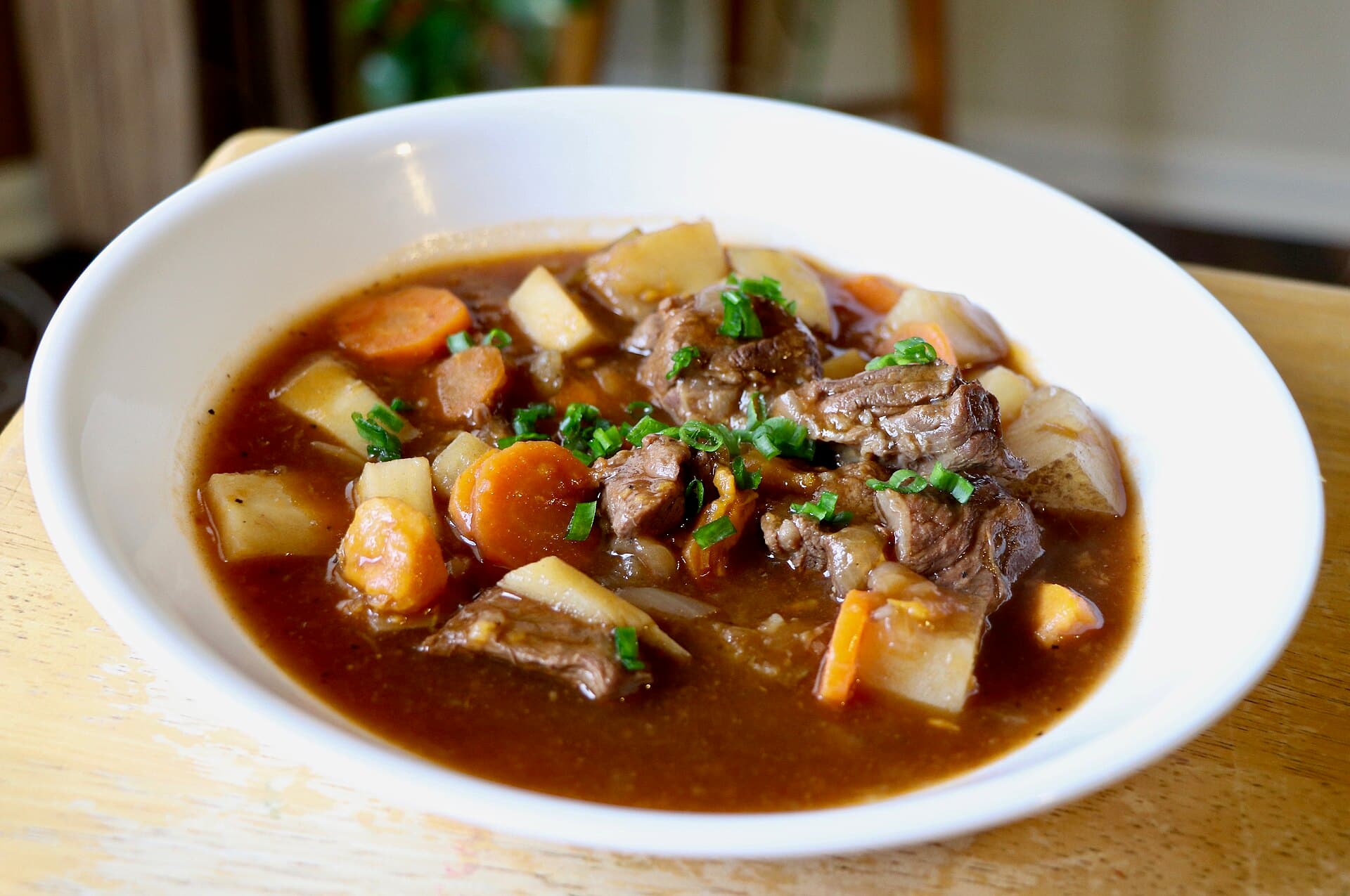
1800-2026
Beef stew is old-world pot cooking adapted to American beef country, boardinghouses, and family kitchens. Browning the meat, simmering it gently, and adding vegetables in stages turns inexpensive chuck into a cold-weather meal.
Same table
America's Melting Pot
Pudgy Pies photo coming soon
1950s-present
Pudgy Pies, also known as Mountain Pies, are portable folded dough pockets with sweet or savory fillings popular at hunting and fishing camps across America. They represent practical cooking over open fires.
America's Melting Pot
Corn Dodgers photo coming soon
1861-1900
Corn dodgers are small, dense cakes made from cornmeal, historically used as portable food by cattle drivers and settlers in the Great Plains from 1861 to 1900.
America's Melting Pot
Shore Lunch Potatoes photo coming soon
1900s-present
Shore Lunch Potatoes are hearty pan-fried potatoes prepared outdoors, traditionally served at fishing and hunting camps. They complement fresh-caught fish meals and reflect rustic American cabin cooking traditions.