
Recipe archive
Loading
Setting the table...
Fetching the latest recipes from the archive.
Loading
Fetching the latest recipes from the archive.
Recipe archive
America's Melting Pot
Pizza, Early American Style hero image coming soon
1900-1929 - Italian-American immigrant families in late 19th-century United States
Pizza, Early American Style reflects the introduction and adaptation of Italian pizza recipes by Italian-American immigrants during and after the Civil War through the late 19th century. Characterized by simple dough, tomato sauce, and modest toppings, this style marks the beginnings of American pizza culture in immigrant communities.
No featured photo yet. Upload a photo with your review. The highest-rated community photo may become this recipe's hero image.
Difficulty
Medium
Prep time
1 hour 30 minutes
Cook time
15 minutes
Total time
1 hour 45 minutes
Servings
8
Region
New York City and Trenton Italian American pizzerias
Era introduced
1900-1929
Introduced by
Italian-American immigrant families in late 19th-century United States
Recipe tools
Log in to save this recipe to a collection.
Italian immigrants arriving in America during and after the Civil War brought their home cooking including various pizza styles. Early American versions used simple doughs, fresh tomato sauces, and minimal toppings due to ingredient availability. This pizza was often baked in hearths or brick ovens in immigrant neighborhoods, setting the foundation for the burgeoning Italian-American pizza culture and the later commercial pizza industry that defined 20th-century American urban food scenes.
Share family changes, regional twists, or pantry-friendly adaptations as full community recipes.
Log in to submit a community recipe.
No community recipes yet. Submitted recipes are published right away.
Rate this recipe and share how it worked at your table.
Log in to review this recipe.
No reviews yet. Be the first to rate this recipe.
Recipes matched by era, region, occasion, ingredients, and cultural roots from the archive.
Same era
America's Melting Pot
American French Dressing photo coming soon
1900s-present
American French Dressing is a dressing with real American table personality: The bright orange-red, sweet, tomatoey bottled dressing Americans call "French." Not very French, very American. It brings flavor from coast-to-coast American tables to cookouts, counters, lunch plates, potlucks, and weeknight suppers.
America's Melting Pot
Apple Pie Shake photo coming soon
1922-present
Apple Pie Shake brings drive-in, carhop, and fast-food dessert-counter energy to the table: Diner pie a la mode in a cup.
America's Melting Pot
Avgolemono Soup photo coming soon
1900-1929
A silky Greek-American chicken, rice, egg, and lemon soup made by tempering eggs into hot broth for a creamy dairy-free finish.
Same region

1905-present
Pizza by the Slice offers quick, casual access to pizza portions sold individually, popularized in American malls and chain eateries during the late 20th century. Offering many toppings on single slices, this style reflects convenience and on-the-go American eating habits for tailgates and urban fast food.
1900-2026
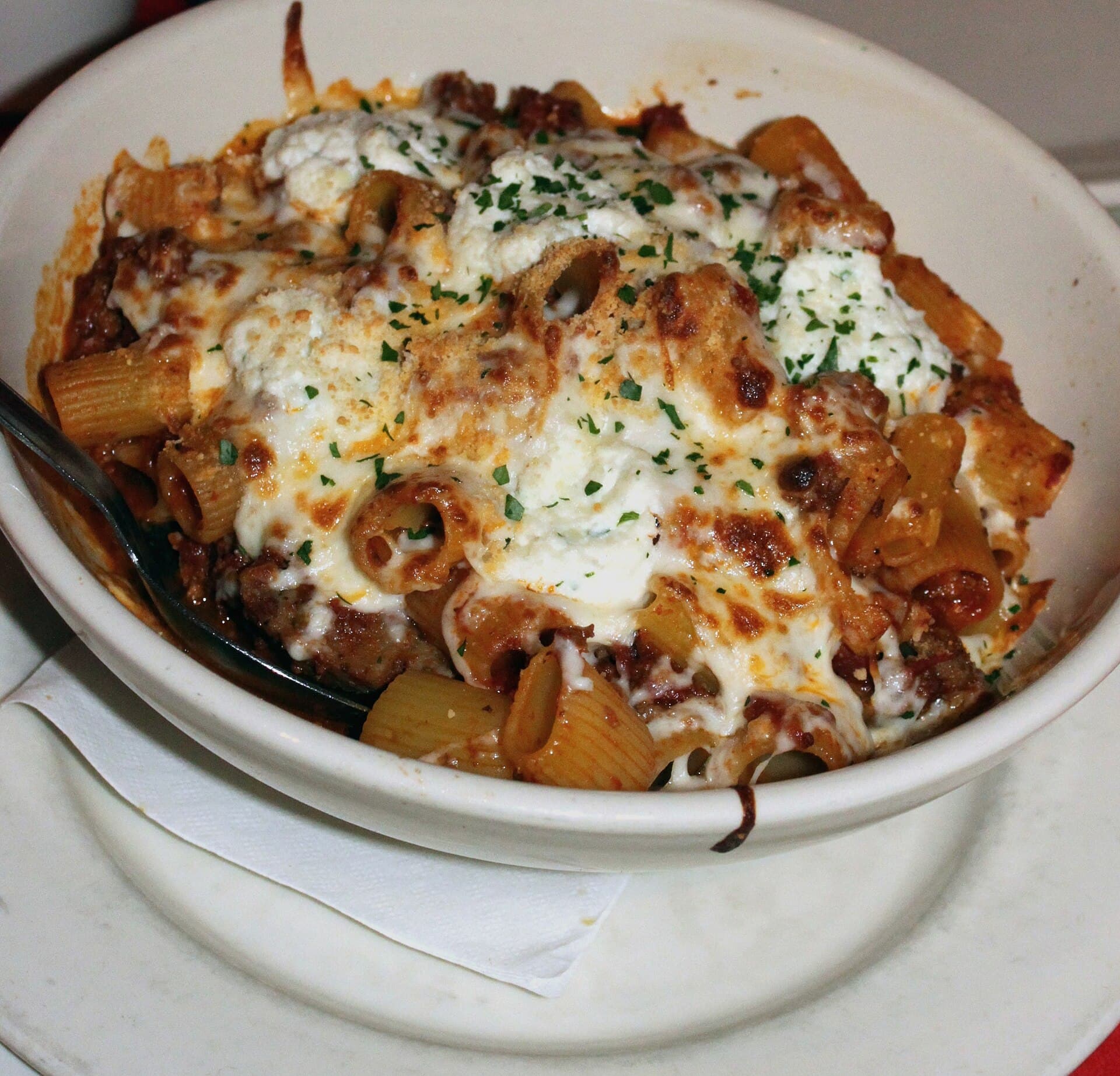
A crowd-friendly baked ziti casserole layered with marinara, ricotta, mozzarella, Parmesan, and optional Italian sausage.
early 1900s-present
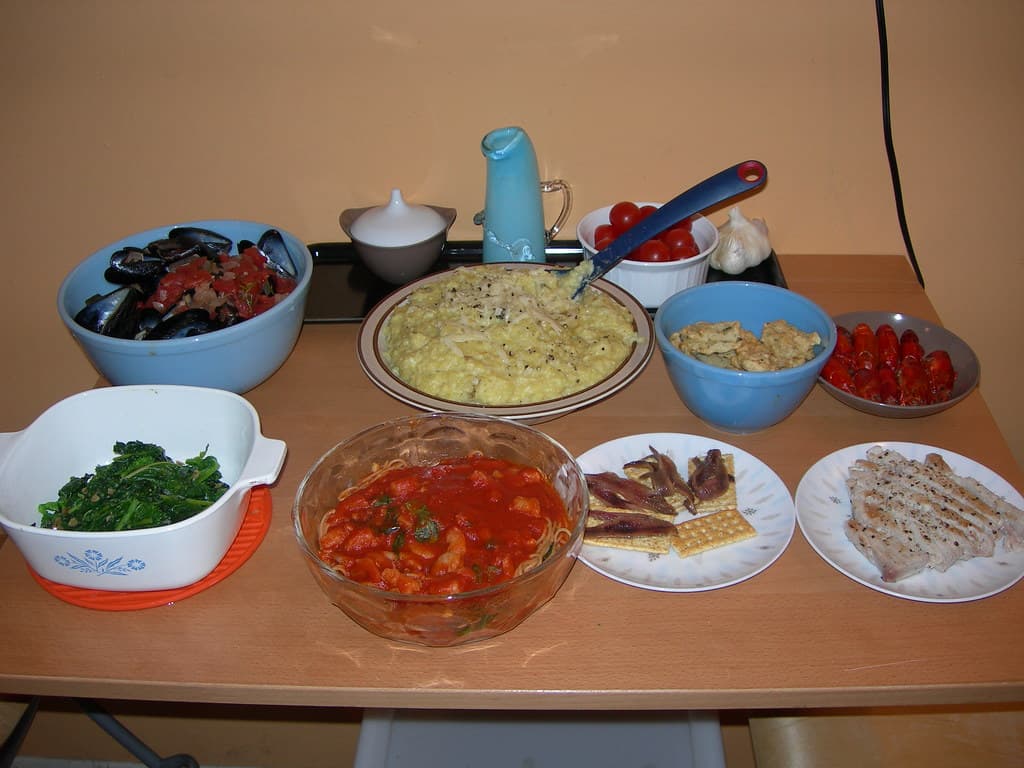
The Feast of the Seven Fishes is a traditional Italian-American Christmas Eve celebration featuring seven different seafood dishes. Rooted in Italian Catholic fasting customs, it has evolved into a special communal meal enjoyed throughout the United States across eras as part of holiday traditions.
Same table
1905-present
Pizza by the Slice offers quick, casual access to pizza portions sold individually, popularized in American malls and chain eateries during the late 20th century. Offering many toppings on single slices, this style reflects convenience and on-the-go American eating habits for tailgates and urban fast food.
America's Melting Pot
Lunchroom Pizza photo coming soon
1980s-present
Lunchroom pizza became a widespread comfort food during postwar America, reflecting Italian-American influences adapted for school cafeterias and home kitchens. Characterized by simple tomato sauce, mild cheeses, and a straightforward crust, this pizza is a nostalgic favorite of suburban childhoods and freezable casseroles.
1925-present
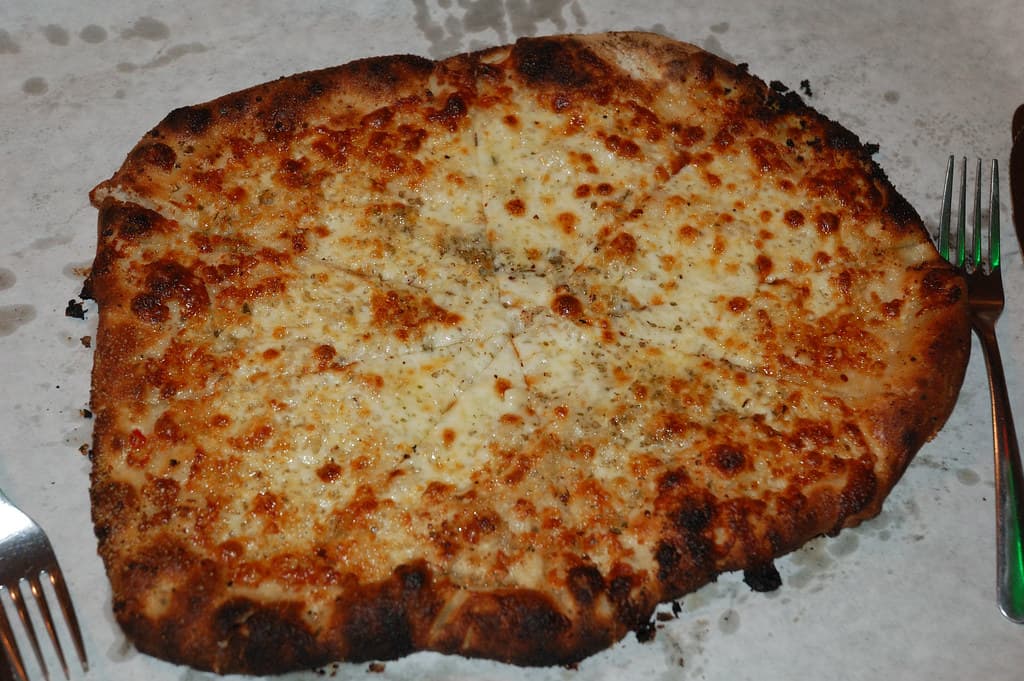
New Haven Apizza is a regional pizza style with a thin, charred crust, sparse tomato sauce, and minimal toppings, popular in Connecticut's Italian-American community. Known for its distinctive smoky flavor from coal-fired ovens, it reflects Italian immigrant baking traditions adapted to American tastes.