
Recipe archive
Loading
Setting the table...
Fetching the latest recipes from the archive.
Loading
Fetching the latest recipes from the archive.
Recipe archive
America's Melting Pot
Poke Cake hero image coming soon
1970-1989 - Home bakers and family communities in Hawaii during the late 20th century.
Poke cake is a moist layered dessert featuring holes poked after baking to absorb flavored fillings, popular in Hawaii during the 1970s and 1980s as a convenient party treat combining traditional cakes with tropical flavors.
No featured photo yet. Upload a photo with your review. The highest-rated community photo may become this recipe's hero image.
Difficulty
Medium
Prep time
20 minutes
Cook time
30 minutes
Total time
50 minutes
Servings
8
Region
Hawaii
Era introduced
1970-1989
Introduced by
Home bakers and family communities in Hawaii during the late 20th century.
Recipe tools
Log in to save this recipe to a collection.
Poke cake gained popularity in Hawaii during the 1970s and 1980s as a playful take on traditional layered cakes. The technique involves baking a cake and poking holes throughout the structure to allow a creamy or flavored liquid to soak in, moistening the cake throughout. This dessert typically incorporates tropical fruit flavors like pineapple or coconut to reflect Hawaiian tastes and has remained a favorite at family gatherings, tailgate parties, and casual celebrations due to its simplicity and moist texture.
Share family changes, regional twists, or pantry-friendly adaptations as full community recipes.
Log in to submit a community recipe.
No community recipes yet. Submitted recipes are published right away.
Rate this recipe and share how it worked at your table.
Log in to review this recipe.
No reviews yet. Be the first to rate this recipe.
Recipes matched by era, region, occasion, ingredients, and cultural roots from the archive.
Same era
America's Melting Pot
ABC Juice photo coming soon
1970s-present
ABC Juice brings juice-bar color and American smoothie-counter energy to the glass: Apple, beet, carrot.
America's Melting Pot
Auntie Anne's-Style Pretzel Bites photo coming soon
1970-1989
A homemade mall-style pretzel bite recipe with yeast dough, a baking-soda dip, coarse salt, and a generous butter finish.
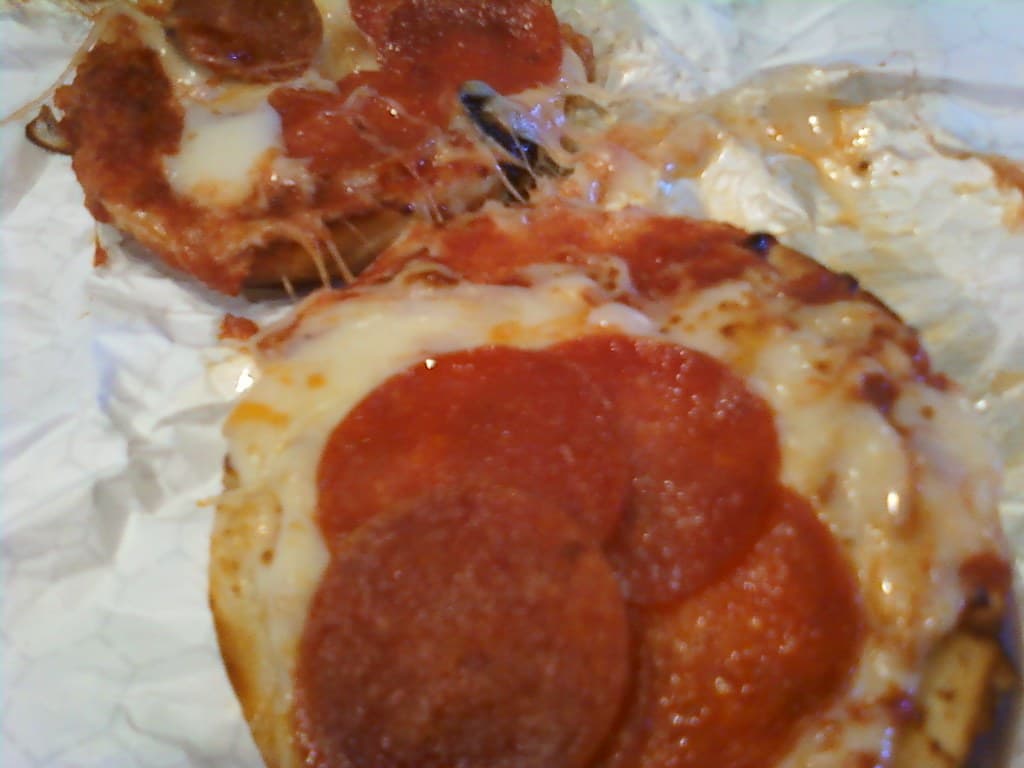
1970-1989
Split bagels topped with tomato sauce, mozzarella, oregano, and pepperoni or vegetables, baked until bubbly for a lunchbox and after-school classic.
Same region
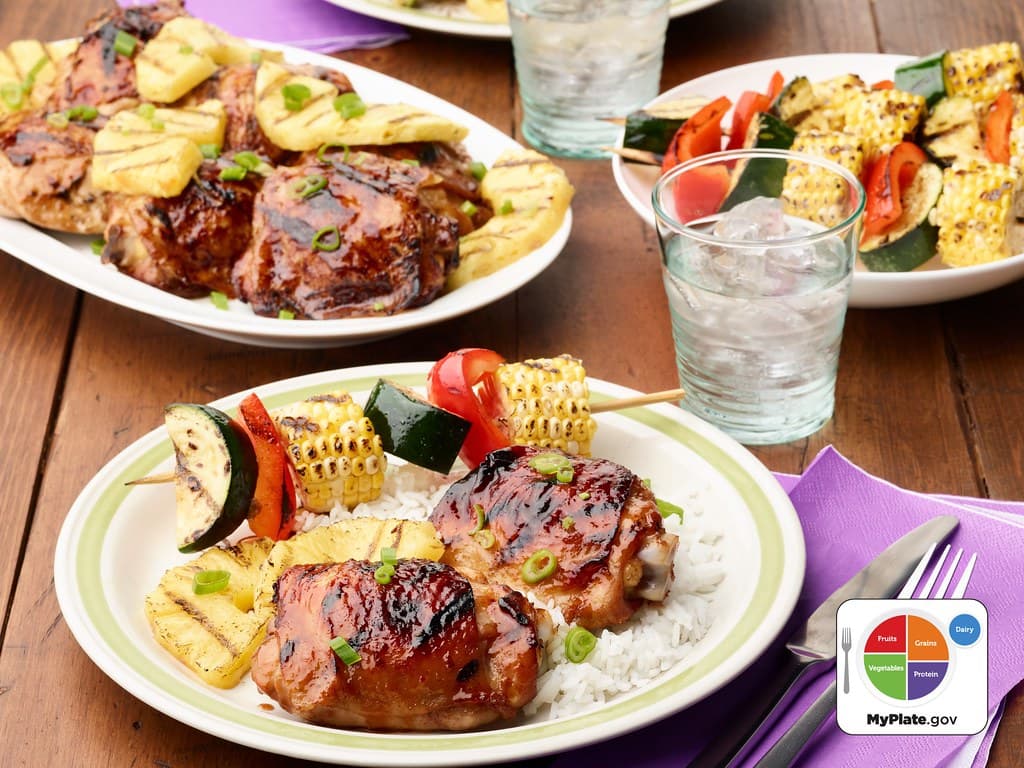
1946-1969
Huli Huli Chicken is a celebrated Hawaiian barbecue dish developed in the mid-20th century combining sweet, savory, and smoky flavors. It features grilled chicken basted with a sauce of pineapple juice, soy sauce, and brown sugar, reflecting Hawaiian, Asian-Pacific, and Portuguese-American culinary influences prevalent after World War II.
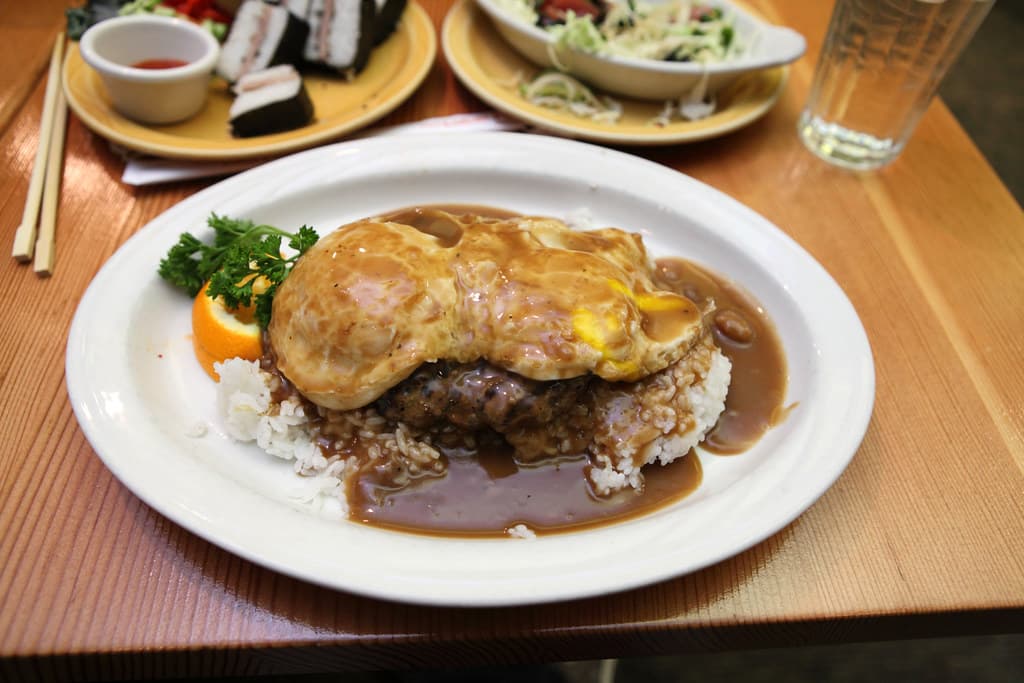
1946-1969
Loco Moco is a Hawaiian dish consisting of white rice topped with a hamburger patty, fried egg, and brown gravy. It reflects a fusion of Hawaiian, Asian-Pacific American, and Portuguese-American culinary influences and became popular in Hawaii post World War II.
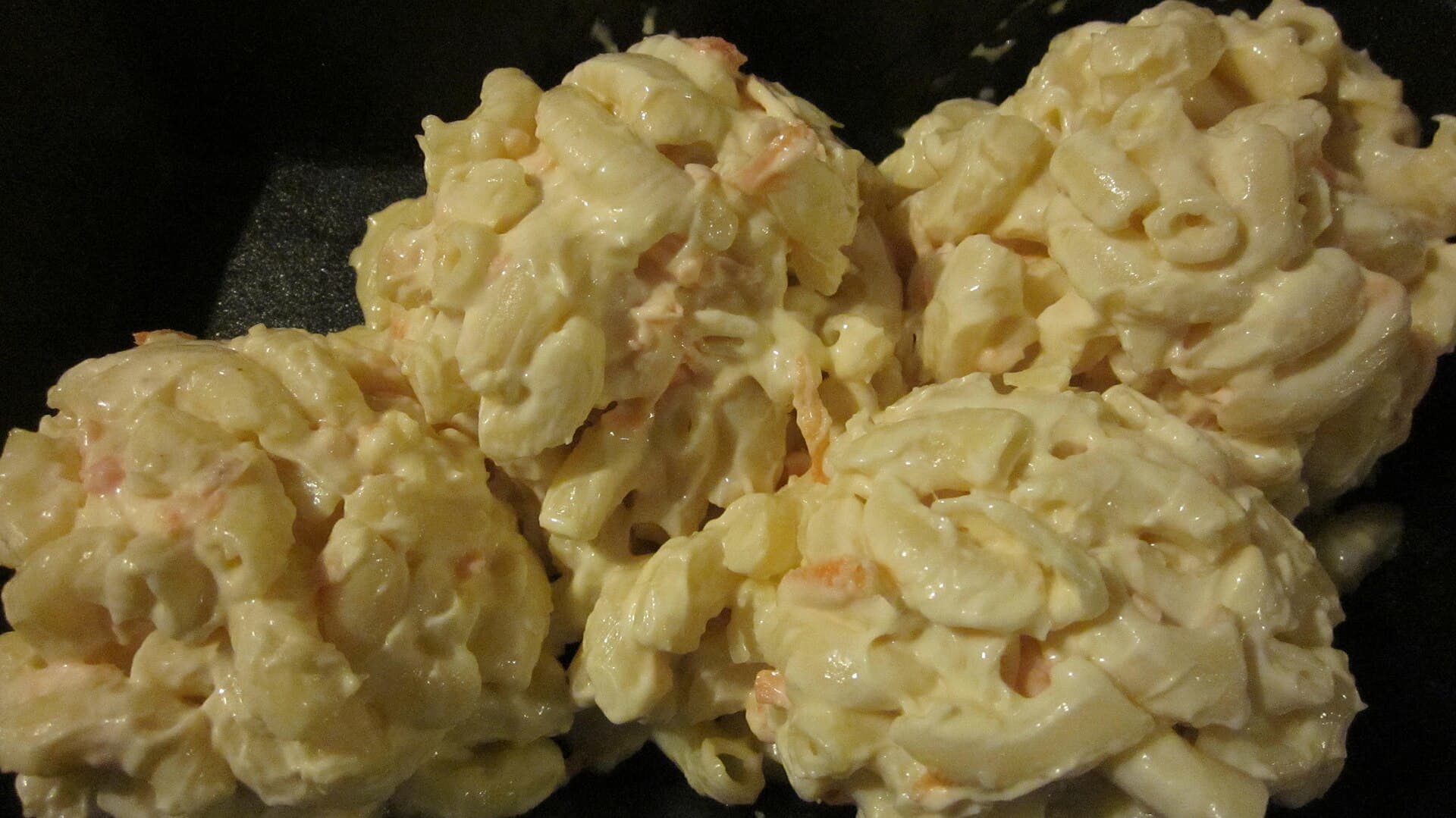
1900-1929
Macaroni salad is an essential side dish in Hawaii's multicultural cuisine, blending Asian-Pacific, Hawaiian, and Portuguese influences. Served at school functions, churches, and state fairs, it features tender macaroni with creamy mayonnaise dressing and subtle seasonings, making it a refreshing accompaniment for various Hawaiian meals and celebrations.
Same table
America's Melting Pot
Harvey Wallbanger Cake photo coming soon
1970s-present
Harvey Wallbanger cake is a layered cake inspired by the popular Harvey Wallbanger cocktail of the 1970s. Featuring orange-flavored cake and a boozy glaze, it reflects the decade's enthusiasm for themed party desserts and adult-friendly sweets.
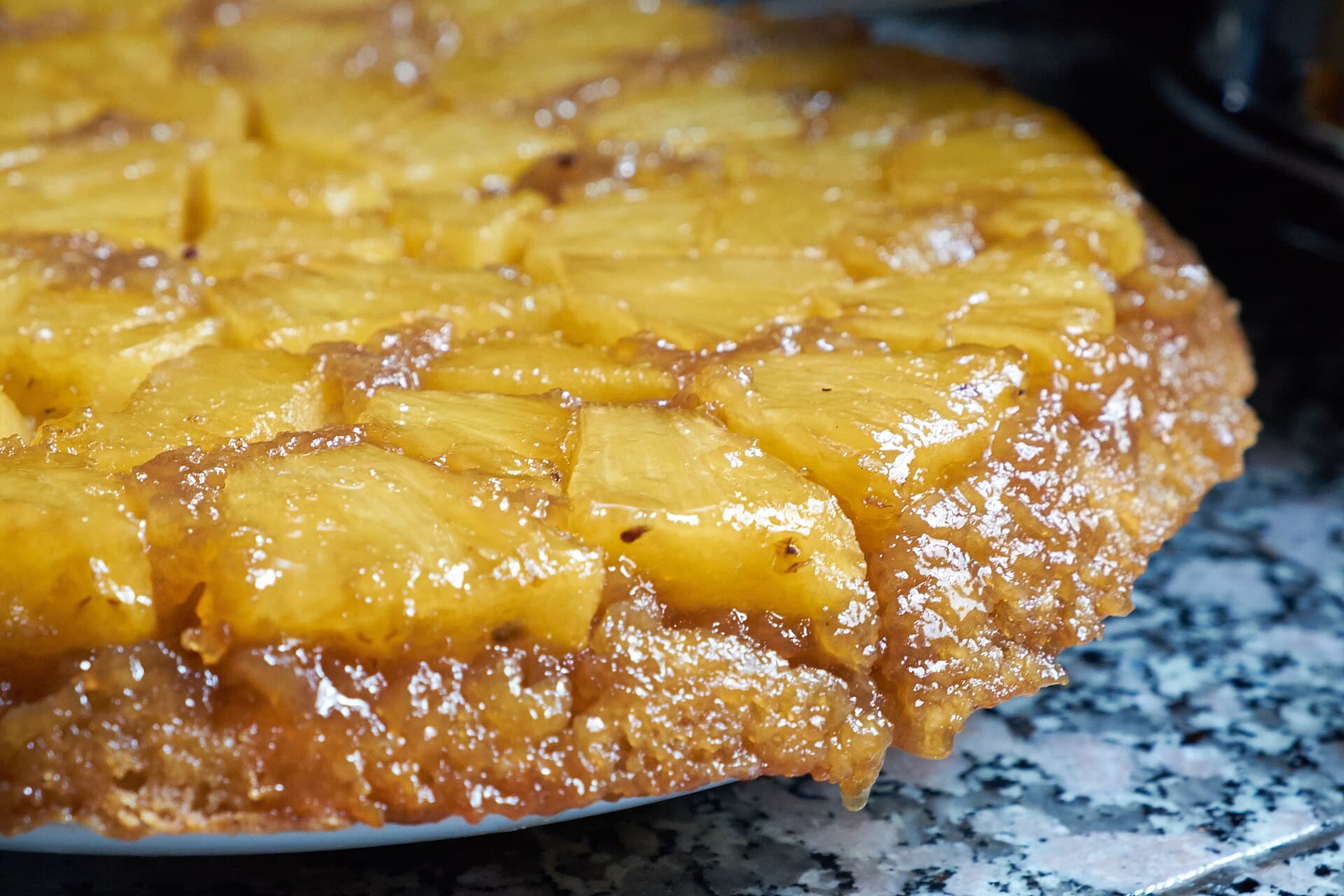
1920s-present
Pineapple Upside-Down Cake is a classic 1970s American dessert featuring pineapple rings caramelized in brown sugar and butter atop a moist yellow cake. Baked upside down and flipped for serving, it became a popular party and tailgate dessert showcasing tropical flavors in a home-friendly format.
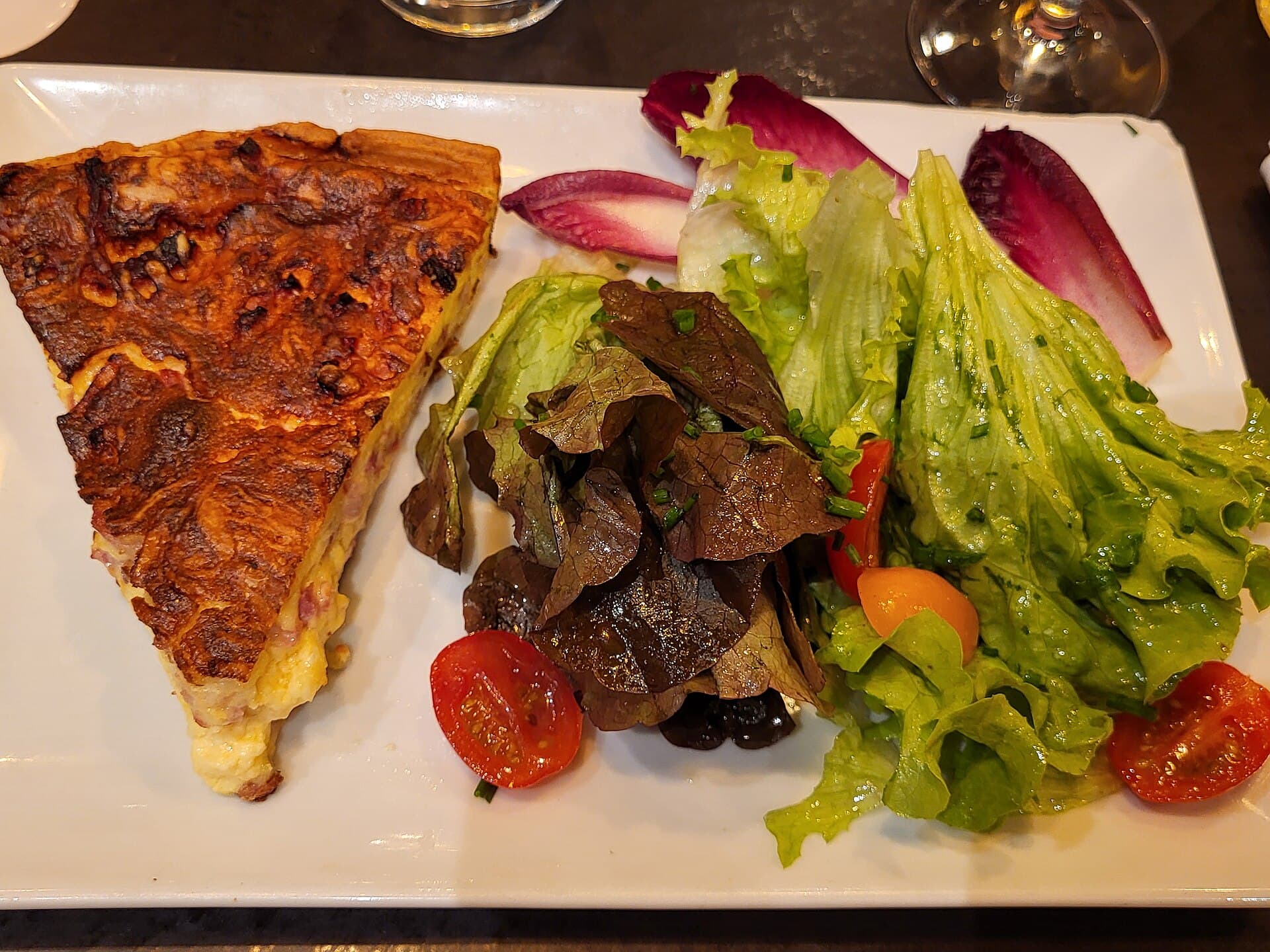
1960s-present
Quiche Lorraine is a savory pie combining a buttery crust with a rich custard of eggs, cream, cheese, and smoky bacon. Popular in American households since the 1970s, it is a standard offering for brunches, parties, and family meals, reflecting fusion of French cuisine into American home cooking.