
Recipe archive
Loading
Setting the table...
Fetching the latest recipes from the archive.
Loading
Fetching the latest recipes from the archive.
Recipe archive
America's Melting Pot
Porcupine Meatballs hero image coming soon
1946-1969 - Midwestern home cooks and suburban families.
Porcupine Meatballs are a Midwestern casserole dish featuring ground beef meatballs studded with uncooked rice, simmered in a tangy tomato sauce. Popular in America's postwar suburbs from 1946 to 1969, they embody practical comfort food of the era.
No featured photo yet. Upload a photo with your review. The highest-rated community photo may become this recipe's hero image.
Difficulty
Medium
Prep time
20 minutes
Cook time
45 minutes
Total time
1 hour 5 minutes
Servings
6
Region
Midwest
Era introduced
1946-1969
Introduced by
Midwestern home cooks and suburban families.
Recipe tools
Log in to save this recipe to a collection.
Porcupine Meatballs gained popularity in the American Midwest during postwar suburban growth between 1946 and 1969. Named for the appearance of uncooked rice poking from meatballs likened to porcupine quills, this dish reflects the era's emphasis on economical, easy-to-prepare casseroles that stretched ingredients while feeding families. The meatballs simmered in tomato sauce offered hearty comfort with a distinctive texture and visual appeal, becoming a classic example of Midwestern home cooking.
Share family changes, regional twists, or pantry-friendly adaptations as full community recipes.
Log in to submit a community recipe.
No community recipes yet. Submitted recipes are published right away.
Rate this recipe and share how it worked at your table.
Log in to review this recipe.
No reviews yet. Be the first to rate this recipe.
Recipes matched by era, region, occasion, ingredients, and cultural roots from the archive.
Same era
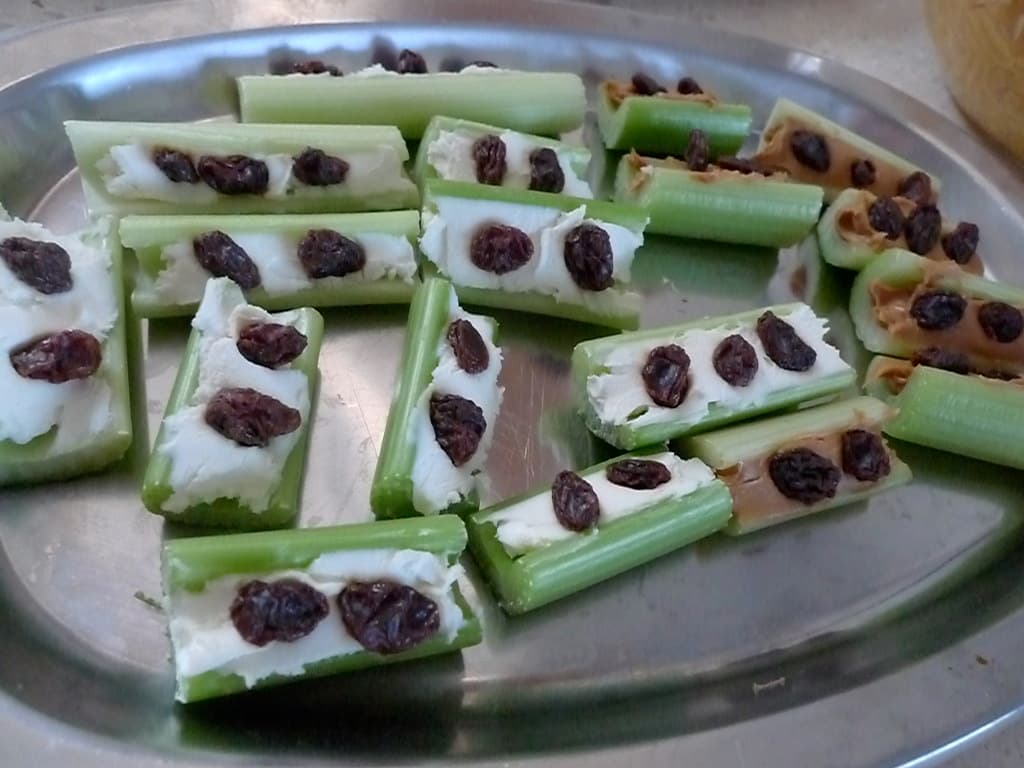
1950s-present
Celery sticks filled with peanut butter and topped with raisins, the classic American kid snack.
America's Melting Pot
Arby's-Style Horsey Sauce photo coming soon
1964-1970s
Arby's-Style Horsey Sauce is a sandwich sauce with real American table personality: Fast-food horseradish mayo tradition. It brings flavor from coast-to-coast American tables to cookouts, counters, lunch plates, potlucks, and weeknight suppers.
America's Melting Pot
Bacon-Wrapped Water Chestnuts photo coming soon
1946-1969
Crunchy water chestnuts wrapped in bacon, baked until crisp, and glazed with a brown sugar, soy, ketchup, and Worcestershire sauce.
Same region
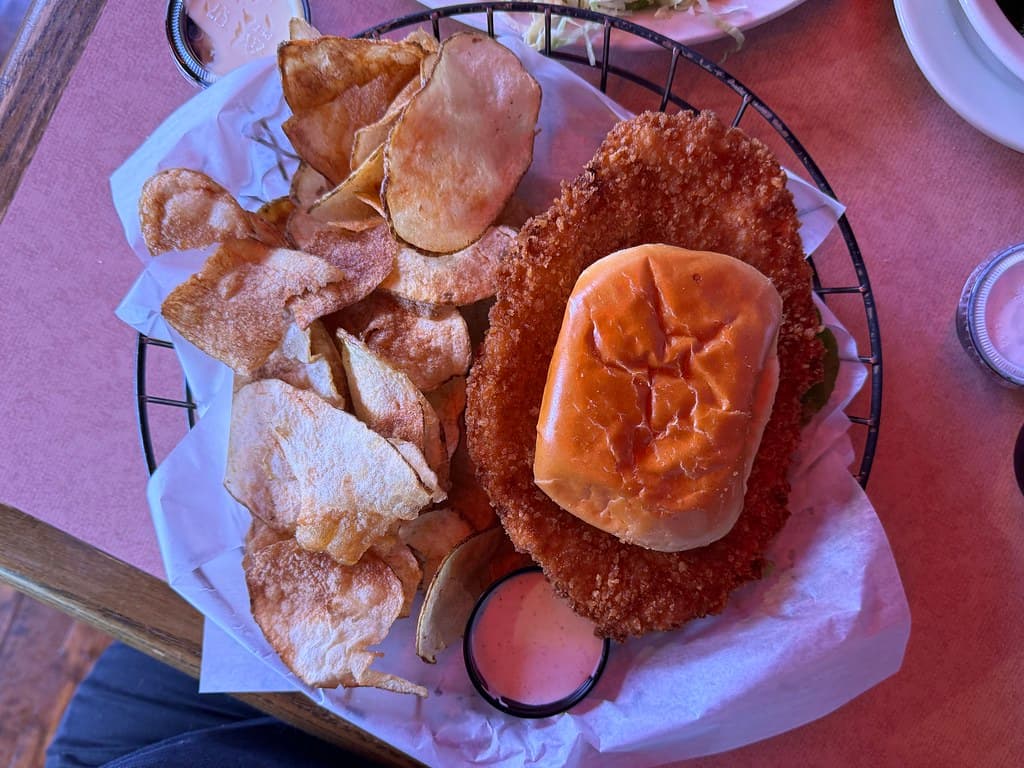
1970-1989
The Pork Tenderloin Sandwich is a Midwestern regional favorite featuring a breaded, fried pork tenderloin cutlet served on a bun with classic sandwich toppings. It rose in popularity during the 1970s and 1980s as convenient fast food and tailgate fare.
America's Melting Pot
Scalloped Potatoes and Ham photo coming soon
1946-1969
A postwar Midwestern casserole combining sliced potatoes in a creamy sauce with diced ham, baked until bubbly and golden. Popular from 1946 to 1969, this dish features in church suppers and family meals, embodying casserole and hotdish traditions suited for freezer storage and suburban backyards.
America's Melting Pot
Air Fryer Cheese Curds photo coming soon
2010-2026
Fresh cheese curds coated in seasoned panko, chilled, and air-fried until crisp outside and molten inside.
Same table
America's Melting Pot
Goulash, American Style photo coming soon
1946-1969
American-style goulash is a one-dish casserole combining ground beef, elbow macaroni, tomatoes, and cheese, popular in Midwestern households post-World War II. This comfort food version differs from traditional Hungarian goulash, emphasizing simplicity and affordability in home cooking during the mid-20th century.
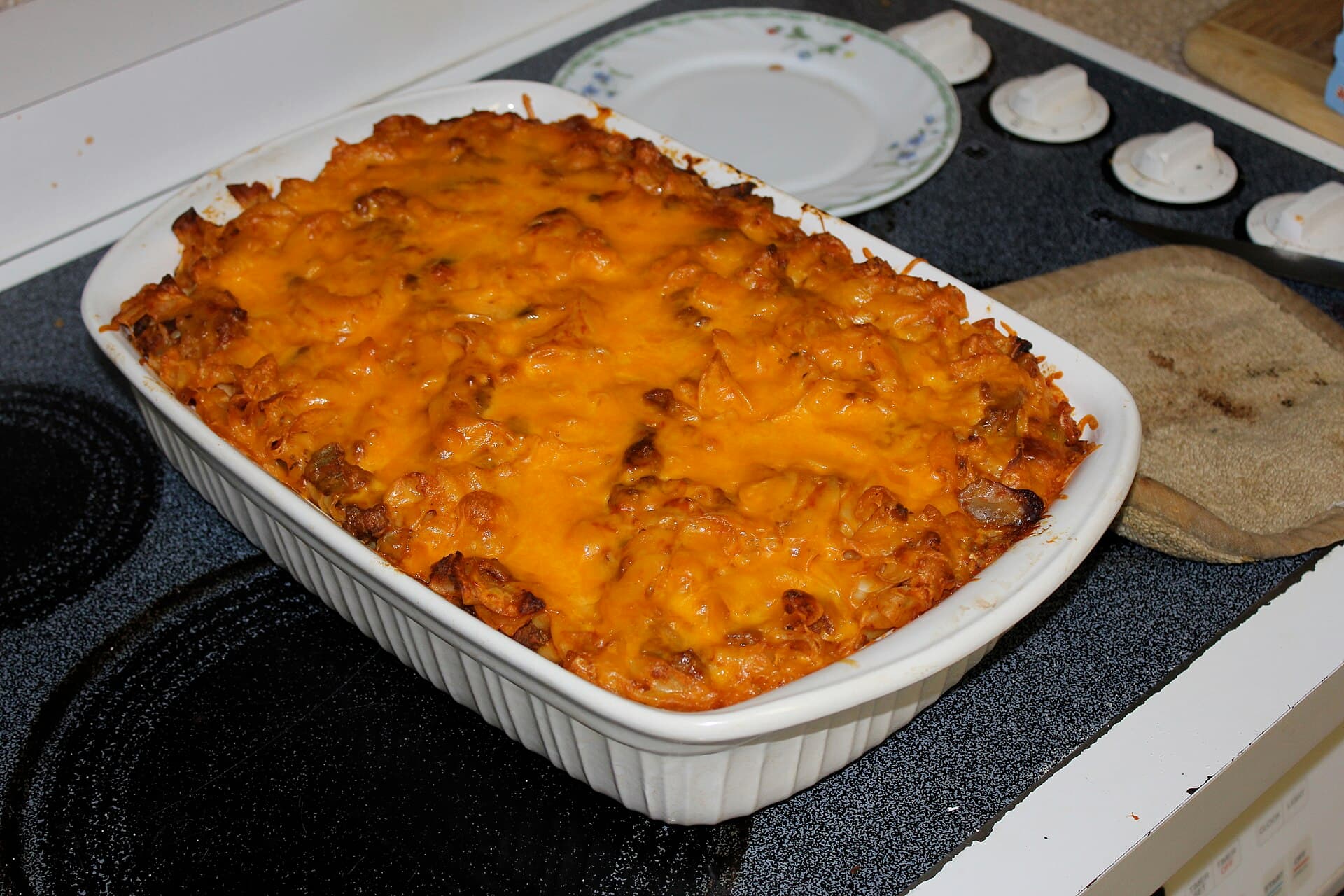
1946-1969
Johnny Marzetti is a comforting casserole originating in the Midwestern United States during the postwar era, combining pasta, ground beef, tomato sauce, and cheese. Popular in the decades following World War II, it reflects suburban family cooking focused on easy, satisfying one-dish meals that could feed a crowd.
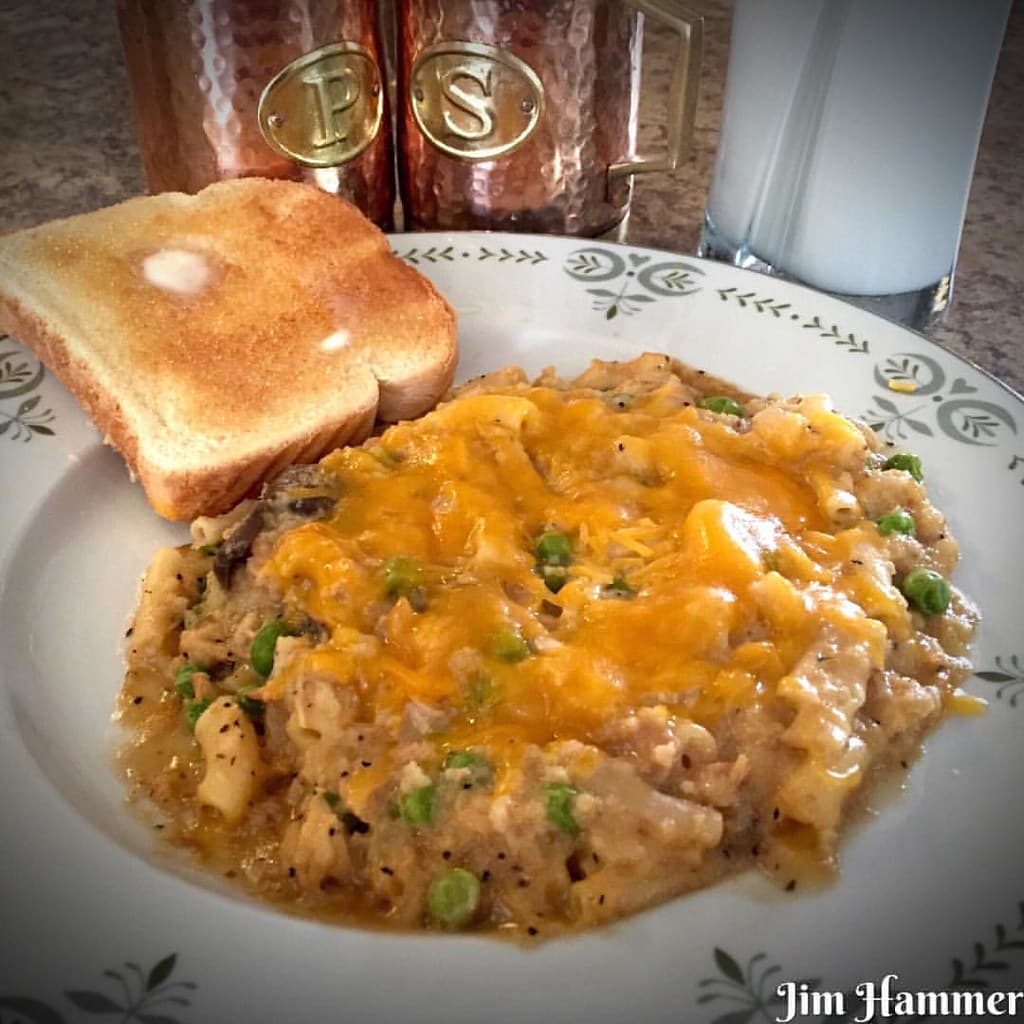
1930-1945
This tuna noodle casserole became a staple during the Great Depression and World War II, leveraging shelf-stable ingredients for affordable, nourishing meals. It reflects Midwestern home cooking traditions and the practicality of wartime and church dinner menus.