
Recipe archive
Loading
Setting the table...
Fetching the latest recipes from the archive.
Loading
Fetching the latest recipes from the archive.
Recipe archive
America's Melting Pot
Potato Dumplings hero image coming soon
1900-1929 - Polish, Czech, Slovak, and Eastern European immigrant home cooks.
Potato Dumplings are traditional dumplings from Polish, Czech, Slovak, and other Eastern European cuisines, often served boiled and accompanied by savory or sweet sauces. Immigrant communities carried this beloved comfort food into the American culinary landscape.
No featured photo yet. Upload a photo with your review. The highest-rated community photo may become this recipe's hero image.
Difficulty
Medium
Prep time
30 minutes
Cook time
20 minutes
Total time
50 minutes
Servings
6
Region
Pennsylvania Anthracite coal towns and Great Lakes Polish, Slovak, and Rusyn immigrant kitchens
Era introduced
1900-1929
Introduced by
Polish, Czech, Slovak, and Eastern European immigrant home cooks.
Recipe tools
Log in to save this recipe to a collection.
Potato dumplings are integral to Eastern European culinary traditions, brought to the United States by immigrants from Poland, Czech lands, and Slovakia in the early 20th century. These dumplings are made by mixing mashed or grated potatoes with flour and eggs, then boiled until tender. Served alongside meats, gravies, or as part of holiday feasts, they represent resilience and cultural continuity within immigrant communities, often enjoyed during Easter and other celebrations.
Share family changes, regional twists, or pantry-friendly adaptations as full community recipes.
Log in to submit a community recipe.
No community recipes yet. Submitted recipes are published right away.
Rate this recipe and share how it worked at your table.
Log in to review this recipe.
No reviews yet. Be the first to rate this recipe.
Recipes matched by era, region, occasion, ingredients, and cultural roots from the archive.
Same era
America's Melting Pot
American French Dressing photo coming soon
1900s-present
American French Dressing is a dressing with real American table personality: The bright orange-red, sweet, tomatoey bottled dressing Americans call "French." Not very French, very American. It brings flavor from coast-to-coast American tables to cookouts, counters, lunch plates, potlucks, and weeknight suppers.
America's Melting Pot
Apple Pie Shake photo coming soon
1922-present
Apple Pie Shake brings drive-in, carhop, and fast-food dessert-counter energy to the table: Diner pie a la mode in a cup.
America's Melting Pot
Avgolemono Soup photo coming soon
1900-1929
A silky Greek-American chicken, rice, egg, and lemon soup made by tempering eggs into hot broth for a creamy dairy-free finish.
Same region
America's Melting Pot
Cucumber Salad photo coming soon
1880s-present
This cool cucumber salad is a staple among Polish, Czech, Slovak, and other Eastern European-American communities in early 20th-century immigrant cities. Served often in diners and at state fairs, it features thinly sliced cucumbers dressed with sour cream, fresh dill, onions, and vinegar for a tangy, refreshing side.
America's Melting Pot
Haluski photo coming soon
1880s-present
Haluski is a traditional dish of Polish, Czech, Slovak, and Eastern European origins consisting of noodles, fried cabbage, and onions. Brought to the United States by immigrants in the early 20th century, it became comfort food commonly served at diners and state fairs, especially around Easter.
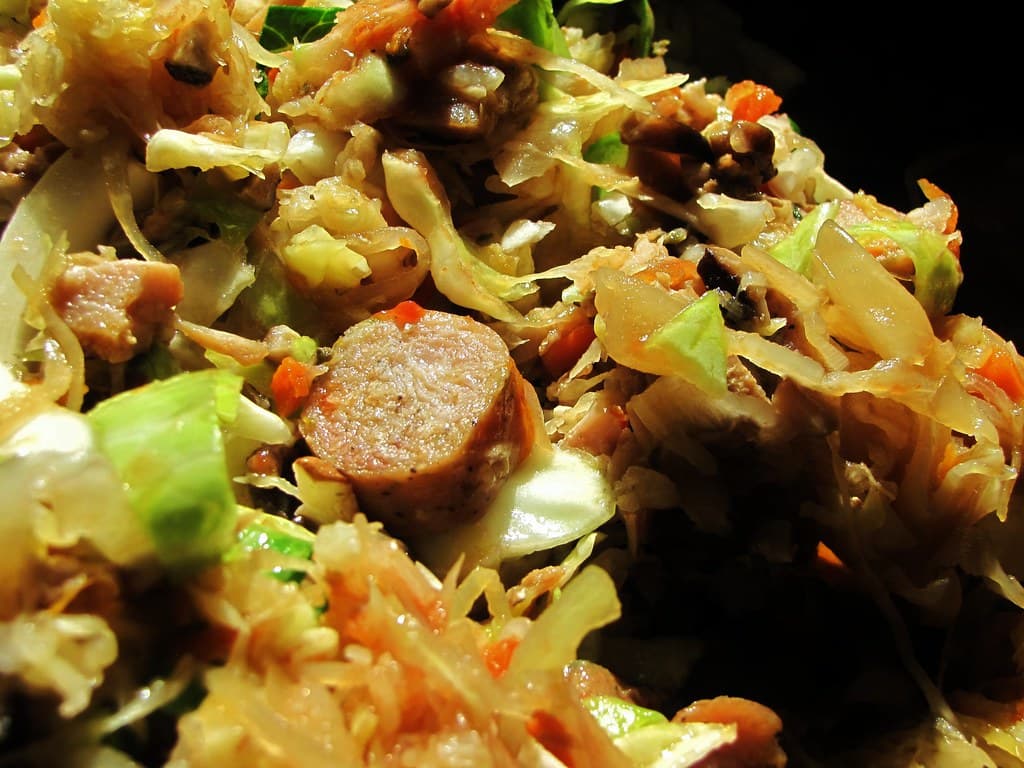
1880s-present
Kielbasa and sauerkraut is a traditional Eastern European dish combining smoked sausage with tangy fermented cabbage. Immigrant communities brought this hearty comfort food to American diners, state fairs, and holiday tables during the early 20th century, representing cultural preservation in new urban environments.
Same table
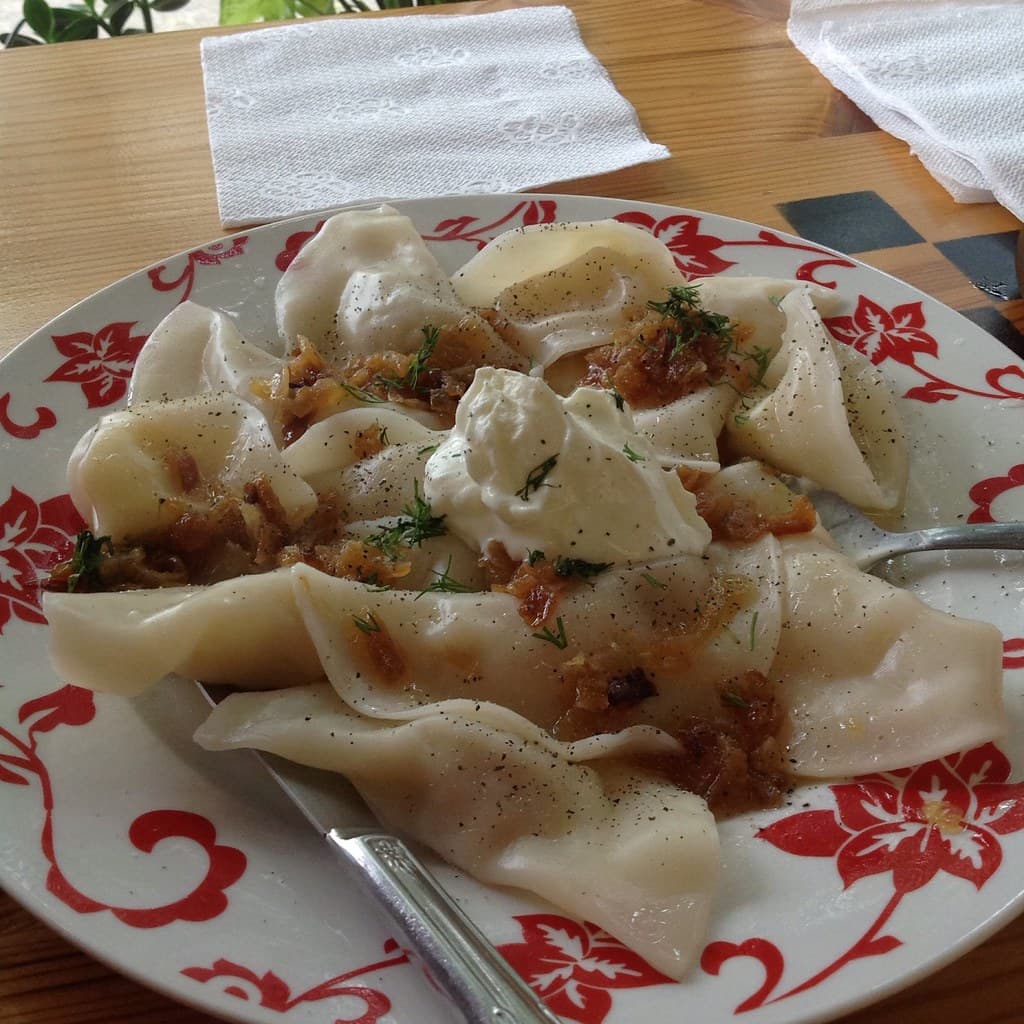
1880s-present
Pierogi are dumplings of Polish, Czech, Slovak, and other Eastern European origin widely embraced by immigrant communities in American cities during the early 20th century. Filled with sweet or savory ingredients, they became a comfort food at diners, lunch counters, and celebrations like Easter, helping preserve cultural traditions while integrating into American cuisine.
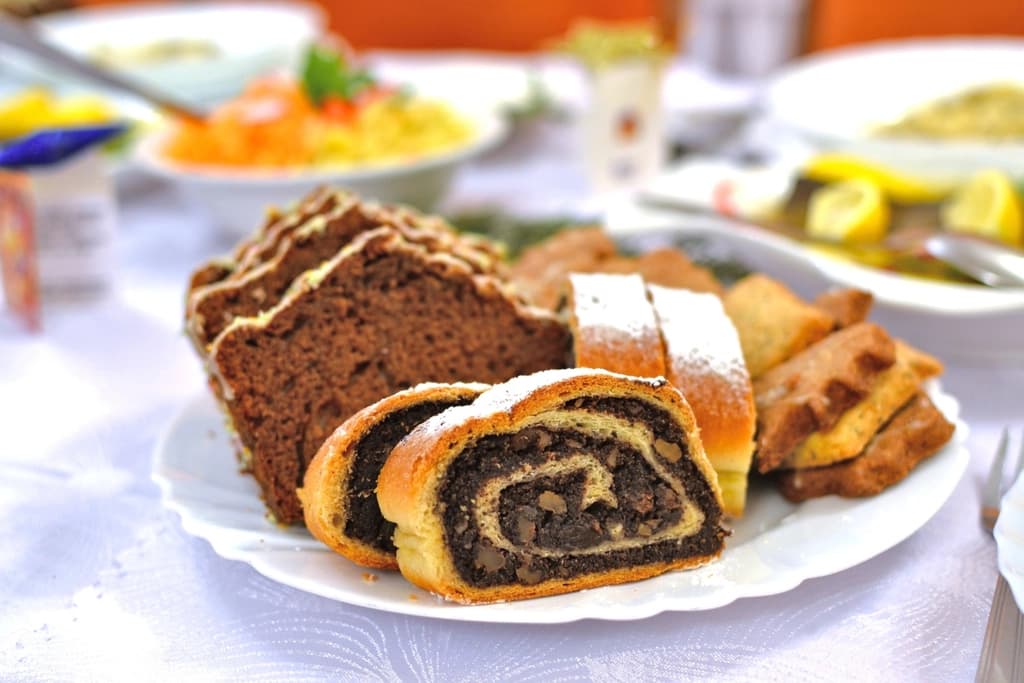
1880s-present
Poppy Seed Roll is a traditional Eastern European sweet yeast bread rolled around a dense poppy seed filling. This dessert became popular among Polish, Czech, and Slovak immigrant communities in American cities during the early 20th century.
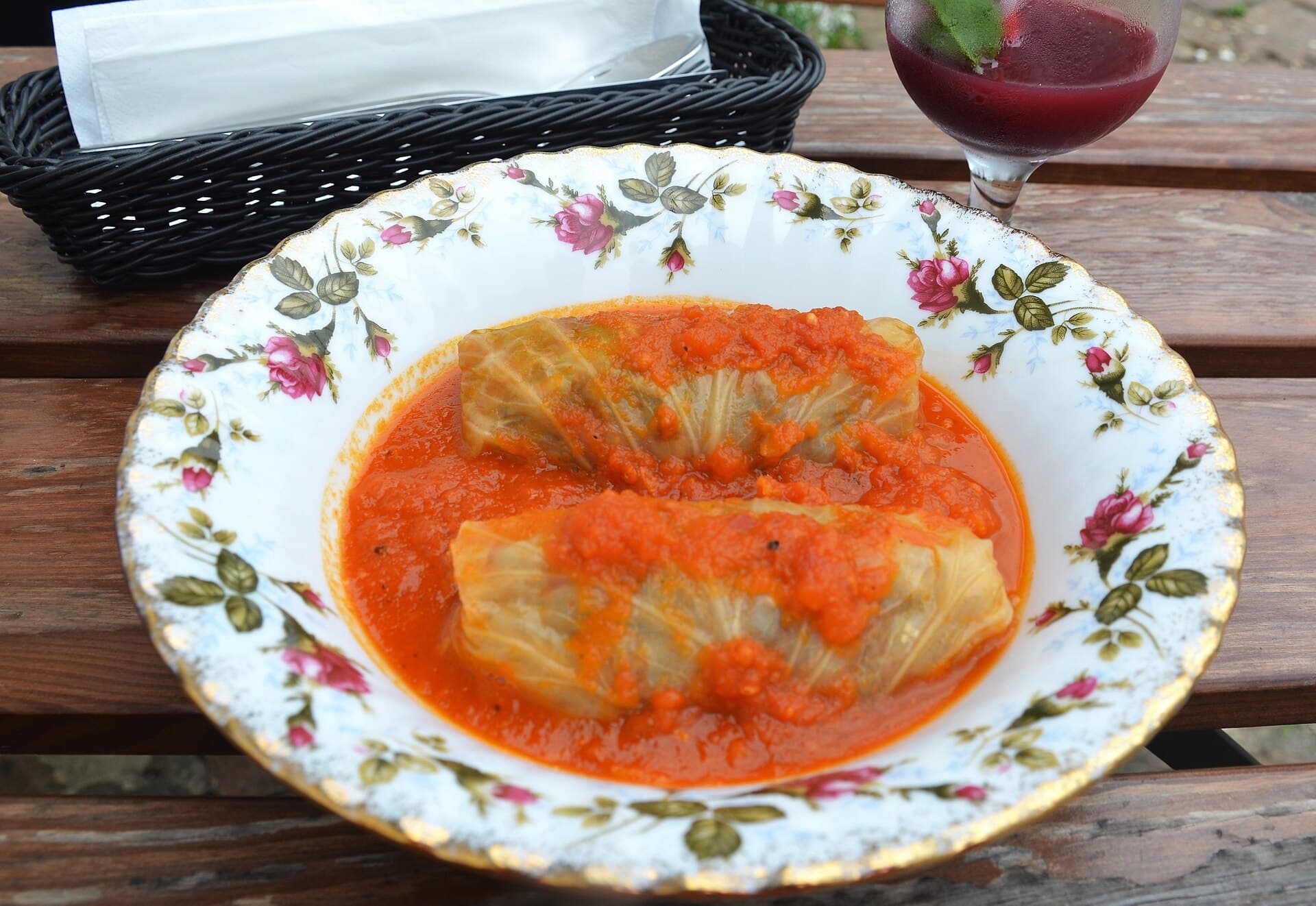
1880s-present
Stuffed cabbage is a beloved dish among Polish, Czech, Slovak, and Eastern European immigrants to America in the early 20th century. Cabbage leaves are filled with a mixture of ground meat, rice, and seasonings, then simmered in a tangy tomato sauce, commonly served at state fairs, diners, and holiday tables.