
Recipe archive
Loading
Setting the table...
Fetching the latest recipes from the archive.
Loading
Fetching the latest recipes from the archive.
Recipe archive
America's Melting Pot
Rice hero image coming soon
Before 1776 - General American Home Cooks Across Regions
Rice is a versatile, widely consumed grain prepared plain or flavored, often associated with good luck and prosperity in American holiday traditions. From cross-era variations, rice has been incorporated into many regional cuisines and festive dishes across the United States.
No featured photo yet. Upload a photo with your review. The highest-rated community photo may become this recipe's hero image.
Difficulty
Easy
Prep time
5 minutes
Cook time
20 minutes
Total time
25 minutes
Servings
6
Region
South Carolina Lowcountry and Georgia Sea Islands
Era introduced
Before 1776
Introduced by
General American Home Cooks Across Regions
Recipe tools
Log in to save this recipe to a collection.
Rice has been a dietary staple in numerous American regions and immigrant communities for centuries, featured in simple boiled forms or as a base for elaborate dishes. Across various cultural groups, rice is traditionally associated with good luck and is commonly served during holidays and celebrations. This recipe reflects rice's enduring role in American foodways, from plantation-era Southern cooks to modern households nationwide.
Share family changes, regional twists, or pantry-friendly adaptations as full community recipes.
Log in to submit a community recipe.
No community recipes yet. Submitted recipes are published right away.
Rate this recipe and share how it worked at your table.
Log in to review this recipe.
No reviews yet. Be the first to rate this recipe.
Recipes matched by era, region, occasion, ingredients, and cultural roots from the archive.
Same era
America's Melting Pot
Blackstrap Molasses photo coming soon
1700s-present
Blackstrap Molasses is a sweet sauce with real American table personality: Baking, beans, gingerbread, wartime thrift. It brings flavor from coast-to-coast American tables to cookouts, counters, lunch plates, potlucks, and weeknight suppers.
1700s-present
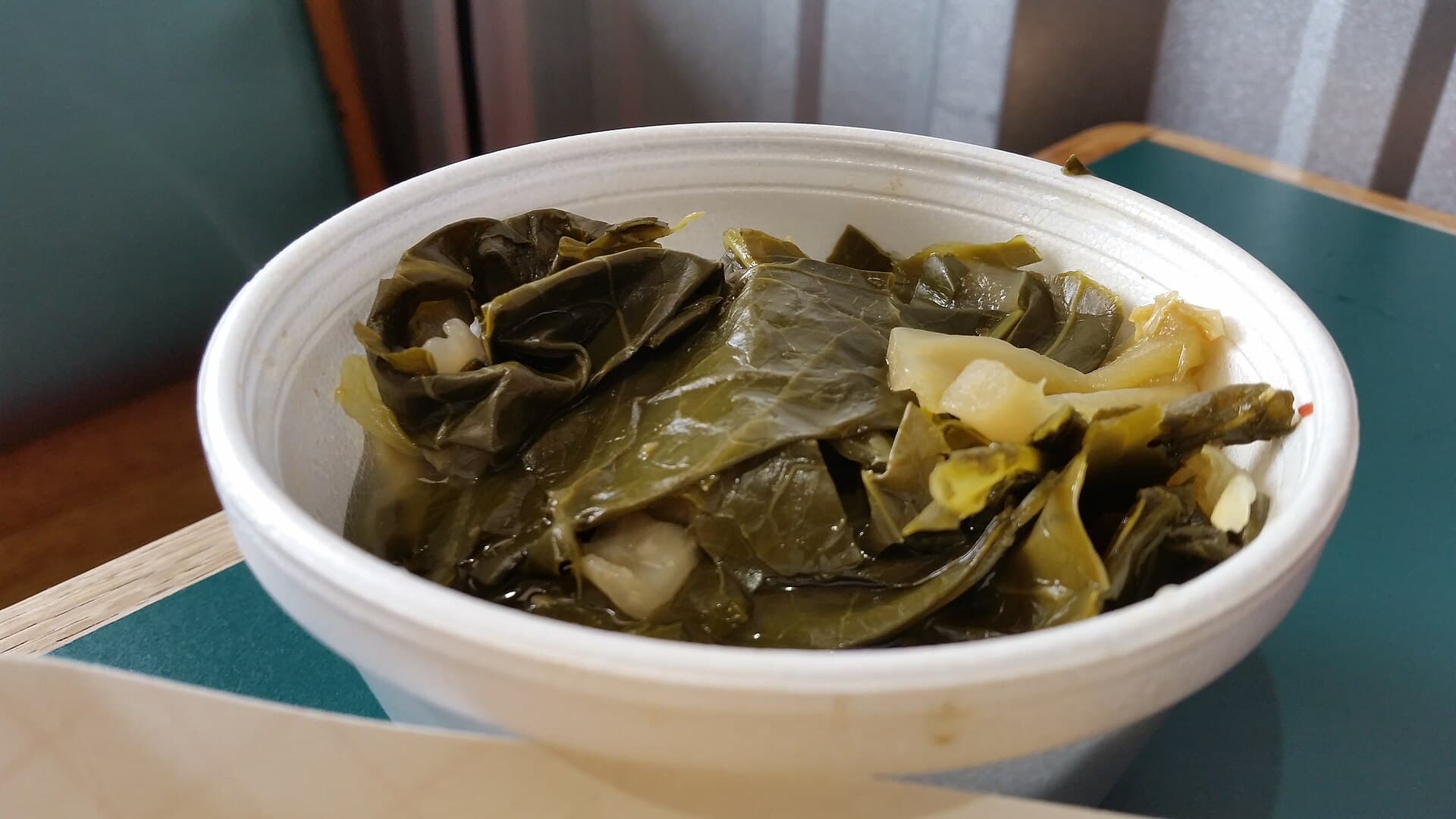
Collard greens are a Southern staple of slow-cooked leafy greens, often simmered with smoked meats and seasonings. Served frequently at Thanksgiving and other holidays, they reflect African American and Southern culinary traditions blending native and immigrant foodways. This versatile side dish is a symbol of Southern hospitality and cultural heritage.
America's Melting Pot
Eastern North Carolina Whole Hog photo coming soon
1700s-present
Eastern North Carolina Whole Hog barbecue is a traditional slow-cooked pork technique where an entire hog is cooked over wood coals and served with a tangy, vinegar-based sauce. This style emphasizes simplicity, smoky flavor, and communal preparation often associated with regional celebrations.
Same region
1700s-present
Collard greens are a Southern staple of slow-cooked leafy greens, often simmered with smoked meats and seasonings. Served frequently at Thanksgiving and other holidays, they reflect African American and Southern culinary traditions blending native and immigrant foodways. This versatile side dish is a symbol of Southern hospitality and cultural heritage.
America's Melting Pot
Greens photo coming soon
1700s-present
Cooked greens have been a traditional Southern American dish associated with New Year's and good luck. Derived from African American and Southern settlements, the dish typically involves collard, mustard, or turnip greens slow-cooked with smoked meat for rich flavor. Its cultural significance endures.
1900s-present
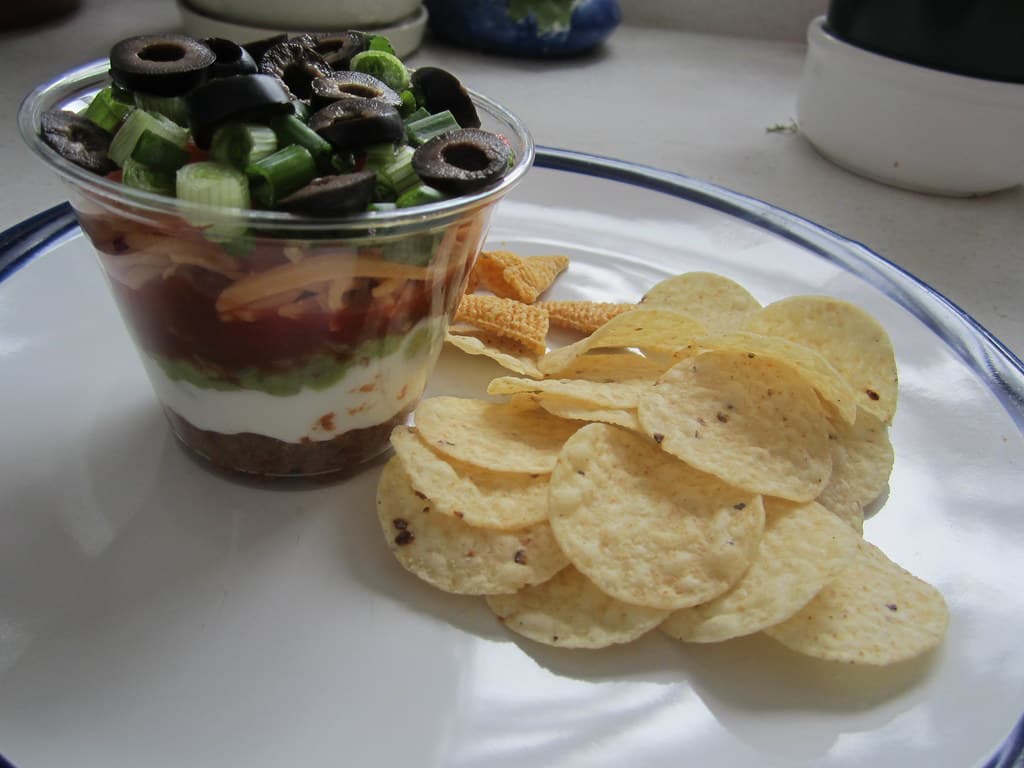
7-Layer Dip is a party dip with real American table personality: Tex-Mex party dish. It brings flavor from Texas and the Southwest to cookouts, counters, lunch plates, potlucks, and weeknight suppers.
Same table
1500s-present
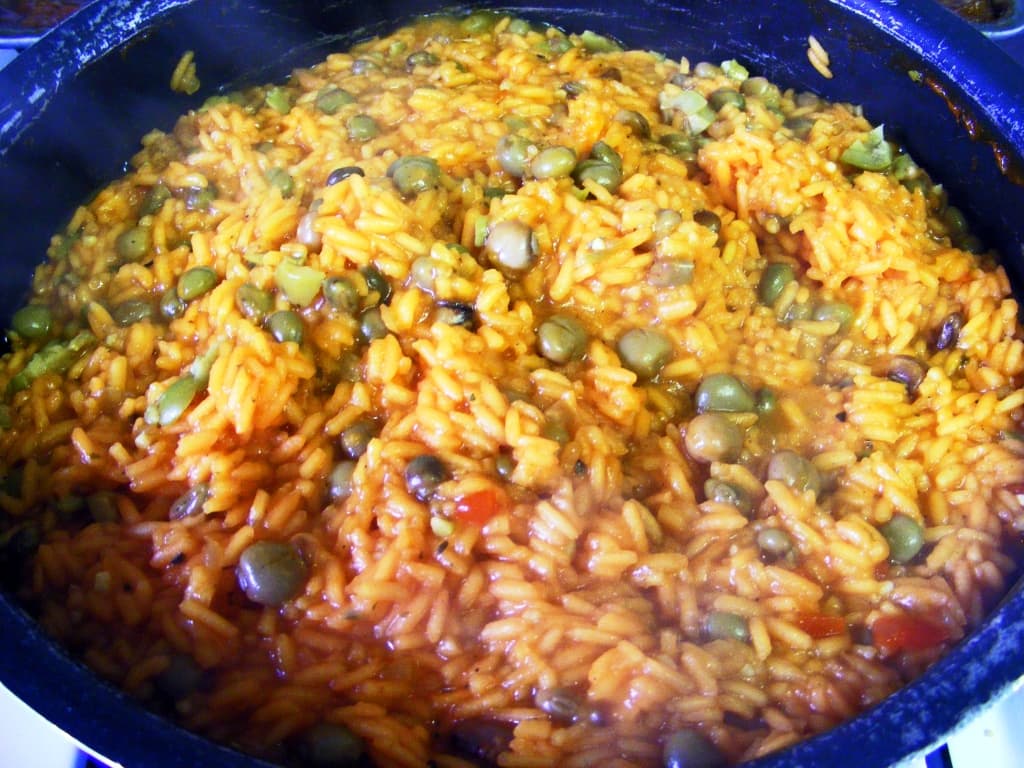
A Puerto Rican arroz con gandules made in one pot with medium-grain rice, pigeon peas, sofrito, sazon, pork, olives, and a patient steam for fluffy grains and coveted pegao.
1900-2026
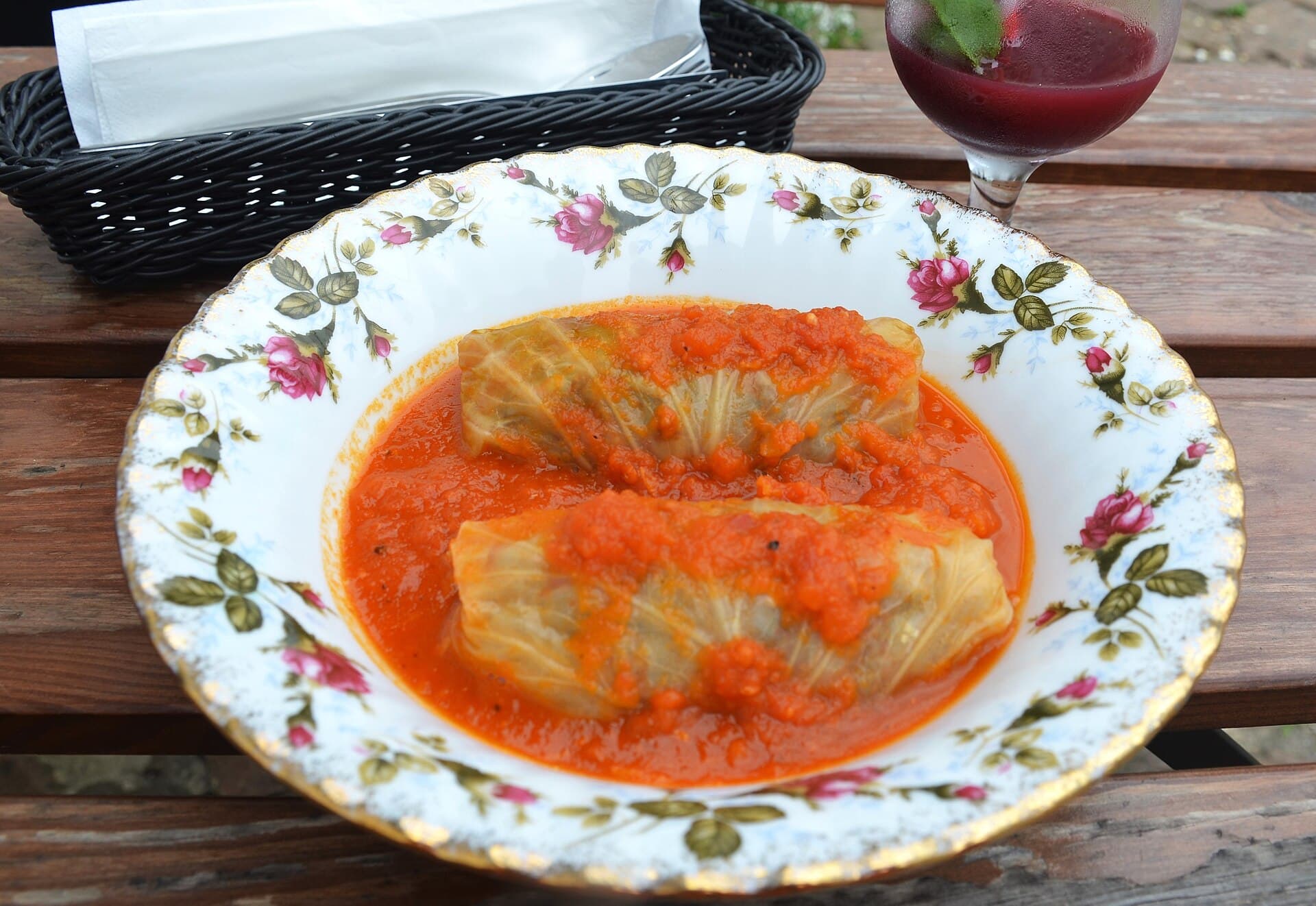
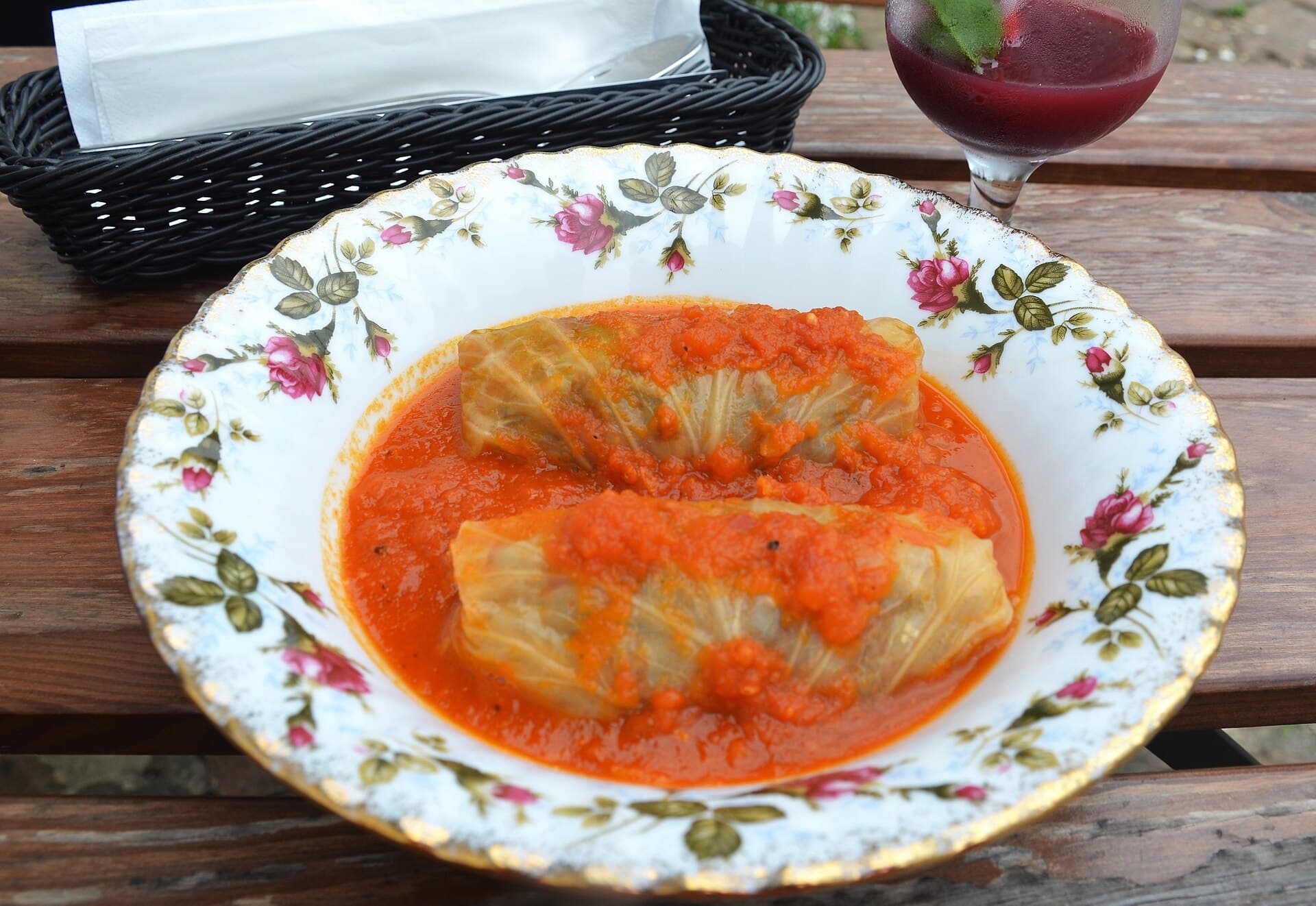
Cabbage rolls came to American tables through many Eastern European and Jewish immigrant communities. Polish golabki, Ukrainian holubtsi, Slovak holubky, Jewish holishkes, and related dishes all wrap humble cabbage around a filling that stretches meat with rice or grain.
1880s-present
Stuffed cabbage is a beloved dish among Polish, Czech, Slovak, and Eastern European immigrants to America in the early 20th century. Cabbage leaves are filled with a mixture of ground meat, rice, and seasonings, then simmered in a tangy tomato sauce, commonly served at state fairs, diners, and holiday tables.