
Recipe archive
Loading
Setting the table...
Fetching the latest recipes from the archive.
Loading
Fetching the latest recipes from the archive.
Recipe archive
America's Melting Pot
Rice Pudding hero image coming soon
1861-1900 - Scandinavian-American Settlers in the Midwest
Rice Pudding is a creamy, gently spiced baked or stovetop dessert featuring rice, milk, sugar, and often eggs or cream. Common among Scandinavian-American communities and other settlers from 1861 to 1900, this dish combined affordable ingredients into a satisfying sweet course.
No featured photo yet. Upload a photo with your review. The highest-rated community photo may become this recipe's hero image.
Difficulty
Medium
Prep time
15 minutes
Cook time
1 hour
Total time
1 hour 15 minutes
Servings
6
Region
Midwest
Era introduced
1861-1900
Introduced by
Scandinavian-American Settlers in the Midwest
Recipe tools
Log in to save this recipe to a collection.
Between 1861 and 1900, Scandinavian immigrants brought traditions of creamy rice desserts to the American Midwest. Combining simple staples like rice, milk, and sugar, often baked slowly with eggs or cream, rice pudding became a favored dessert and comfort food during colder months. Its extended history through the Civil War and later economic challenges underscores the role of frugal yet rich desserts in immigrant and frontier cooking traditions.
Share family changes, regional twists, or pantry-friendly adaptations as full community recipes.
Log in to submit a community recipe.
No community recipes yet. Submitted recipes are published right away.
Rate this recipe and share how it worked at your table.
Log in to review this recipe.
No reviews yet. Be the first to rate this recipe.
Recipes matched by era, region, occasion, ingredients, and cultural roots from the archive.
Same era
America's Melting Pot
Army Bean Soup photo coming soon
1861-1900
A hearty military-style bean soup built on navy beans, smoked ham hock, onion, celery, carrot, and bay leaf, adapted for a home pot from large-batch service traditions.

1861-1900
A basic homemade bagel recipe using high-protein flour, malt or brown sugar, a short boil, and a hot bake for chewy New York-style results.
America's Melting Pot
Bagels with Schmear photo coming soon
1861-1900
A deli-style bagel with a thick schmear of plain or scallion cream cheese, with optional onion, capers, tomato, and cucumber.
Same region
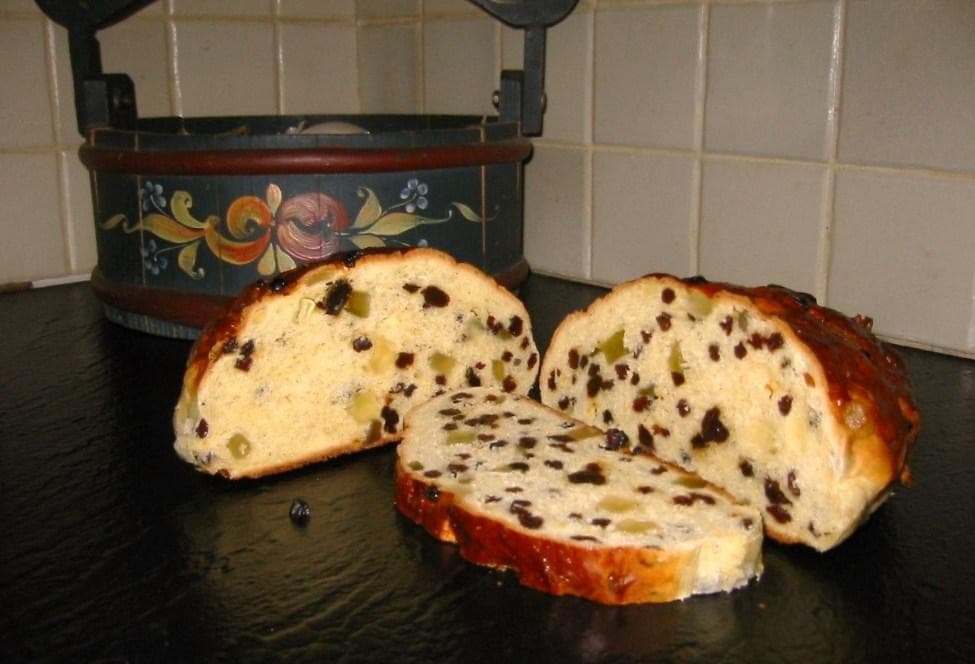
1861-1900
Julekake is a traditional Norwegian Christmas bread flavored with cardamom, studded with raisins, candied citrus peel, and sometimes almonds. Brought to the American Midwest by Scandinavian immigrants between 1861 and 1900, it remains a festive bread symbolizing heritage and holiday celebration.
America's Melting Pot
Kringla photo coming soon
1861-1900
Kringla is a lightly sweet, buttery Scandinavian cookie shaped like a pretzel, traditionally associated with church and holiday celebrations in the Midwest. Norwegian immigrants brought this recipe during the 19th century, where it became part of Christmas and Easter gatherings, symbolizing cultural continuity in immigrant farming communities.
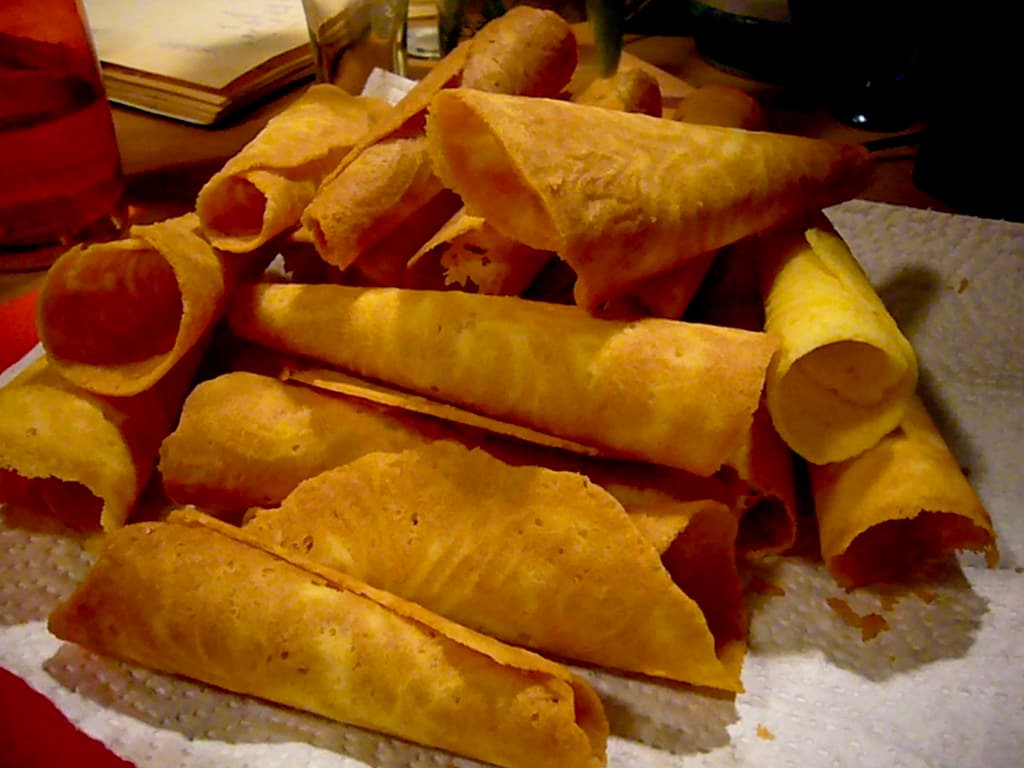
1861-1900
Krumkake are thin, crisp Norwegian waffle cookies rolled into cones, often filled with whipped cream or preserved fruit. Introduced by Scandinavian settlers to the Midwest in the late 19th century, krumkake became holiday staples for Christmas and family celebrations, highlighting continuity of heritage and festive customs.
Same table
America's Melting Pot
Rosettes photo coming soon
1861-1900
Rosettes are delicate, deep-fried Scandinavian pastries made from a thin batter shaped in flower forms using a special iron mold. Brought by Norwegian and Swedish immigrants to the Midwest in the 19th century, rosettes remain a festive treat often served during holidays and celebrations.
America's Melting Pot
Greek Diner Rice Pudding photo coming soon
1900s-present
Greek diner rice pudding is a creamy dessert made from rice cooked with milk, sugar, and often flavored with cinnamon or lemon. Introduced by Greek immigrant communities in the early 20th century, this pudding became a classic offering in diners across the United States, prized for its comforting texture and simple ingredients.
America's Melting Pot
Sandbakkels photo coming soon
1861-1900
Sandbakkels are Norwegian buttery, crisp sugar cookies baked in fluted tins to create delicate, cup-shaped treats. They have been preserved and popularized by Scandinavian-American families in the Midwest since the 19th century, often served during Christmas and special occasions.