
Recipe archive
Loading
Setting the table...
Fetching the latest recipes from the archive.
Loading
Fetching the latest recipes from the archive.
Recipe archive
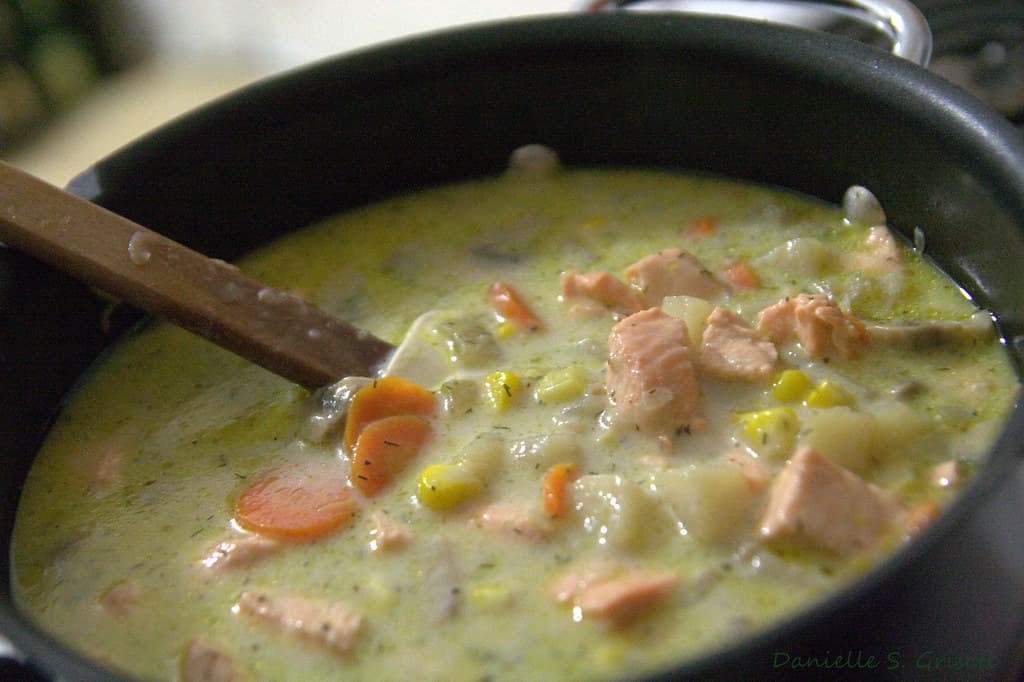
1900-1929 - Alaskan hunters, fishers, and cabin dwellers
Salmon chowder is a creamy, satisfying soup made with fresh or canned salmon, potatoes, onions, and cream. Popular in Alaska and coastal regions, this chowder reflects resourceful cooking with local seafood in rustic camp and cabin settings.
Community-powered photos. Reviewers can upload dish photos, and the highest-rated community image may be featured here.
Difficulty
Medium
Prep time
15 minutes
Cook time
40 minutes
Total time
55 minutes
Servings
6
Region
Alaska and Pacific Northwest fishing communities
Era introduced
1900-1929
Introduced by
Alaskan hunters, fishers, and cabin dwellers
Recipe tools
Log in to save this recipe to a collection.
Salmon chowder represents a staple food in Alaskan hunting and fishing camps, as well as cabins where fresh local fish is abundant. Combining salmon with hearty root vegetables and creamy broth, the chowder delivers warmth and sustenance amid rugged conditions. Its recipe preserves Indigenous and settler influences adapted to northern coastal environments.
Share family changes, regional twists, or pantry-friendly adaptations as full community recipes.
Log in to submit a community recipe.
No community recipes yet. Submitted recipes are published right away.
Rate this recipe and share how it worked at your table.
Log in to review this recipe.
No reviews yet. Be the first to rate this recipe.
Recipes matched by era, region, occasion, ingredients, and cultural roots from the archive.
Same era
America's Melting Pot
American French Dressing photo coming soon
1900s-present
American French Dressing is a dressing with real American table personality: The bright orange-red, sweet, tomatoey bottled dressing Americans call "French." Not very French, very American. It brings flavor from coast-to-coast American tables to cookouts, counters, lunch plates, potlucks, and weeknight suppers.
America's Melting Pot
Apple Pie Shake photo coming soon
1922-present
Apple Pie Shake brings drive-in, carhop, and fast-food dessert-counter energy to the table: Diner pie a la mode in a cup.
America's Melting Pot
Avgolemono Soup photo coming soon
1900-1929
A silky Greek-American chicken, rice, egg, and lemon soup made by tempering eggs into hot broth for a creamy dairy-free finish.
Same region
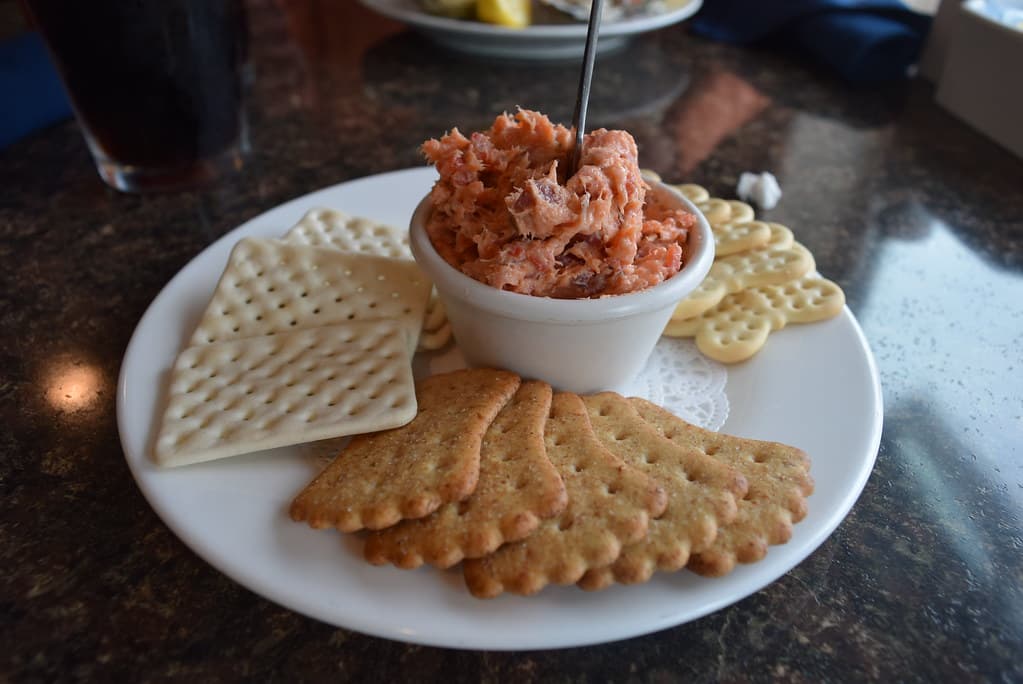
mid-1900s-present
Smoked salmon dip is a popular appetizer in the Pacific Northwest reflecting the abundance of local smoked salmon. This dip combines smoky fish with creamy bases and complementary herbs, offering a versatile dish common at gatherings and celebrations in the region.
America's Melting Pot
Air Fryer Salmon photo coming soon
2010-2026
Salmon fillets seasoned simply and air-fried until browned outside and flaky within.
America's Melting Pot
Salmon Burger Dill Sauce photo coming soon
1900s-present
Salmon Burger Dill Sauce is a seafood sauce with real American table personality: Pacific Northwest and Alaska-style seafood condiment. It brings flavor from the Pacific Northwest and Mountain West to cookouts, counters, lunch plates, potlucks, and weeknight suppers.
Same table
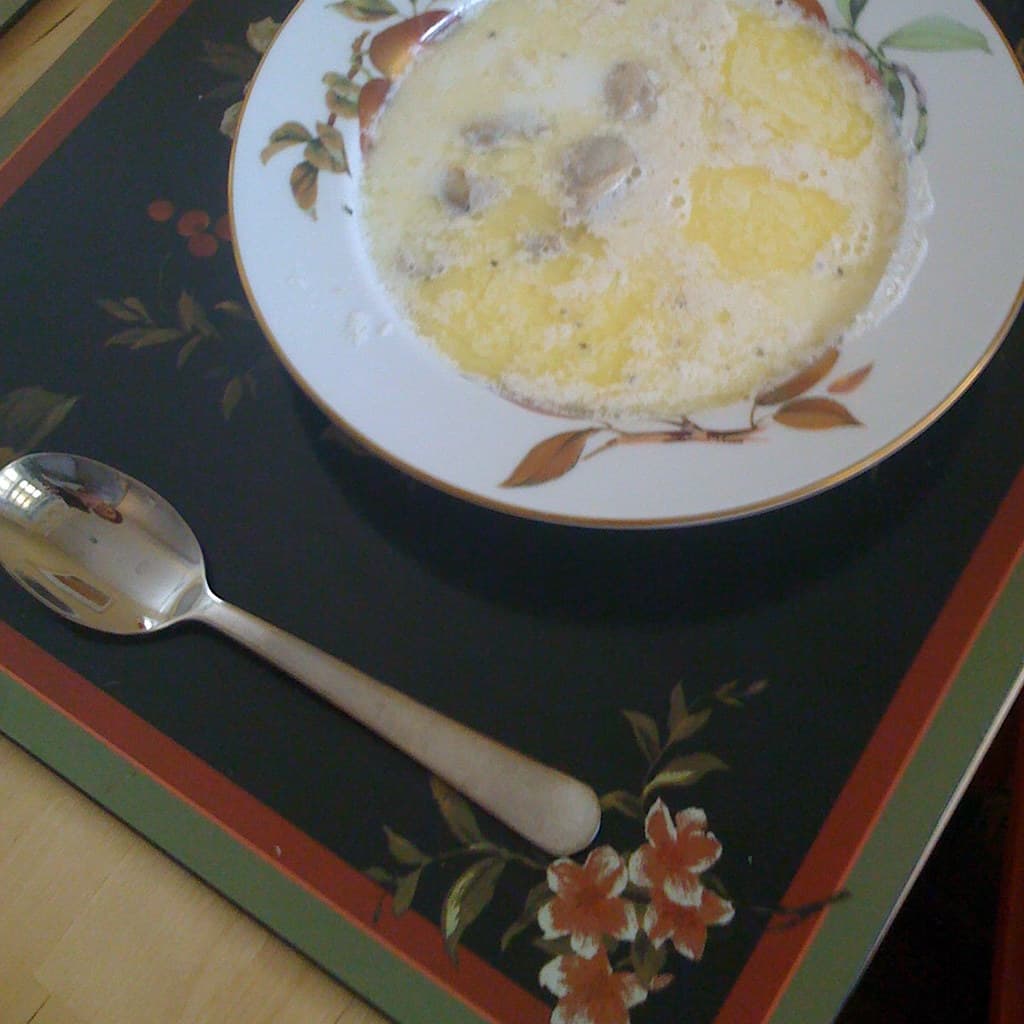
1700s-present
Oyster stew is a traditional American soup popular during the late 18th century, especially in coastal regions. This creamy stew features fresh oysters simmered in milk or cream with subtle seasonings, reflecting colonial America's use of locally sourced seafood.
America's Melting Pot
Rotisserie Chicken Noodle Soup photo coming soon
1990s-present
This rotisserie chicken noodle soup combines store-bought roasted chicken with vegetables and egg noodles to create a hearty, comforting dish. It reflects modern American weeknight comfort food influenced by convenience cooking and food truck menus.
America's Melting Pot
Rmmegrt photo coming soon
1861-1900
Rmmegrt is a creamy porridge made from sour cream, whole milk, flour, butter, and salt. It originates from Norwegian immigrants in the American Midwest during the late 19th century, serving as a hearty comfort food especially during colder months. The dish exemplifies Scandinavian-American influence on regional cooking traditions.