
Recipe archive
Loading
Setting the table...
Fetching the latest recipes from the archive.
Loading
Fetching the latest recipes from the archive.
Recipe archive
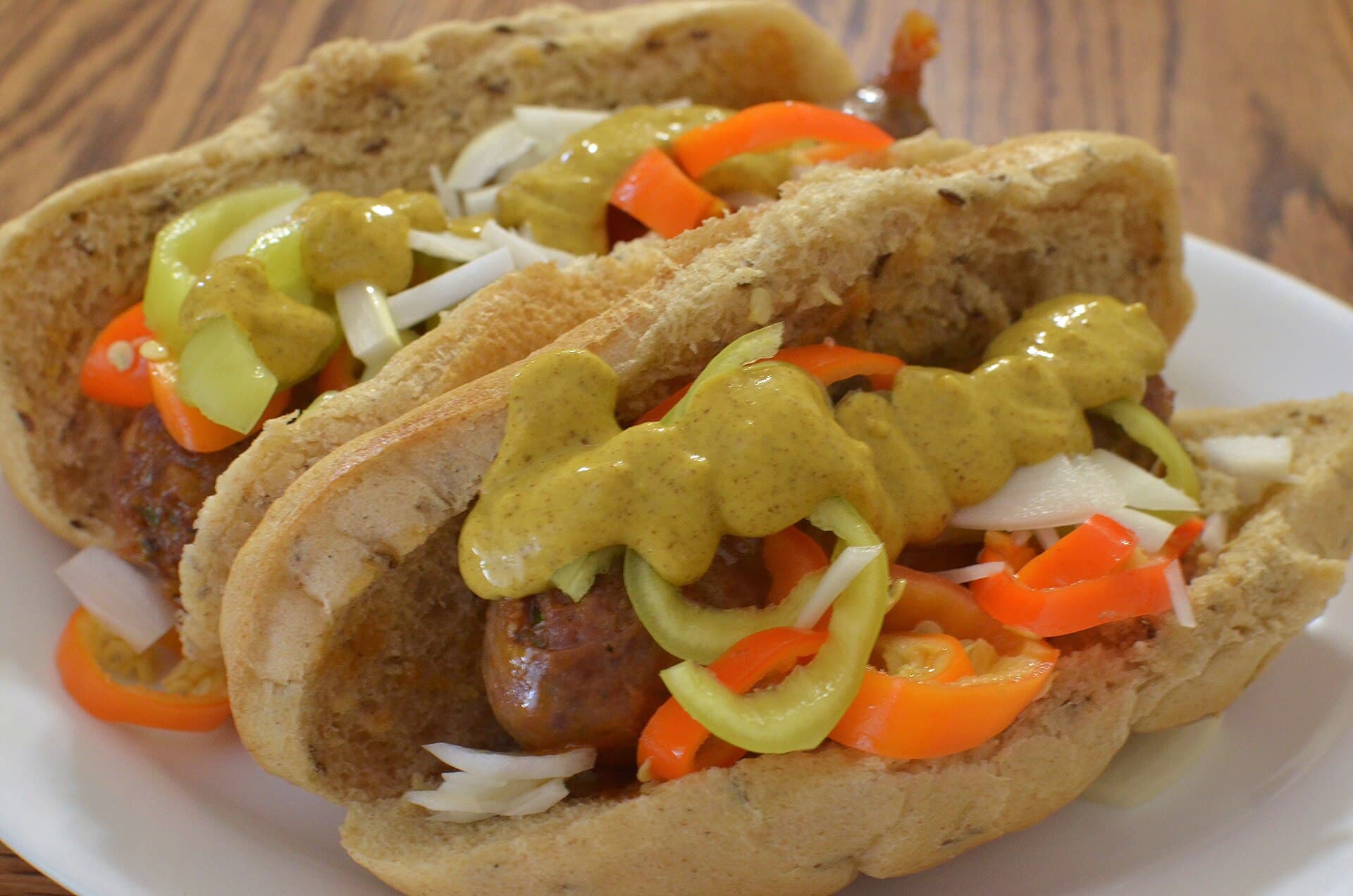
1900-1929 - Italian-American immigrant cooks and American diner kitchens
Sausage and Peppers is a vibrant Italian-American dish featuring sweet or hot Italian sausage cooked with sauteed bell peppers, onions, and tomato sauce. Popularized in the late 19th century during Italian immigration, it became a staple at state fairs, diners, and community gatherings across America.
Community-powered photos. Reviewers can upload dish photos, and the highest-rated community image may be featured here.
Difficulty
Easy
Prep time
15 minutes
Cook time
30 minutes
Total time
45 minutes
Servings
4
Region
New York City Italian American street feasts and neighborhood festivals
Era introduced
1900-1929
Introduced by
Italian-American immigrant cooks and American diner kitchens
Recipe tools
Log in to save this recipe to a collection.
Emerging from Italian-American immigrant kitchens during the turbulent Civil War and Reconstruction era, Sausage and Peppers melds robust Italian flavors with American ingredients. This dish showcases sweet or hot Italian sausage simmered with colorful bell peppers, onions, and sometimes tomato sauce, reflecting immigrant adaptation to new local produce. It established itself in diners, lunch counters, and state fairs, becoming a beloved, practical meal symbolizing cultural fusion and working-class sustenance.
Share family changes, regional twists, or pantry-friendly adaptations as full community recipes.
Log in to submit a community recipe.
No community recipes yet. Submitted recipes are published right away.
Rate this recipe and share how it worked at your table.
Log in to review this recipe.
No reviews yet. Be the first to rate this recipe.
Recipes matched by era, region, occasion, ingredients, and cultural roots from the archive.
Same era
America's Melting Pot
American French Dressing photo coming soon
1900s-present
American French Dressing is a dressing with real American table personality: The bright orange-red, sweet, tomatoey bottled dressing Americans call "French." Not very French, very American. It brings flavor from coast-to-coast American tables to cookouts, counters, lunch plates, potlucks, and weeknight suppers.
America's Melting Pot
Apple Pie Shake photo coming soon
1922-present
Apple Pie Shake brings drive-in, carhop, and fast-food dessert-counter energy to the table: Diner pie a la mode in a cup.
America's Melting Pot
Avgolemono Soup photo coming soon
1900-1929
A silky Greek-American chicken, rice, egg, and lemon soup made by tempering eggs into hot broth for a creamy dairy-free finish.
Same region
1900-2026
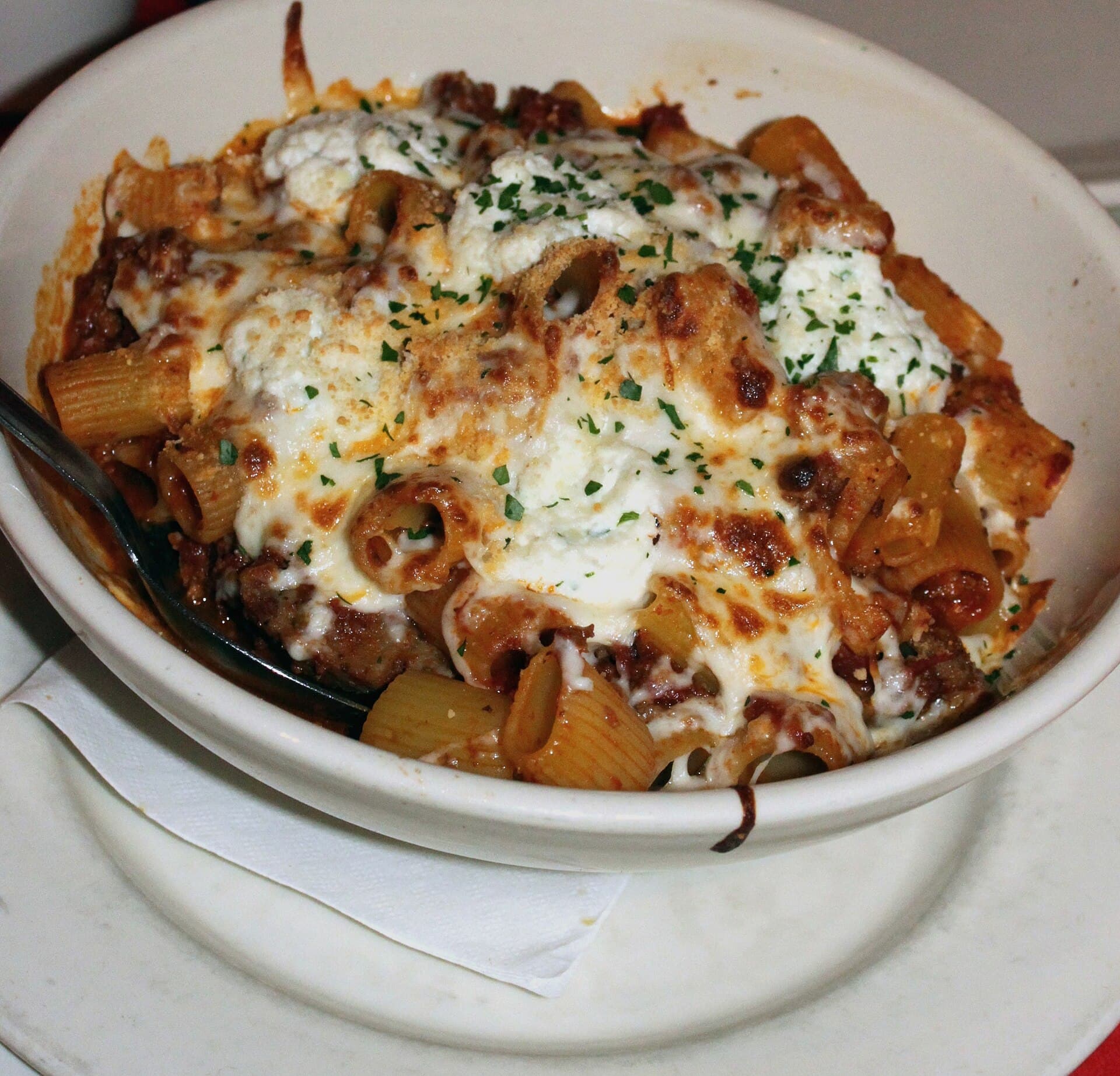
A crowd-friendly baked ziti casserole layered with marinara, ricotta, mozzarella, Parmesan, and optional Italian sausage.
early 1900s-present
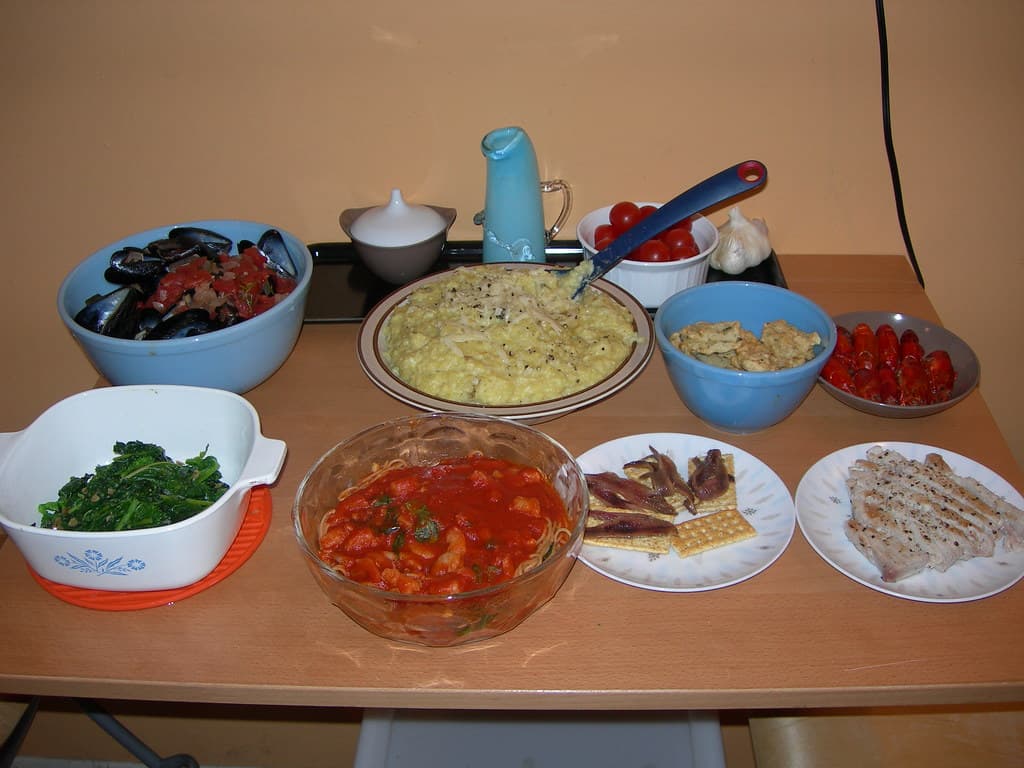
The Feast of the Seven Fishes is a traditional Italian-American Christmas Eve celebration featuring seven different seafood dishes. Rooted in Italian Catholic fasting customs, it has evolved into a special communal meal enjoyed throughout the United States across eras as part of holiday traditions.
1900s-present
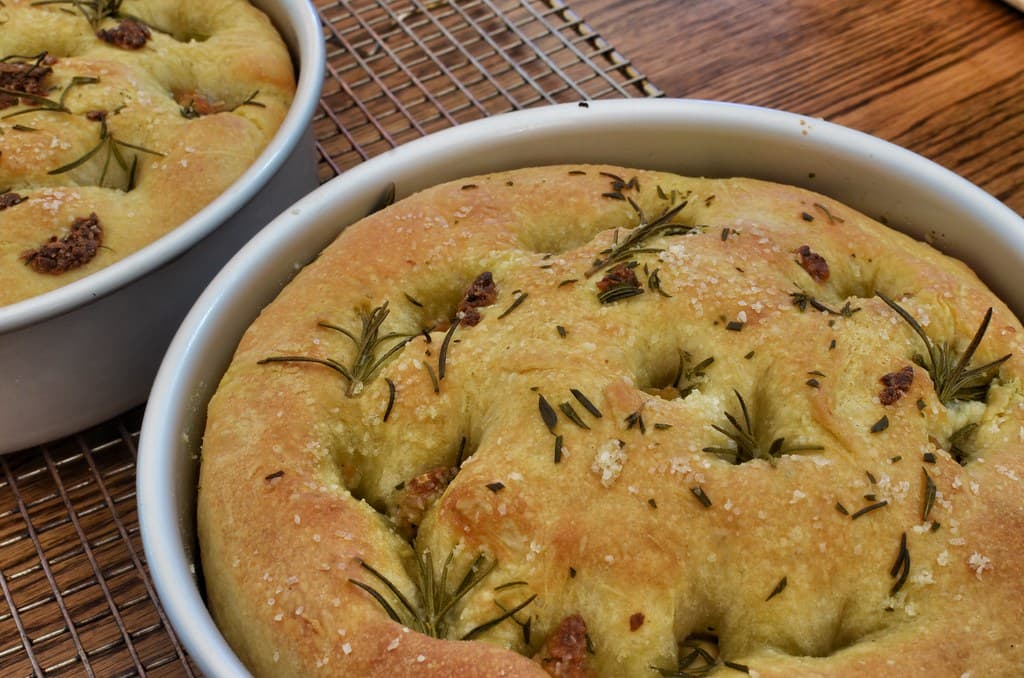
Focaccia is a flat Italian-style bread seasoned with olive oil, herbs, and often sea salt. Italian immigrants introduced focaccia to the United States during the late 19th century, adapting Old World baking techniques to American ingredients, thus becoming a beloved Italian-American staple bread.
Same table
America's Melting Pot
Sheet Pan Sausage and Peppers photo coming soon
2010s-present
Sheet Pan Sausage and Peppers combines Italian sausage with bell peppers and onions roasted together on one pan, creating a comforting and straightforward meal favored in Italian-American households and casual dining.
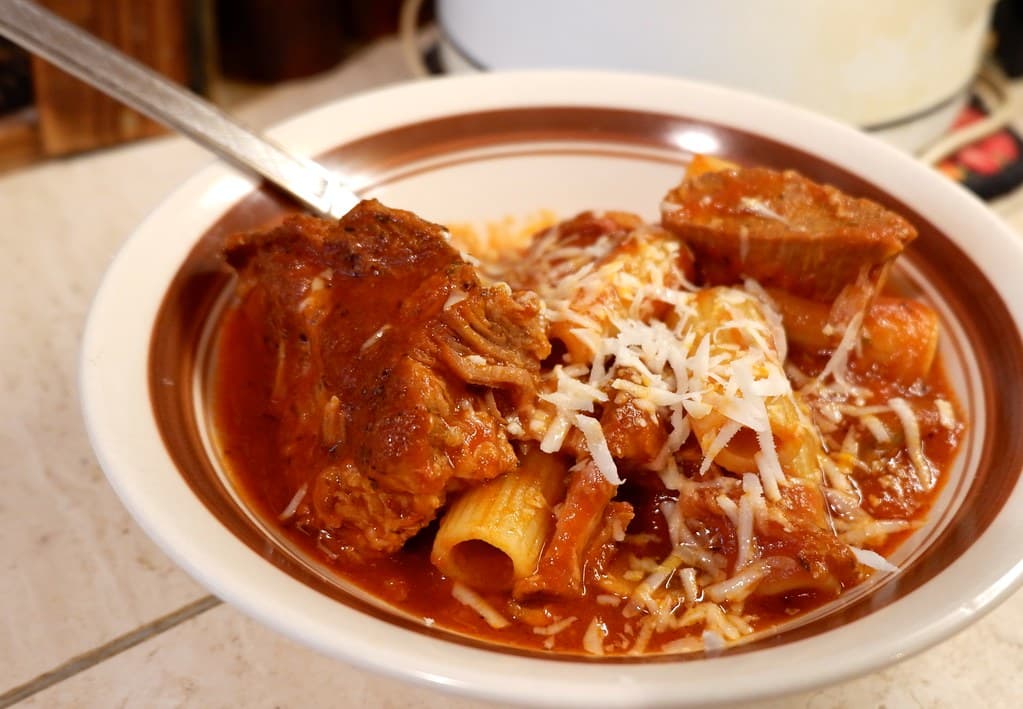
1900s-present
Sunday Gravy is a rich Italian-American tomato sauce slow-simmered with various meats including pork, beef, and sausage, traditionally served after Sunday mass. This communal sauce is foundational to many Italian-American family meals and celebrations.
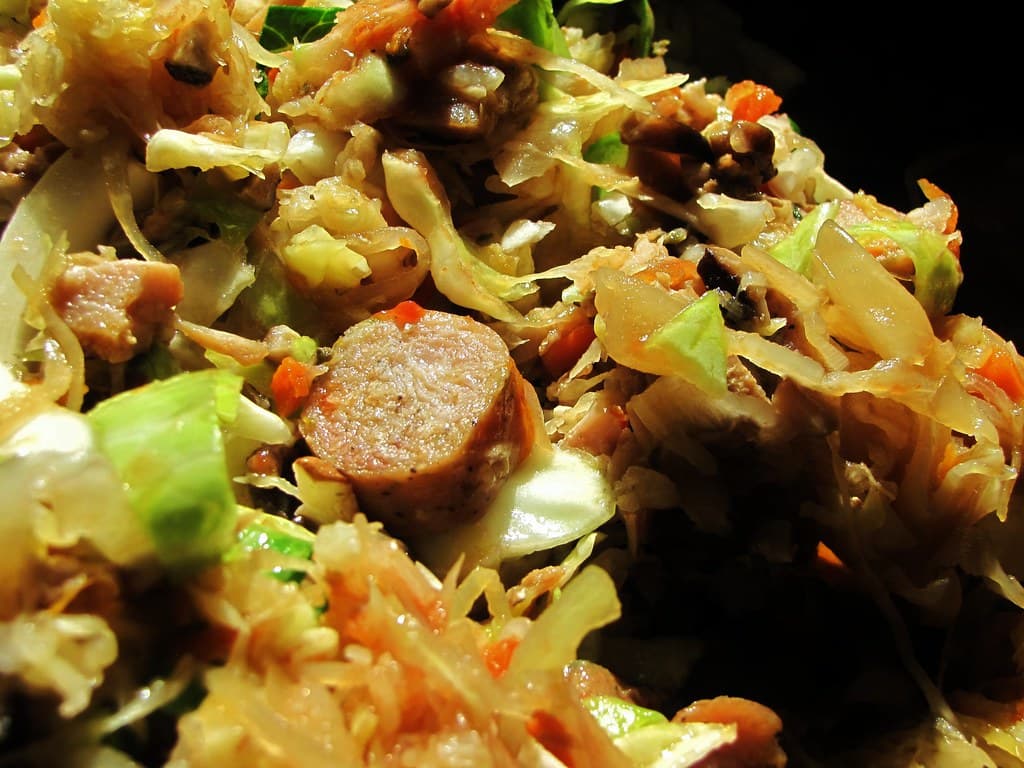
1880s-present
Kielbasa and sauerkraut is a traditional Eastern European dish combining smoked sausage with tangy fermented cabbage. Immigrant communities brought this hearty comfort food to American diners, state fairs, and holiday tables during the early 20th century, representing cultural preservation in new urban environments.