
Recipe archive
Loading
Setting the table...
Fetching the latest recipes from the archive.
Loading
Fetching the latest recipes from the archive.
Recipe archive
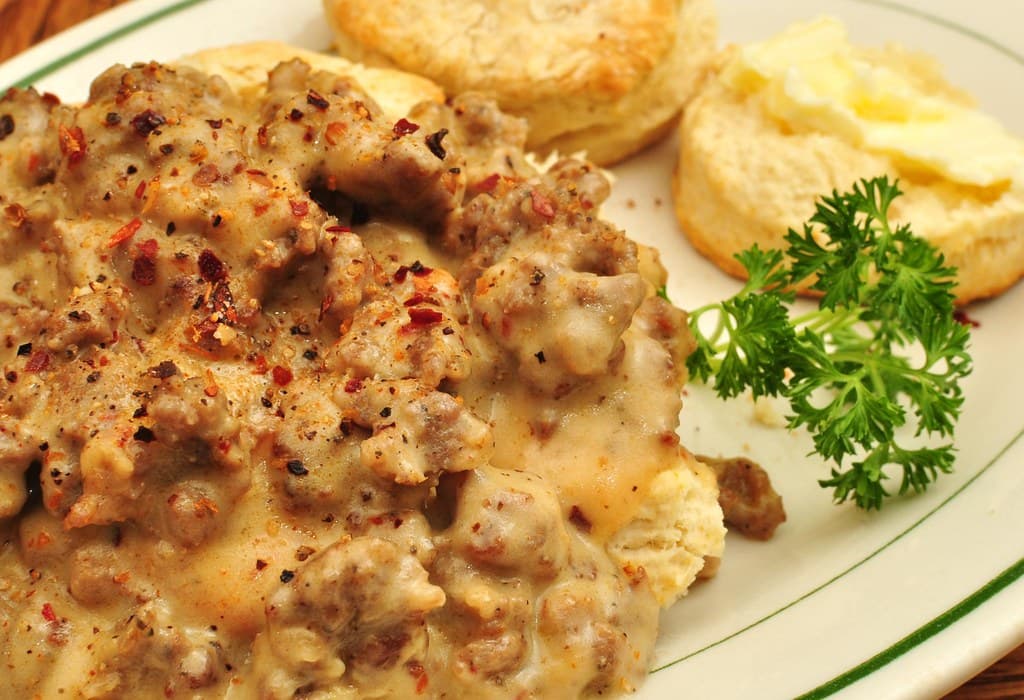
1800-1860 - Southern American home cooks and breakfast diners
Sausage Gravy is a creamy gravy made from breakfast sausage drippings, milk, and flour, traditionally served over biscuits. Originating in Southern American breakfasts, this dish is a comforting staple across various regions of the United States and represents classic American breakfast fare.
Community-powered photos. Reviewers can upload dish photos, and the highest-rated community image may be featured here.
Difficulty
Easy
Prep time
10 minutes
Cook time
15 minutes
Total time
25 minutes
Servings
4
Region
Appalachian and Southern farm kitchens
Era introduced
1800-1860
Introduced by
Southern American home cooks and breakfast diners
Recipe tools
Log in to save this recipe to a collection.
Sausage Gravy comes from Southern American breakfast traditions where cooks transformed simple ingredients like sausage drippings, milk, and flour into a rich gravy served atop fresh biscuits. Its origin traces back to affordable, hearty breakfasts designed to sustain working families. As it gained popularity, sausage gravy spread beyond the South to become a beloved classic throughout the United States, emblematic of American breakfast culture's comfort food.
Share family changes, regional twists, or pantry-friendly adaptations as full community recipes.
Log in to submit a community recipe.
No community recipes yet. Submitted recipes are published right away.
Rate this recipe and share how it worked at your table.
Log in to review this recipe.
No reviews yet. Be the first to rate this recipe.
Recipes matched by era, region, occasion, ingredients, and cultural roots from the archive.
Same era
America's Melting Pot
Acorn Bread photo coming soon
1800-1860
A nutty, lightly sweet quick bread made with properly leached acorn flour, cornmeal, and wheat flour.
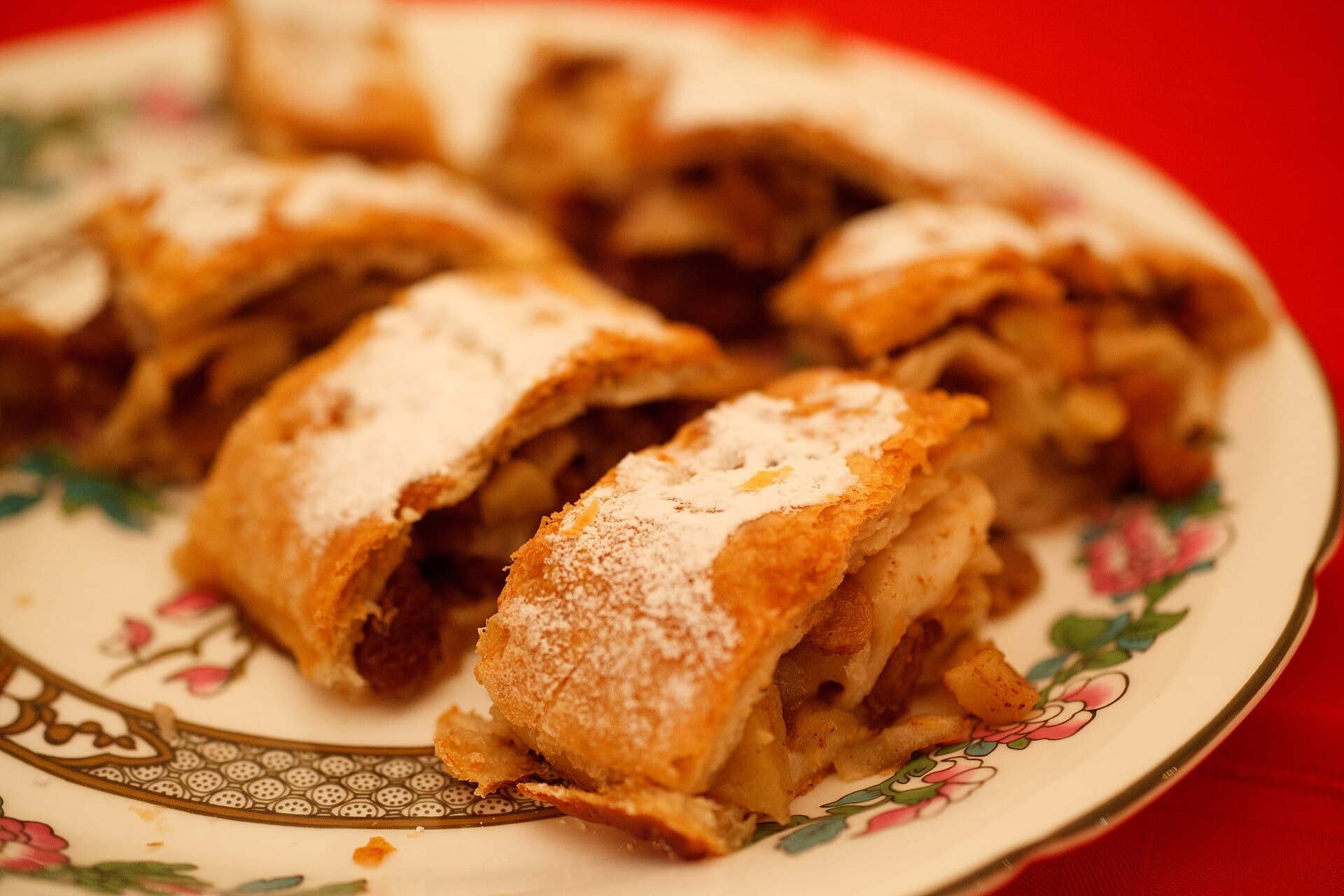
1800-1860
A German-American apple strudel made with crisp apples, raisins, cinnamon, buttered crumbs, and flaky phyllo for a practical home version of a Central European pastry.
America's Melting Pot
Asparagus photo coming soon
1800s/early 1900s-present
A bright American Easter asparagus side, quickly cooked and dressed with lemon butter, herbs, and hard-cooked egg in the spirit of old spring-table recipes.
Same region
America's Melting Pot
Cornbread photo coming soon
1930-1945
Cornbread is a versatile quick bread made primarily from cornmeal, commonly baked or fried in the South and Appalachia during the Great Depression and World War II eras. It was a dietary staple in military mess halls and home kitchens, valued for economical ingredients and satisfying flavor. Often served alongside barbecue and holiday meals, this cornbread represents resilience and regional culinary heritage in trying times.
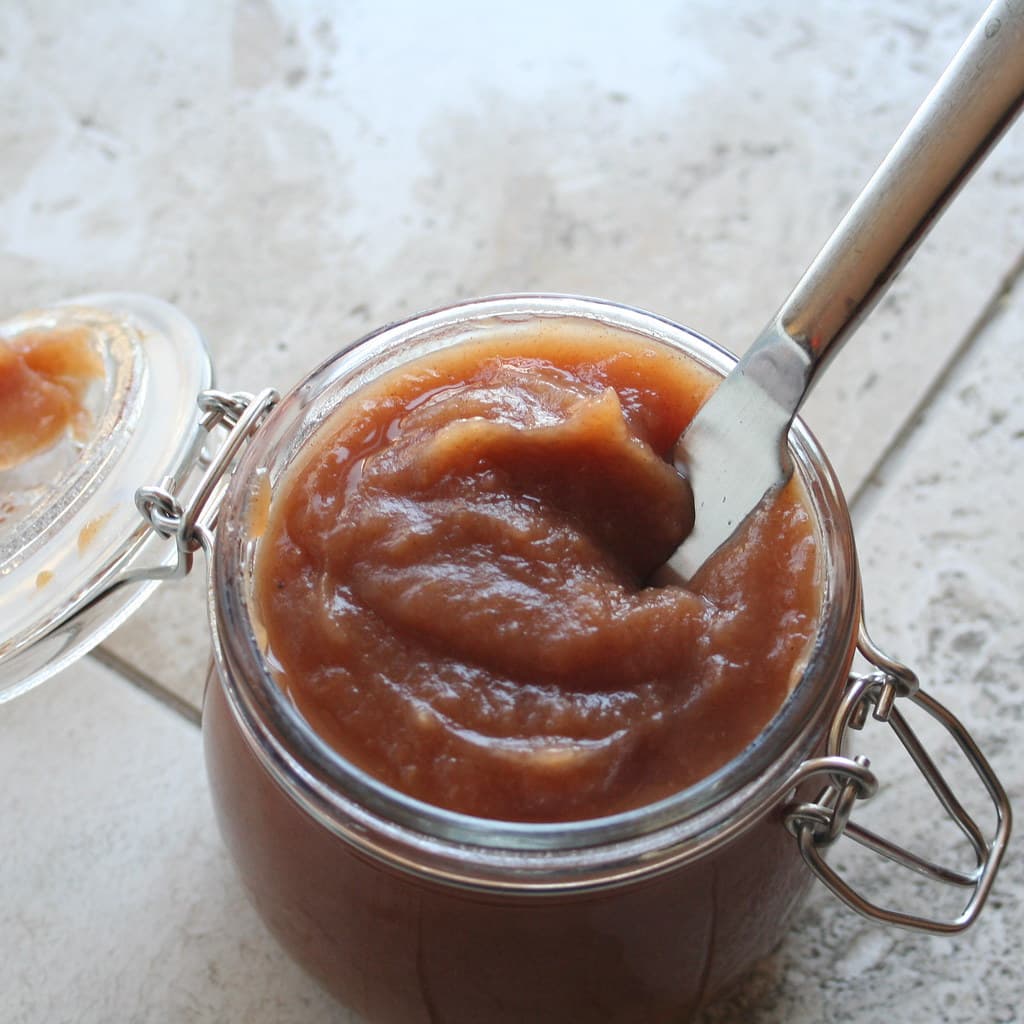
1700s-present
Apples cooked down with cider, sugar, and warm spices into a dark, spreadable fruit butter.
America's Melting Pot
Apple Butter on Biscuits photo coming soon
1700s-present
Warm buttermilk biscuits split and served with butter and spiced apple butter.
Same table
America's Melting Pot
Apple Butter on Biscuits photo coming soon
1700s-present
Warm buttermilk biscuits split and served with butter and spiced apple butter.
America's Melting Pot
Biscuits and Gravy photo coming soon
1800-2026
Biscuits and gravy grew from practical working food: cheap flour biscuits, pork drippings, milk, and enough richness to carry a hard morning. Modern sausage gravy is the familiar diner version, but older versions often used salt pork or any available pork fat.
America's Melting Pot
Breakfast Skillet photo coming soon
1970-2026
Breakfast skillets are classic American diner and family-restaurant food: potatoes on the bottom, eggs on top, and enough meat, cheese, and vegetables to make breakfast feel like a full meal. They also translate easily to home cooking because one pan does most of the work.