
Recipe archive
Loading
Setting the table...
Fetching the latest recipes from the archive.
Loading
Fetching the latest recipes from the archive.
Recipe archive
America's Melting Pot
Scandinavian Coffee Cake hero image coming soon
1861-1900 - Scandinavian-American immigrant home bakers of the Midwest
A tender, lightly sweetened coffee cake with a crunchy streusel topping, reflecting Scandinavian-American baking traditions established by Northern European immigrants in the Midwest during the late 19th century, often enjoyed at breakfast or coffee breaks.
No featured photo yet. Upload a photo with your review. The highest-rated community photo may become this recipe's hero image.
Difficulty
Medium
Prep time
15 minutes
Cook time
35 minutes
Total time
50 minutes
Servings
8
Region
Midwest
Era introduced
1861-1900
Introduced by
Scandinavian-American immigrant home bakers of the Midwest
Recipe tools
Log in to save this recipe to a collection.
Scandinavian Coffee Cake exemplifies Northern European settlers' influence in the American Midwest during the Civil War and Reconstruction periods. Immigrants adapted traditional coffee cake recipes to local ingredients, producing fragrant, crumb-topped cakes ideal for breakfast or fika-style coffee breaks. Its enduring popularity celebrates immigrant baking legacies, combining simple sponge with rich streusel in communal and family morning gatherings.
Share family changes, regional twists, or pantry-friendly adaptations as full community recipes.
Log in to submit a community recipe.
No community recipes yet. Submitted recipes are published right away.
Rate this recipe and share how it worked at your table.
Log in to review this recipe.
No reviews yet. Be the first to rate this recipe.
Recipes matched by era, region, occasion, ingredients, and cultural roots from the archive.
Same era
America's Melting Pot
Army Bean Soup photo coming soon
1861-1900
A hearty military-style bean soup built on navy beans, smoked ham hock, onion, celery, carrot, and bay leaf, adapted for a home pot from large-batch service traditions.
1861-1900
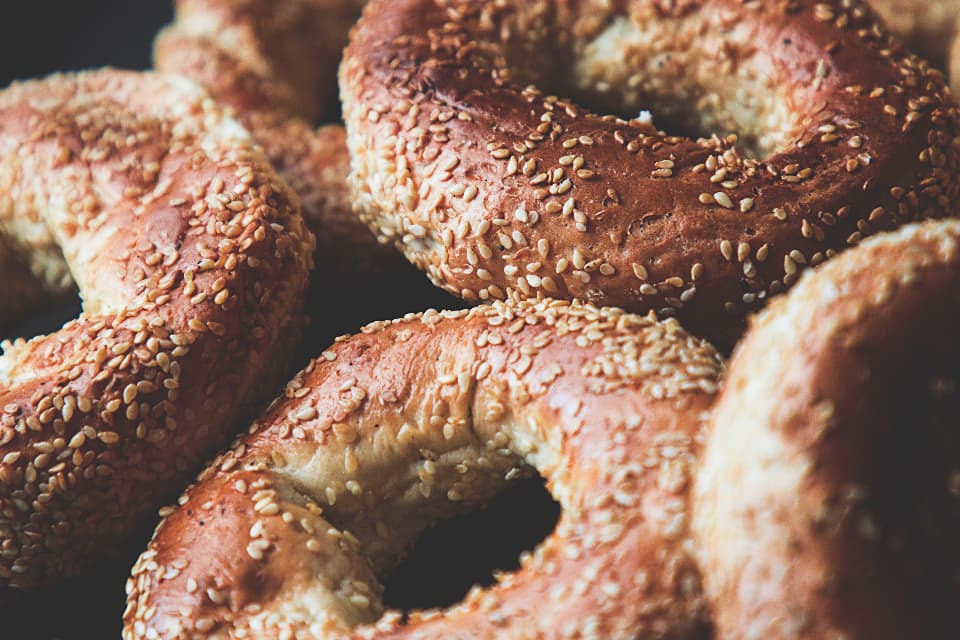
A basic homemade bagel recipe using high-protein flour, malt or brown sugar, a short boil, and a hot bake for chewy New York-style results.
America's Melting Pot
Bagels with Schmear photo coming soon
1861-1900
A deli-style bagel with a thick schmear of plain or scallion cream cheese, with optional onion, capers, tomato, and cucumber.
Same region
1861-1900
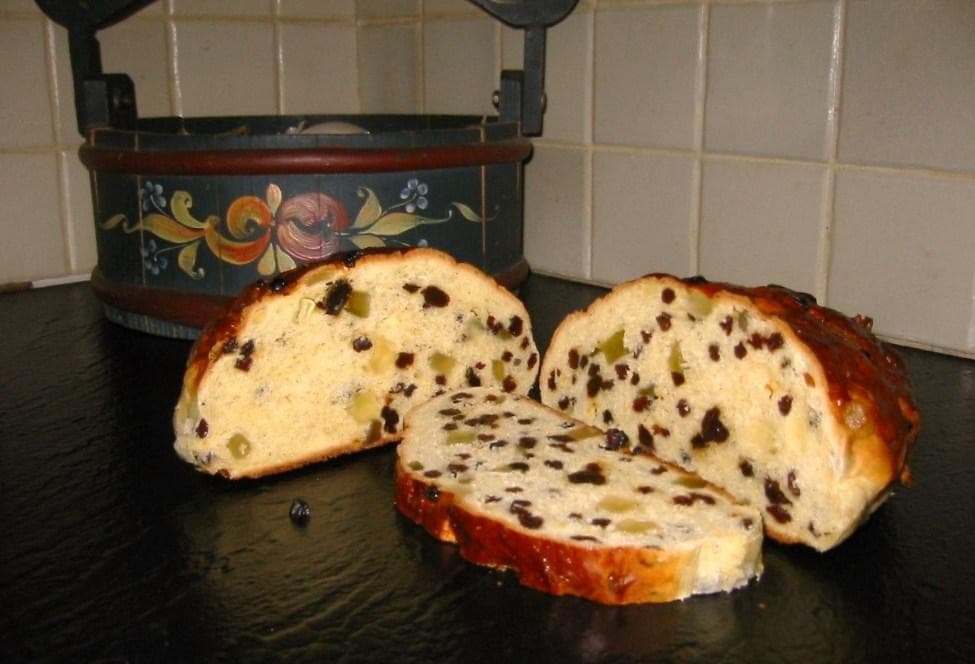
Julekake is a traditional Norwegian Christmas bread flavored with cardamom, studded with raisins, candied citrus peel, and sometimes almonds. Brought to the American Midwest by Scandinavian immigrants between 1861 and 1900, it remains a festive bread symbolizing heritage and holiday celebration.
America's Melting Pot
Kringla photo coming soon
1861-1900
Kringla is a lightly sweet, buttery Scandinavian cookie shaped like a pretzel, traditionally associated with church and holiday celebrations in the Midwest. Norwegian immigrants brought this recipe during the 19th century, where it became part of Christmas and Easter gatherings, symbolizing cultural continuity in immigrant farming communities.
1861-1900
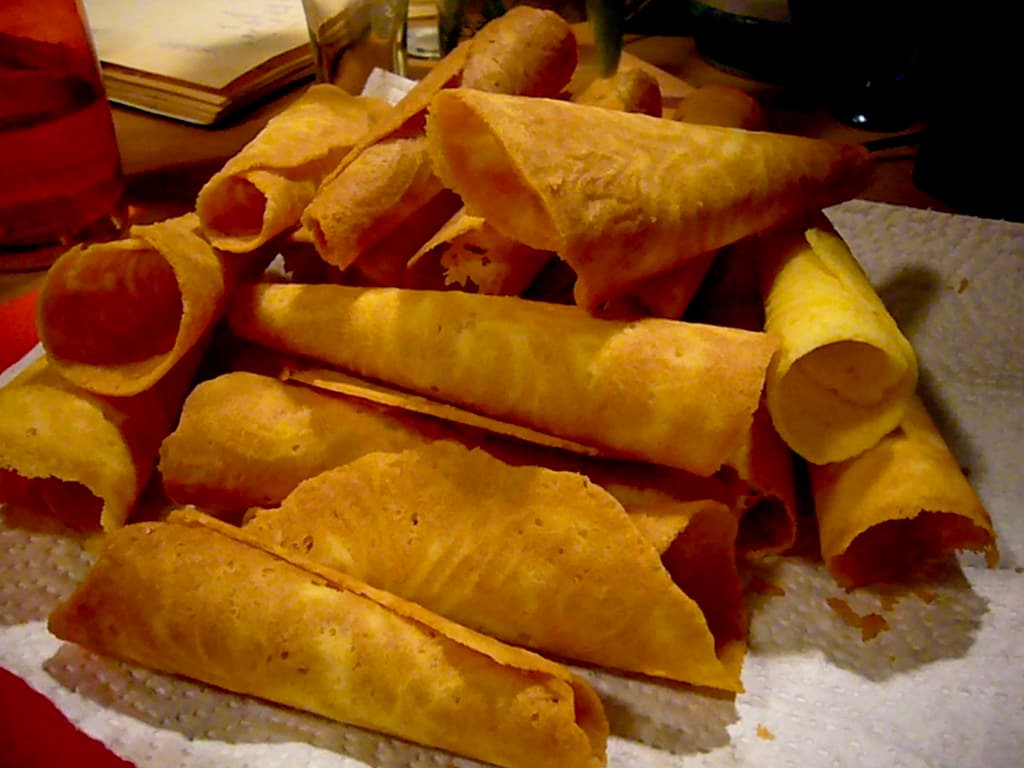
Krumkake are thin, crisp Norwegian waffle cookies rolled into cones, often filled with whipped cream or preserved fruit. Introduced by Scandinavian settlers to the Midwest in the late 19th century, krumkake became holiday staples for Christmas and family celebrations, highlighting continuity of heritage and festive customs.
Same table
1900s-present
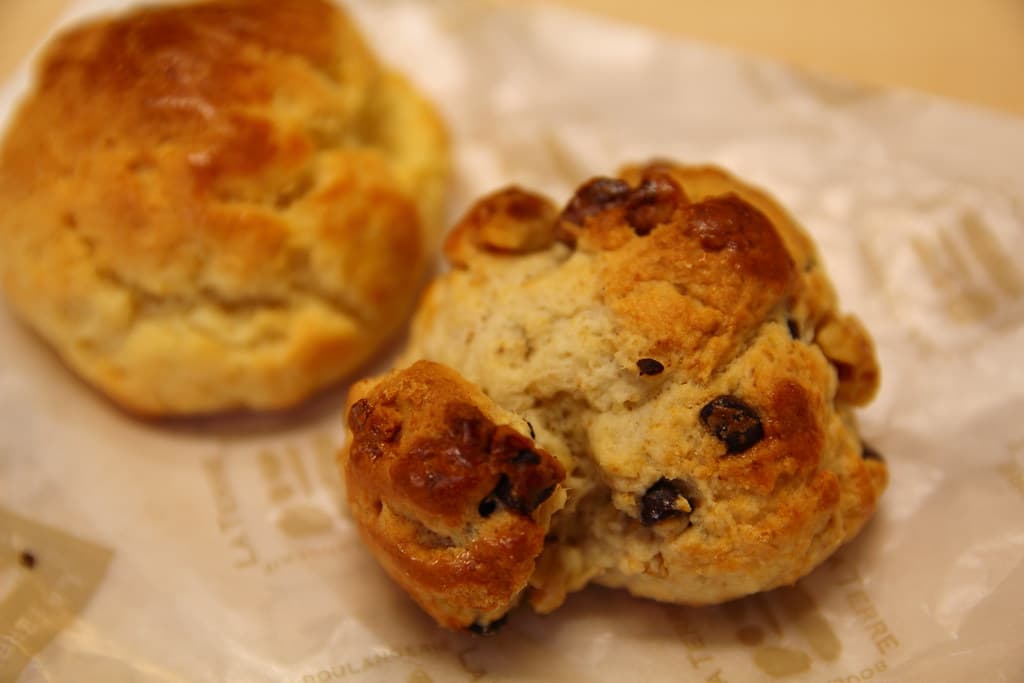
American scones are soft, lightly sweetened quick breads often served at coffee shops and bakeries. Adapted from British origins, the 1990s saw a surge in popularity in suburban and cafe culture across the U.S., becoming a favored breakfast or snack item.
1900-2026
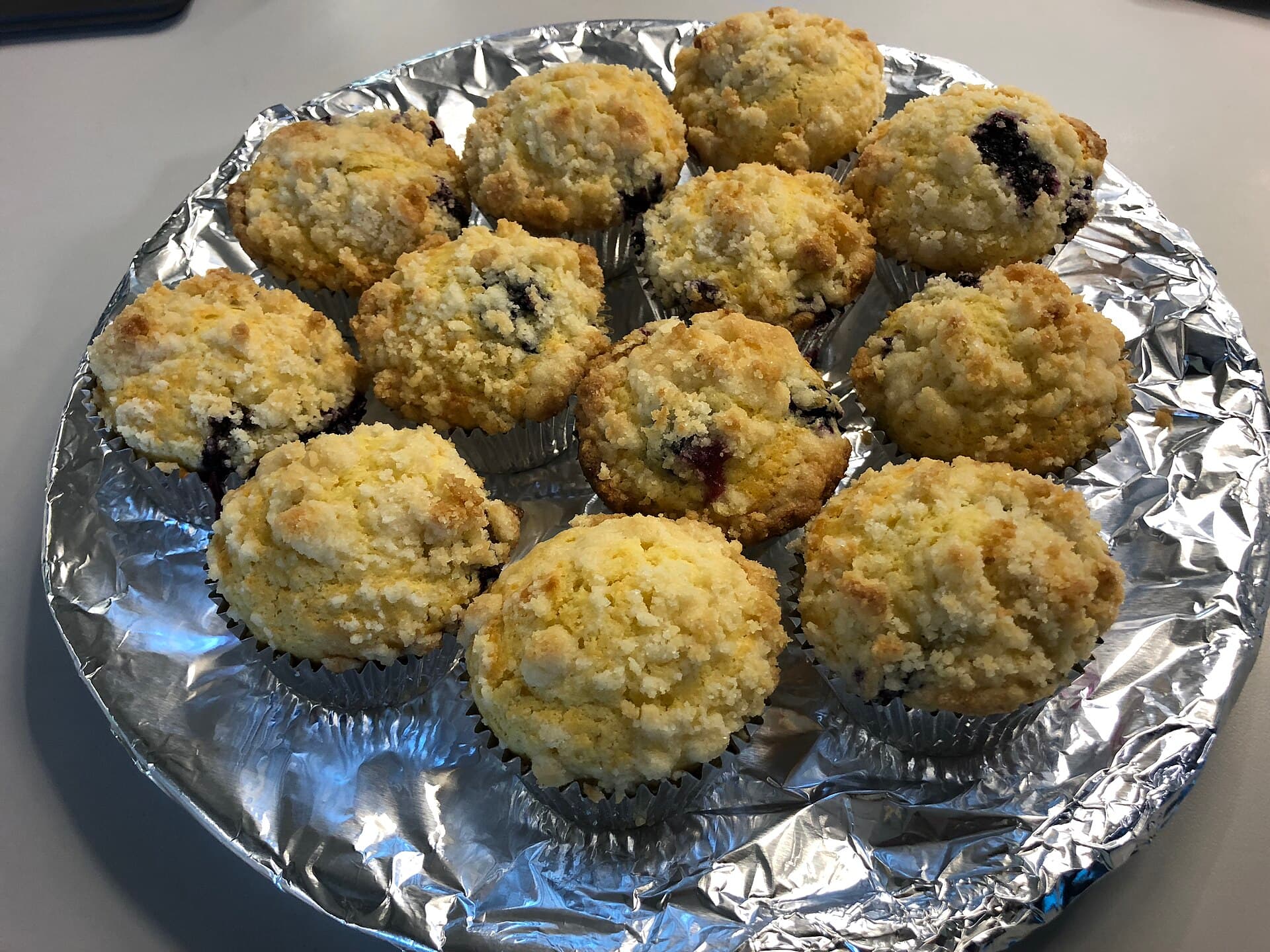
Blueberry muffins are everyday American breakfast baking, but Boston gave them a particular legend through Jordan Marsh department store. The oversized, sugar-topped muffin became a coffee-shop and bakery standard long after the department store disappeared.
1800-2026
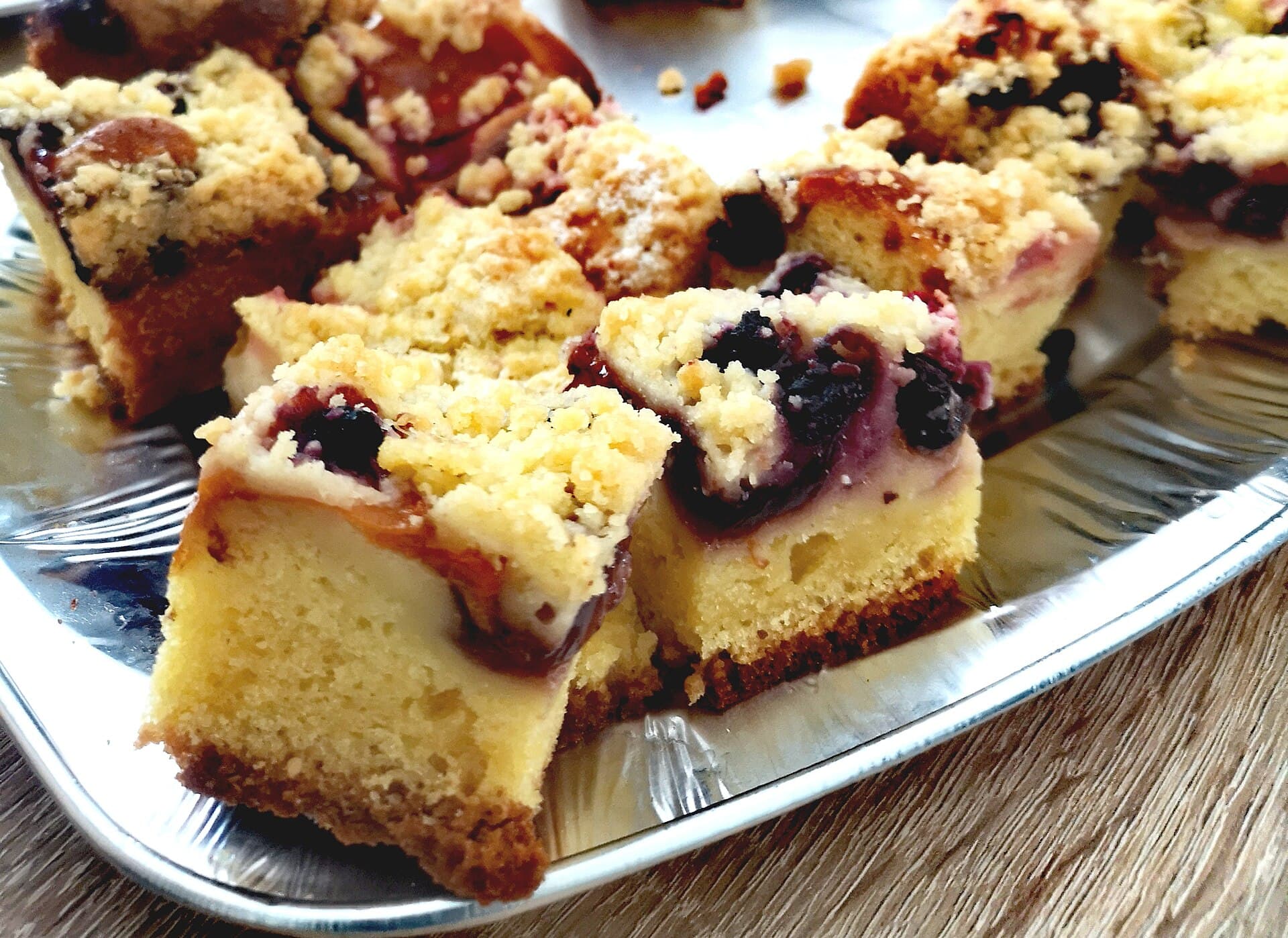
Blueberry buckle is a classic American fruit cake, especially at home in New England where native blueberries are abundant. The streusel topping sinks and cracks into the cake as it bakes, giving the dessert its buckle name.