
Recipe archive
Loading
Setting the table...
Fetching the latest recipes from the archive.
Loading
Fetching the latest recipes from the archive.
Recipe archive
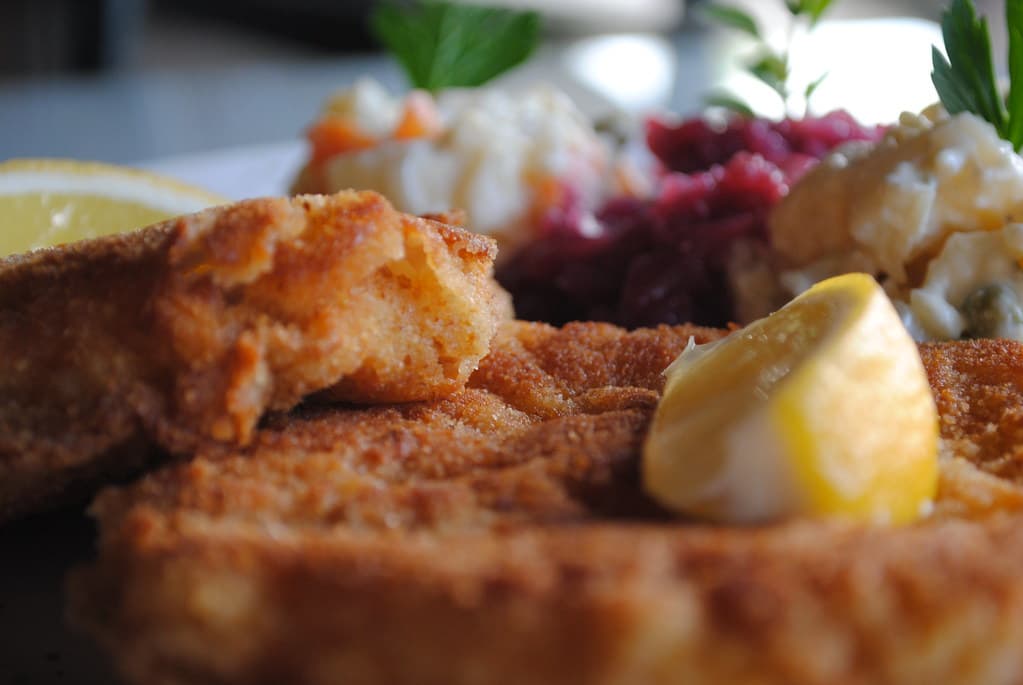
1800-1860 - German-American immigrant cooks and communities
Schnitzel is a breaded, fried meat cutlet recognized as a German-American classic brought by immigrants in the early 19th century. Typically made with veal or pork, it was adapted in American kitchens to accessible meats and pan-frying methods, preserving a European culinary identity in the United States.
Community-powered photos. Reviewers can upload dish photos, and the highest-rated community image may be featured here.
Difficulty
Medium
Prep time
15 minutes
Cook time
15 minutes
Total time
30 minutes
Servings
4
Region
Pennsylvania German and Midwestern German American kitchens
Era introduced
1800-1860
Introduced by
German-American immigrant cooks and communities
Recipe tools
Log in to save this recipe to a collection.
Schnitzel entered American kitchens with waves of German immigrants during the Expansion and Immigration period of the early 1800s. The dish consists of thin cutlets of meat breaded with flour, eggs, and breadcrumbs, then fried to golden perfection. Adapted to local meats and cooking resources, schnitzel became a symbol of German-American culinary traditions, served at family dinners and community events as a hearty, comforting main course.
Share family changes, regional twists, or pantry-friendly adaptations as full community recipes.
Log in to submit a community recipe.
No community recipes yet. Submitted recipes are published right away.
Rate this recipe and share how it worked at your table.
Log in to review this recipe.
No reviews yet. Be the first to rate this recipe.
Recipes matched by era, region, occasion, ingredients, and cultural roots from the archive.
Same era
America's Melting Pot
Acorn Bread photo coming soon
1800-1860
A nutty, lightly sweet quick bread made with properly leached acorn flour, cornmeal, and wheat flour.
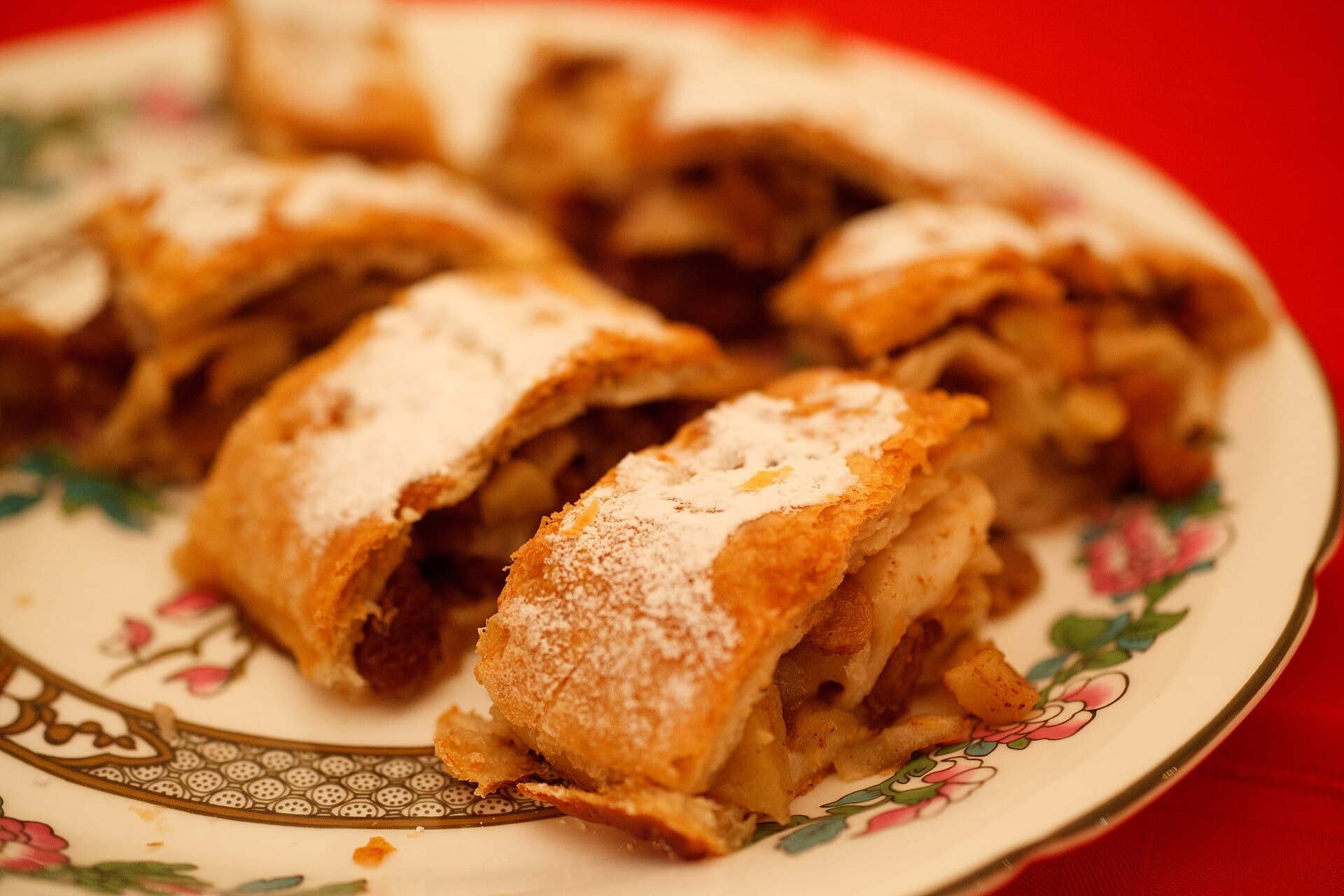
1800-1860
A German-American apple strudel made with crisp apples, raisins, cinnamon, buttered crumbs, and flaky phyllo for a practical home version of a Central European pastry.
America's Melting Pot
Asparagus photo coming soon
1800s/early 1900s-present
A bright American Easter asparagus side, quickly cooked and dressed with lemon butter, herbs, and hard-cooked egg in the spirit of old spring-table recipes.
Same region
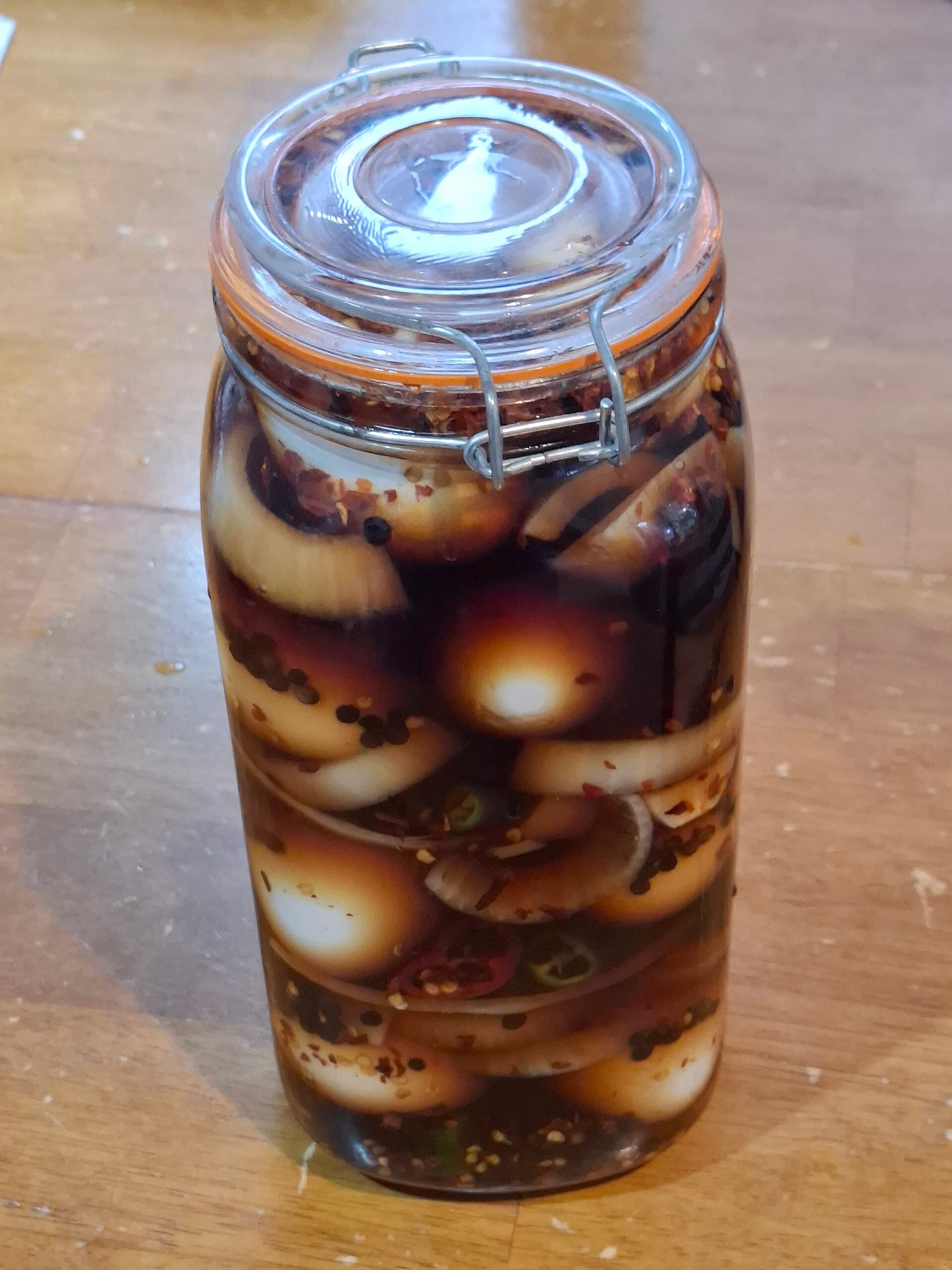
1800s-present
Pickled eggs were a popular preserved egg dish among German-American communities between 1800 and 1860, particularly during celebrations like Easter. They combine hard-boiled eggs with vinegar and spices to extend shelf life and add flavor.
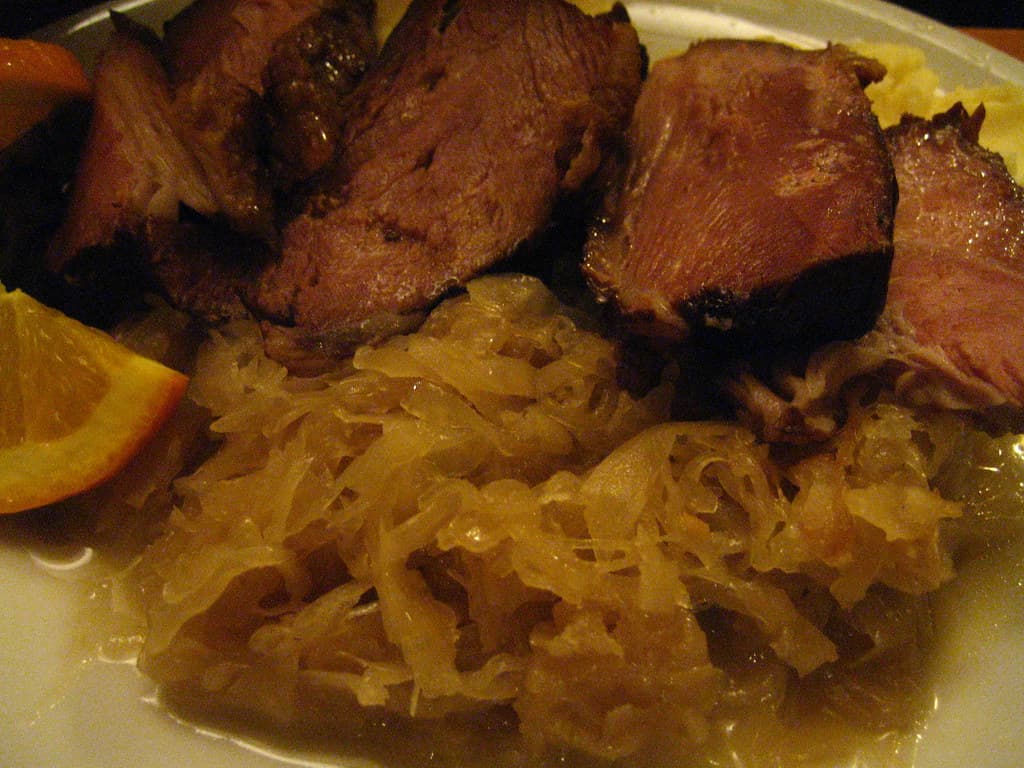
1800s-present
Pork and Sauerkraut is a classic American comfort and holiday dish often served on New Year's Day for luck and prosperity. Slow-cooked pork is combined with sauerkraut and seasoned to create a savory one-pot meal reflecting German-American and regional influences.
1800s-present
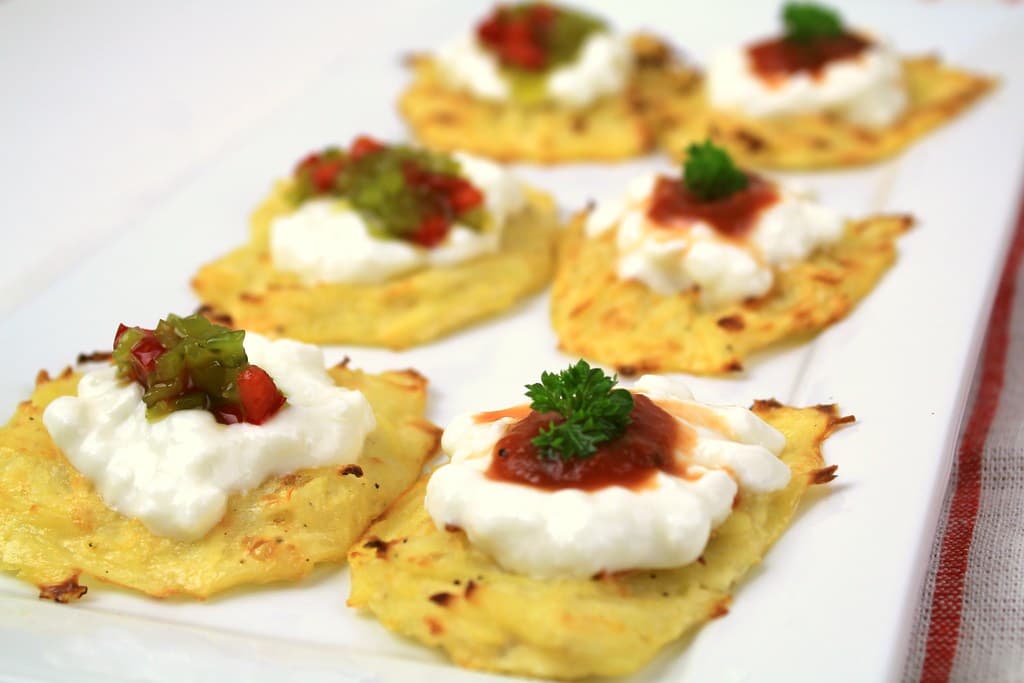
Potato Pancakes are a breakfast favorite among German-American communities, consisting of grated potatoes mixed with onions and eggs, fried to a crisp golden brown.
Same table
1927-present
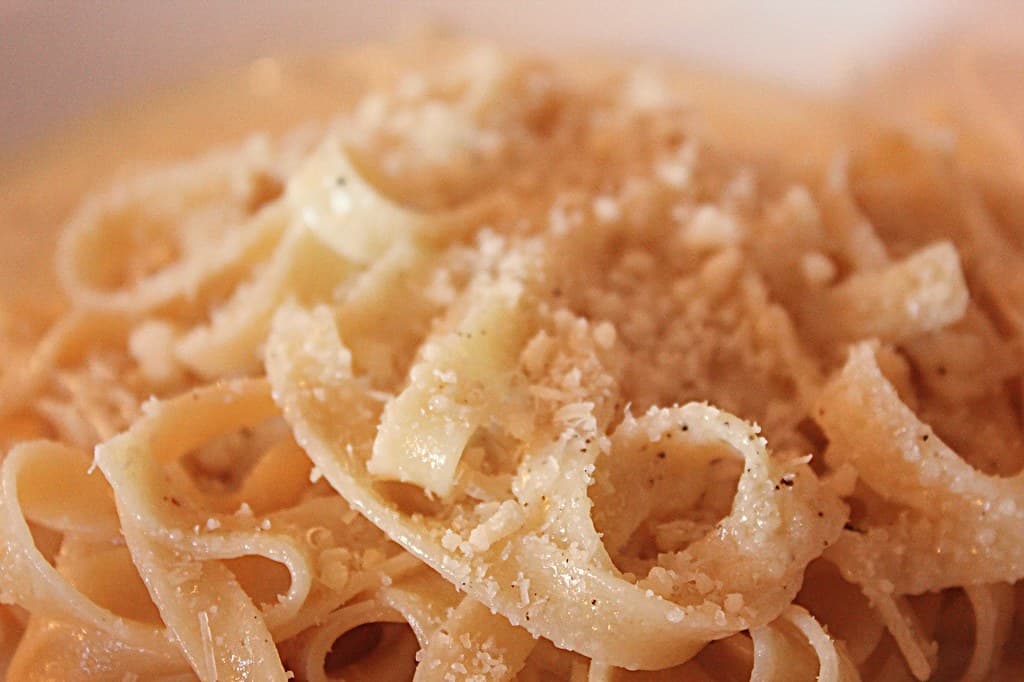
Fettuccine Alfredo is a rich pasta dish made with fettuccine noodles tossed in a creamy sauce of butter and Parmesan cheese. Though originating in Italy, it became widely popularized and adapted in American family restaurants and chain eateries during the late 20th and early 21st centuries.
America's Melting Pot
Meatballs photo coming soon
1880s-present
Hearty meatballs made of ground beef, pork, or a blend, mixed with breadcrumbs, herbs, and seasonings. Popularized in Italian-American communities during the late 19th century, often served with tomato sauce and pasta or bread.
1900s-present
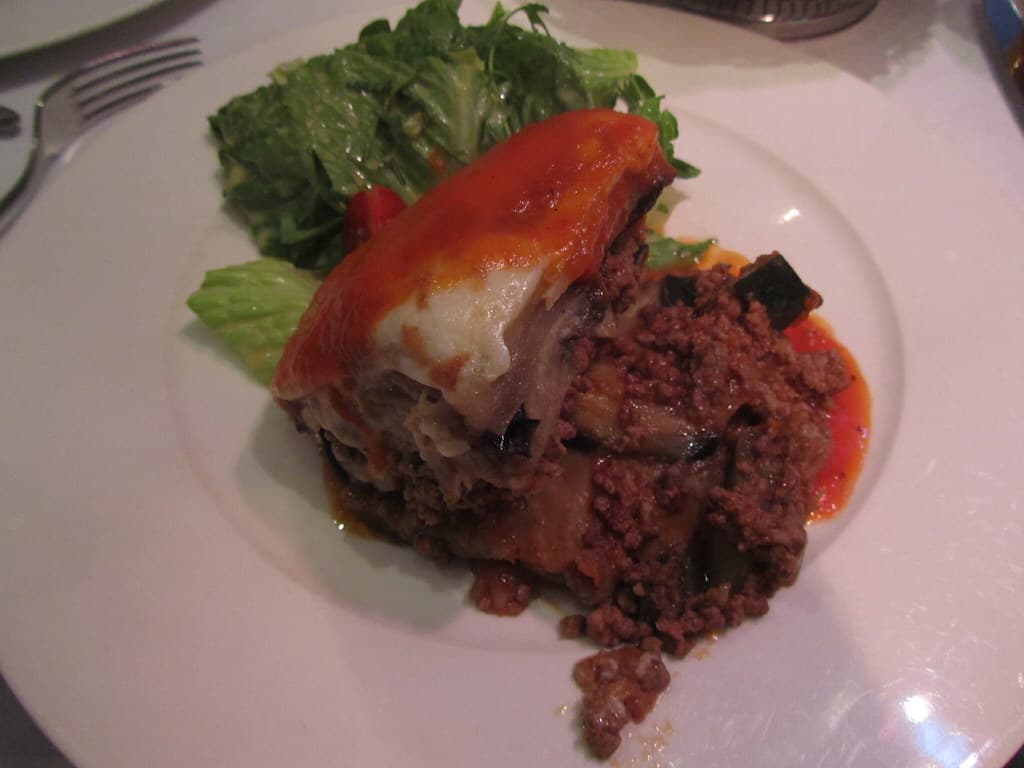
Moussaka is a layered casserole combining eggplant, ground meat, tomato sauce, and creamy bechamel, introduced to American diners by Greek immigrants in the early 20th century. It became popular in immigrant cities and lunch counters, blending Mediterranean traditions with American comfort food culture. This hearty dish is a hallmark of Greek-American cuisine and diner fare.