
Recipe archive
Loading
Setting the table...
Fetching the latest recipes from the archive.
Loading
Fetching the latest recipes from the archive.
Recipe archive
America's Melting Pot
Sheet Cake hero image coming soon
1946-1969 - American home and community cooks at school events, churches, and diners.
Sheet Cake is a simple, large-format cake baked in a rectangular pan, often frosted and decorated for community gatherings, school events, and church socials. Its easy preparation and service made it a staple dessert in early American communal dining spaces.
No featured photo yet. Upload a photo with your review. The highest-rated community photo may become this recipe's hero image.
Difficulty
Easy
Prep time
15 minutes
Cook time
30 minutes
Total time
45 minutes
Servings
12 servings
Region
Texas and Southern funeral, potluck, and sheet-pan baking kitchens
Era introduced
1946-1969
Introduced by
American home and community cooks at school events, churches, and diners.
Recipe tools
Log in to save this recipe to a collection.
Sheet Cake became an essential dessert format in American diners, church potlucks, schools, and state fairs during the early decades of the 20th century. Designed to feed large groups efficiently, it was prized for its ease of baking and serving. The cake's adaptability to various frostings and flavors reflects the diversity of immigrant baking traditions blending in American communal food settings. It continues to be a symbol of shared celebration and communal hospitality.
Share family changes, regional twists, or pantry-friendly adaptations as full community recipes.
Log in to submit a community recipe.
No community recipes yet. Submitted recipes are published right away.
Rate this recipe and share how it worked at your table.
Log in to review this recipe.
No reviews yet. Be the first to rate this recipe.
Recipes matched by era, region, occasion, ingredients, and cultural roots from the archive.
Same era
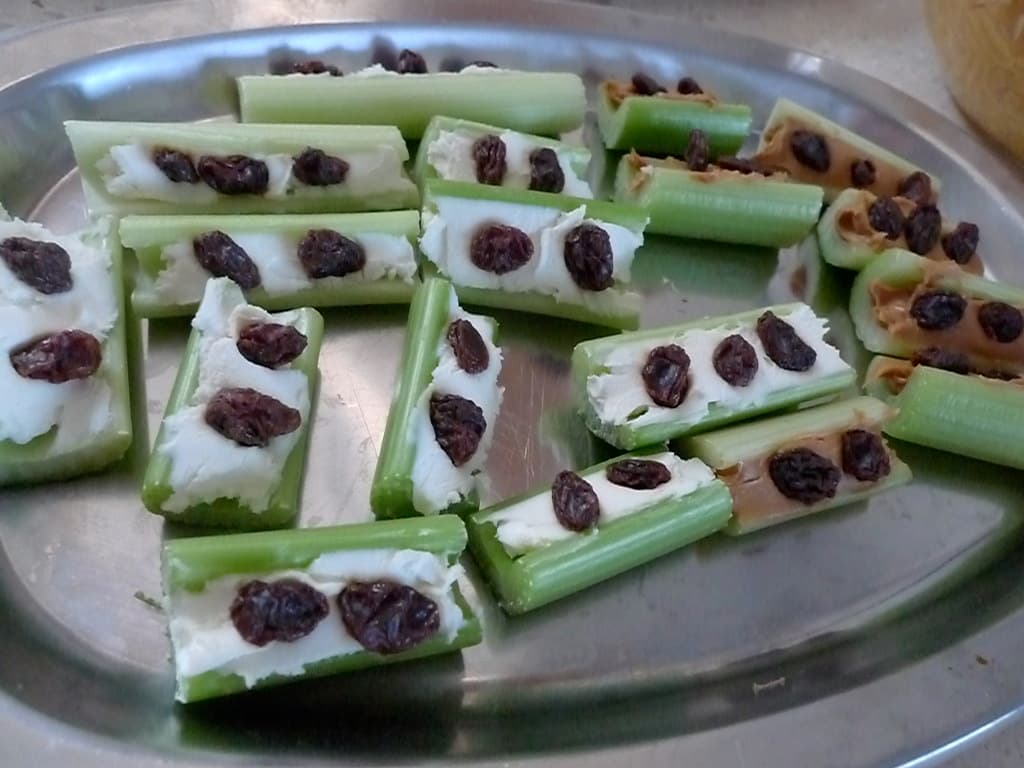
1950s-present
Celery sticks filled with peanut butter and topped with raisins, the classic American kid snack.
America's Melting Pot
Arby's-Style Horsey Sauce photo coming soon
1964-1970s
Arby's-Style Horsey Sauce is a sandwich sauce with real American table personality: Fast-food horseradish mayo tradition. It brings flavor from coast-to-coast American tables to cookouts, counters, lunch plates, potlucks, and weeknight suppers.
America's Melting Pot
Bacon-Wrapped Water Chestnuts photo coming soon
1946-1969
Crunchy water chestnuts wrapped in bacon, baked until crisp, and glazed with a brown sugar, soy, ketchup, and Worcestershire sauce.
Same region
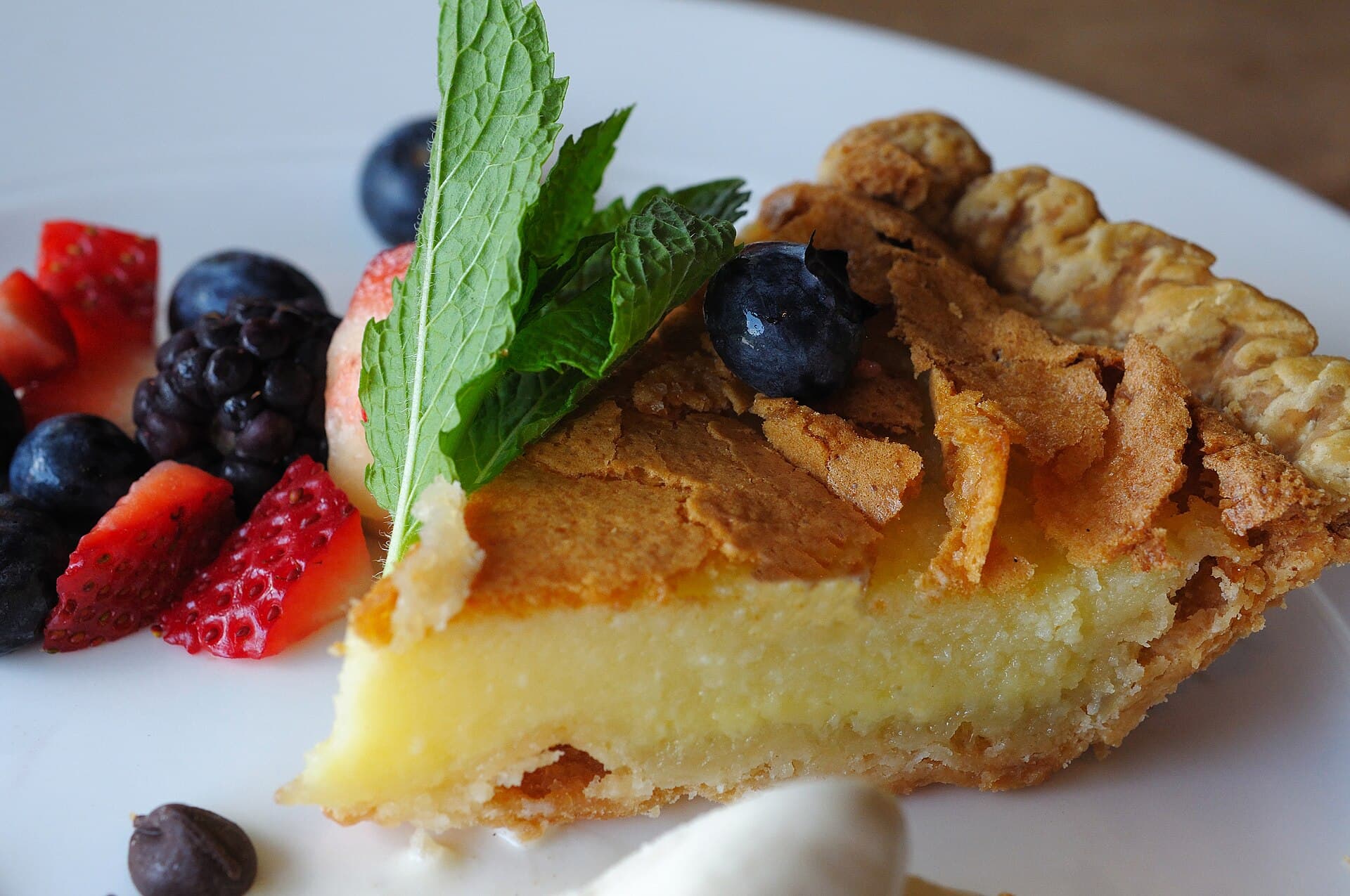
1800-2026
Buttermilk pie is a Southern pantry pie: inexpensive, tangy, and available when fruit is out of season. It sits near chess pie and other desperation pies, using buttermilk and a few staple ingredients to make a custard filling in a plain pie shell.
America's Melting Pot
Sand Plum Jelly photo coming soon
1700s-present
Sand Plum Jelly is a preserve with real American table personality: Great Plains and Oklahoma/Texas tradition. It brings flavor from Texas and the Southwest to cookouts, counters, lunch plates, potlucks, and weeknight suppers.
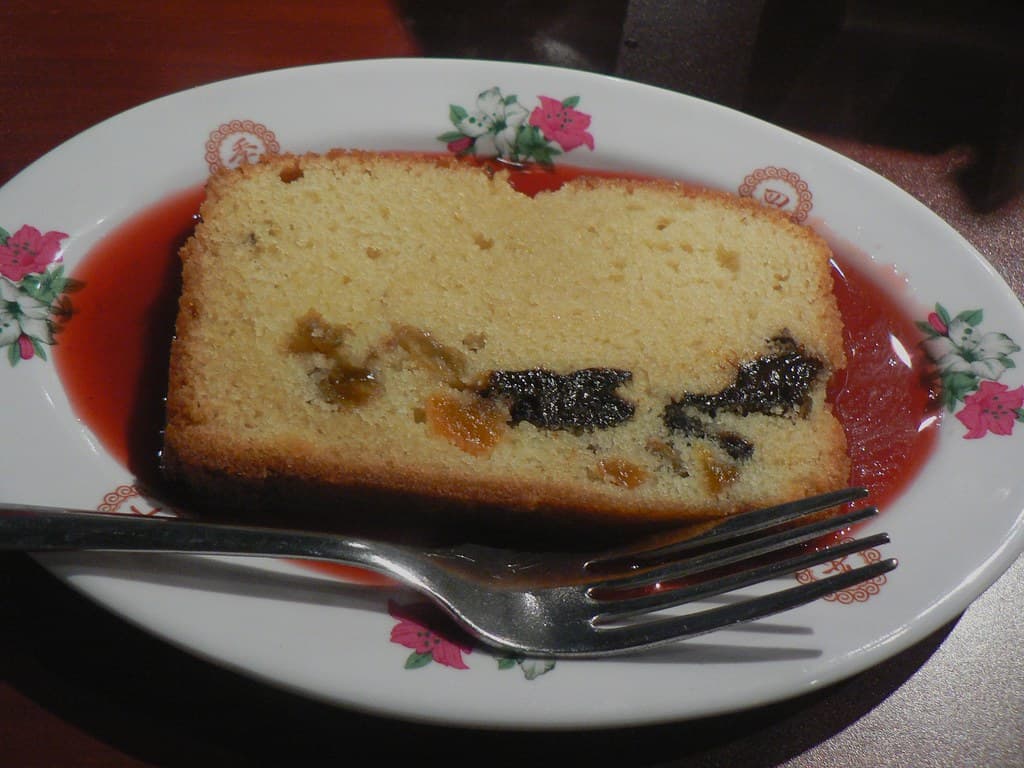
1930s-present
Prune Cake is a moist, spiced dessert that became popular during the Great Depression, utilizing affordable and shelf-stable prunes as a key ingredient. It reflects resourceful baking amid economic hardship.
Same table
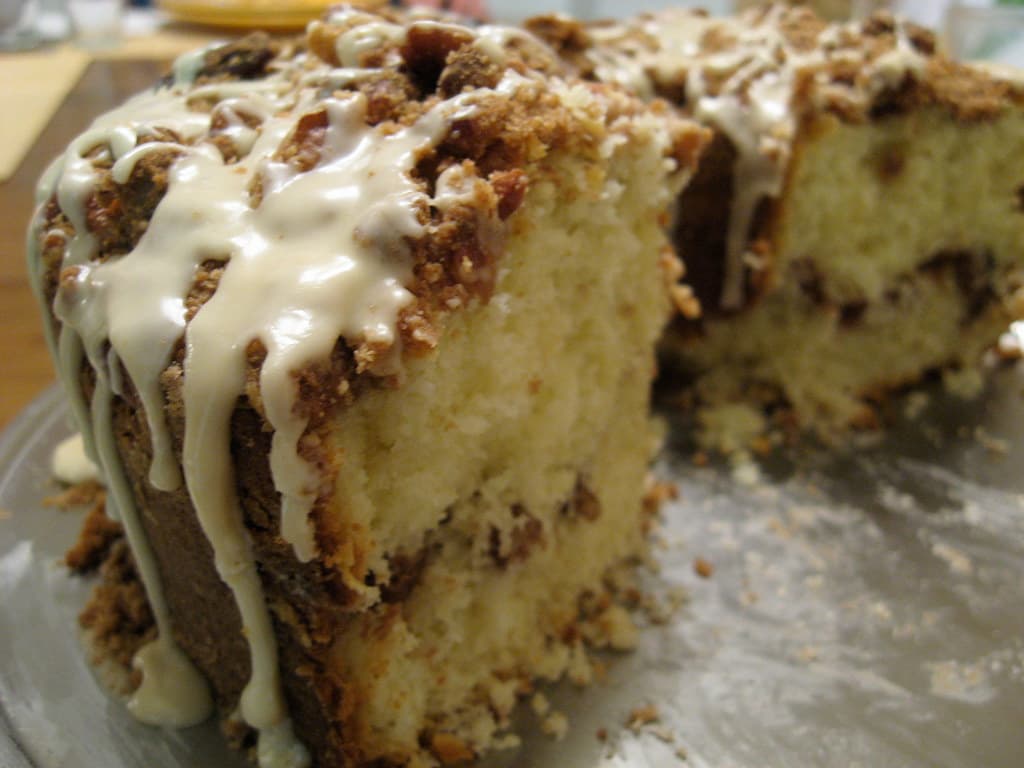
1800s-present
Coffee cake is a moist, sweet cake often topped with cinnamon sugar streusel, enjoyed in schools, churches, and diners during the early 1900s. This American breakfast favorite embodies community gathering traditions and immigrant influences melding into everyday comfort food.
America's Melting Pot
Ham Balls photo coming soon
1900s-present
Ham balls are savory meatballs made from ground ham mixed with breadcrumbs or crackers, often glazed and baked. Common in American school cafeterias, church suppers, and community events during the early 20th century, they showcase economical and crowd-pleasing cooking.
America's Melting Pot
Potluck Brownies photo coming soon
1990s-present
Potluck Brownies are a nostalgic dessert commonly shared at school events, church gatherings, and community potlucks in immigrant cities and diners across the United States during the early 1900s. These chocolatey squares symbolize affordable, crowd-pleasing treats made for sharing and celebration.