
Recipe archive
Loading
Setting the table...
Fetching the latest recipes from the archive.
Loading
Fetching the latest recipes from the archive.
Recipe archive
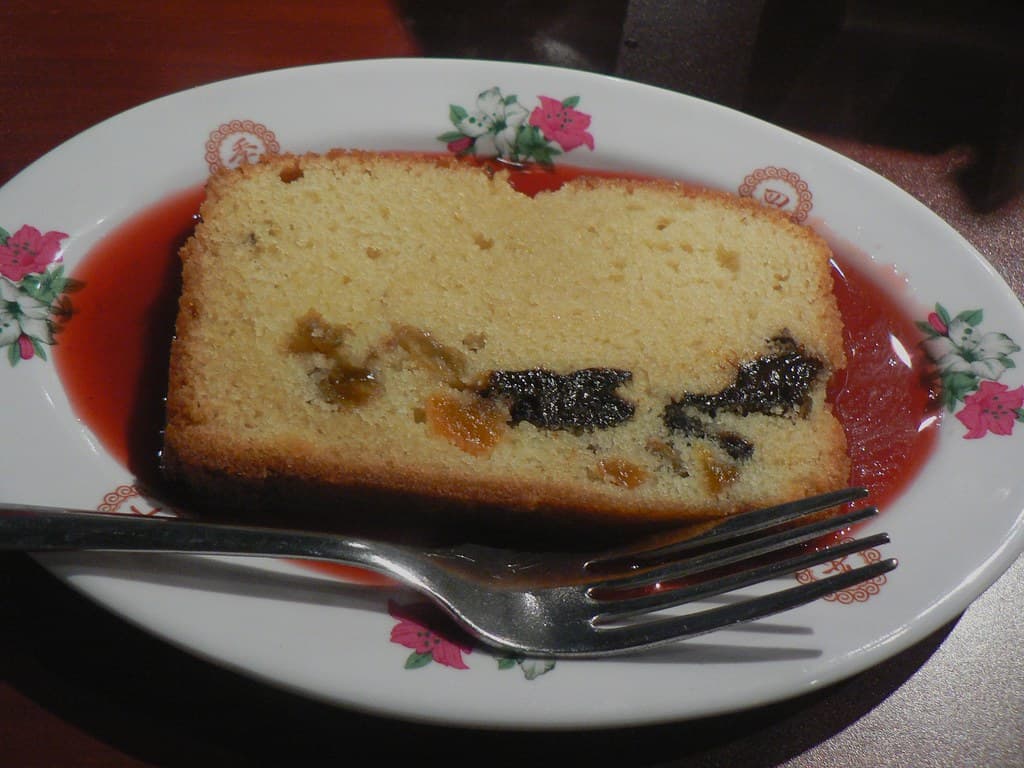
1930-1945 - Home cooks during the Great Depression adapting economical baking.
Prune Cake is a moist, spiced dessert that became popular during the Great Depression, utilizing affordable and shelf-stable prunes as a key ingredient. It reflects resourceful baking amid economic hardship.
Community-powered photos. Reviewers can upload dish photos, and the highest-rated community image may be featured here.
Difficulty
Medium
Prep time
20 minutes
Cook time
1 hour
Total time
1 hour 20 minutes
Servings
10
Region
Ozark, Appalachian, and Southern Plains Depression pantry kitchens
Era introduced
1930-1945
Introduced by
Home cooks during the Great Depression adapting economical baking.
Recipe tools
Log in to save this recipe to a collection.
During the economic struggles of the 1930s, prune cake became a favored dessert because prunes were affordable, nourishing, and preserved well. Bakers incorporated cooked prune puree to add moisture and natural sweetness, stretching limited ingredients. This cake represents the ingenuity of Depression-era cooks who made sweet treats accessible using pantry staples, balancing economy with comfort.
Share family changes, regional twists, or pantry-friendly adaptations as full community recipes.
Log in to submit a community recipe.
No community recipes yet. Submitted recipes are published right away.
Rate this recipe and share how it worked at your table.
Log in to review this recipe.
No reviews yet. Be the first to rate this recipe.
Recipes matched by era, region, occasion, ingredients, and cultural roots from the archive.
Same era
America's Melting Pot
Army Chili photo coming soon
1930-1945
A practical ground-beef chili with beans, tomatoes, onion, chili powder, cumin, and paprika, adapted from Armed Forces chili con carne formulas for a family pot.
America's Melting Pot
Chicken Noodle Soup photo coming soon
1934-present
Chicken Noodle Soup is a comforting one-pot dish made by simmering chicken, vegetables, broth, and egg noodles into a nourishing soup. A staple across American kitchens for generations, it highlights simplicity, warmth, and adaptability in soups and stews throughout the country's culinary evolution.
America's Melting Pot
Chocolate Cake for a Crowd photo coming soon
1930s-1945
Chocolate Cake for a Crowd is a dessert designed to serve many people economically during the Depression and World War II eras (1930-1945). This cake reflects military and mess hall kitchens' need for practical, filling, and easily produced sweets using limited ingredients. Its simple yet rich chocolate flavor made it a favorite for community events, schools, and military gatherings where feeding large numbers was essential.
Same region
America's Melting Pot
Sorghum Cookies photo coming soon
1930s-present
Sorghum Cookies use sorghum molasses to create rich, sweet cookies that provided affordable treats during the 1930s Dust Bowl and Depression. This recipe exemplifies home baking focused on maximizing pantry staples to nourish families economically.
America's Melting Pot
Sorghum Molasses Bread photo coming soon
1930s-present
Sorghum Molasses Bread is a hearty bread sweetened by sorghum molasses, popular during and after the Civil War as a sustaining food. Its simple ingredients and dense texture made it suitable for military and frontier kitchens, reflecting practical baking in austere conditions.
America's Melting Pot
Cornbread and Beans photo coming soon
1930s-present
Cornbread and beans was a nutritional and affordable meal staple during the Great Depression, combining inexpensive ingredients to create a filling dish. Beans, often pinto or kidney varieties, provided protein and fiber, while cornbread offered a comforting starch. This pairing sustained many American families through economic hardship and is now a symbolic representation of depression-era resourcefulness in foodways.
Same table
America's Melting Pot
Cranberry Tart photo coming soon
1776-1800
A baked pastry tart filled with a sweetened cranberry custard or jelly filling. This dessert emphasizes New England's historic use of local cranberries in festive baked goods.
America's Melting Pot
Pie by the Slice photo coming soon
1900s-present
Pie by the Slice refers to the tradition of serving a single slice of pie as a dessert or snack in American diners, lunch counters, and state fairs. Popular from the early 20th century onward, this practice highlights the accessibility and communal spirit of pie as an all-American favorite, offering a variety of fruit, cream, or custard pies available by the slice for quick enjoyment.
America's Melting Pot
Dutch Oven Cobbler photo coming soon
1800s-present
A classic outdoor dessert, the Dutch Oven Cobbler combines fresh or canned fruit topped with a simple biscuit or cake-like batter, baked in a cast iron Dutch oven over coals or an open fire. A favored treat at camps and cabins, it's valued for ease of preparation and comforting, warm sweetness.