
Recipe archive
Loading
Setting the table...
Fetching the latest recipes from the archive.
Loading
Fetching the latest recipes from the archive.
Recipe archive
America's Melting Pot
Small Beer hero image coming soon
1776-1800 - Colonial American households and early brewers.
Small Beer is a historical low-alcohol beer brewed in Colonial America, commonly consumed daily as a hydrating alternative to water. Its mild strength and nutritional value made it a household staple in the Revolutionary era.
No featured photo yet. Upload a photo with your review. The highest-rated community photo may become this recipe's hero image.
Difficulty
Hard
Prep time
30 minutes active, plus fermentation
Cook time
Varies
Total time
3-5 days
Servings
Varies
Region
Virginia colonial household and plantation brewing kitchens
Era introduced
1776-1800
Introduced by
Colonial American households and early brewers.
Recipe tools
Log in to save this recipe to a collection.
Small Beer was a common colonial American beverage consumed throughout the Revolutionary period as a safer alternative to often-contaminated water supplies. Brewed with malted barley, hops, yeast, and water, it had a low alcohol content, making it suitable for daily consumption by adults and children alike. Its nutritional benefits and accessibility made it a staple on the early American table and an important part of daily life.
Share family changes, regional twists, or pantry-friendly adaptations as full community recipes.
Log in to submit a community recipe.
No community recipes yet. Submitted recipes are published right away.
Rate this recipe and share how it worked at your table.
Log in to review this recipe.
No reviews yet. Be the first to rate this recipe.
Recipes matched by era, region, occasion, ingredients, and cultural roots from the archive.
Same era
America's Melting Pot
Ash Cakes photo coming soon
1776-1800
A plain cornmeal-and-water ash cake inspired by Revolutionary-era field cooking, adapted for a skillet or campfire with salt and a little fat for modern eatability.
America's Melting Pot
Bean Porridge photo coming soon
1776-1800
Bean porridge sits close to the everyday cooking of early America: beans or peas, water, a little meat when available, and meal to thicken the pot. It was plain food, but practical food, made in a kettle and stretched for households that needed warmth, calories, and thrift more than ceremony.
1700s-1800s
Chicken Pie is a hearty savory pie made with cooked chicken, vegetables, and a flaky pastry crust. Rooted in mid to late 19th-century railroad and boardinghouse cooking, it offered a portable, filling meal for workers and travelers during the Civil War and Reconstruction period, blending practicality with comforting flavors.
Same region
1900s-present
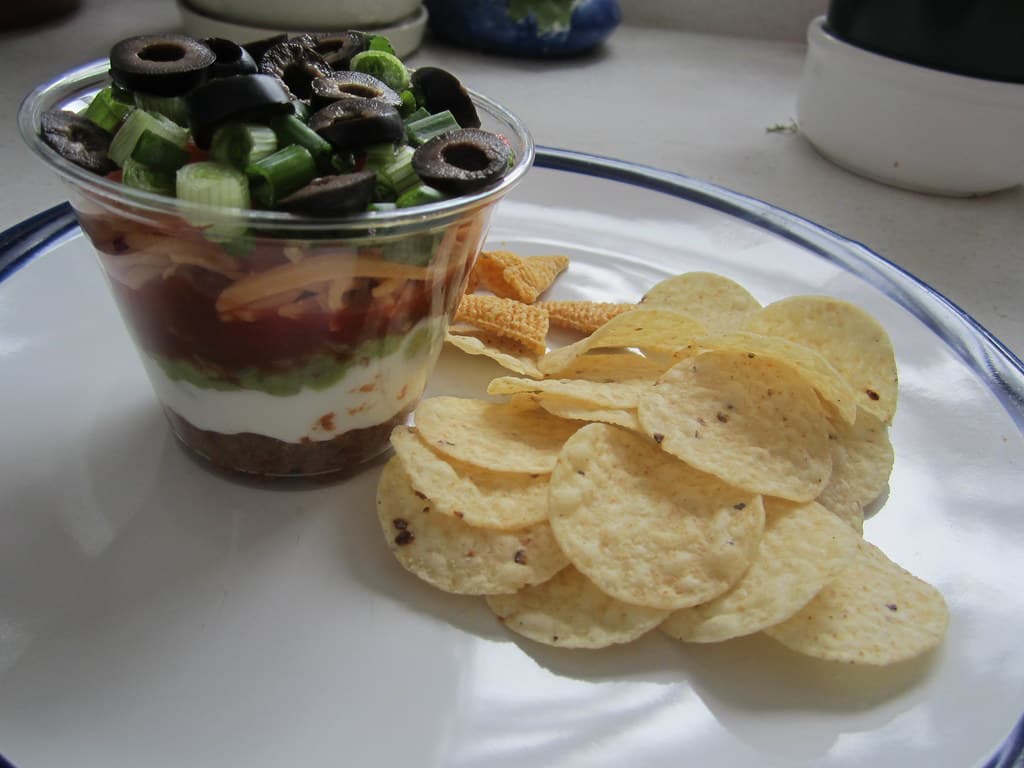
7-Layer Dip is a party dip with real American table personality: Tex-Mex party dish. It brings flavor from Texas and the Southwest to cookouts, counters, lunch plates, potlucks, and weeknight suppers.
America's Melting Pot
Air Fryer Pickles photo coming soon
2010-2026
Dill pickle chips breaded with seasoned panko and air-fried into a tangy, crunchy snack.
America's Melting Pot
Alabama White Sauce photo coming soon
1700s-present
Alabama White Sauce is a barbecue sauce with real American table personality: Mayonnaise-based sauce strongly associated with Big Bob Gibson Bar-B-Q and northern Alabama chicken barbecue. It brings flavor from the American South to cookouts, counters, lunch plates, potlucks, and weeknight suppers.
Same table
America's Melting Pot
Bean Porridge photo coming soon
1776-1800
Bean porridge sits close to the everyday cooking of early America: beans or peas, water, a little meat when available, and meal to thicken the pot. It was plain food, but practical food, made in a kettle and stretched for households that needed warmth, calories, and thrift more than ceremony.
America's Melting Pot
Cider photo coming soon
1776-1800
Cider, made from fermented or fresh-pressed apple juice, has been an important American drink since colonial times. Both hard (alcoholic) and sweet (non-alcoholic) varieties were common, used at meals and celebrations, embodying early American fruit preservation and local agriculture.
America's Melting Pot
Coffee by the Gallon photo coming soon
1917-1945
Coffee by the gallon was a practical preparation method used in military mess halls during the Great Depression and World War II to provide troops with consistent coffee servings. Brewed strong and in massive batches, this coffee kept soldiers energized and connected through shared routine.