
Recipe archive
Loading
Setting the table...
Fetching the latest recipes from the archive.
Loading
Fetching the latest recipes from the archive.
Recipe archive
America's Melting Pot
Bean Porridge hero image coming soon
1776-1800 - Colonial New England hearth cooks adapting British pottage to American beans and cornmeal
Bean porridge sits close to the everyday cooking of early America: beans or peas, water, a little meat when available, and meal to thicken the pot. It was plain food, but practical food, made in a kettle and stretched for households that needed warmth, calories, and thrift more than ceremony.
No featured photo yet. Upload a photo with your review. The highest-rated community photo may become this recipe's hero image.
Difficulty
Easy
Prep time
15 minutes plus soaking
Cook time
2 hours 30 minutes
Total time
2 hours 45 minutes plus soaking
Servings
6 servings
Region
New England and early United States
Era introduced
1776-1800
Introduced by
Colonial New England hearth cooks adapting British pottage to American beans and cornmeal
Recipe tools
Log in to save this recipe to a collection.
Porridges and pottages were foundational hearth foods because they could simmer slowly and absorb whatever the household had. In early America, beans and cornmeal made particular sense: beans were filling, corn was central to Indigenous agriculture and colonial adaptation, and a small piece of pork or beef could season a large kettle. This version is scaled for a modern kitchen while preserving the thick, sustaining character of the dish.
Share family changes, regional twists, or pantry-friendly adaptations as full community recipes.
Log in to submit a community recipe.
No community recipes yet. Submitted recipes are published right away.
Rate this recipe and share how it worked at your table.
Log in to review this recipe.
No reviews yet. Be the first to rate this recipe.
Recipes matched by era, region, occasion, ingredients, and cultural roots from the archive.
Same era
America's Melting Pot
Ash Cakes photo coming soon
1776-1800
A plain cornmeal-and-water ash cake inspired by Revolutionary-era field cooking, adapted for a skillet or campfire with salt and a little fat for modern eatability.
1700s-1800s
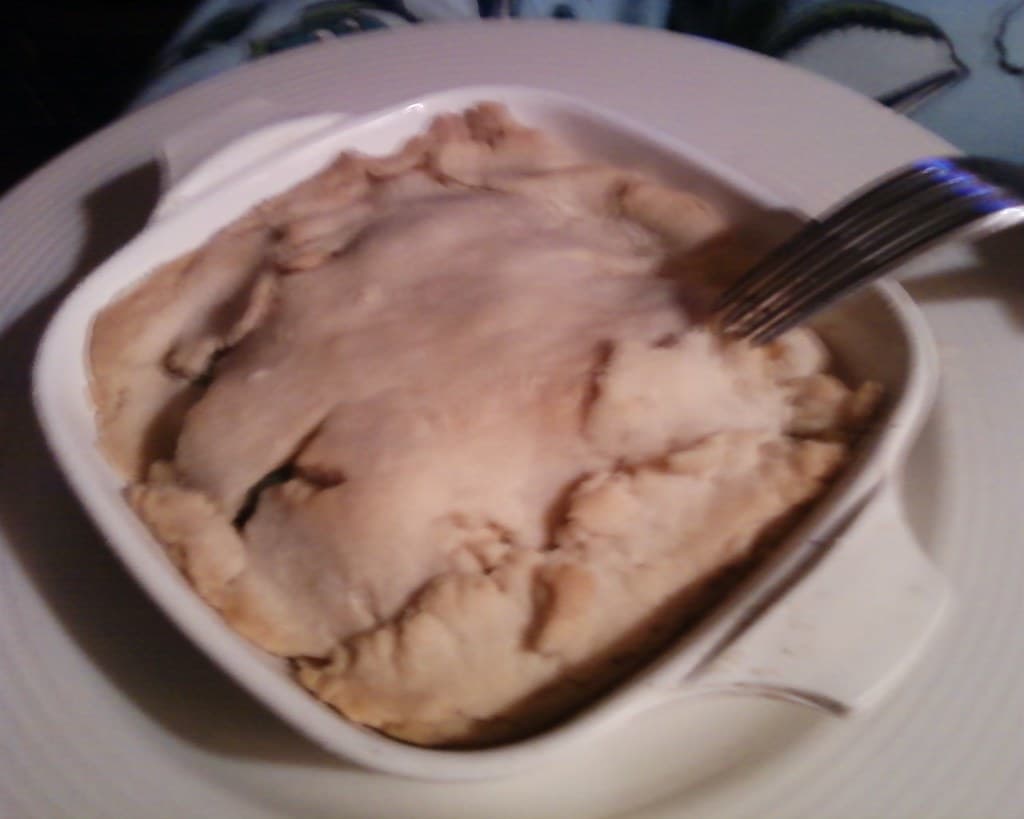
Chicken Pie is a hearty savory pie made with cooked chicken, vegetables, and a flaky pastry crust. Rooted in mid to late 19th-century railroad and boardinghouse cooking, it offered a portable, filling meal for workers and travelers during the Civil War and Reconstruction period, blending practicality with comforting flavors.
America's Melting Pot
Cider photo coming soon
1776-1800
Cider, made from fermented or fresh-pressed apple juice, has been an important American drink since colonial times. Both hard (alcoholic) and sweet (non-alcoholic) varieties were common, used at meals and celebrations, embodying early American fruit preservation and local agriculture.
Same region
America's Melting Pot
Acorn Bread photo coming soon
1800-1860
A nutty, lightly sweet quick bread made with properly leached acorn flour, cornmeal, and wheat flour.
1800s-present
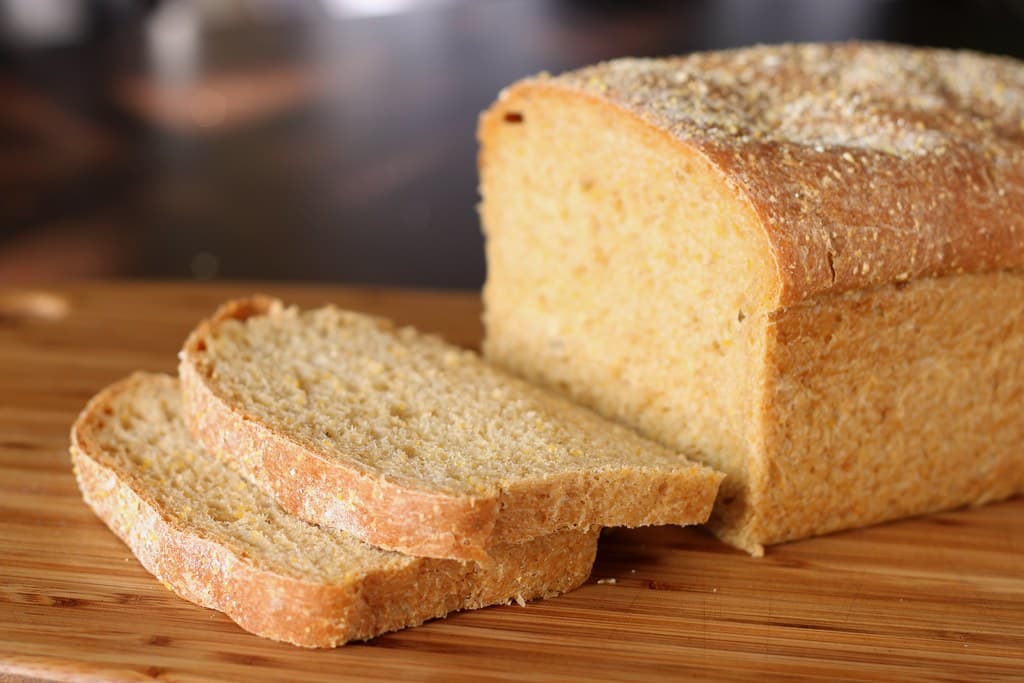
A lightly sweet New England loaf made with cornmeal, molasses, wheat flour, and yeast.
1900s-present
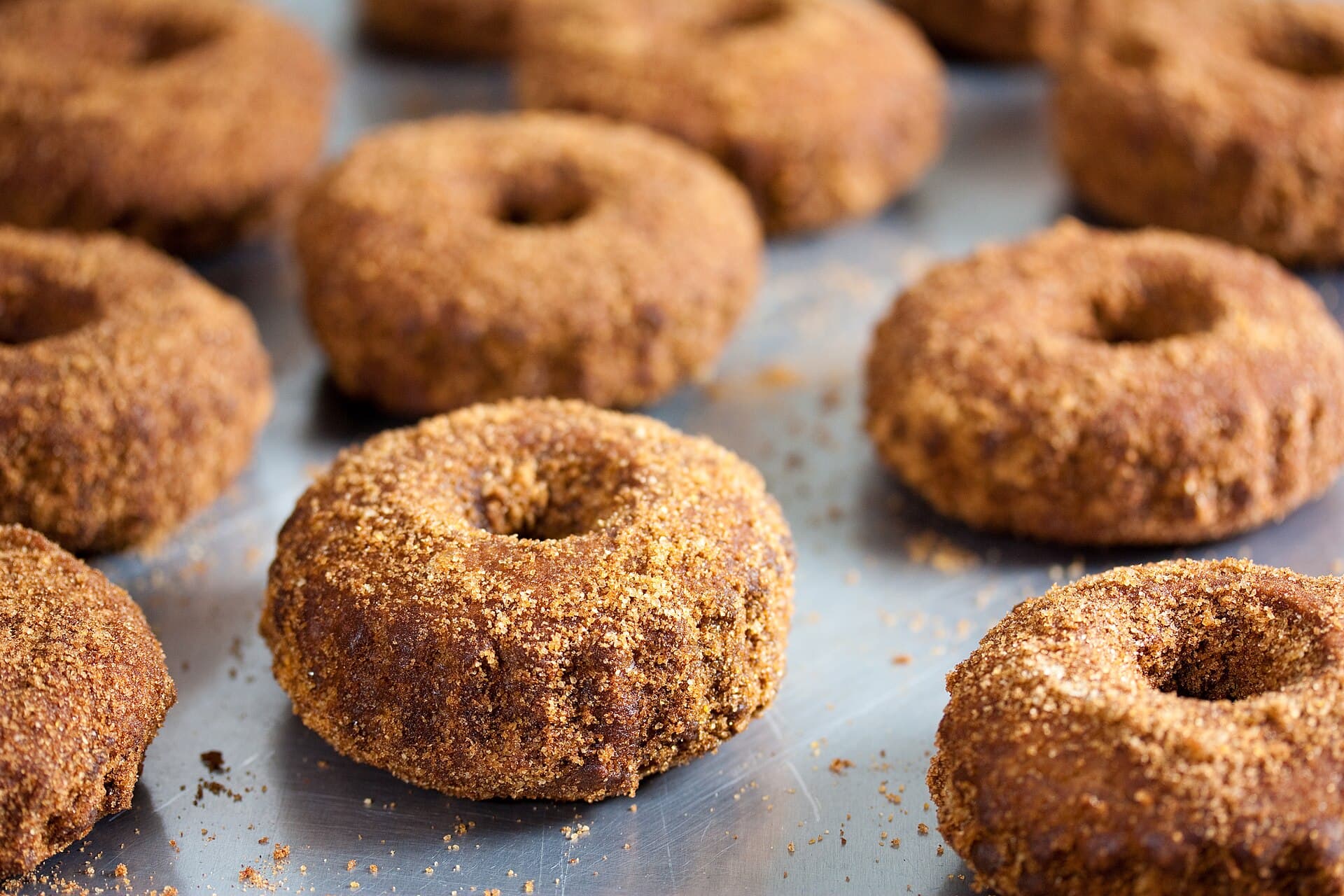
Cake doughnuts flavored with reduced apple cider and rolled in cinnamon sugar.
Same table
America's Melting Pot
Cornbread and Beans photo coming soon
1930s-present
Cornbread and beans was a nutritional and affordable meal staple during the Great Depression, combining inexpensive ingredients to create a filling dish. Beans, often pinto or kidney varieties, provided protein and fiber, while cornbread offered a comforting starch. This pairing sustained many American families through economic hardship and is now a symbolic representation of depression-era resourcefulness in foodways.
America's Melting Pot
Ash Cakes photo coming soon
1776-1800
A plain cornmeal-and-water ash cake inspired by Revolutionary-era field cooking, adapted for a skillet or campfire with salt and a little fat for modern eatability.
1600-2026
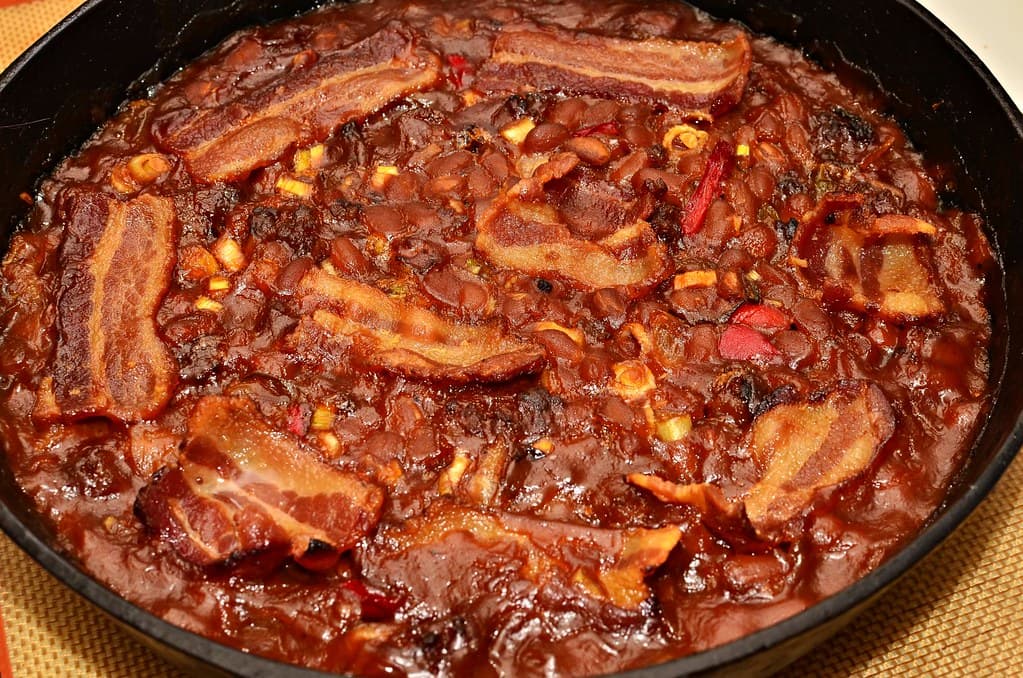
A New England-style baked bean pot made with navy beans, molasses, brown sugar, mustard, onion, and salt pork or bacon.