
Recipe archive
Loading
Setting the table...
Fetching the latest recipes from the archive.
Loading
Fetching the latest recipes from the archive.
Recipe archive
America's Melting Pot
Cider hero image coming soon
1776-1800 - American Colonial Farm and Orchard Communities
Cider, made from fermented or fresh-pressed apple juice, has been an important American drink since colonial times. Both hard (alcoholic) and sweet (non-alcoholic) varieties were common, used at meals and celebrations, embodying early American fruit preservation and local agriculture.
No featured photo yet. Upload a photo with your review. The highest-rated community photo may become this recipe's hero image.
Difficulty
Medium
Prep time
10 minutes (plus fermentation time for hard cider)
Cook time
0 minutes
Total time
Varies (fermentation time needed)
Servings
Varies
Region
New England
Era introduced
1776-1800
Introduced by
American Colonial Farm and Orchard Communities
Recipe tools
Log in to save this recipe to a collection.
Apples and their juice played a key role in colonial American diets and beverage traditions. Early settlers pressed apples to make fresh sweet cider or fermented it to produce hard cider as a safer alternative to water. Recipes and techniques varied regionally, but cider remained central to American harvest celebrations and daily life. Sweetened and spiced non-alcoholic versions evolved alongside hard cider, becoming popular in households as festive fall drinks. The beverage reflects the importance of local apple orchards and early American craftsmanship.
Share family changes, regional twists, or pantry-friendly adaptations as full community recipes.
Log in to submit a community recipe.
No community recipes yet. Submitted recipes are published right away.
Rate this recipe and share how it worked at your table.
Log in to review this recipe.
No reviews yet. Be the first to rate this recipe.
Recipes matched by era, region, occasion, ingredients, and cultural roots from the archive.
Same era
America's Melting Pot
Ash Cakes photo coming soon
1776-1800
A plain cornmeal-and-water ash cake inspired by Revolutionary-era field cooking, adapted for a skillet or campfire with salt and a little fat for modern eatability.
America's Melting Pot
Bean Porridge photo coming soon
1776-1800
Bean porridge sits close to the everyday cooking of early America: beans or peas, water, a little meat when available, and meal to thicken the pot. It was plain food, but practical food, made in a kettle and stretched for households that needed warmth, calories, and thrift more than ceremony.
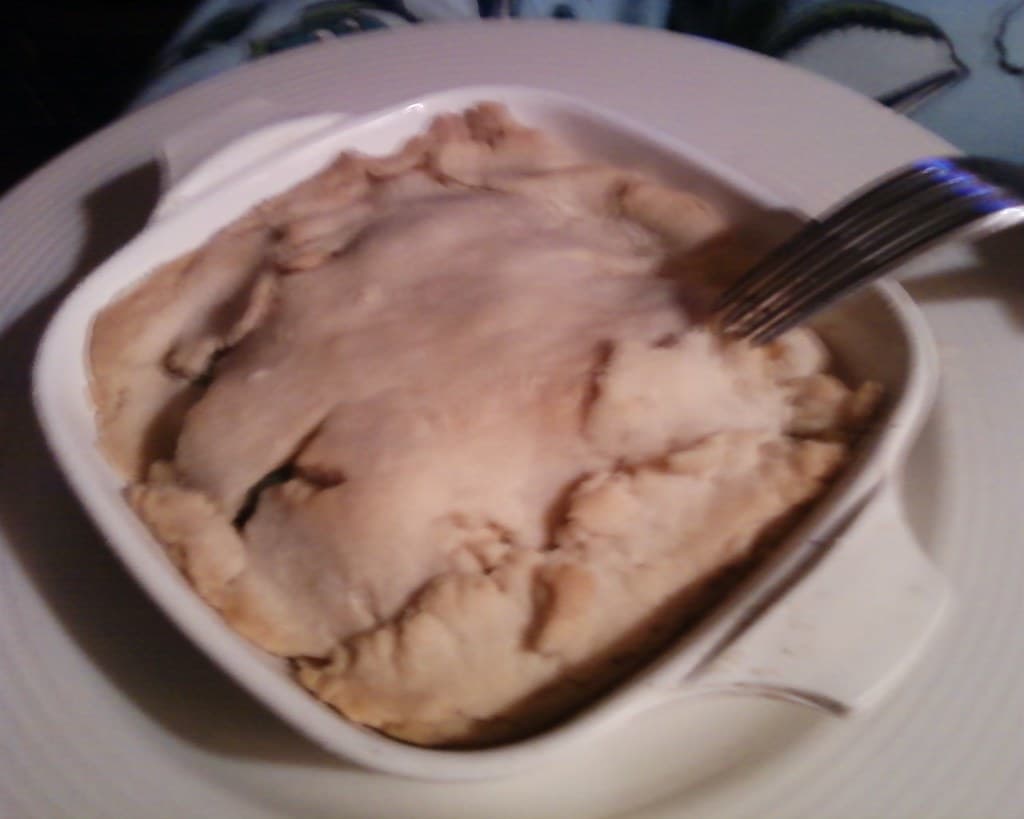
1700s-1800s
Chicken Pie is a hearty savory pie made with cooked chicken, vegetables, and a flaky pastry crust. Rooted in mid to late 19th-century railroad and boardinghouse cooking, it offered a portable, filling meal for workers and travelers during the Civil War and Reconstruction period, blending practicality with comforting flavors.
Same region
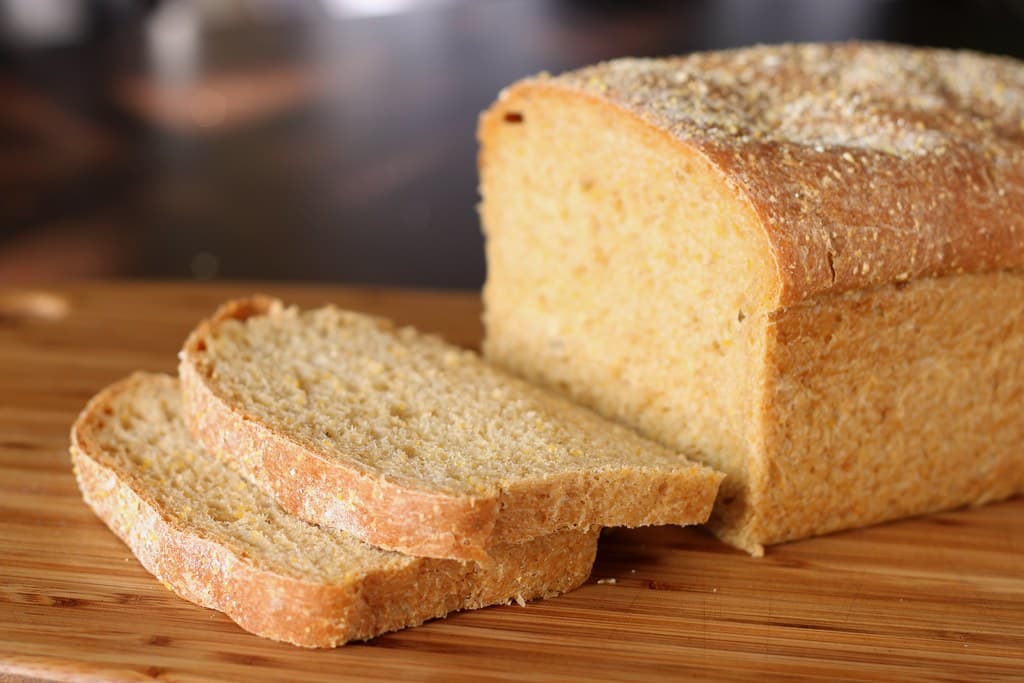
1800s-present
A lightly sweet New England loaf made with cornmeal, molasses, wheat flour, and yeast.
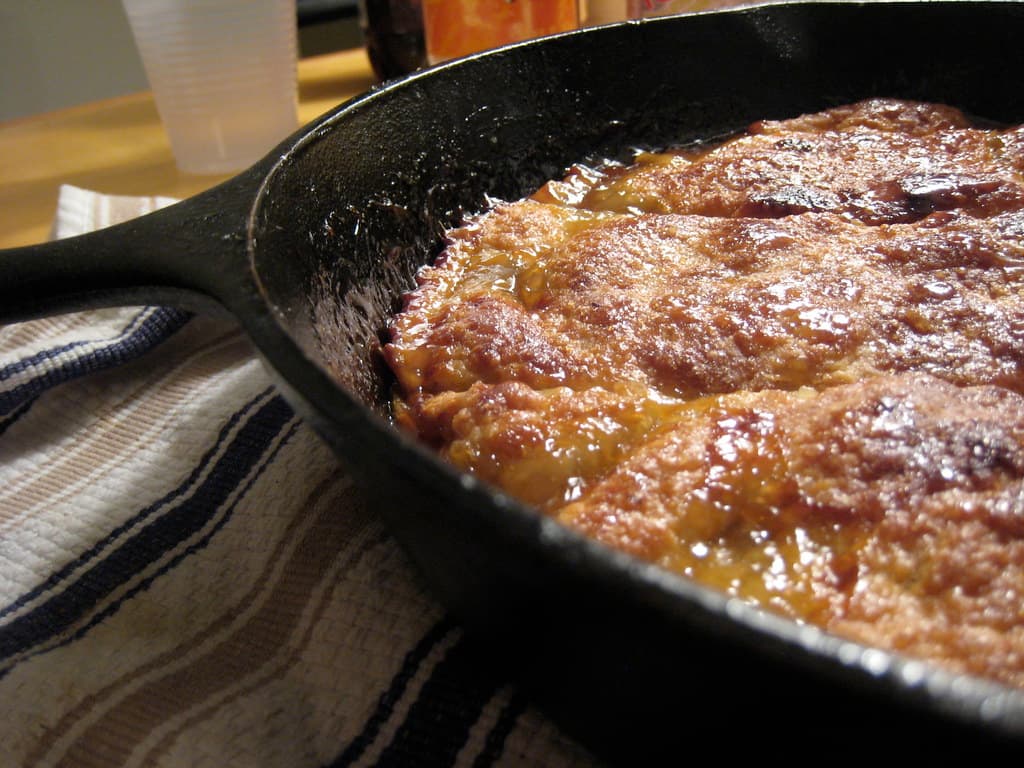
1700s-present
Sliced apples baked under a pastry or biscuit crust that is broken into the juices as it bakes.
America's Melting Pot
Awful Awful photo coming soon
1940s-present
Awful Awful celebrates New England dairy-bar pride in a cold glass: Rhode Island/New England ice milk shake tradition.
Same table
America's Melting Pot
Washington Pie photo coming soon
1700s-present
Washington Pie is a layered dessert combining cake and fruit preserves, dating back to late 18th-century America. This simple yet elegant sweet features moist cake layers sandwiched with jam or jelly and optionally dusted with sugar, reflecting colonial baking practices and early American tastes for fruit desserts.
America's Melting Pot
Election Cake photo coming soon
1770s-present
Election Cake is a rich, spiced yeast-leavened cake traditionally baked for political celebrations in colonial and early American history. It combines dried fruits, warm spices, and nuts, symbolizing communal festivity around elections and gatherings.
America's Melting Pot
Maple-Roasted Squash photo coming soon
1800-1860
Maple-roasted squash is a straightforward side dish combining seasonal winter squash roasted with butter and maple syrup glaze. It reflects Indigenous American foodways and early American frontier cooking that utilized native crops and natural sweeteners, emphasizing simplicity and seasonal ingredients.