
Recipe archive
Loading
Setting the table...
Fetching the latest recipes from the archive.
Loading
Fetching the latest recipes from the archive.
Recipe archive
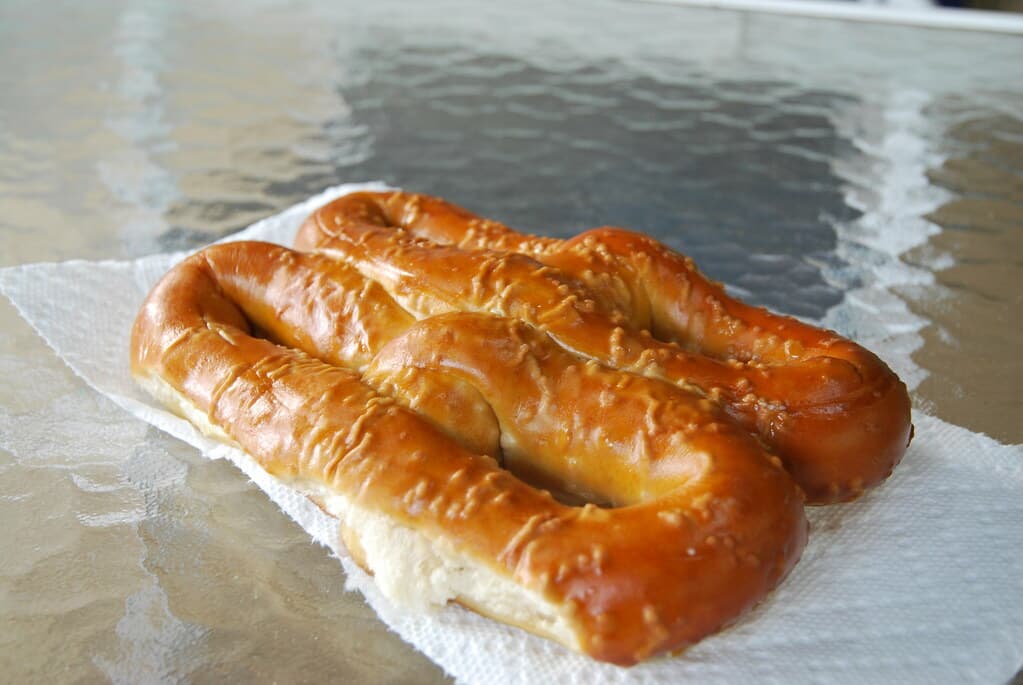
1970-1989 - German-American bakeries and Mid-Atlantic tailgate vendors
Soft pretzels are twisted, chewy bread snacks with a glossy, salted crust. This recipe is inspired by the tailgate and concession stand traditions in the Mid-Atlantic, where pretzels have long been a favored portable treat at sporting events, schools, and fairs.
Community-powered photos. Reviewers can upload dish photos, and the highest-rated community image may be featured here.
Difficulty
Medium
Prep time
2 hours
Cook time
15 minutes
Total time
2 hours 15 minutes
Servings
8 pretzels
Region
Mid-Atlantic
Era introduced
1970-1989
Introduced by
German-American bakeries and Mid-Atlantic tailgate vendors
Recipe tools
Log in to save this recipe to a collection.
Soft pretzels trace their roots to German immigrants in the Mid-Atlantic region, where they became a beloved street and event food. Popularized further in the late 20th century as a staple at tailgates and school functions, these pretzels offer a satisfying combination of chewy texture and salty crust. Their distinctive knot shape and simple ingredients link culinary history to community traditions.
Share family changes, regional twists, or pantry-friendly adaptations as full community recipes.
Log in to submit a community recipe.
No community recipes yet. Submitted recipes are published right away.
Rate this recipe and share how it worked at your table.
Log in to review this recipe.
No reviews yet. Be the first to rate this recipe.
Recipes matched by era, region, occasion, ingredients, and cultural roots from the archive.
Same era
America's Melting Pot
ABC Juice photo coming soon
1970s-present
ABC Juice brings juice-bar color and American smoothie-counter energy to the glass: Apple, beet, carrot.
America's Melting Pot
Auntie Anne's-Style Pretzel Bites photo coming soon
1970-1989
A homemade mall-style pretzel bite recipe with yeast dough, a baking-soda dip, coarse salt, and a generous butter finish.
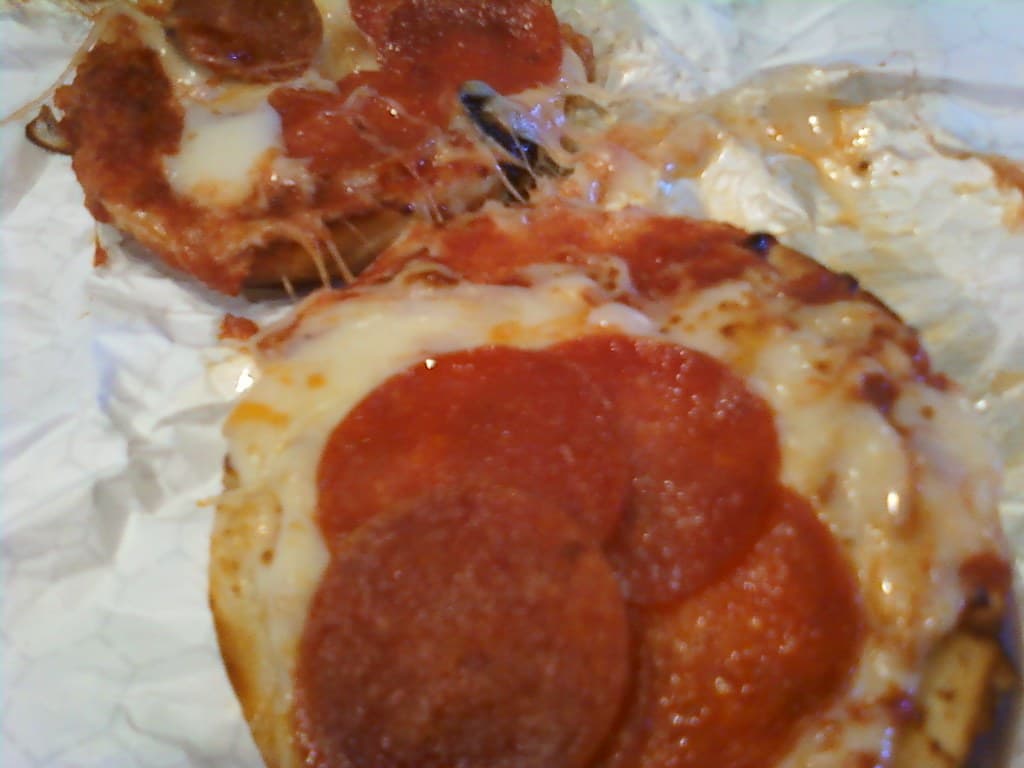
1970-1989
Split bagels topped with tomato sauce, mozzarella, oregano, and pepperoni or vegetables, baked until bubbly for a lunchbox and after-school classic.
Same region
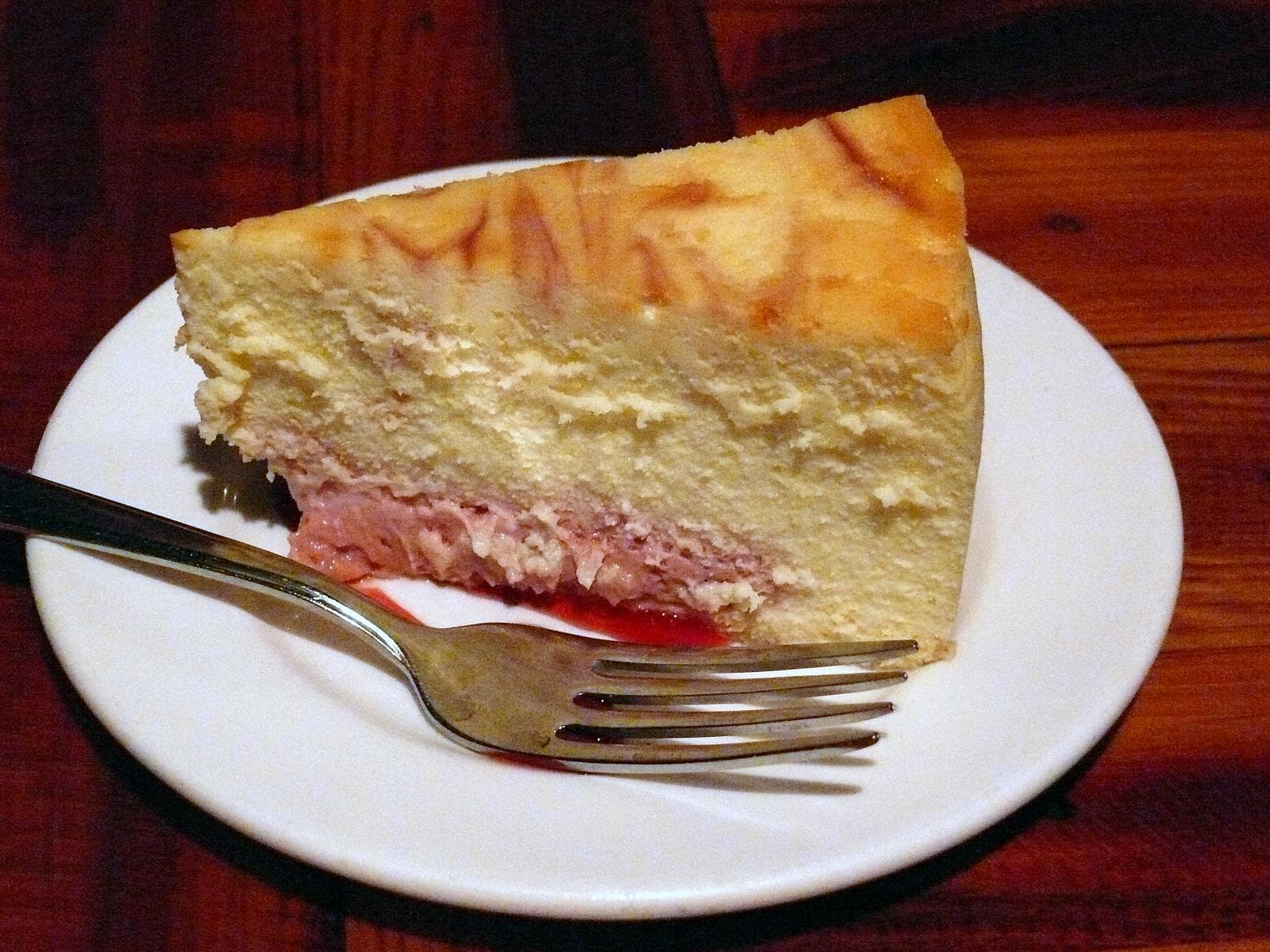
1946-1969
New York Cheesecake is a rich, dense dessert made with cream cheese, eggs, sugar, and a graham cracker crust. Emerging after World War II, it became a symbol of mid-20th-century American prosperity and indulgence, particularly associated with New York City bakeries.
America's Melting Pot
New York Chopped Cheese photo coming soon
2010-2026
New York Chopped Cheese is a deli sandwich with chopped spiced ground beef cooked with onions, topped with melted American cheese, lettuce, tomato, and condiments on a hero roll. It originated in Harlem and Bronx bodegas and became a viral street food icon in the 2010s and beyond.
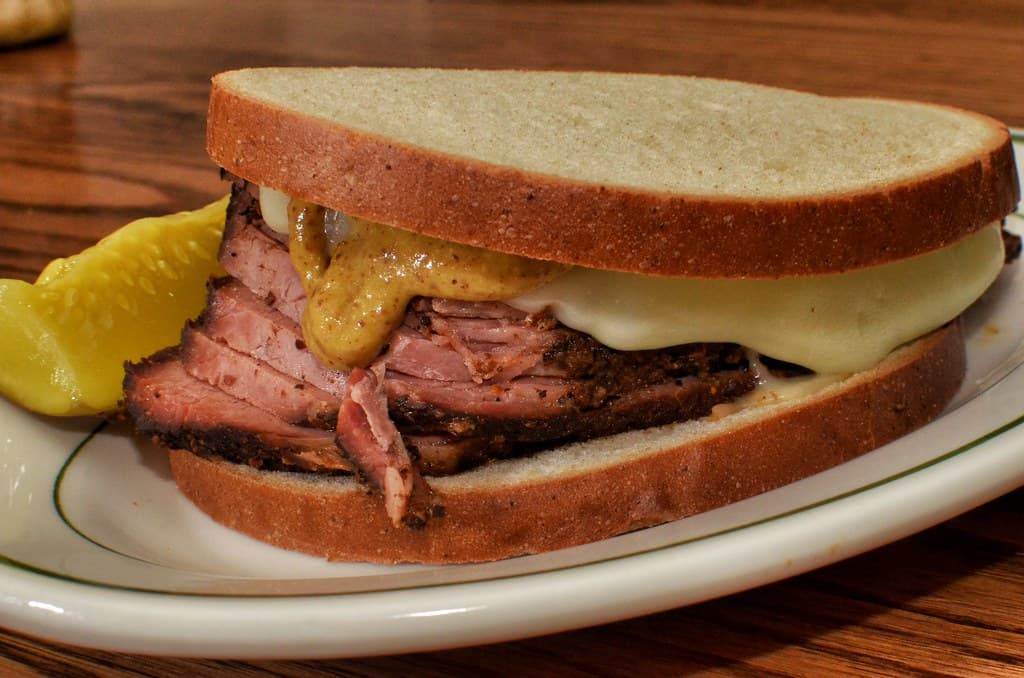
1861-1900
Pastrami on rye is a signature Jewish-American deli sandwich featuring spiced cured pastrami piled on rye bread, often served with mustard. It became emblematic of New York's Mid-Atlantic deli culture during the late 19th century.
Same table
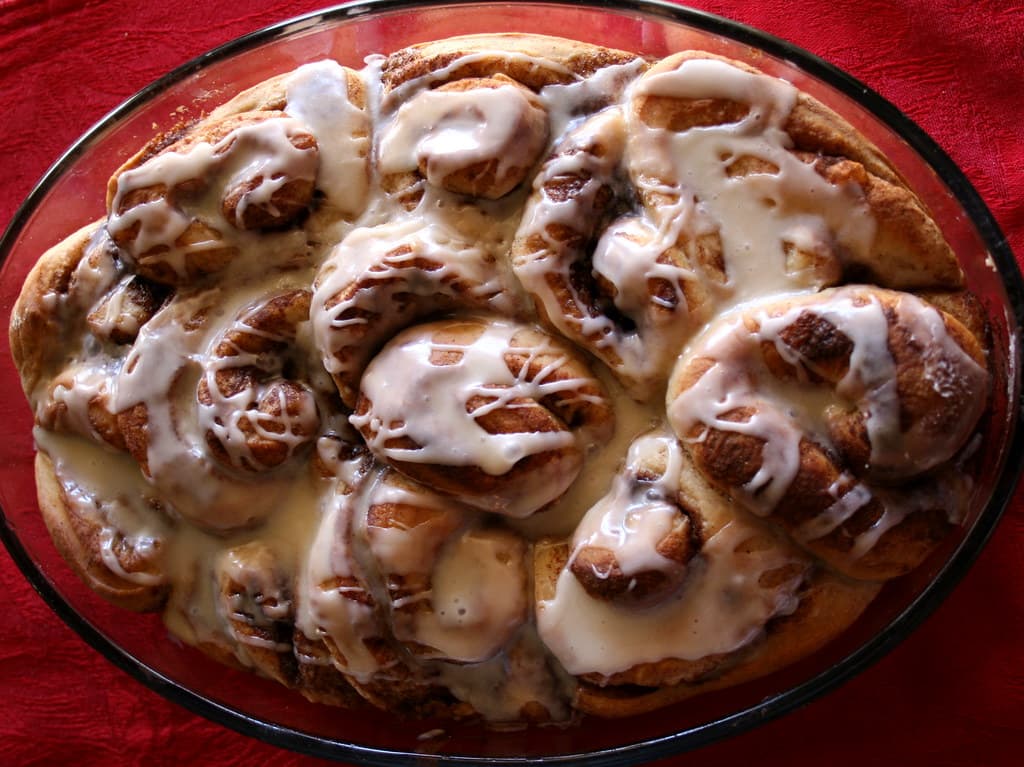
1985-present
Classic American breakfast sweet rolls featuring a soft, fluffy dough swirled with cinnamon sugar and topped with a sweet glaze. Cinnamon rolls became popular as convenient and comforting treats at tailgate parties, booster clubs, and concession stands in late 20th-century America, especially from the 1970s through the 1980s. Their warm spices and sweetness mark them as a festive favorite around Christmas and other cold-weather celebrations.
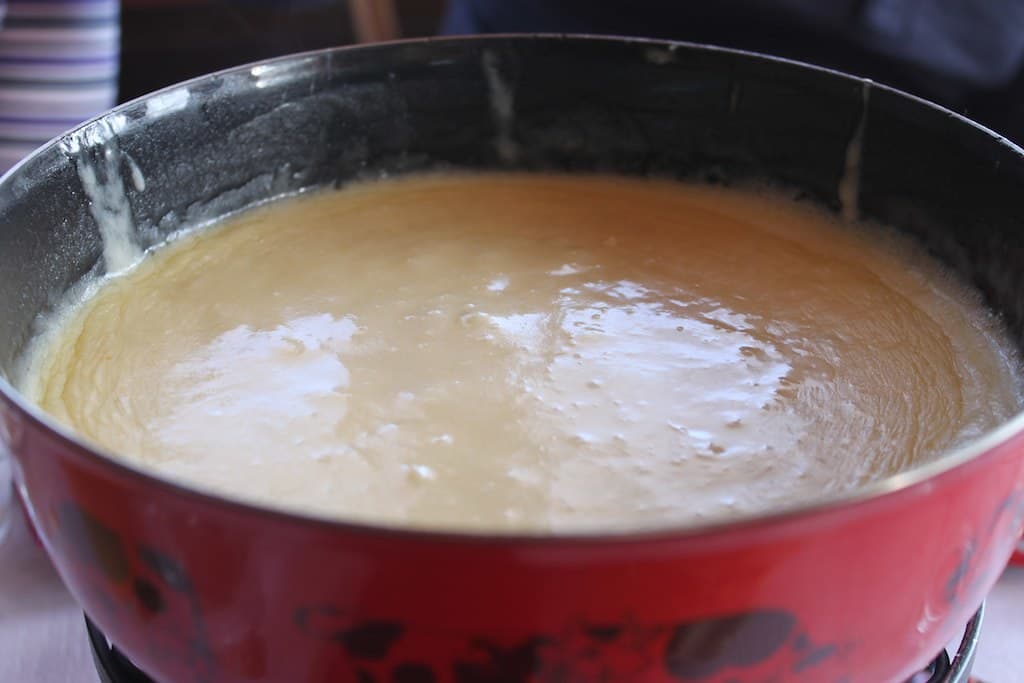
1964-present
Fondue involves dipping bread, vegetables, or fruits into melted cheese or chocolate shared communally around a pot. Popularized in mid-century America, it became emblematic of entertaining and cocktail party culture during the postwar period.
America's Melting Pot
Horseshoe Sandwich photo coming soon
1946-1969
The Horseshoe Sandwich is a Midwestern American comfort food featuring thick-sliced bread topped with meat, French fries, and rich cheese sauce. Originating in Illinois during the postwar era, it became a regional favorite combining diner food, casseroles, and backyard cooking influences. This substantial dish serves as a casual meal synonymous with tailgates and family gatherings.