
Recipe archive
Loading
Setting the table...
Fetching the latest recipes from the archive.
Loading
Fetching the latest recipes from the archive.
Recipe archive
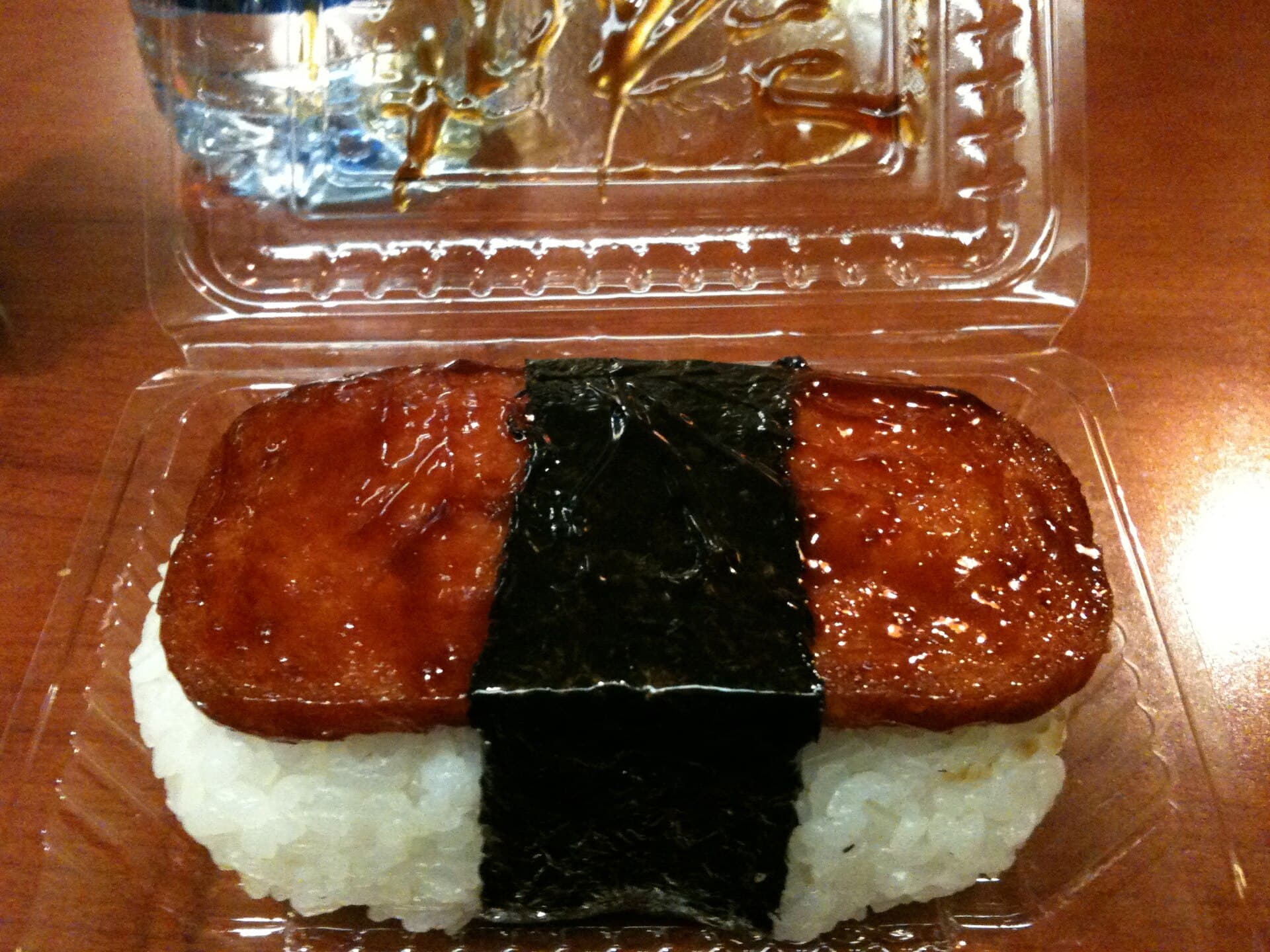
1930-1945 - Hawaiian, Japanese-American, and Portuguese-American communities in Hawaii
Spam musubi is a beloved Hawaiian snack that blends Japanese onigiri traditions with American canned meat from World War II. It symbolizes Hawaii's multicultural food culture and postwar adaptations.
Community-powered photos. Reviewers can upload dish photos, and the highest-rated community image may be featured here.
Difficulty
Easy
Prep time
10 minutes
Cook time
10 minutes
Total time
20 minutes
Servings
6
Region
Hawaii
Era introduced
1930-1945
Introduced by
Hawaiian, Japanese-American, and Portuguese-American communities in Hawaii
Recipe tools
Log in to save this recipe to a collection.
Spam musubi emerged in Hawaii during and after World War II, when Spam was introduced by the U.S. military to the islands. Japanese-American residents adapted the portable form of sushi - onigiri - by layering grilled Spam atop rice and wrapping both with nori seaweed. It captures Hawaii's rich multiculturalism and pragmatic culinary combinations between native practices and mainland influences, becoming a popular snack at lunch counters and food trucks since the mid-20th century.
Share family changes, regional twists, or pantry-friendly adaptations as full community recipes.
Log in to submit a community recipe.
No community recipes yet. Submitted recipes are published right away.
Rate this recipe and share how it worked at your table.
Log in to review this recipe.
No reviews yet. Be the first to rate this recipe.
Recipes matched by era, region, occasion, ingredients, and cultural roots from the archive.
Same era
America's Melting Pot
Army Chili photo coming soon
1930-1945
A practical ground-beef chili with beans, tomatoes, onion, chili powder, cumin, and paprika, adapted from Armed Forces chili con carne formulas for a family pot.
America's Melting Pot
Chicken Noodle Soup photo coming soon
1934-present
Chicken Noodle Soup is a comforting one-pot dish made by simmering chicken, vegetables, broth, and egg noodles into a nourishing soup. A staple across American kitchens for generations, it highlights simplicity, warmth, and adaptability in soups and stews throughout the country's culinary evolution.
America's Melting Pot
Chocolate Cake for a Crowd photo coming soon
1930s-1945
Chocolate Cake for a Crowd is a dessert designed to serve many people economically during the Depression and World War II eras (1930-1945). This cake reflects military and mess hall kitchens' need for practical, filling, and easily produced sweets using limited ingredients. Its simple yet rich chocolate flavor made it a favorite for community events, schools, and military gatherings where feeding large numbers was essential.
Same region
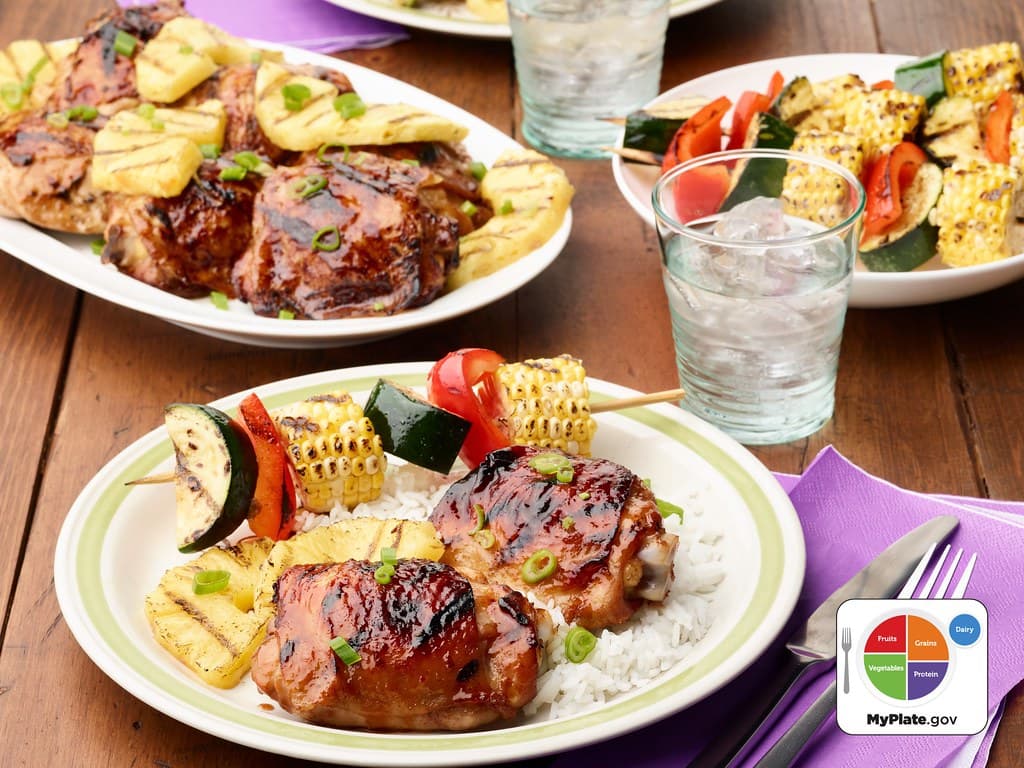
1946-1969
Huli Huli Chicken is a celebrated Hawaiian barbecue dish developed in the mid-20th century combining sweet, savory, and smoky flavors. It features grilled chicken basted with a sauce of pineapple juice, soy sauce, and brown sugar, reflecting Hawaiian, Asian-Pacific, and Portuguese-American culinary influences prevalent after World War II.
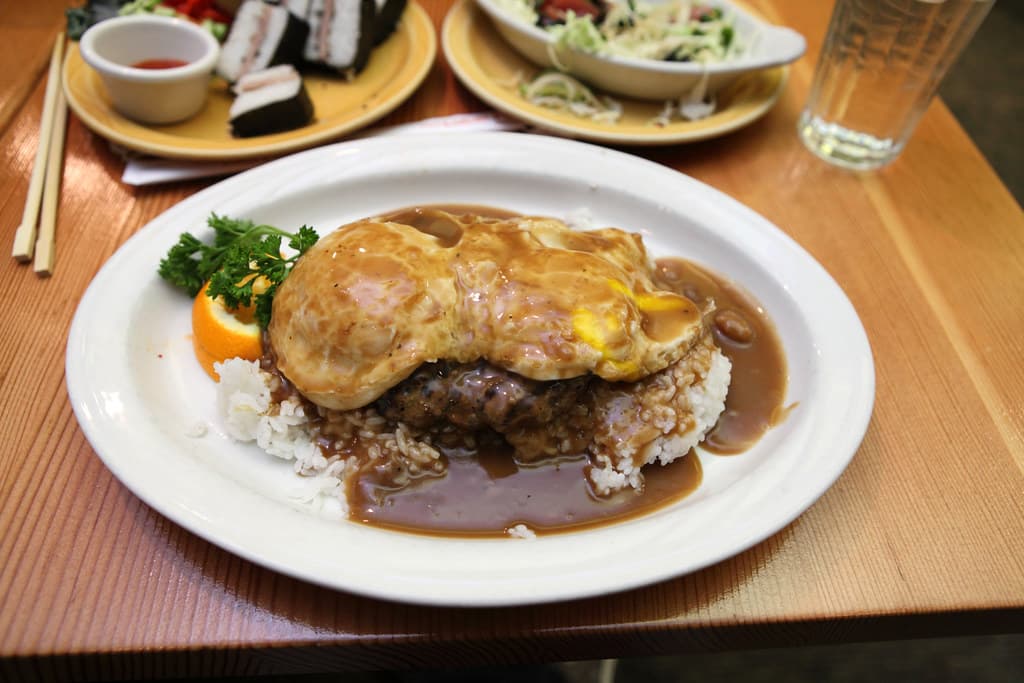
1946-1969
Loco Moco is a Hawaiian dish consisting of white rice topped with a hamburger patty, fried egg, and brown gravy. It reflects a fusion of Hawaiian, Asian-Pacific American, and Portuguese-American culinary influences and became popular in Hawaii post World War II.
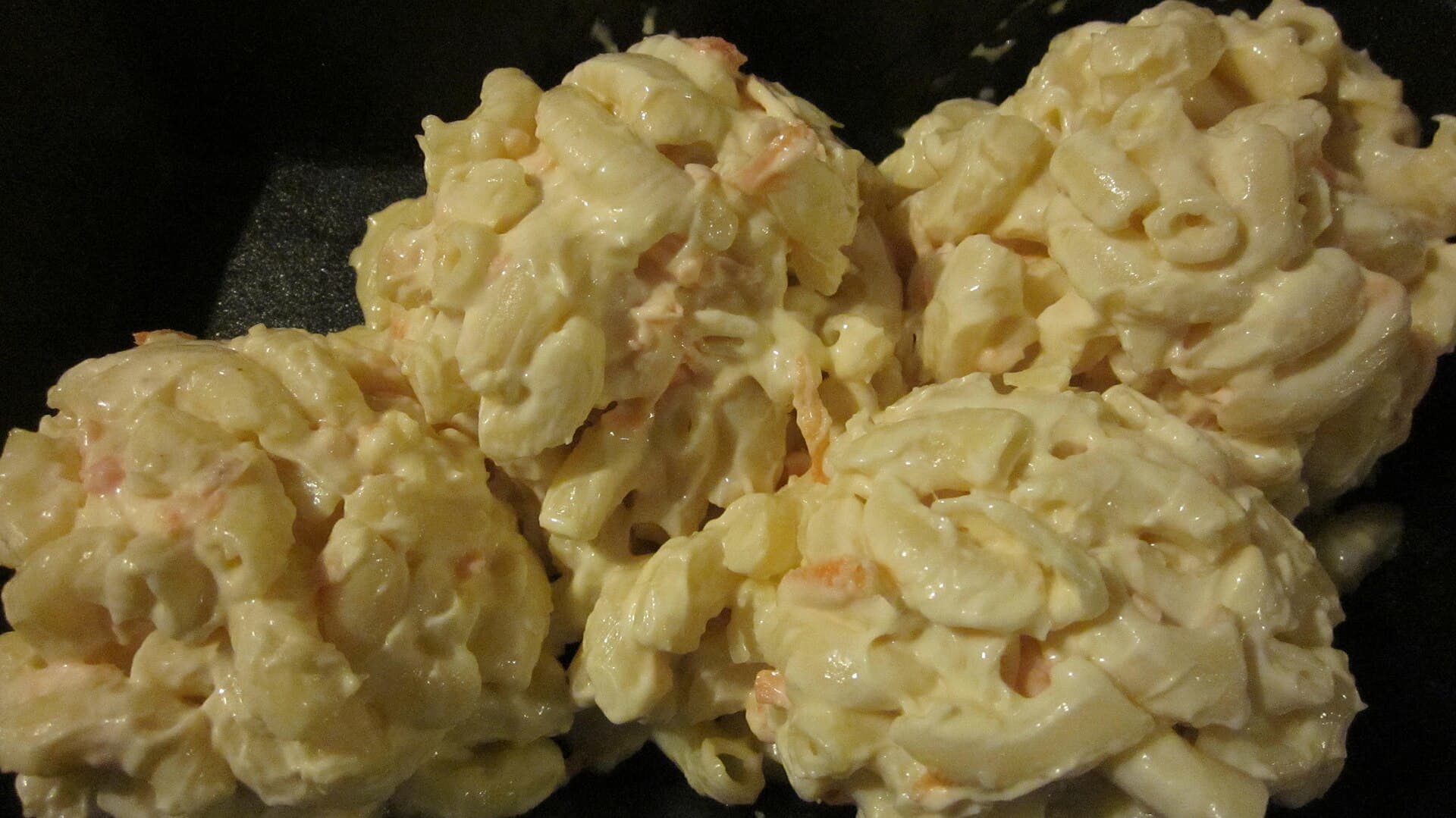
1900-1929
Macaroni salad is an essential side dish in Hawaii's multicultural cuisine, blending Asian-Pacific, Hawaiian, and Portuguese influences. Served at school functions, churches, and state fairs, it features tender macaroni with creamy mayonnaise dressing and subtle seasonings, making it a refreshing accompaniment for various Hawaiian meals and celebrations.
Same table
America's Melting Pot
Poke Bowls photo coming soon
2010-2026
Poke bowls build upon traditional Hawaiian poke by serving raw marinated fish atop rice and a variety of fresh toppings, reflecting recent food truck and fusion trends blending Hawaiian and mainland American tastes.
America's Melting Pot
Tortilla Wrap Hack photo coming soon
2020-present
The Tortilla Wrap Hack is a modern, viral food hack that reinvents tortillas by layering and folding them into compact, flavorful wraps ideal for quick meals and food trucks. Emerging in the 2010s, this hack exemplifies American food truck innovation, viral internet sharing, and fusion food aesthetics popular in New American cuisine.
1946-1969
Loco Moco is a Hawaiian dish consisting of white rice topped with a hamburger patty, fried egg, and brown gravy. It reflects a fusion of Hawaiian, Asian-Pacific American, and Portuguese-American culinary influences and became popular in Hawaii post World War II.