
Recipe archive
Loading
Setting the table...
Fetching the latest recipes from the archive.
Loading
Fetching the latest recipes from the archive.
Recipe archive

1900-1929 - Greek-American diners and immigrant family kitchens
Greek-American spinach pie is a savory pastry filled with spinach, feta cheese, herbs, and sometimes eggs, wrapped in phyllo dough or a dough crust. Its presence in American diners and fairs reflects immigrant foodways from 1900 to 1929.
Community-powered photos. Reviewers can upload dish photos, and the highest-rated community image may be featured here.
Difficulty
Medium
Prep time
30 minutes
Cook time
45 minutes
Total time
1 hour 15 minutes
Servings
8
Region
Greek American Orthodox church, diner, and bakery kitchens
Era introduced
1900-1929
Introduced by
Greek-American diners and immigrant family kitchens
Recipe tools
Log in to save this recipe to a collection.
Between 1900 and 1929, Greek-American immigrant communities brought savory pastries like spinach pie to the American culinary scene. Known variously as spanakopita or spinach pie depending on region and recipe, it featured prominently in diners, lunch counters, and at state fairs. The dish demonstrated how ethnic recipes were preserved and shared while integrating into broader community food cultures as portable, affordable snacks.
Share family changes, regional twists, or pantry-friendly adaptations as full community recipes.
Log in to submit a community recipe.
No community recipes yet. Submitted recipes are published right away.
Rate this recipe and share how it worked at your table.
Log in to review this recipe.
No reviews yet. Be the first to rate this recipe.
Recipes matched by era, region, occasion, ingredients, and cultural roots from the archive.
Same era
America's Melting Pot
American French Dressing photo coming soon
1900s-present
American French Dressing is a dressing with real American table personality: The bright orange-red, sweet, tomatoey bottled dressing Americans call "French." Not very French, very American. It brings flavor from coast-to-coast American tables to cookouts, counters, lunch plates, potlucks, and weeknight suppers.
America's Melting Pot
Apple Pie Shake photo coming soon
1922-present
Apple Pie Shake brings drive-in, carhop, and fast-food dessert-counter energy to the table: Diner pie a la mode in a cup.
America's Melting Pot
Avgolemono Soup photo coming soon
1900-1929
A silky Greek-American chicken, rice, egg, and lemon soup made by tempering eggs into hot broth for a creamy dairy-free finish.
Same region
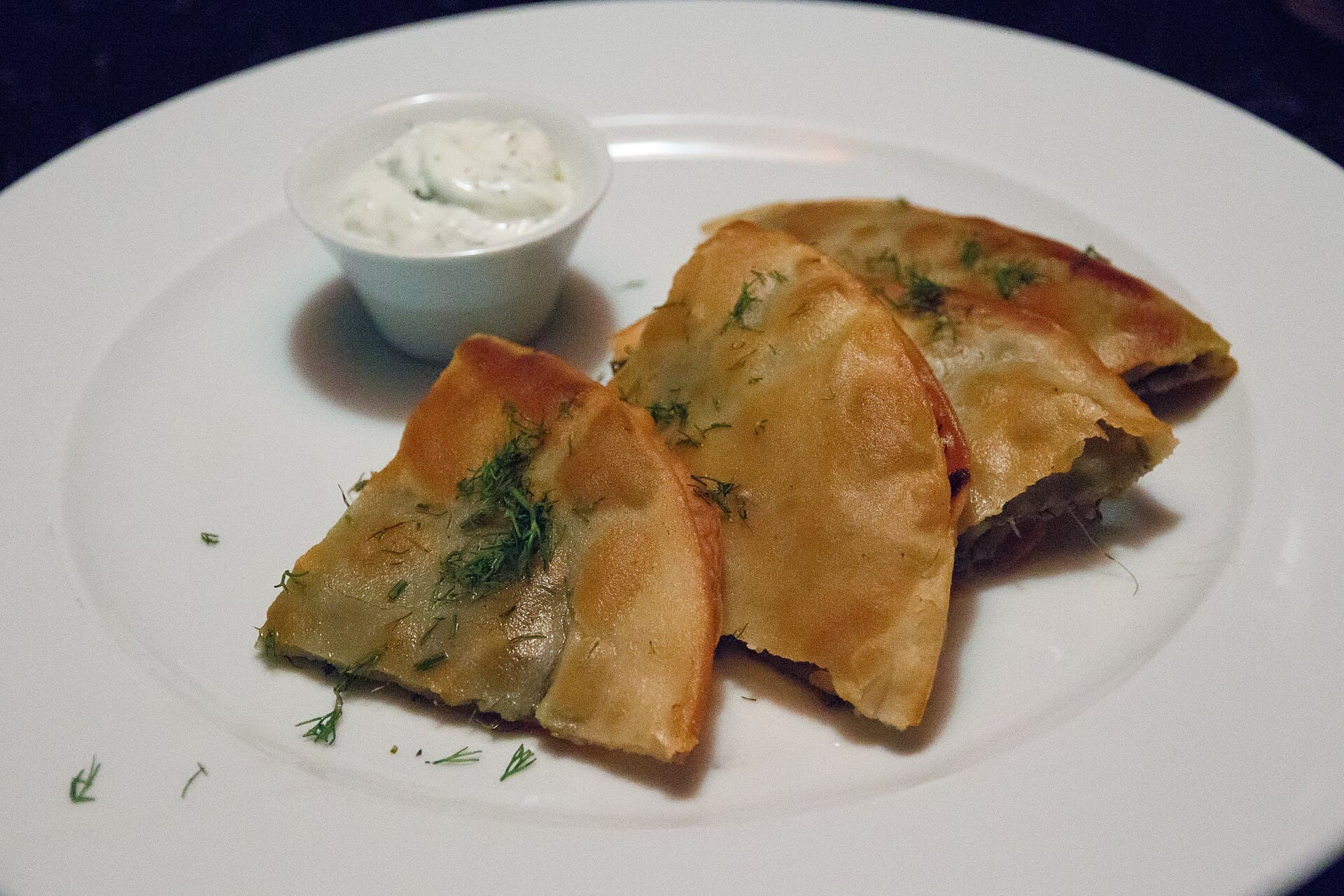
1900s-present
Spanakopita is a savory Greek spinach and feta-filled pastry, introduced to America by early Greek immigrants operating diners and lunch counters. It became a popular snack and side dish in urban immigrant communities between 1900 and 1929.
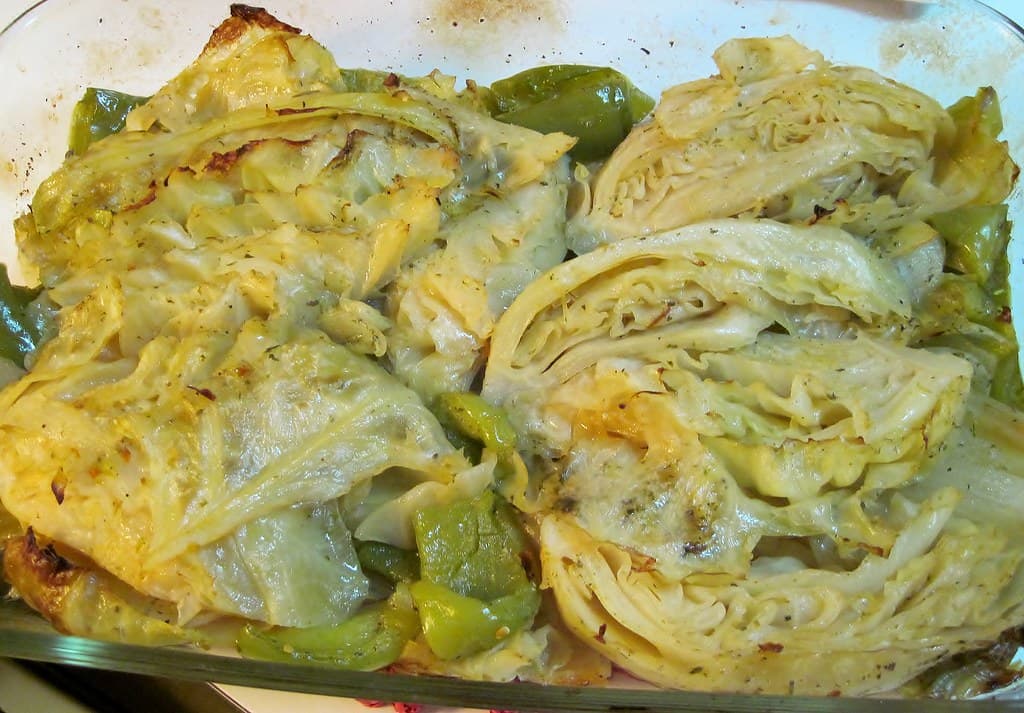
1700-2026
Braised cabbage is an old, practical side dish because cabbage stores well, feeds many, and softens beautifully with slow moist heat. American versions draw from British, German, Irish, and Eastern European cabbage cookery as well as plain farm-table thrift.
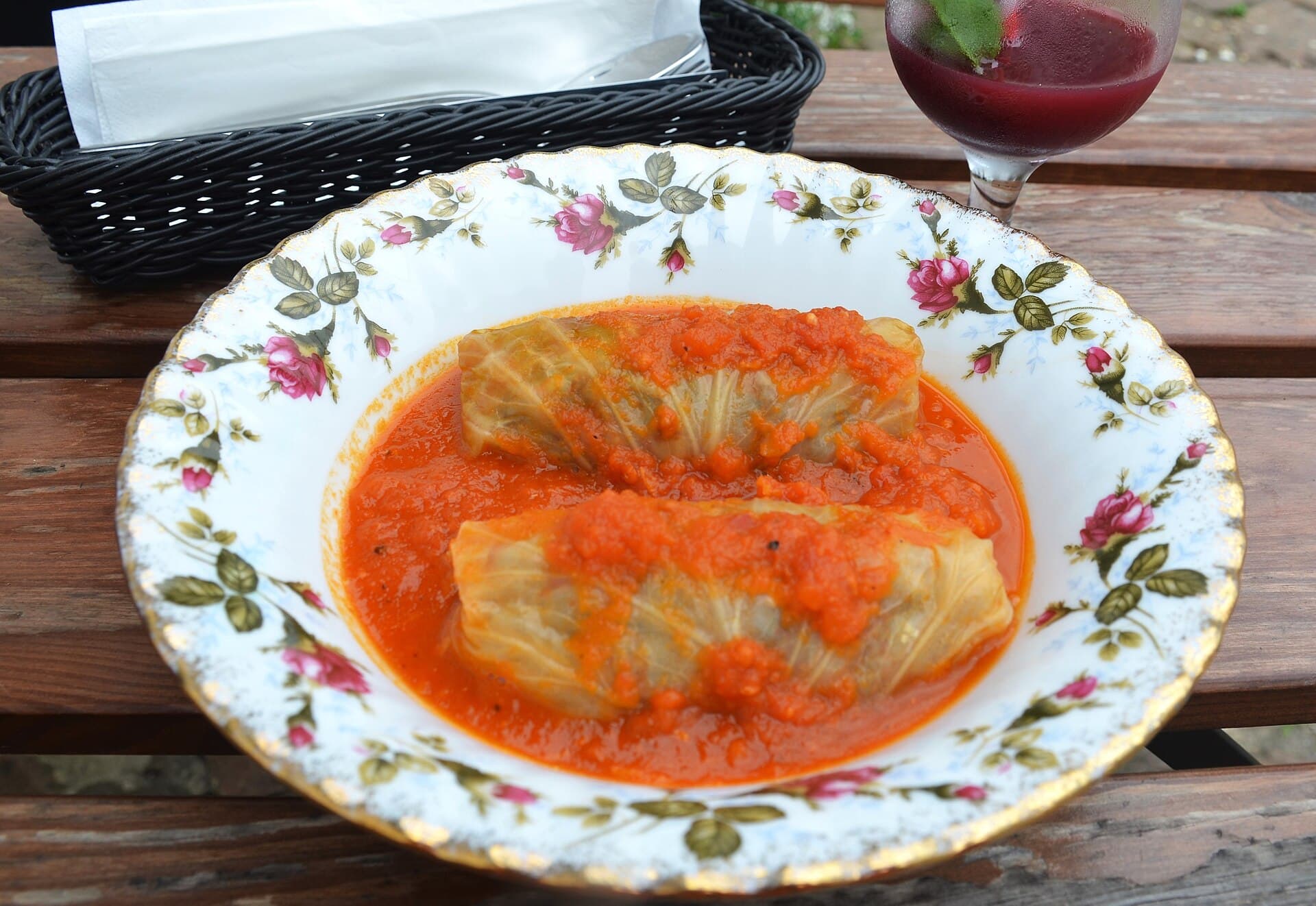
1900-2026
Cabbage rolls came to American tables through many Eastern European and Jewish immigrant communities. Polish golabki, Ukrainian holubtsi, Slovak holubky, Jewish holishkes, and related dishes all wrap humble cabbage around a filling that stretches meat with rice or grain.
Same table
1900s-present
Spanakopita is a savory Greek spinach and feta-filled pastry, introduced to America by early Greek immigrants operating diners and lunch counters. It became a popular snack and side dish in urban immigrant communities between 1900 and 1929.
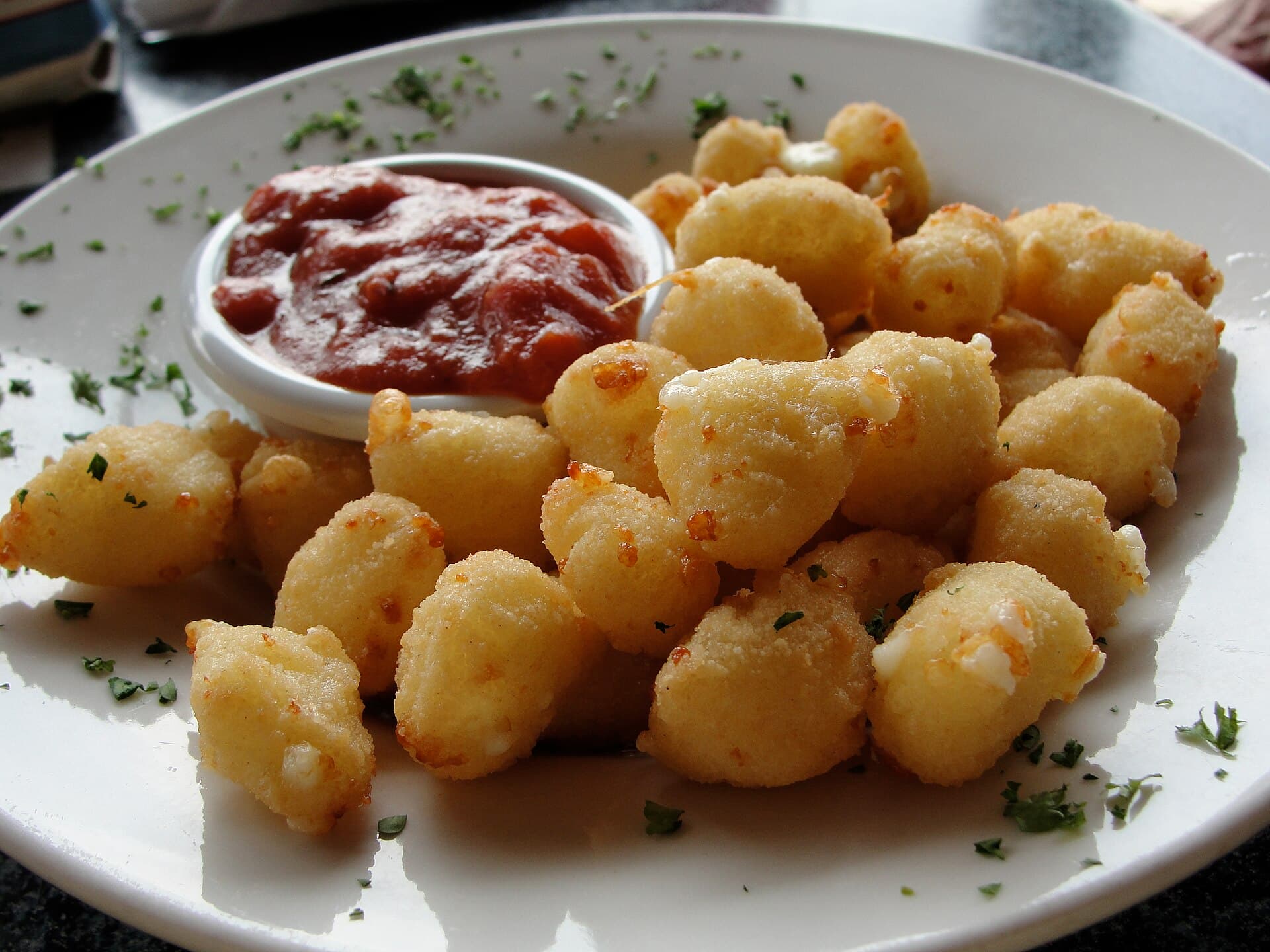
1900-1929
Fried cheese curds are a popular snack in the Midwest featuring bite-sized fresh cheese curds, breaded and deep fried until golden and melty. Often found at state fairs and diners, this dish showcases immigrant-influenced comfort food from early 20th century America.
1914/1917-present
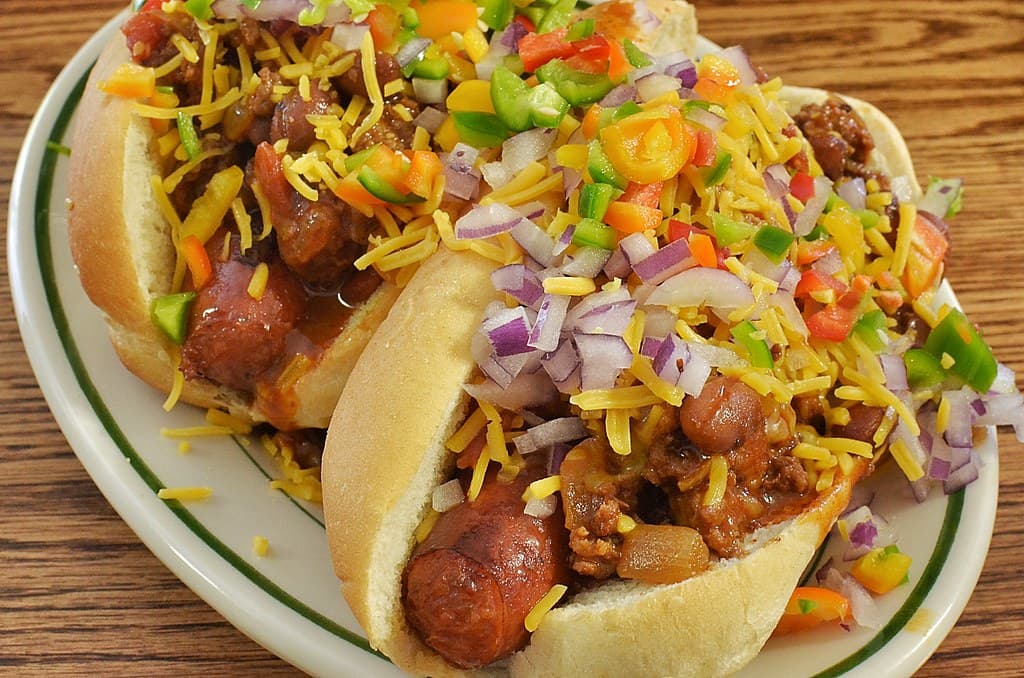
The Chili Dog is a popular American sandwich featuring a hot dog topped with chili, cheese, onions, and mustard. Merging the convenience of the classic hot dog with the bold flavors of chili con carne, this dish reflects American innovation in casual dining and fast food culture. Its origins are broad but rooted in Southwestern and Texan culinary traditions combined with urban sandwich trends, making it a ubiquitous comfort food nationwide.