
Recipe archive
Loading
Setting the table...
Fetching the latest recipes from the archive.
Loading
Fetching the latest recipes from the archive.
Recipe archive
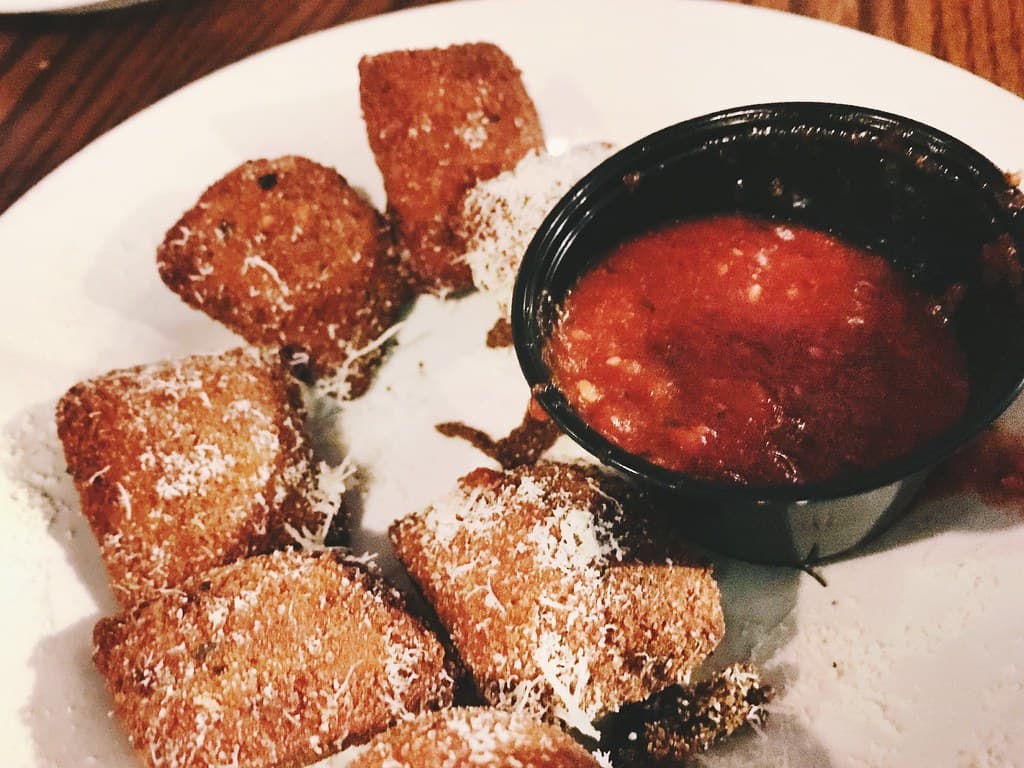
1946-1969 - Italian-American restaurants and tavern communities in St. Louis, Missouri.
Toasted ravioli is a St. Louis original featuring breaded ravioli fried to a crisp golden brown, served as an appetizer with marinara sauce. This playful reinterpretation of traditional ravioli emerged post-World War II, becoming a beloved regional bar and family favorite.
Community-powered photos. Reviewers can upload dish photos, and the highest-rated community image may be featured here.
Difficulty
Medium
Prep time
15 minutes
Cook time
10 minutes
Total time
25 minutes
Servings
4
Region
Missouri and the Midwest
Era introduced
1946-1969
Introduced by
Italian-American restaurants and tavern communities in St. Louis, Missouri.
Recipe tools
Log in to save this recipe to a collection.
Toasted ravioli was reportedly created in the mid-20th century in St. Louis Italian-American neighborhoods as a fun twist on traditional ravioli. Instead of boiling, ravioli are breaded and deep fried until crisp, transforming a classic pasta parcel into a crunchy, savory appetizer. This dish enjoyed rapid local popularity in taverns and restaurants, symbolizing regional innovation and the melding of Italian roots with American comfort food culture.
Share family changes, regional twists, or pantry-friendly adaptations as full community recipes.
Log in to submit a community recipe.
No community recipes yet. Submitted recipes are published right away.
Rate this recipe and share how it worked at your table.
Log in to review this recipe.
No reviews yet. Be the first to rate this recipe.
Recipes matched by era, region, occasion, ingredients, and cultural roots from the archive.
Same era
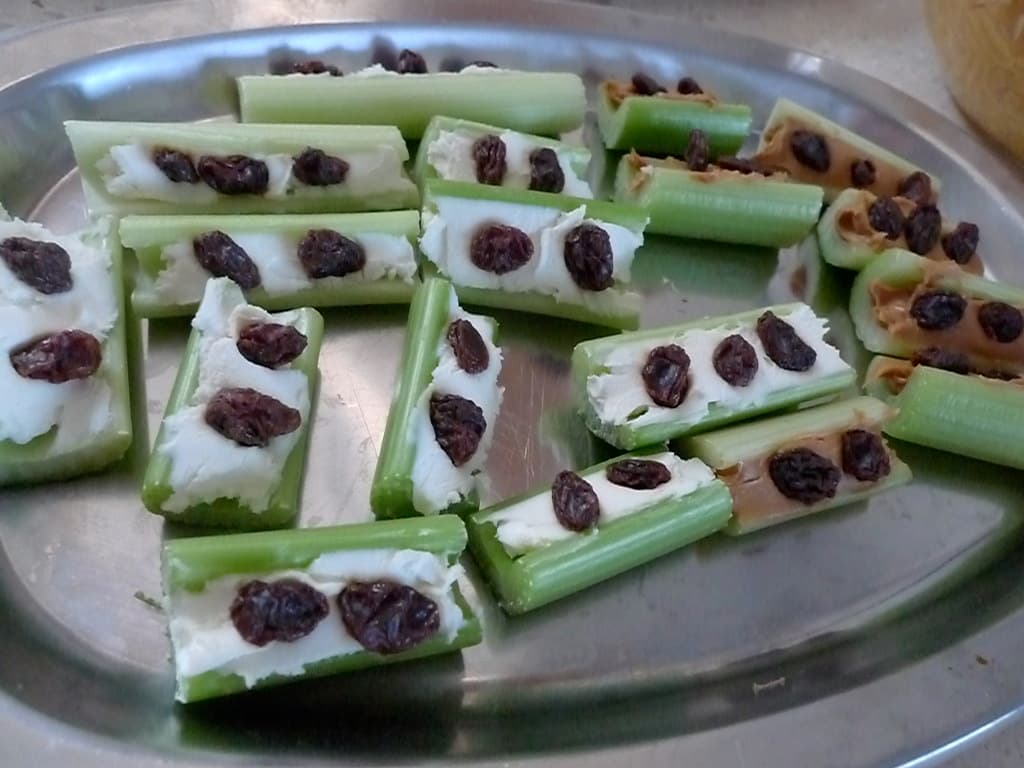
1950s-present
Celery sticks filled with peanut butter and topped with raisins, the classic American kid snack.
America's Melting Pot
Arby's-Style Horsey Sauce photo coming soon
1964-1970s
Arby's-Style Horsey Sauce is a sandwich sauce with real American table personality: Fast-food horseradish mayo tradition. It brings flavor from coast-to-coast American tables to cookouts, counters, lunch plates, potlucks, and weeknight suppers.
America's Melting Pot
Bacon-Wrapped Water Chestnuts photo coming soon
1946-1969
Crunchy water chestnuts wrapped in bacon, baked until crisp, and glazed with a brown sugar, soy, ketchup, and Worcestershire sauce.
Same region
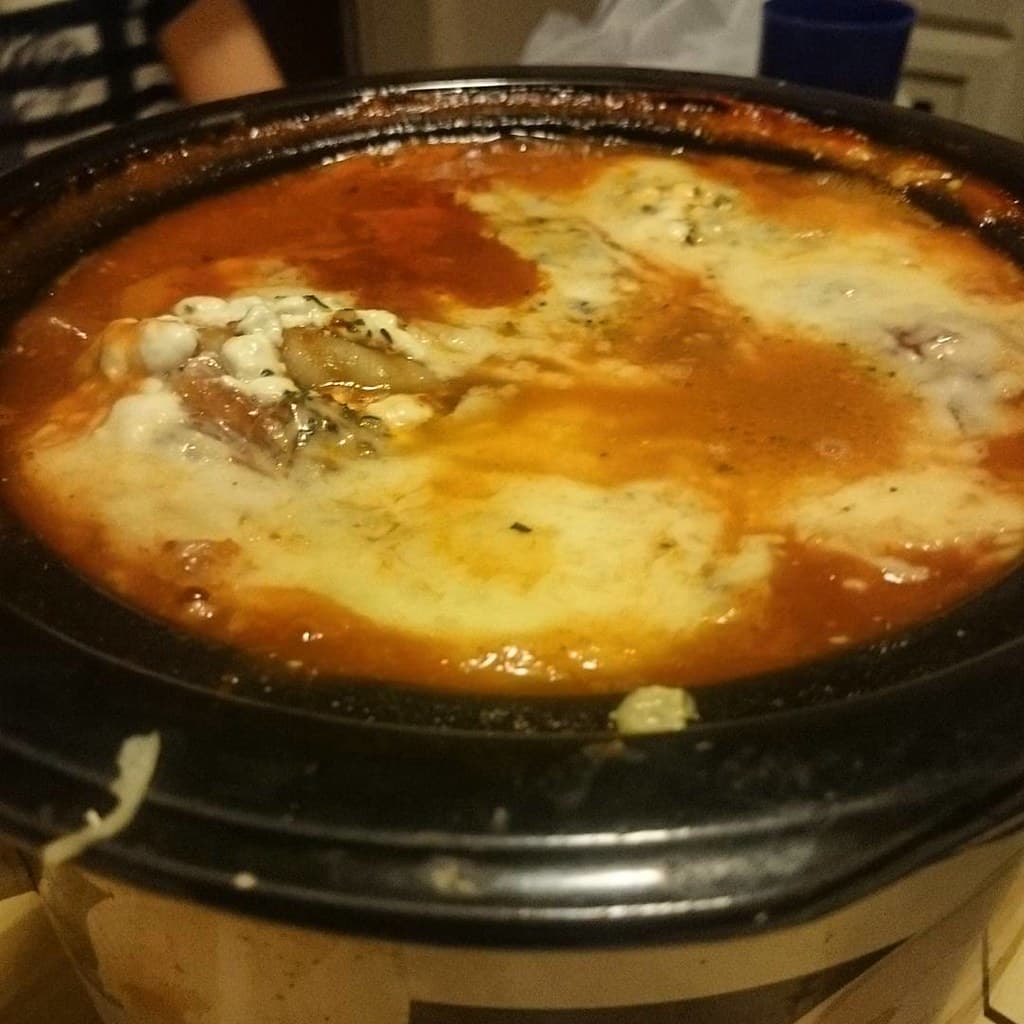
1971-present
Crockpot Lasagna adapts the traditional Italian-American layered pasta dish into an easy, slow-cooked version. It layers noodles, ricotta cheese, meat sauce, and cheese in a crockpot for a hands-off approach that maintains the rich flavors and textures familiar to American households.
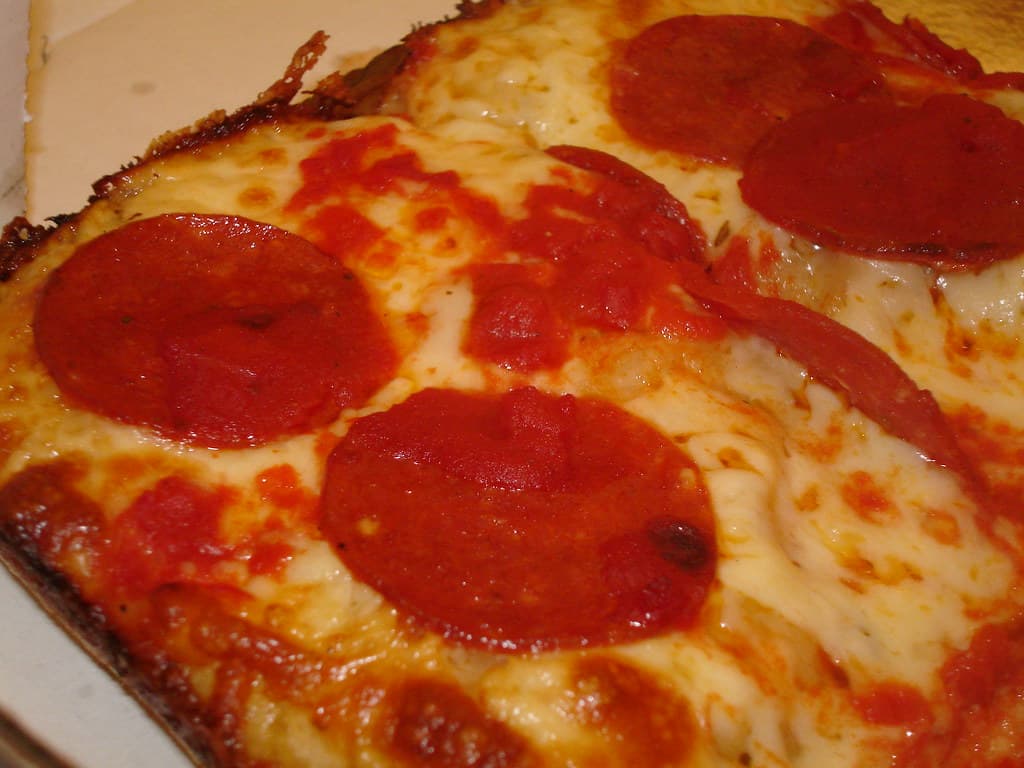
1946-1969
Detroit-style pizza originated post-World War II as a regional midwestern specialty distinguished by its rectangular shape, thick crust, crispy caramelized cheese edges, and layering of toppings. An Italian-American innovation aligned with suburban and industrial growth after 1946.
1953/1964-present
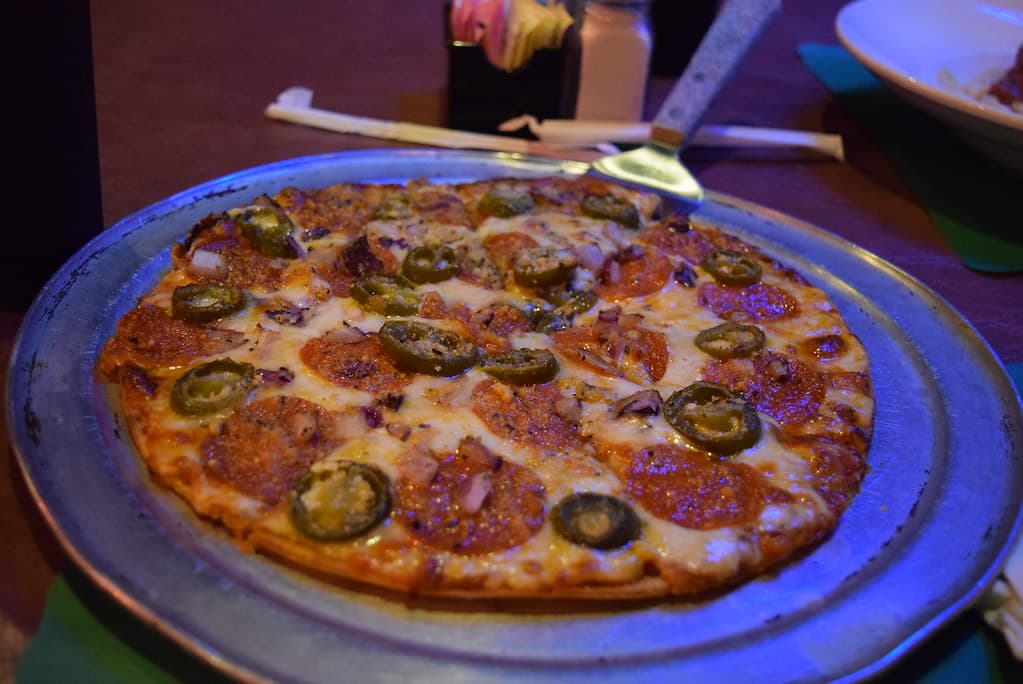
St. Louis Pizza is distinct for its ultra-thin, cracker-like crust, Provel cheese topping, and square slices. This regional specialty blends Italian-American pizza traditions with local innovations, emerging in mid-20th-century St. Louis area pizzerias and home kitchens.
Same table
1990-2009
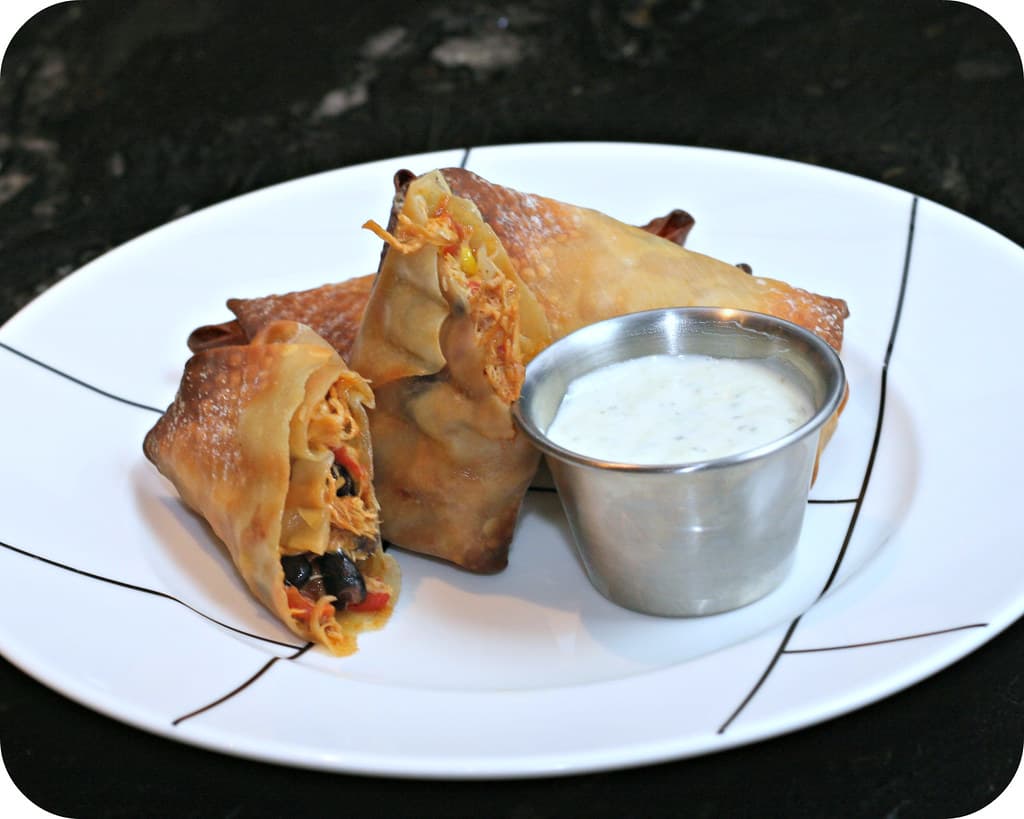
Southwest Egg Rolls blend traditional egg roll wrappers with fillings inspired by Southwestern cuisine, such as black beans, corn, peppers, and cheese. Popularized in family restaurants and chain eateries in the 1990s and 2000s, they offer a fusion appetizer with bold flavors.
1970-1989
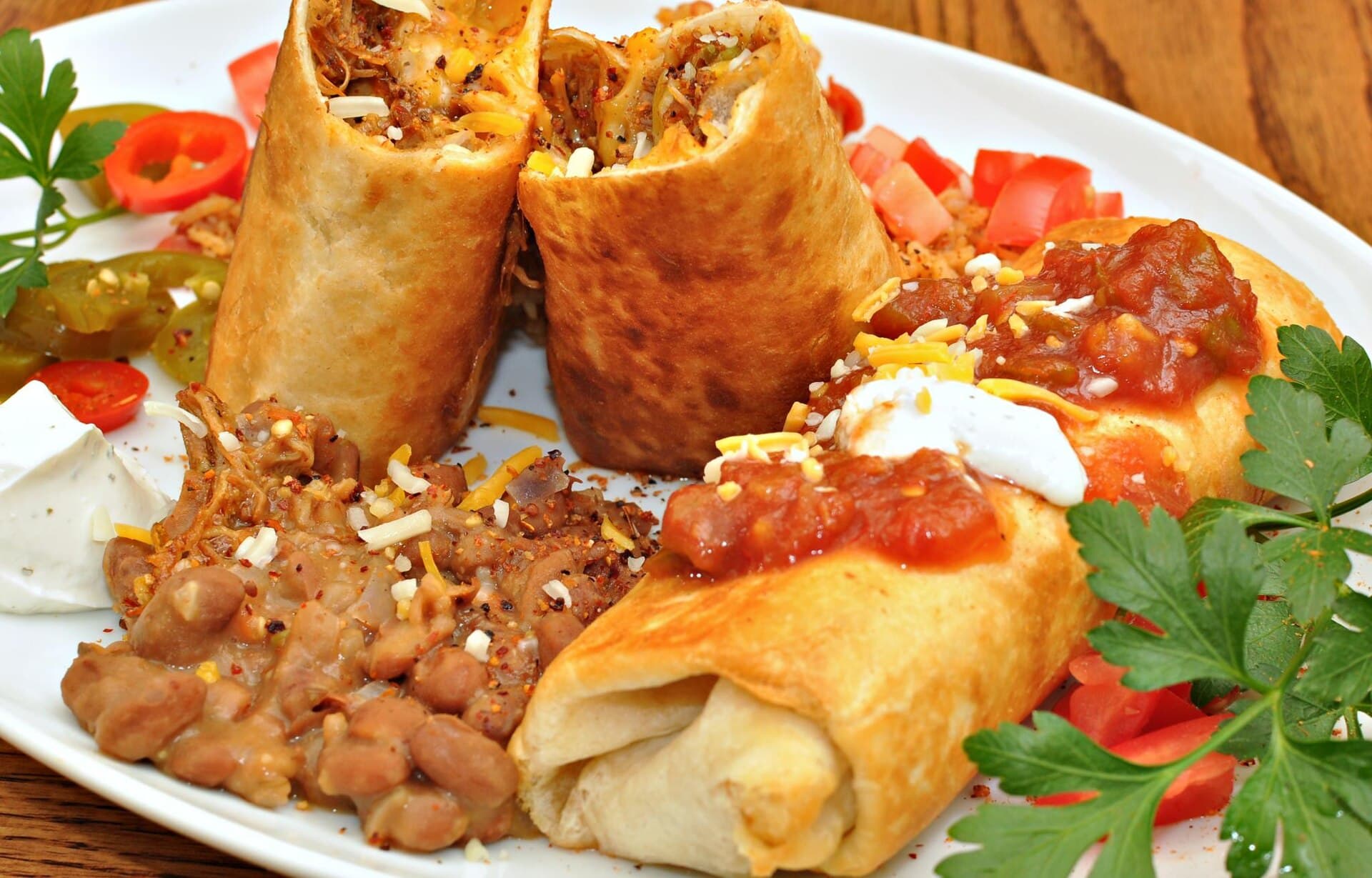
Chimichangas are an iconic Tex-Mex dish featuring deep-fried burritos filled with savory ingredients like meat, cheese, and beans. Emerging in the United States between the 1970s and 1980s, they combine traditional Mexican elements with the American preference for fried foods and convenience. Often enjoyed at tailgates and casual gatherings, chimichangas showcase fusion cuisine blending Mexican-American culinary traditions with fast food culture.
1940s-present
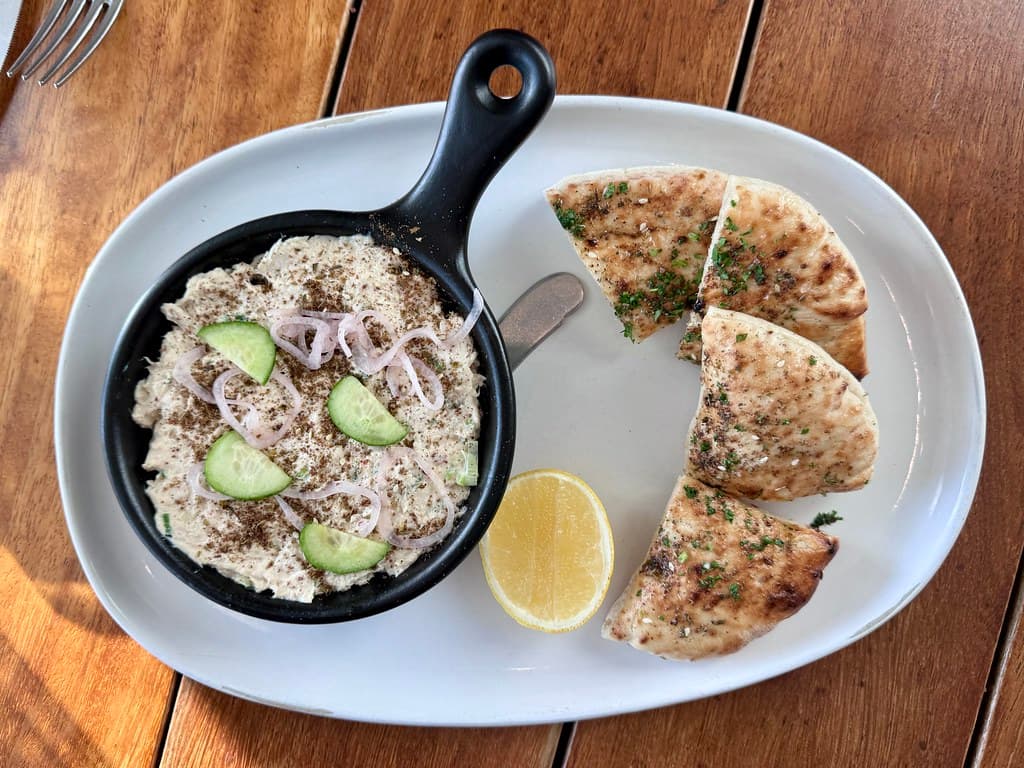
A rich and creamy crab dip combining crab meat with cream cheese, mayonnaise, and seasonings baked until bubbly and golden. Often enjoyed as a popular appetizer during postwar American cocktail parties and gatherings.