
Recipe archive
Loading
Setting the table...
Fetching the latest recipes from the archive.
Loading
Fetching the latest recipes from the archive.
Recipe archive
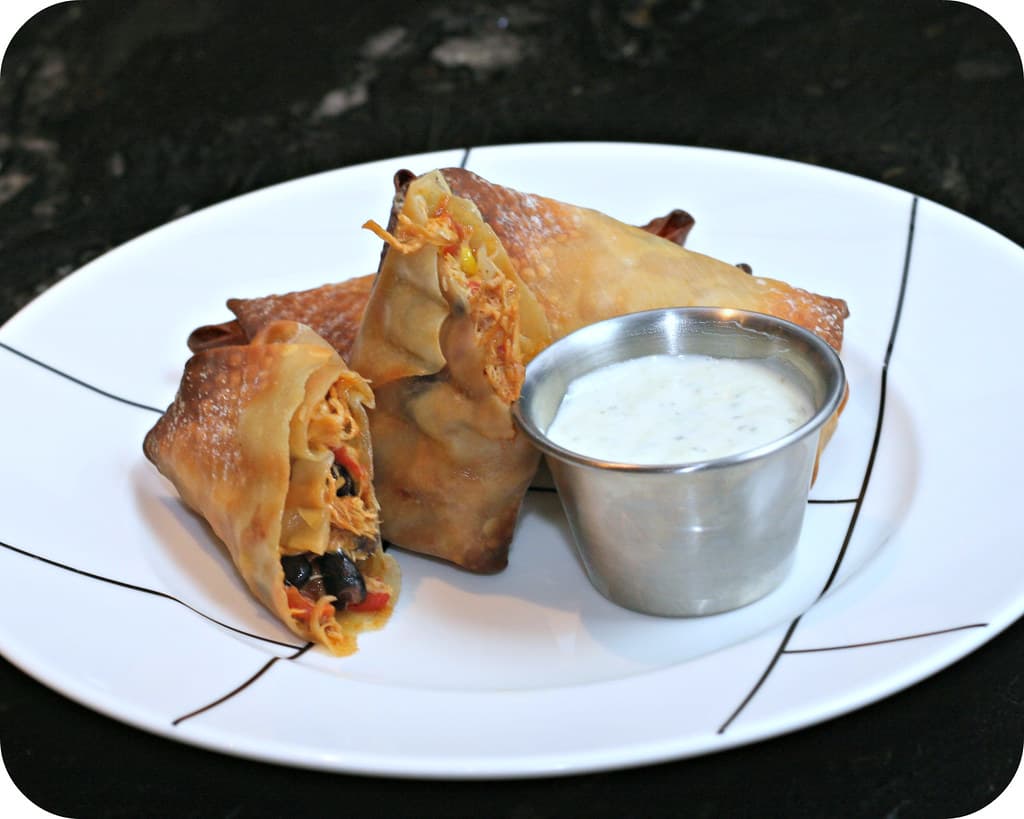
1990-2009 - Southwestern family restaurants and regional chain eateries
Southwest Egg Rolls blend traditional egg roll wrappers with fillings inspired by Southwestern cuisine, such as black beans, corn, peppers, and cheese. Popularized in family restaurants and chain eateries in the 1990s and 2000s, they offer a fusion appetizer with bold flavors.
Community-powered photos. Reviewers can upload dish photos, and the highest-rated community image may be featured here.
Difficulty
Medium
Prep time
25 minutes
Cook time
10 minutes
Total time
35 minutes
Servings
6
Region
Southwest
Era introduced
1990-2009
Introduced by
Southwestern family restaurants and regional chain eateries
Recipe tools
Log in to save this recipe to a collection.
Emerging in the late 20th century, Southwest Egg Rolls exemplify American fusion cuisine by combining Asian-inspired wrappers with iconic Southwestern ingredients. These appetizers gained traction in family-style restaurants and regional chains, reflecting evolving tastes that embraced bold, cross-cultural flavors combined with familiar formats. Their enduring popularity showcases the innovative spirit of late 20th-century American dining.
Share family changes, regional twists, or pantry-friendly adaptations as full community recipes.
Log in to submit a community recipe.
No community recipes yet. Submitted recipes are published right away.
Rate this recipe and share how it worked at your table.
Log in to review this recipe.
No reviews yet. Be the first to rate this recipe.
Recipes matched by era, region, occasion, ingredients, and cultural roots from the archive.
Same era
America's Melting Pot
Acai Smoothie photo coming soon
1990s-present
Acai Smoothie brings juice-bar color and American smoothie-counter energy to the glass: Brazilian-rooted ingredient adapted by U.S. smoothie bars.
America's Melting Pot
Apple Spinach Smoothie photo coming soon
1990s-present
Apple Spinach Smoothie brings juice-bar color and American smoothie-counter energy to the glass: Green juice/smoothie crossover.
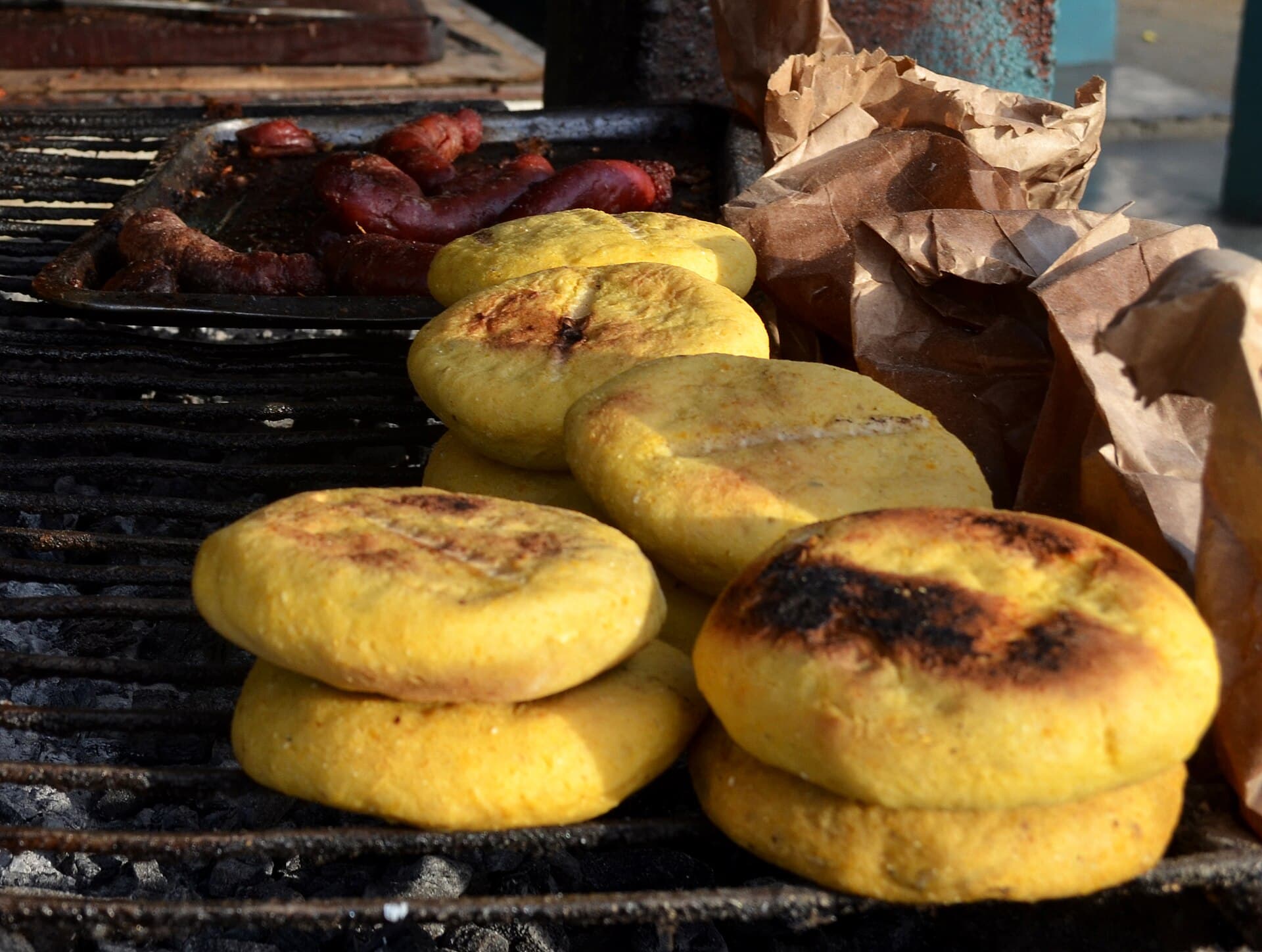
1990-2009
A basic arepa recipe made with masarepa, water, salt, and a hot skillet, ready to eat plain, buttered, cheesed, or split for fillings.
Same region
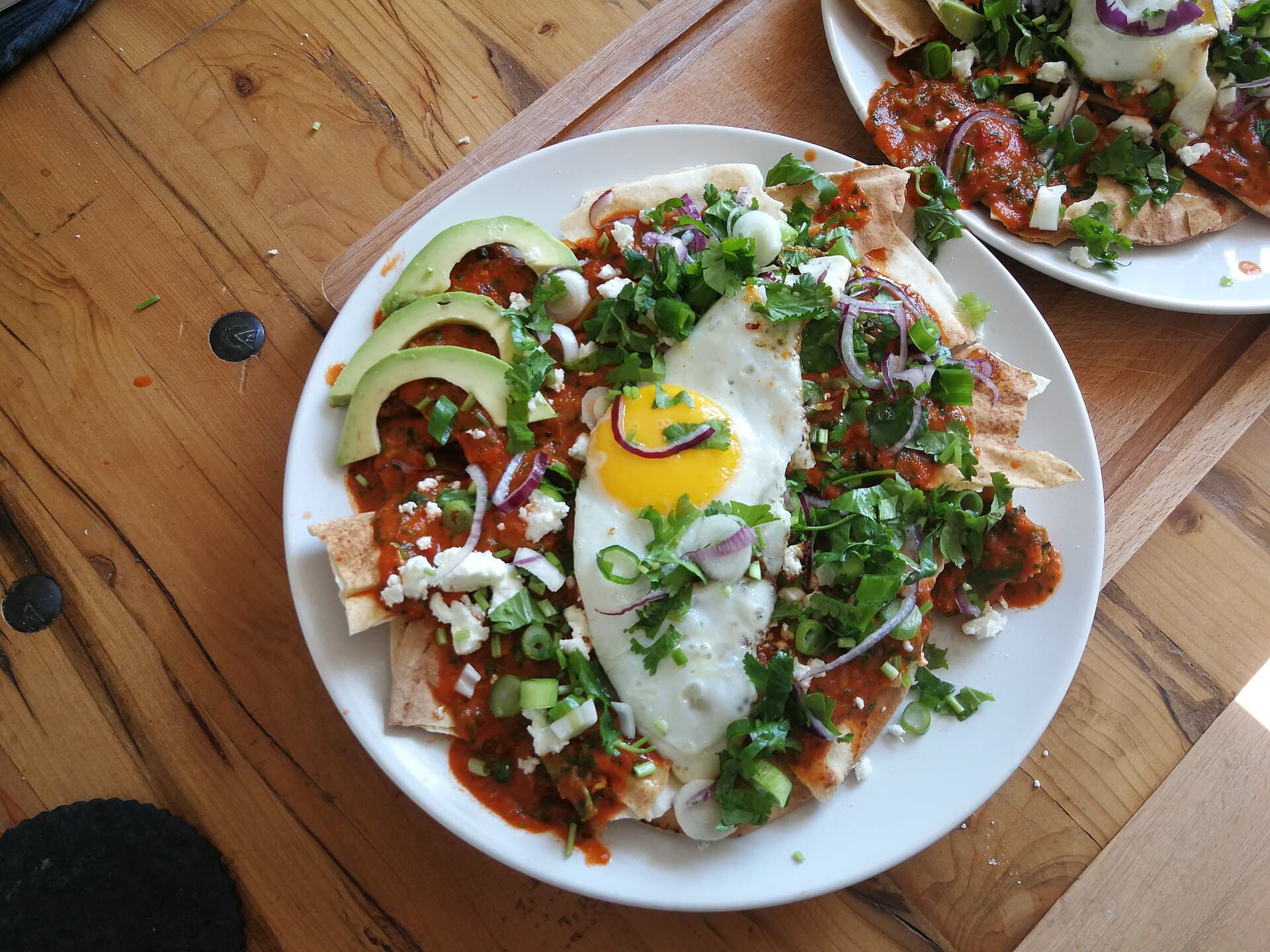
1800-1860
Chilaquiles is a traditional Mexican breakfast dish featuring fried tortilla chips simmered in green or red salsa and topped with cheese, crema, onions, and eggs. Rooted in Mexican-American and Spanish borderlands cooking, it was common in the Southwestern United States during the early 19th century. This dish exemplifies resourceful use of tortillas and reflects deep cultural ties between Spanish, Mexican, and early American frontier cuisines.
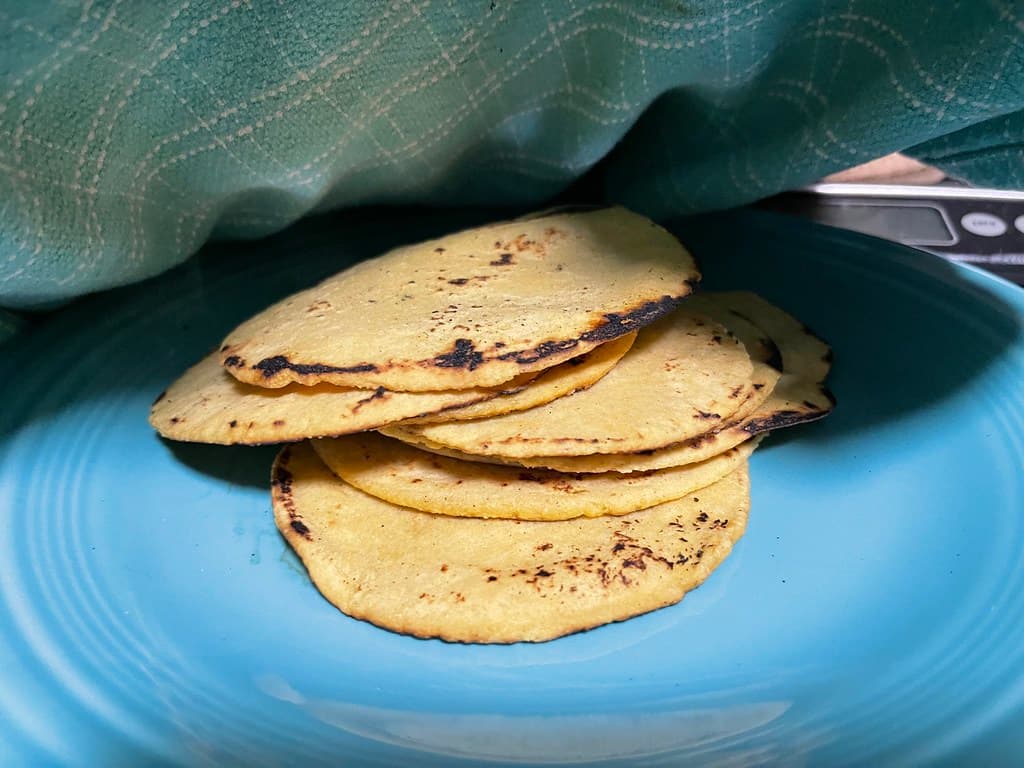
1800-1860
Corn tortillas are a fundamental staple of Mexican and Southwestern cuisine, made from nixtamalized corn masa. In the early 19th century, these tortillas were widely consumed in Spanish borderlands and Mexican-American communities, providing a versatile bread substitute.
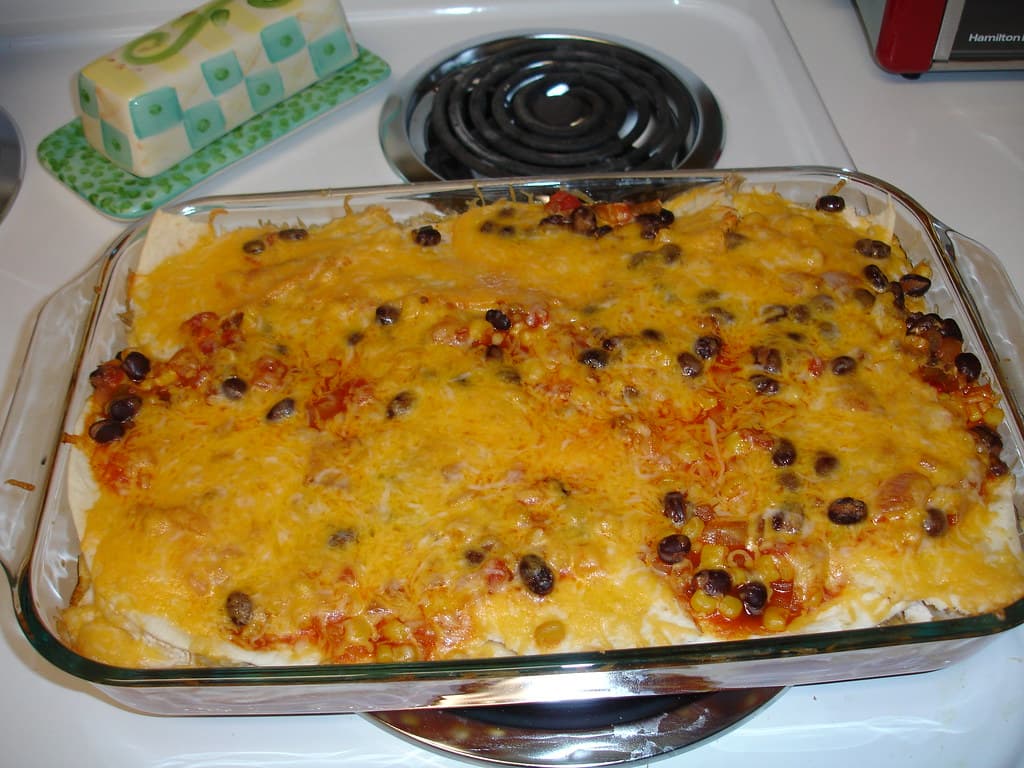
1970-1989
Enchilada Casserole is a hearty layered dish combining tortillas, meats, cheeses, and flavorful sauces baked into a convenient casserole form. This family-friendly dish gained popularity in the Southwest during the late 20th century as a fusion of traditional Mexican enchiladas with American casserole style, perfect for gatherings and tailgate parties.
Same table
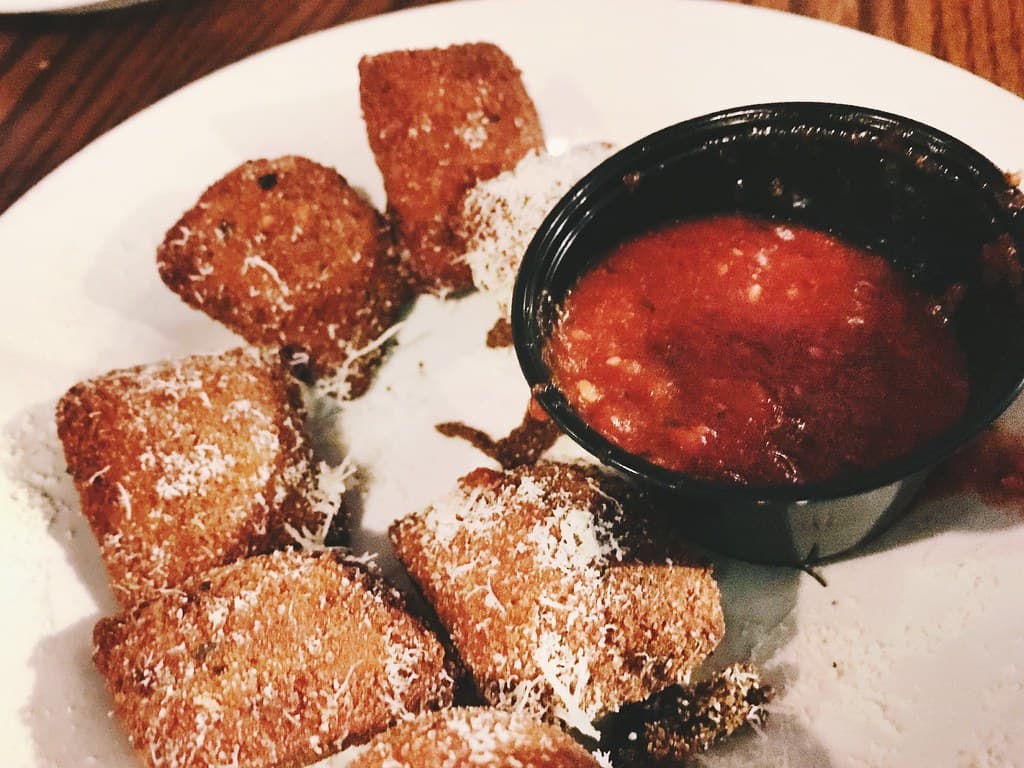
1946-1969
Toasted ravioli is a St. Louis original featuring breaded ravioli fried to a crisp golden brown, served as an appetizer with marinara sauce. This playful reinterpretation of traditional ravioli emerged post-World War II, becoming a beloved regional bar and family favorite.
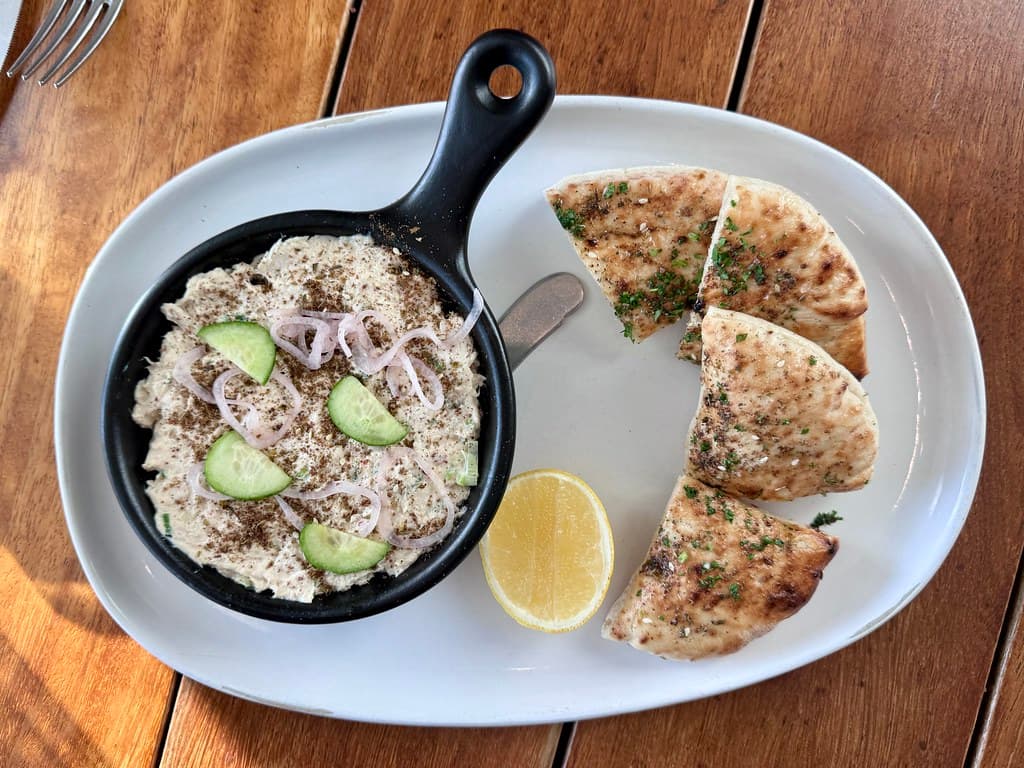
1940s-present
A rich and creamy crab dip combining crab meat with cream cheese, mayonnaise, and seasonings baked until bubbly and golden. Often enjoyed as a popular appetizer during postwar American cocktail parties and gatherings.
America's Melting Pot
Onion Dip photo coming soon
1954-present
Onion Dip is a creamy, savory dip made by combining sour cream and onion flavors, commonly served with chips at social gatherings. Widely popular in post-World War II America, this dip reflects mid-century culinary trends emphasizing convenience foods and easy entertaining.