
Recipe archive
Loading
Setting the table...
Fetching the latest recipes from the archive.
Loading
Fetching the latest recipes from the archive.
Recipe archive
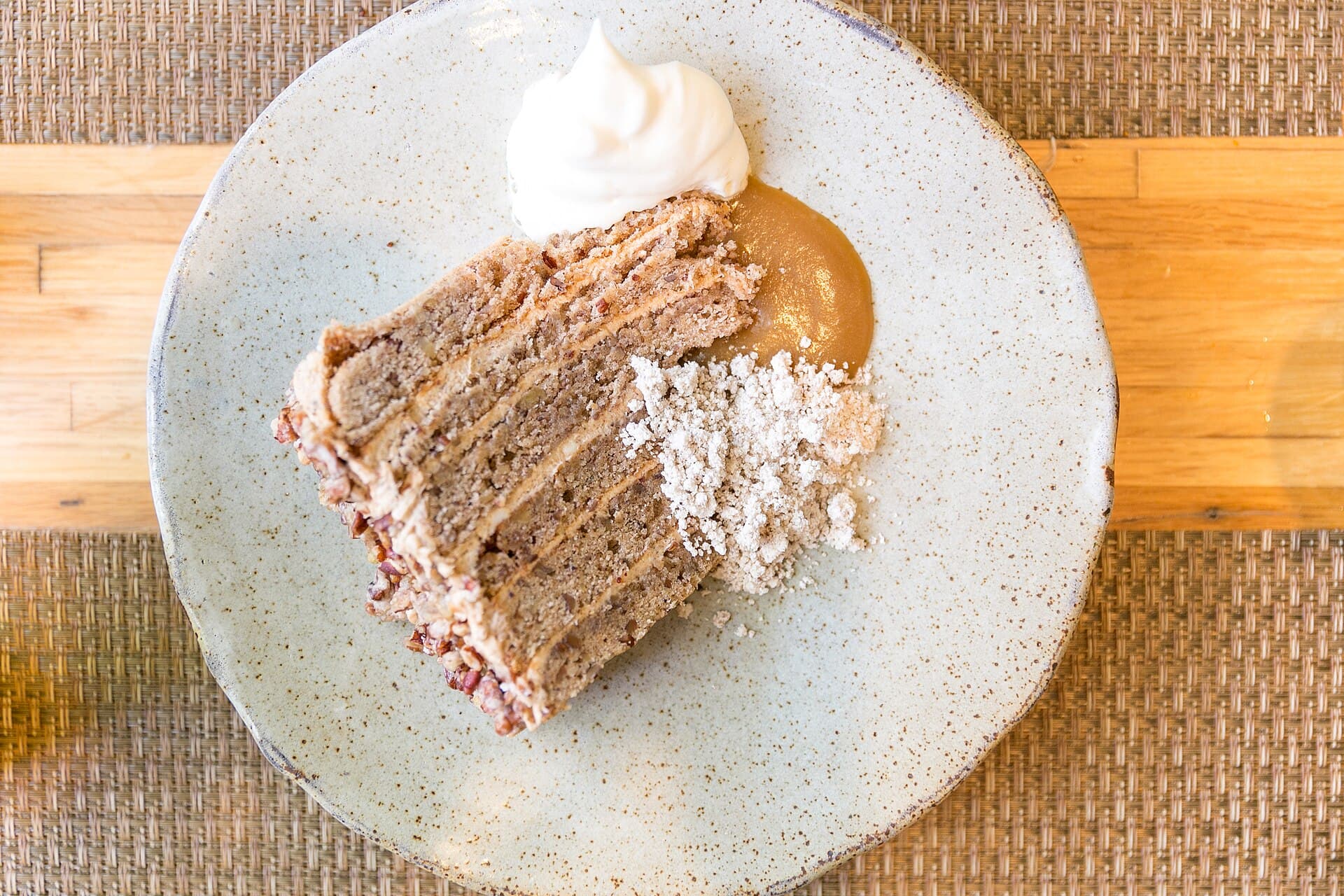
1800-1860 - Appalachian family cooks and frontier community bakers
Stack cake is a layered cake sweetened with honey or molasses, often assembled with fruit preserves, traditional in Appalachian communities. It served as a celebratory dessert during the 1800-1860 period, reflecting local ingredients and social customs.
Community-powered photos. Reviewers can upload dish photos, and the highest-rated community image may be featured here.
Difficulty
Hard
Prep time
45 minutes
Cook time
30 minutes
Total time
1 hour 15 minutes plus assembly
Servings
8-10
Region
Appalachia
Era introduced
1800-1860
Introduced by
Appalachian family cooks and frontier community bakers
Recipe tools
Log in to save this recipe to a collection.
Between 1800 and 1860, Appalachian communities developed the stack cake as a dessert for special occasions, including weddings and holidays. It consists of multiple thin cakes layered with apple butter or other preserves and sometimes flavored with honey or molasses. The dessert's structure and use of preserved fruits illustrates efficient use of seasonal ingredients and community sharing traditions common in frontier life.
Share family changes, regional twists, or pantry-friendly adaptations as full community recipes.
Log in to submit a community recipe.
No community recipes yet. Submitted recipes are published right away.
Rate this recipe and share how it worked at your table.
Log in to review this recipe.
No reviews yet. Be the first to rate this recipe.
Recipes matched by era, region, occasion, ingredients, and cultural roots from the archive.
Same era
America's Melting Pot
Acorn Bread photo coming soon
1800-1860
A nutty, lightly sweet quick bread made with properly leached acorn flour, cornmeal, and wheat flour.
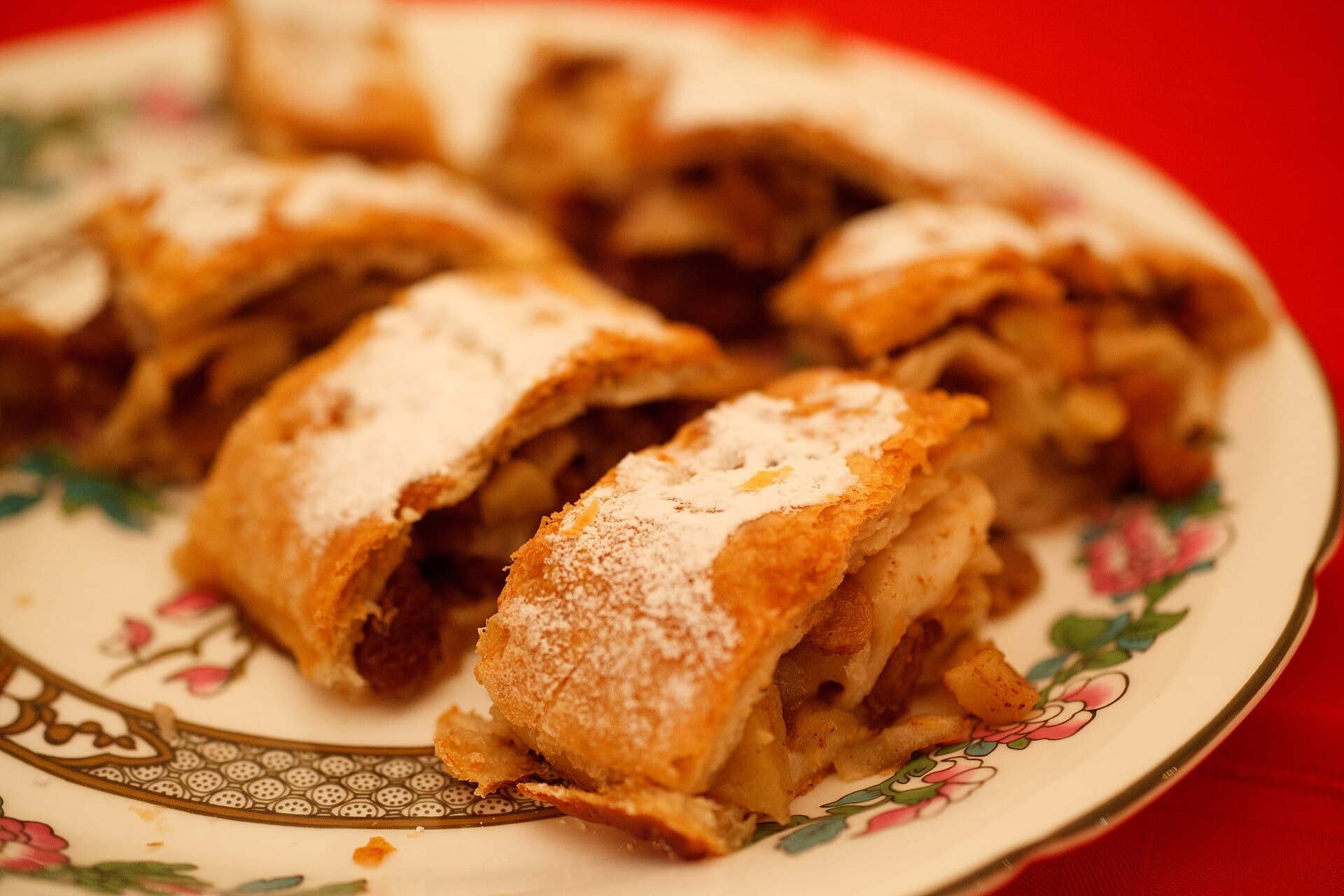
1800-1860
A German-American apple strudel made with crisp apples, raisins, cinnamon, buttered crumbs, and flaky phyllo for a practical home version of a Central European pastry.
America's Melting Pot
Asparagus photo coming soon
1800s/early 1900s-present
A bright American Easter asparagus side, quickly cooked and dressed with lemon butter, herbs, and hard-cooked egg in the spirit of old spring-table recipes.
Same region
America's Melting Pot
Cornbread and Milk photo coming soon
1800-1860
Cornbread and milk represent a modest, nourishing staple from Appalachian frontier kitchens between 1800 and 1860. This pairing reflects the daily diets of settlers who relied on readily available cornmeal and dairy.
America's Melting Pot
Cornmeal Mush photo coming soon
1800-1860
Cornmeal mush is a soft, cooked porridge made from cornmeal boiled in water or milk, often served sliced and fried or with syrup, common in Appalachian diets before and through the Civil War.
America's Melting Pot
Country Sausage photo coming soon
1800-1860
A simple, flavorful country-style pork sausage widely made in Appalachian and frontier communities during the early 19th century. This sausage uses traditional seasoning and curing techniques for a hearty, rustic sausage link.
Same table
America's Melting Pot
Red, White, and Blue Trifle photo coming soon
1990s-present
Red, White, and Blue Trifle is a layered dessert featuring red berries, white cream or custard, and blue berries, embodying patriotic colors. Popular since 2010 in food trucks and seasonal markets, this vibrant dessert is easy to assemble and festive for American holidays and celebrations.
America's Melting Pot
Rosettes photo coming soon
1861-1900
Rosettes are delicate, deep-fried Scandinavian pastries made from a thin batter shaped in flower forms using a special iron mold. Brought by Norwegian and Swedish immigrants to the Midwest in the 19th century, rosettes remain a festive treat often served during holidays and celebrations.
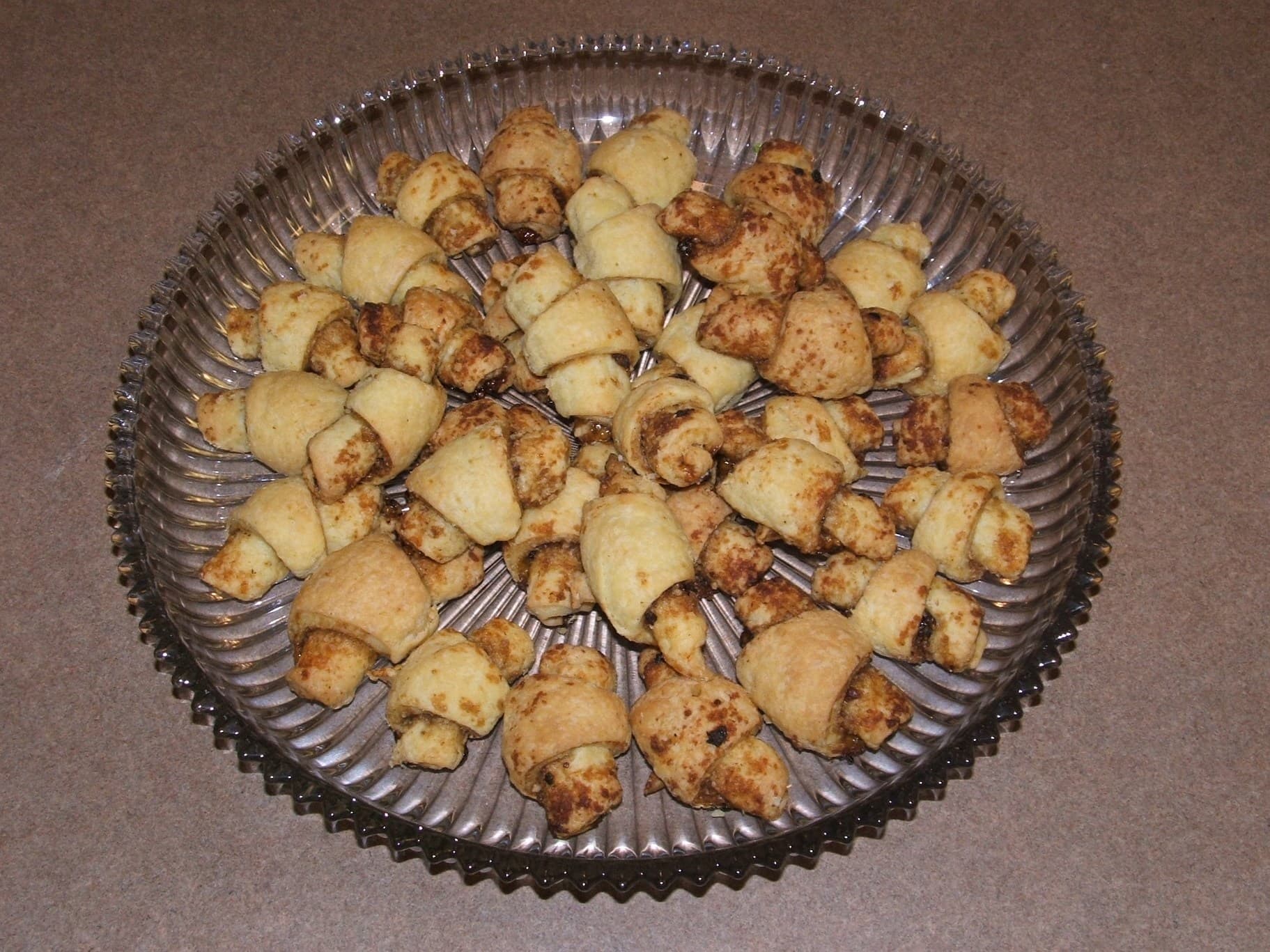
1880s-present
Rugelach are traditional Jewish pastries made from cream cheese dough folded with fillings such as nuts, raisins, or fruit preserves, shaped into crescent rolls. Brought to America by Eastern European Jewish immigrants, rugelach has become a beloved baked good beyond its origins.