
Recipe archive
Loading
Setting the table...
Fetching the latest recipes from the archive.
Loading
Fetching the latest recipes from the archive.
Recipe archive
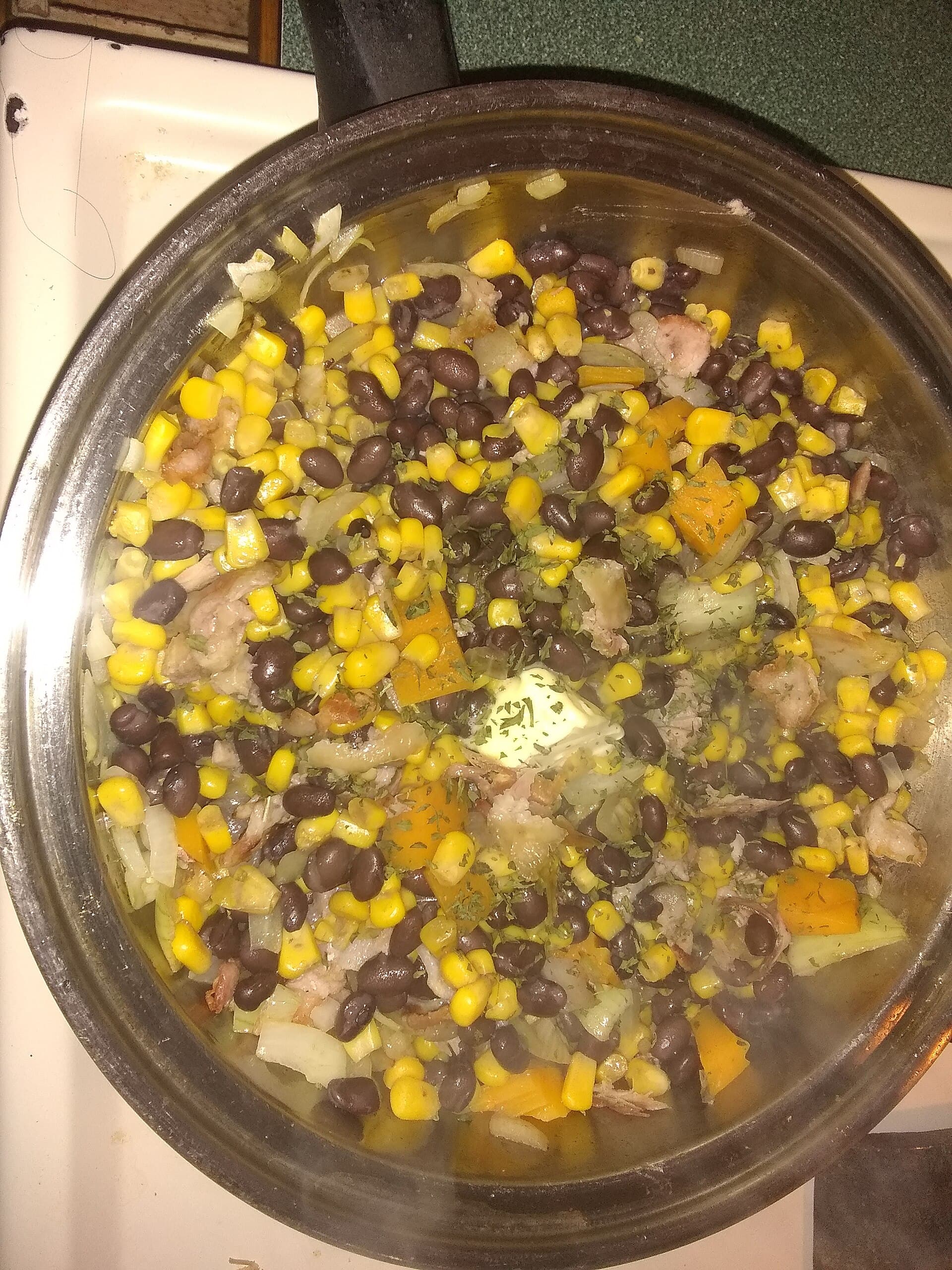
Before 1776 - Native American peoples and early American colonial cooks.
Succotash is a hearty vegetable stew of corn and lima beans, with variations including tomatoes, peppers, or other vegetables. Rooted in early American and Native food traditions, it was commonly served throughout the Revolutionary era as a simple, nutrient-rich side or main dish.
Community-powered photos. Reviewers can upload dish photos, and the highest-rated community image may be featured here.
Difficulty
Easy
Prep time
10 minutes
Cook time
25 minutes
Total time
35 minutes
Servings
4-6
Region
Indigenous Northeastern, Haudenosaunee, and New England corn-bean-squash kitchens
Era introduced
Before 1776
Introduced by
Native American peoples and early American colonial cooks.
Recipe tools
Log in to save this recipe to a collection.
Succotash has deep roots in Native American cooking and was adopted and adapted by early European settlers in America. The dish combines staple ingredients like corn and lima beans, often cooked with peppers, tomatoes, or onions, making use of abundant local produce. It was a nutritious and frugal dish favored during the Revolutionary era, reflecting the blending of indigenous and European culinary practices.
Share family changes, regional twists, or pantry-friendly adaptations as full community recipes.
Log in to submit a community recipe.
No community recipes yet. Submitted recipes are published right away.
Rate this recipe and share how it worked at your table.
Log in to review this recipe.
No reviews yet. Be the first to rate this recipe.
Recipes matched by era, region, occasion, ingredients, and cultural roots from the archive.
Same era
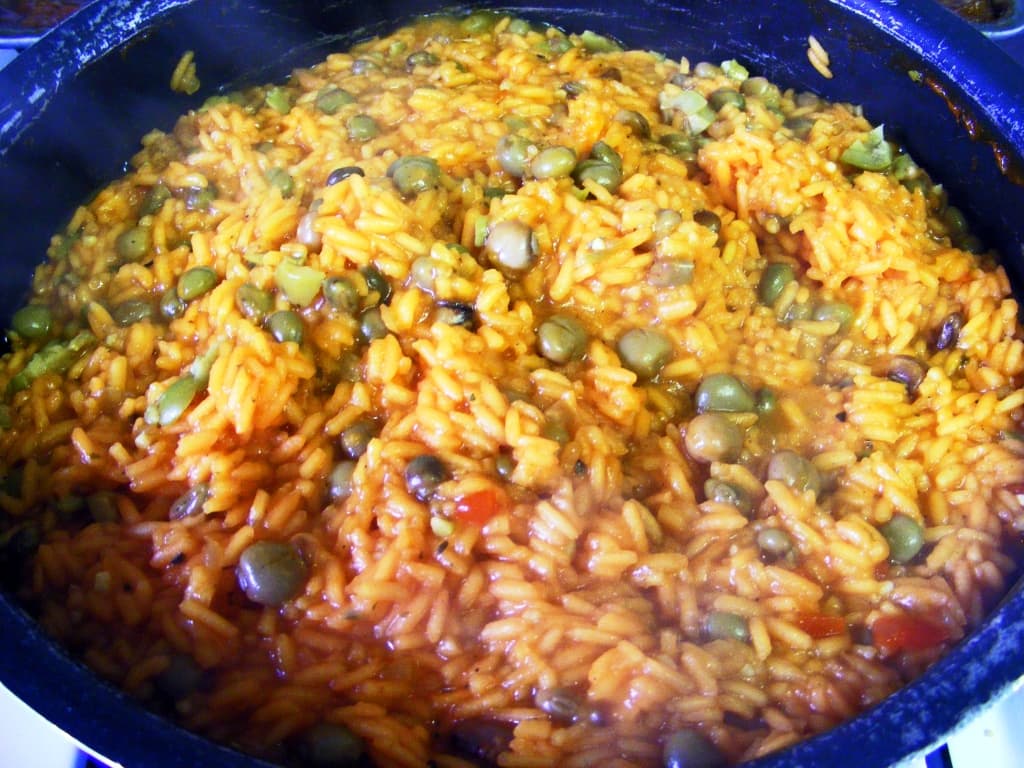
1500s-present
A Puerto Rican arroz con gandules made in one pot with medium-grain rice, pigeon peas, sofrito, sazon, pork, olives, and a patient steam for fluffy grains and coveted pegao.
America's Melting Pot
Chokecherry Sauce photo coming soon
pre-1776-present
Chokecherry Sauce is a tart and flavorful condiment made from the chokecherry fruit, historically prepared by Indigenous American peoples across the United States from the early 19th century. This sauce functions as an accompaniment to game meats and poultry, showcasing native foraging and preservation techniques during the Expansion and Young Republic period. It exemplifies Indigenous foodways adapted to settler tables while maintaining cultural culinary heritage.
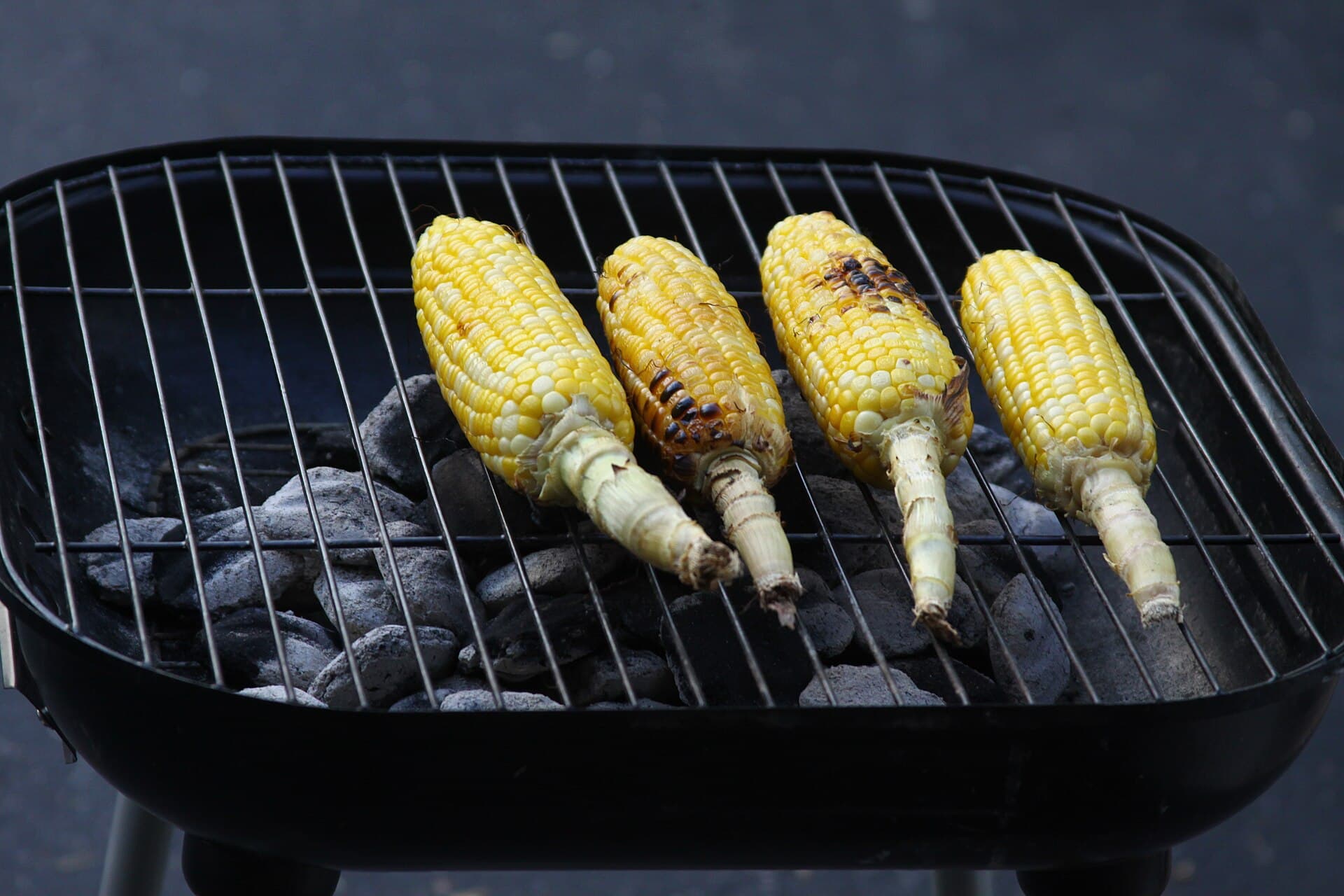
pre-1776-present
Corn on the cob is a simple, beloved summer side dish traditionally enjoyed at Fourth of July celebrations and backyard cookouts across the United States. Boiled or grilled fresh corn with butter and salt has long been a staple of American holiday tables.
Same region
America's Melting Pot
Three Sisters Stew photo coming soon
pre-1776-present
Three Sisters Stew features the traditional Indigenous American agricultural trio of corn, beans, and squash simmered into a hearty, nourishing stew. Reflecting centuries-old Native foodways, this dish celebrates indigenous crops and culinary traditions from Expansion through early 19th century America, underscoring sustainable agriculture and seasonal cooking.
America's Melting Pot
Acorn Bread photo coming soon
1800-1860
A nutty, lightly sweet quick bread made with properly leached acorn flour, cornmeal, and wheat flour.
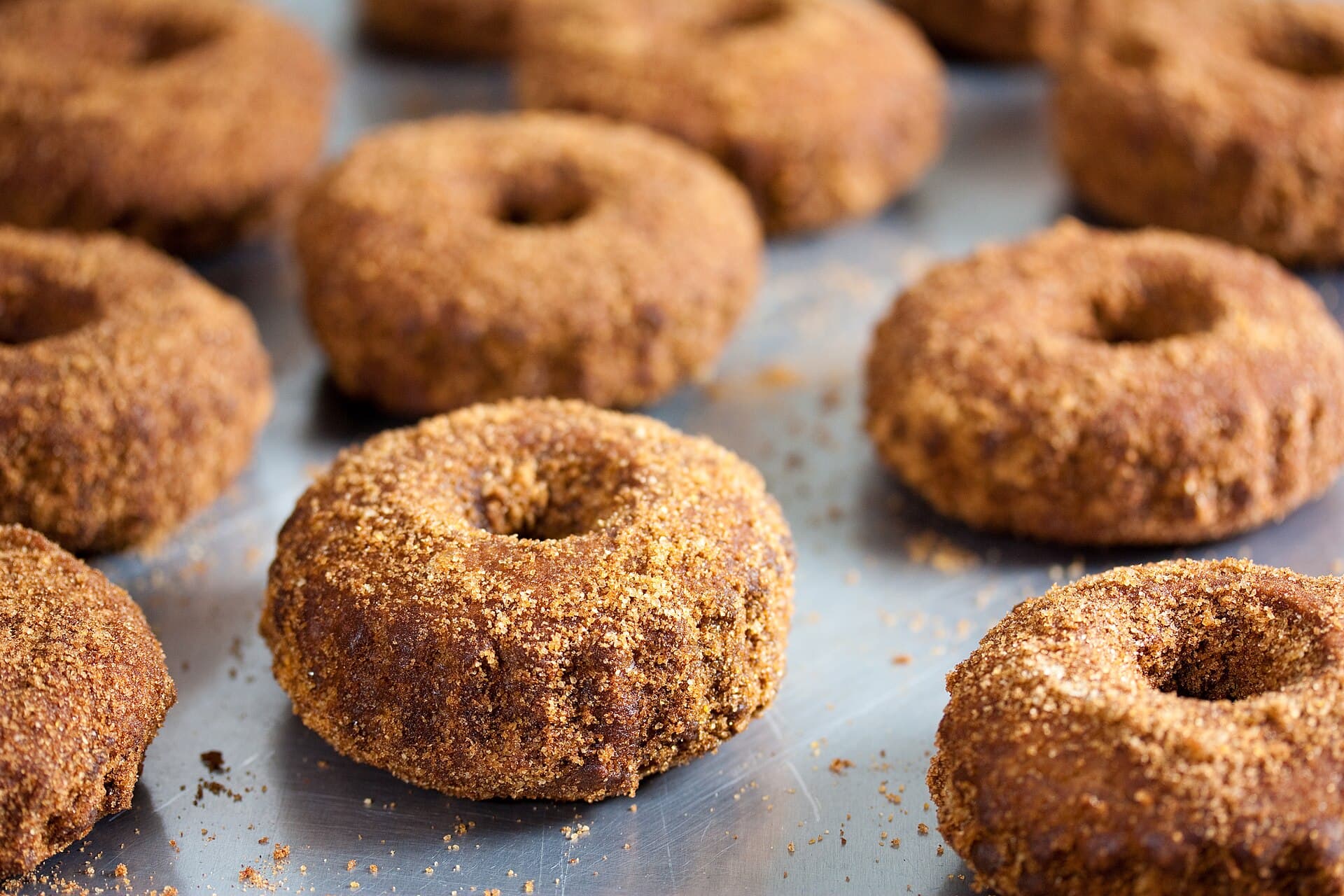
1900s-present
Cake doughnuts flavored with reduced apple cider and rolled in cinnamon sugar.
Same table
America's Melting Pot
Depression Soup photo coming soon
1929-1939
Depression soup is a simple, hearty soup made from inexpensive vegetables, beans, and pantry staples to stretch limited resources. Rooted in 1930s and 1940s home cooking, it embodies the resourcefulness of families coping with economic hardship.
America's Melting Pot
Navy Bean Soup photo coming soon
1900s-present
Navy Bean Soup is a simple, hearty soup featuring white navy beans simmered with vegetables and ham or pork, widely consumed during the Great Depression and wartime for its affordability and sustenance. The soup became a staple in military and civilian kitchens alike.
America's Melting Pot
Stewed Pumpkin photo coming soon
1700s-present
Stewed pumpkin was a common vegetable preparation in late 18th-century America, used as a side or base for other dishes. This recipe highlights the simple stewing of fresh or dried pumpkin to tender, flavorful softness, often lightly sweetened or spiced.