
Recipe archive
Loading
Setting the table...
Fetching the latest recipes from the archive.
Loading
Fetching the latest recipes from the archive.
Recipe archive
America's Melting Pot
Taverns hero image coming soon
1900-1929 - American Midwestern diners and immigrant city lunch counters.
Taverns, also known as loose meat sandwiches, originated in early 20th century American diners and lunch counters, especially in immigrant and industrial cities. The sandwich features seasoned ground beef served on a bun without forming a patty, popular at schools, churches, and state fairs.
No featured photo yet. Upload a photo with your review. The highest-rated community photo may become this recipe's hero image.
Difficulty
Easy
Prep time
15 minutes
Cook time
15 minutes
Total time
30 minutes
Servings
6
Region
Muscatine, Iowa and Iowa tavern kitchens
Era introduced
1900-1929
Introduced by
American Midwestern diners and immigrant city lunch counters.
Recipe tools
Log in to save this recipe to a collection.
Taverns, a type of loose meat sandwich, became popular in American industrial and immigrant cities from 1900 to 1929, found in diners, church socials, and state fairs. Unlike traditional burgers, seasoned ground beef is cooked loose and piled on a bun, capturing the working-class origins and communal food culture of the era.
Share family changes, regional twists, or pantry-friendly adaptations as full community recipes.
Log in to submit a community recipe.
No community recipes yet. Submitted recipes are published right away.
Rate this recipe and share how it worked at your table.
Log in to review this recipe.
No reviews yet. Be the first to rate this recipe.
Recipes matched by era, region, occasion, ingredients, and cultural roots from the archive.
Same era
America's Melting Pot
American French Dressing photo coming soon
1900s-present
American French Dressing is a dressing with real American table personality: The bright orange-red, sweet, tomatoey bottled dressing Americans call "French." Not very French, very American. It brings flavor from coast-to-coast American tables to cookouts, counters, lunch plates, potlucks, and weeknight suppers.
America's Melting Pot
Apple Pie Shake photo coming soon
1922-present
Apple Pie Shake brings drive-in, carhop, and fast-food dessert-counter energy to the table: Diner pie a la mode in a cup.
America's Melting Pot
Avgolemono Soup photo coming soon
1900-1929
A silky Greek-American chicken, rice, egg, and lemon soup made by tempering eggs into hot broth for a creamy dairy-free finish.
Same region
America's Melting Pot
Loose Meat Sandwiches photo coming soon
1926-present
Loose meat sandwiches, featuring seasoned ground beef served loose in sandwich buns, gained popularity as practical tailgate and booster club fare in America from the 1970s through the 1980s, prized for ease and satisfying flavor.
America's Melting Pot
Chicken Spaghetti photo coming soon
1946-1969
Chicken Spaghetti is a creamy, comforting casserole that became popular in the Midwest during America's postwar prosperity era. Combining cooked chicken, spaghetti noodles, a cheesy sauce, and often vegetables like bell peppers or mushrooms, this dish embodies the freezer-ready casseroles prized in suburban households. With its melding of convenience and homestyle flavor, it reflects the era's suburban family cooking trends.
America's Melting Pot
Funeral Potatoes photo coming soon
1900-1929
Funeral potatoes are a creamy, cheesy potato casserole commonly served at Midwestern community events such as church functions and family gatherings. Featuring hash browns, sour cream, cheese, and crunchy topping, this comforting dish is beloved as a staple side, especially in funerals and potlucks dating back to the early 20th century.
Same table
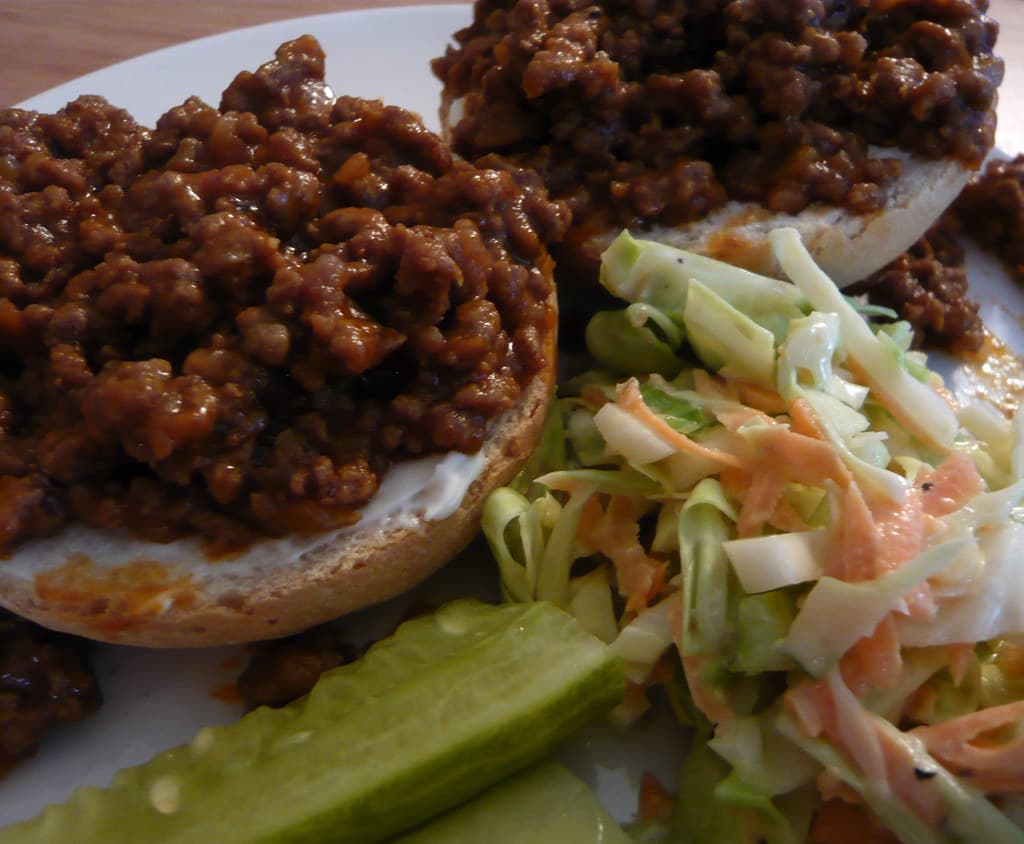
1920s-present
Sloppy Joes are ground beef sandwiches served in a savory tomato sauce on hamburger buns. Popular from the early 20th century in diners, schools, and community gatherings, they became a staple of affordable American social dining, especially at state fairs and church suppers.
America's Melting Pot
Coney Dogs photo coming soon
1900-1929
The Coney dog is a hot dog topped with a savory meat chili sauce, mustard, and onions, originating from Greek immigrant communities in Midwestern U.S. cities during the early 20th century. It became popular at diners, lunch counters, and state fairs as an affordable, flavorful meal. The dish blends immigrant culinary traditions with American fast food culture, reflecting urban foodways and ethnic entrepreneurship.
America's Melting Pot
Greek-Style Burgers photo coming soon
1900s-present
Greek-Style Burgers are an adaptation of the American hamburger with flavors inspired by Greek cuisine, featuring herbs, spices, and toppings like feta or tzatziki sauce. Emerging in immigrant cities during the early 20th century, this sandwich represents cultural fusion at diners and lunch counters.