
Recipe archive
Loading
Setting the table...
Fetching the latest recipes from the archive.
Loading
Fetching the latest recipes from the archive.
Recipe archive
America's Melting Pot
Thermos Tomato Soup hero image coming soon
Gilded Age & Progressive Era - Postwar suburban American families and home cooks.
Thermos Tomato Soup is a warm, comforting tomato soup that became a popular lunchbox staple in American suburbs during the postwar period. Packaged for convenient reheating and consumption, it offered a nostalgic, kid-friendly meal combining simplicity and portability, emblematic of mid-20th century household food habits.
No featured photo yet. Upload a photo with your review. The highest-rated community photo may become this recipe's hero image.
Difficulty
Easy
Prep time
10 minutes
Cook time
20 minutes
Total time
30 minutes
Servings
4 servings
Region
Camden, New Jersey condensed-soup and school-lunch kitchens
Era introduced
Gilded Age & Progressive Era
Introduced by
Postwar suburban American families and home cooks.
Recipe tools
Log in to save this recipe to a collection.
Thermos Tomato Soup became emblematic of American postwar lunchbox fare, reflecting suburban family routines emphasizing convenience and warmth. Parents prepared this smooth, slightly sweet tomato soup to be carried warm in thermoses for children's lunches or outdoor excursions. Its popularity during the 1946-1969 timeframe illustrates the intersection of processed food availability, household cooking, and evolving lunch traditions. The soup's warmth and familiar flavor comfort many who grew up in mid-20th century America.
Share family changes, regional twists, or pantry-friendly adaptations as full community recipes.
Log in to submit a community recipe.
No community recipes yet. Submitted recipes are published right away.
Rate this recipe and share how it worked at your table.
Log in to review this recipe.
No reviews yet. Be the first to rate this recipe.
Recipes matched by era, region, occasion, ingredients, and cultural roots from the archive.
Same era
America's Melting Pot
Au Jus photo coming soon
1800s-present
Au Jus is a sandwich sauce with real American table personality: French name, but American diner/roadhouse French dip culture. It brings flavor from coast-to-coast American tables to cookouts, counters, lunch plates, potlucks, and weeknight suppers.
America's Melting Pot
Birch Beer Float photo coming soon
1890s-present
Birch Beer Float is fizzy Americana from the soda-fountain counter: Pennsylvania/Mid-Atlantic regional variation.
America's Melting Pot
Black Cow photo coming soon
1893-present
Black Cow is fizzy Americana from the soda-fountain counter: Often root beer float or root beer mixed with ice cream; name varies by region.
Same region

1895-present
Tomato Soup is a smooth, creamy soup made from cooked tomatoes, popular as a comforting dish across the United States. Simple and versatile, it has been widely embraced in American home kitchens and cafeterias as a nourishing soup suitable for year-round enjoyment.
America's Melting Pot
Acorn Bread photo coming soon
1800-1860
A nutty, lightly sweet quick bread made with properly leached acorn flour, cornmeal, and wheat flour.

1800s-present
A Pennsylvania Dutch-style dessert of cored apples wrapped in dough and baked with brown sugar syrup.
Same table
1895-present
Tomato Soup is a smooth, creamy soup made from cooked tomatoes, popular as a comforting dish across the United States. Simple and versatile, it has been widely embraced in American home kitchens and cafeterias as a nourishing soup suitable for year-round enjoyment.
America's Melting Pot
Chili and Cinnamon Rolls photo coming soon
1944/1940s-present
Chili and Cinnamon Rolls is a unique Midwestern comfort food pairing commonly found in school cafeterias and concession stands. Combining a warm bowl of chili with sweet, soft cinnamon rolls offers a blend of savory and sweet flavors reflecting regional preferences in informal or institutional American dining. This meal represents practical, hearty food designed for broad appeal and sustenance in communal eating contexts.
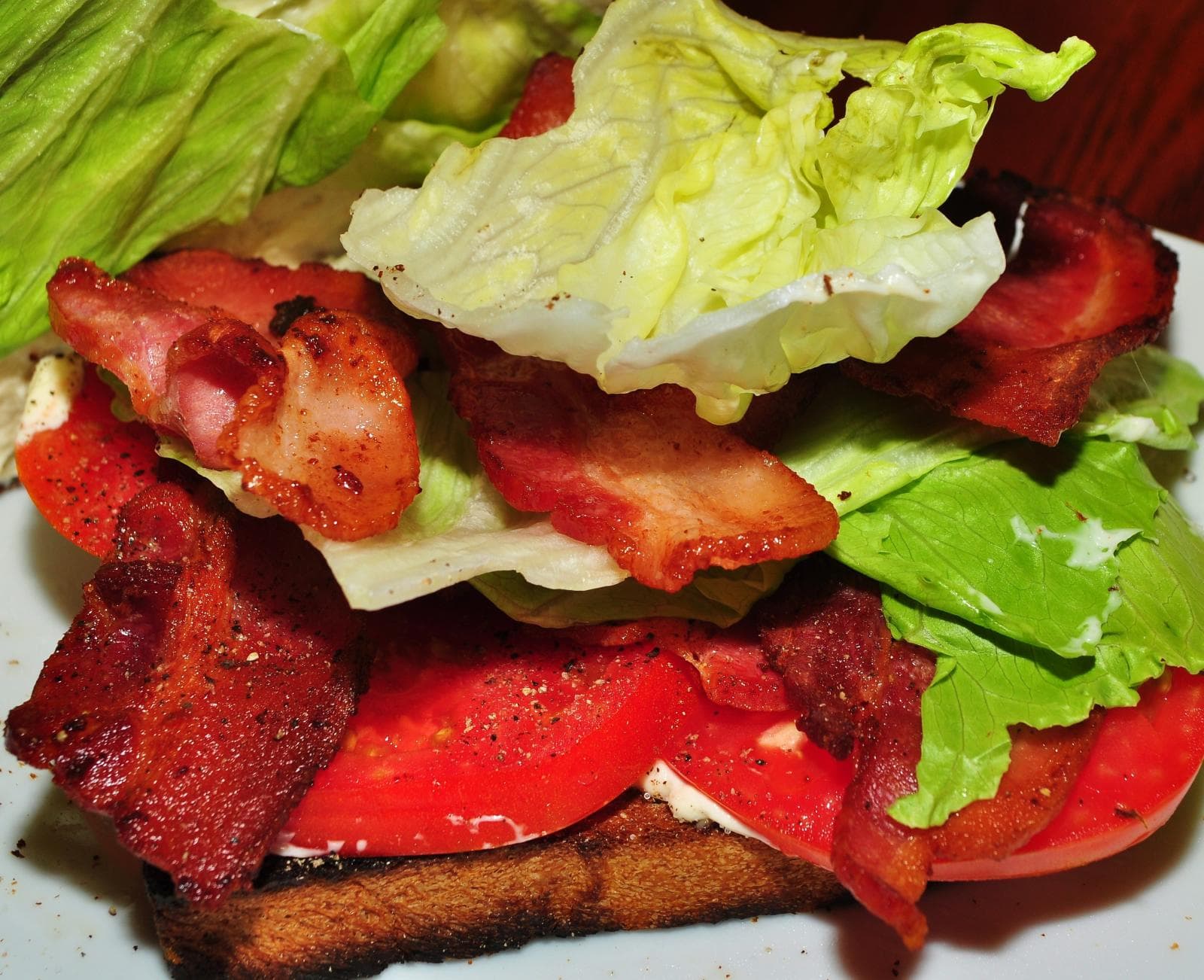
1900-2026
The BLT became a lunch-counter and diner standard in the early 20th century as sliced bread, commercial mayonnaise, bacon, lettuce, and ripe tomatoes converged in American kitchens. Its simplicity is the point: crisp bacon, juicy tomato, cool lettuce, toast, and enough mayonnaise to bind the sandwich.