
Recipe archive
Loading
Setting the table...
Fetching the latest recipes from the archive.
Loading
Fetching the latest recipes from the archive.
Recipe archive
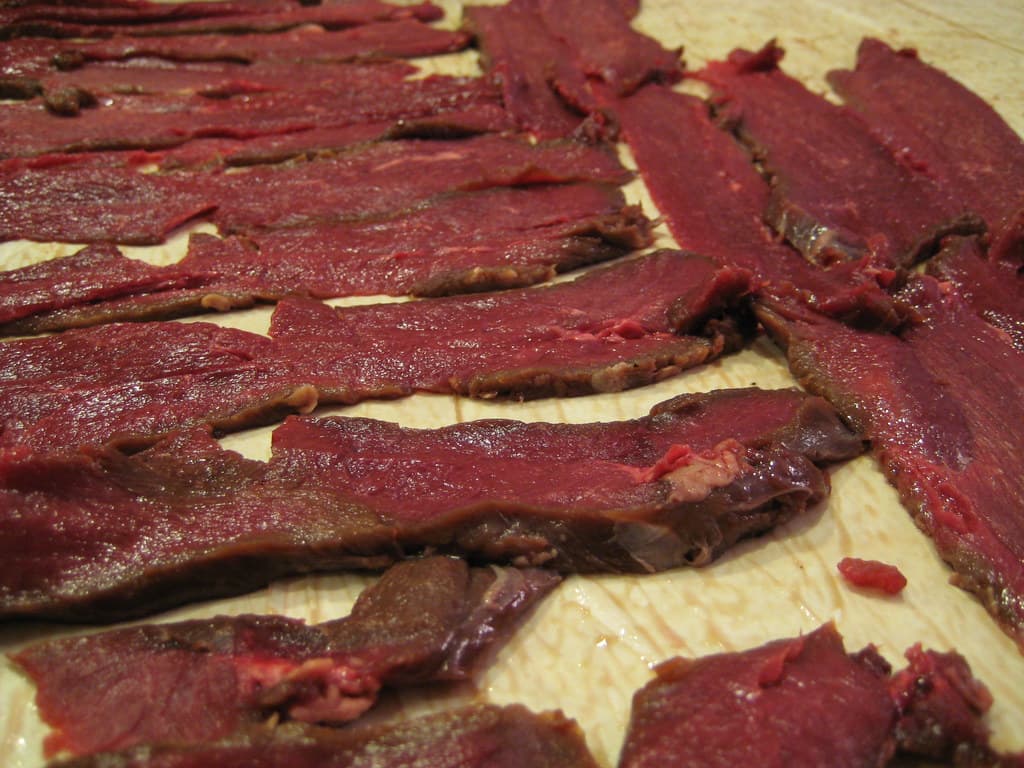
Before 1776 - Hunting camp communities across the United States.
A dried meat snack made from thinly sliced venison seasoned and dehydrated. Jerky is a long-standing preservation method used by hunters and outdoor communities to carry protein-rich food into the wilderness.
Community-powered photos. Reviewers can upload dish photos, and the highest-rated community image may be featured here.
Difficulty
Easy
Prep time
15 minutes plus marinating time
Cook time
4 hours
Total time
4 hours 15 minutes plus marinating time
Servings
Varies
Region
Native American and Northern Plains dried-game preservation
Era introduced
Before 1776
Introduced by
Hunting camp communities across the United States.
Recipe tools
Log in to save this recipe to a collection.
Venison jerky has roots in Native American and pioneer traditions of drying meat for long-term preservation. Without refrigeration, drying thin slices of venison with salt and spices created portable, lightweight protein food essential for hunting trips, travel, and sustenance through harsh seasons. This preservation method remains popular with modern hunters and outdoor adventurers, linking contemporary practice to historical necessity.
Share family changes, regional twists, or pantry-friendly adaptations as full community recipes.
Log in to submit a community recipe.
No community recipes yet. Submitted recipes are published right away.
Rate this recipe and share how it worked at your table.
Log in to review this recipe.
No reviews yet. Be the first to rate this recipe.
Recipes matched by era, region, occasion, ingredients, and cultural roots from the archive.
Same era
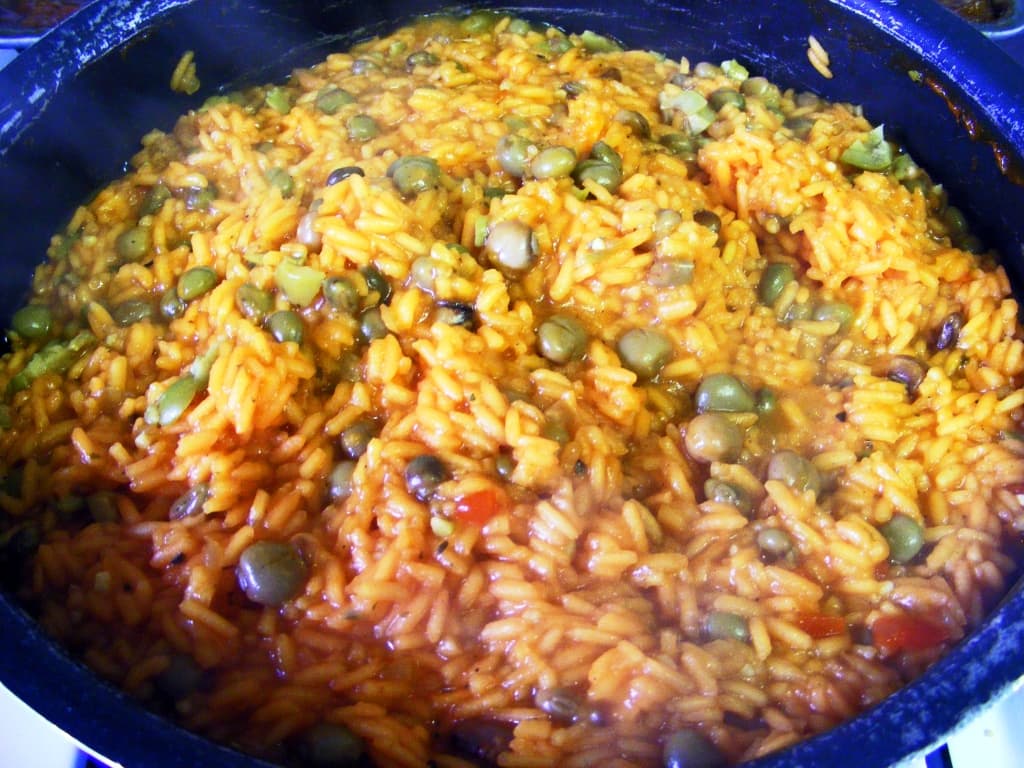
1500s-present
A Puerto Rican arroz con gandules made in one pot with medium-grain rice, pigeon peas, sofrito, sazon, pork, olives, and a patient steam for fluffy grains and coveted pegao.
America's Melting Pot
Chokecherry Sauce photo coming soon
pre-1776-present
Chokecherry Sauce is a tart and flavorful condiment made from the chokecherry fruit, historically prepared by Indigenous American peoples across the United States from the early 19th century. This sauce functions as an accompaniment to game meats and poultry, showcasing native foraging and preservation techniques during the Expansion and Young Republic period. It exemplifies Indigenous foodways adapted to settler tables while maintaining cultural culinary heritage.
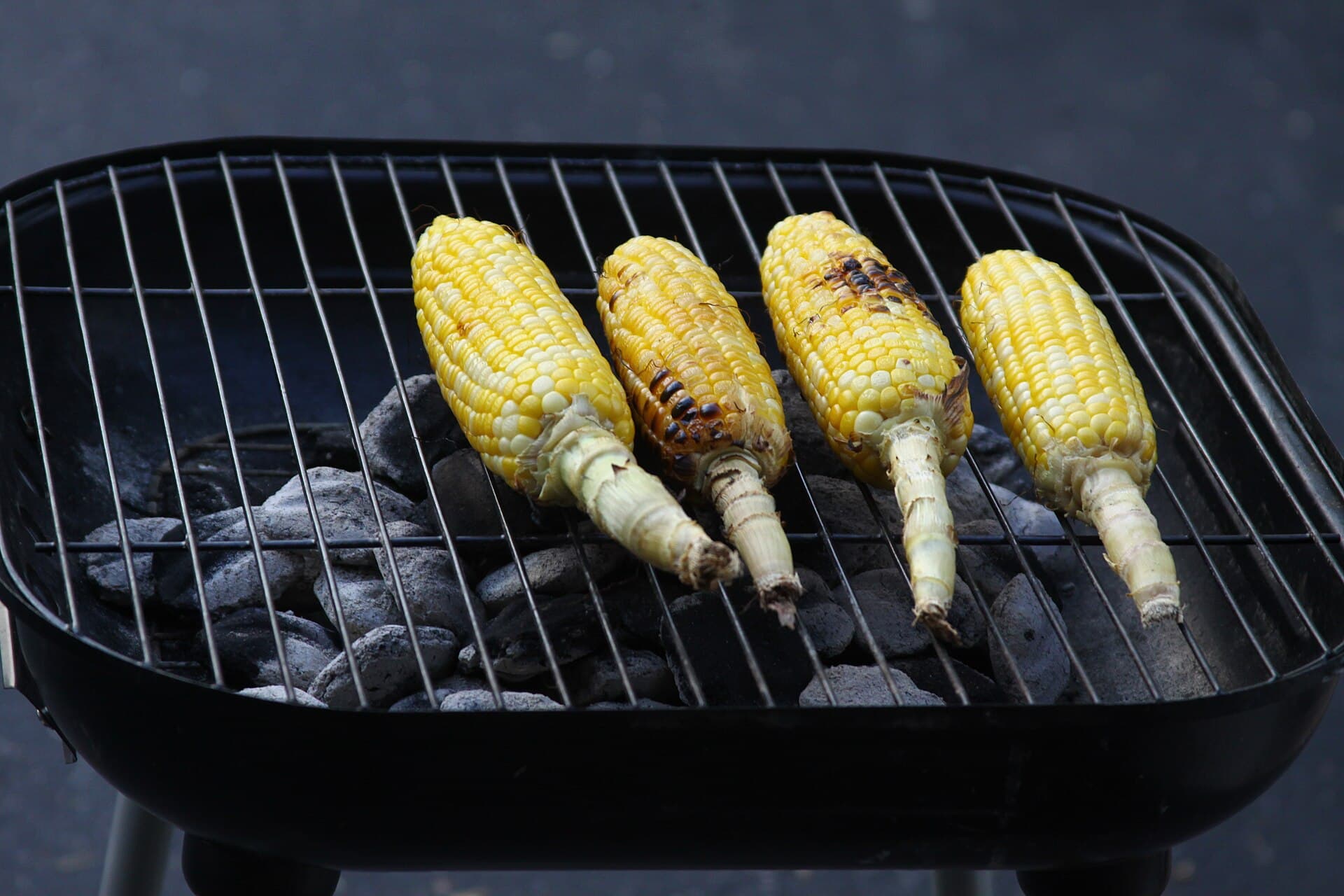
pre-1776-present
Corn on the cob is a simple, beloved summer side dish traditionally enjoyed at Fourth of July celebrations and backyard cookouts across the United States. Boiled or grilled fresh corn with butter and salt has long been a staple of American holiday tables.
Same region
America's Melting Pot
BBQ Beef Sandwiches photo coming soon
1970-2026
This sandwich turns pot roast into crowd food: cook beef until it pulls apart, simmer it in barbecue sauce, and serve it from a slow cooker or Dutch oven. It fits the late-20th-century world of booster clubs, church suppers, and game-day tables, where economical roasts could feed a line of hungry fans.
America's Melting Pot
Beef and Noodles photo coming soon
1861-1900
Beef and noodles is plainspoken comfort food: slow-cooked beef, rich broth, and egg noodles served as a main dish or over mashed potatoes. It fits the railroad, boardinghouse, and settlement table because it stretches a roast into a filling meal and reflects German and Amish noodle traditions carried into the Midwest and Great Plains.
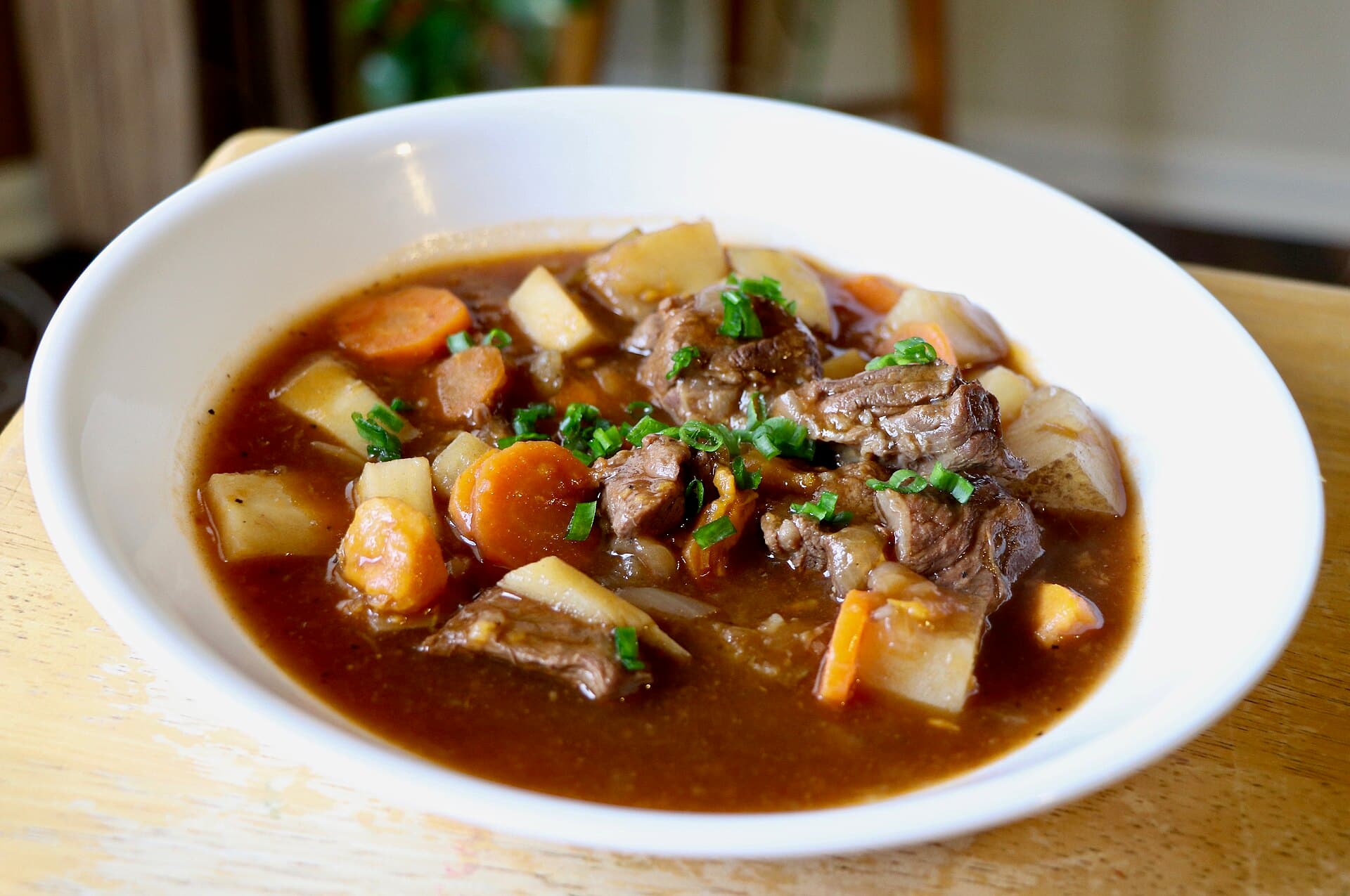
1800-2026
Beef stew is old-world pot cooking adapted to American beef country, boardinghouses, and family kitchens. Browning the meat, simmering it gently, and adding vegetables in stages turns inexpensive chuck into a cold-weather meal.
Same table
precontact-present
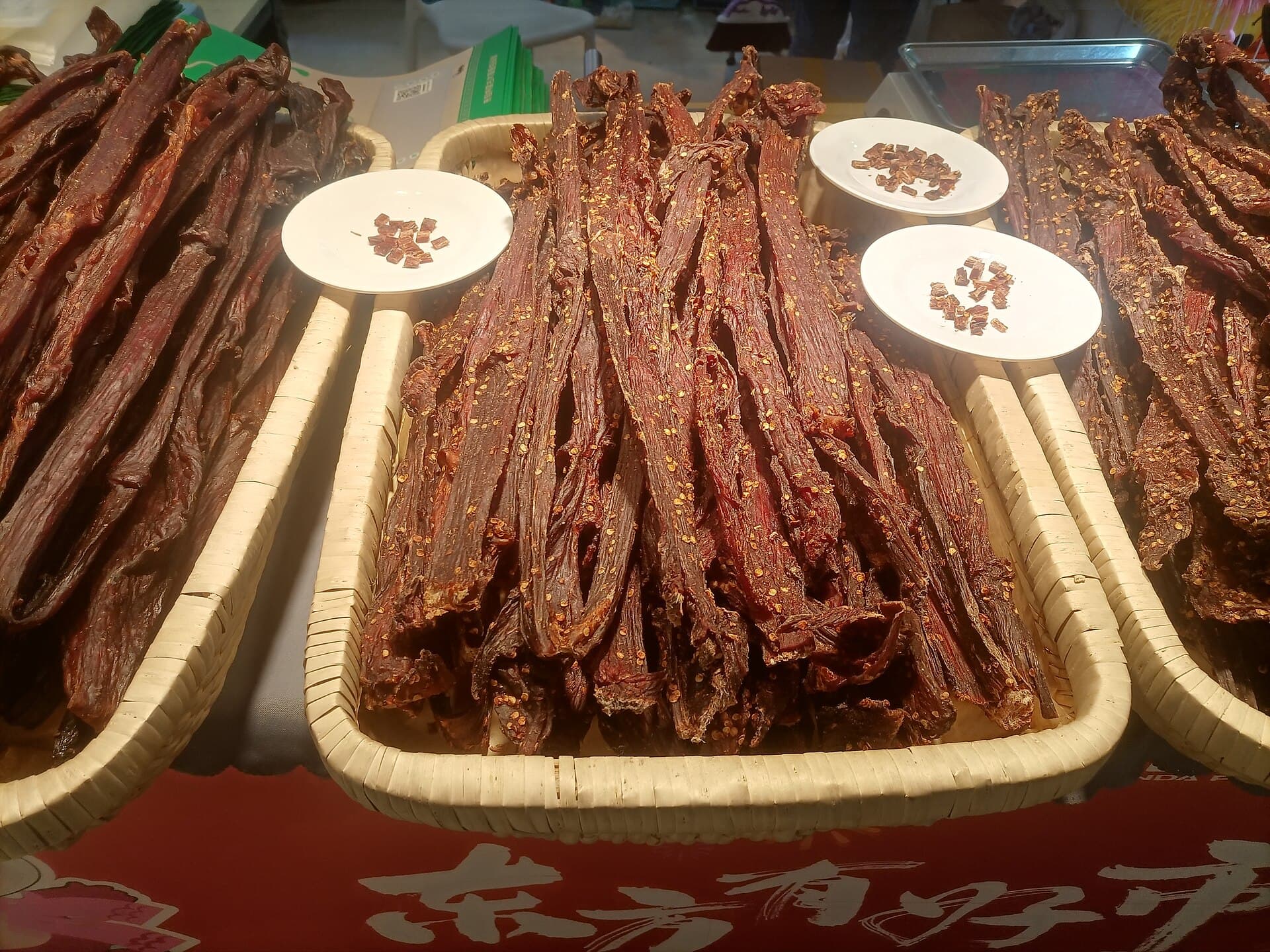
Jerky is preservation food before it is snack food. Indigenous drying traditions, pemmican, pioneer travel, soldiers, cowboys, and later road-trip convenience all helped make dried meat part of American food culture.
1900-1929
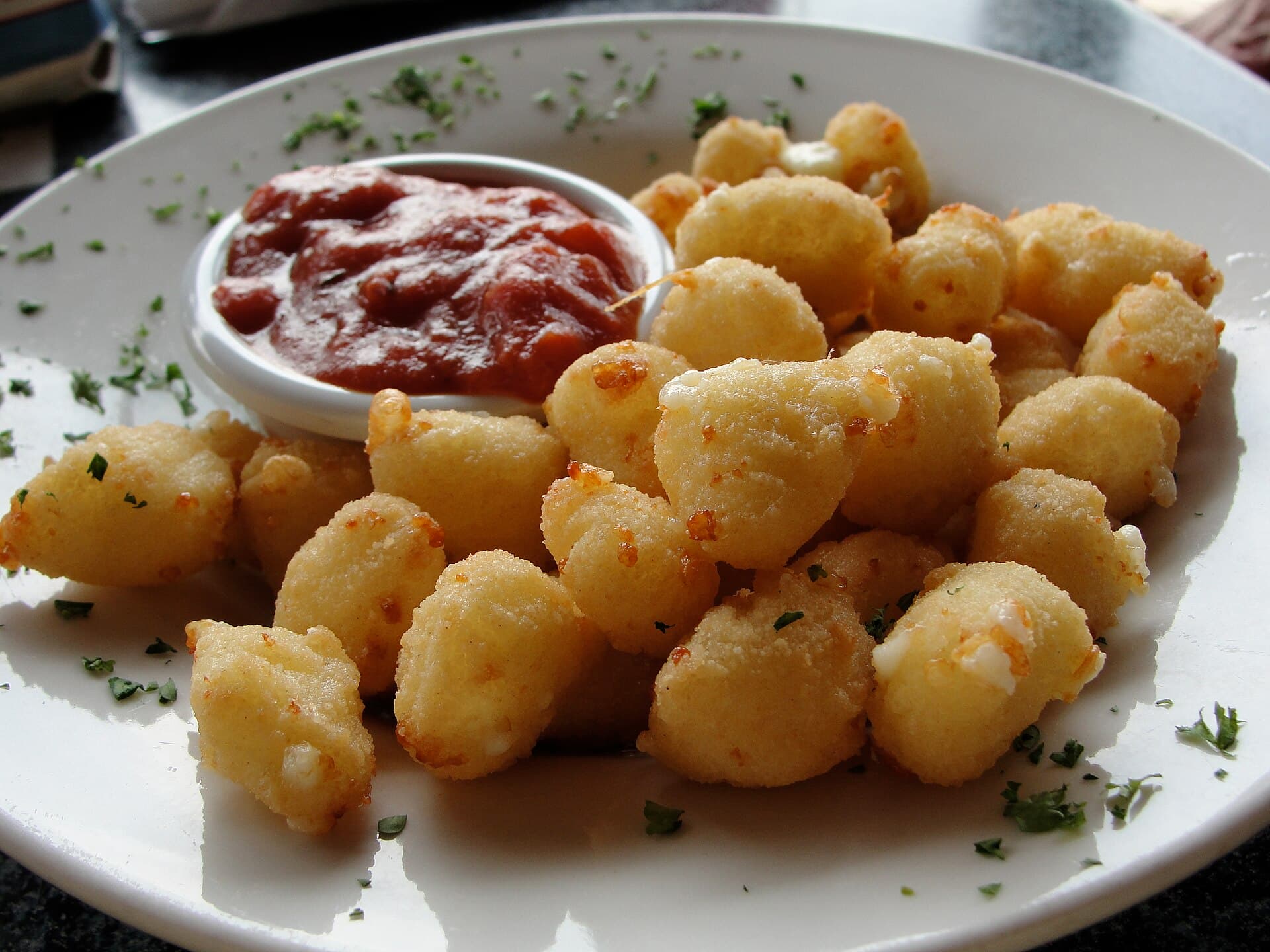
Fried cheese curds are a popular snack in the Midwest featuring bite-sized fresh cheese curds, breaded and deep fried until golden and melty. Often found at state fairs and diners, this dish showcases immigrant-influenced comfort food from early 20th century America.
1900-1929
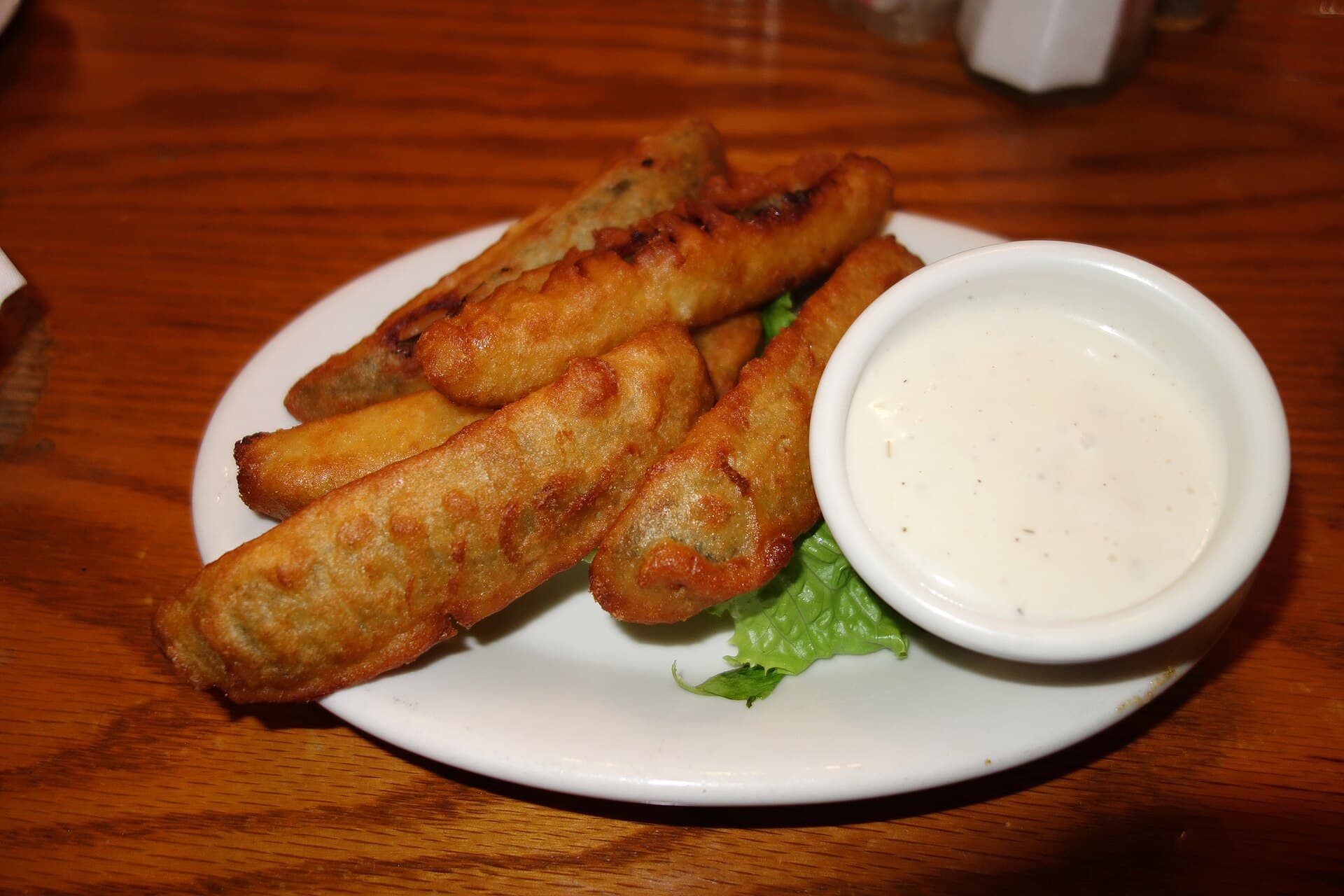
Fried pickles are sliced dill pickles coated in seasoned batter or cornmeal and fried until crispy. This snack food became popular at fairs and diners in the early 20th century and remains a Southern delicacy today.