
Recipe archive
Loading
Setting the table...
Fetching the latest recipes from the archive.
Loading
Fetching the latest recipes from the archive.
Recipe archive
America's Melting Pot
Western Omelet hero image coming soon
1900-1929 - American diners and home cooks throughout the 20th century and beyond.
The Western Omelet is a filling breakfast dish combining eggs, diced ham, onions, and bell peppers, widely enjoyed across the United States for a robust start to the day. Its origins tie to American diner culture and homestyle cooking traditions.
No featured photo yet. Upload a photo with your review. The highest-rated community photo may become this recipe's hero image.
Difficulty
Easy
Prep time
10 minutes
Cook time
10 minutes
Total time
20 minutes
Servings
2
Region
Denver and American West railroad, cattle-drive, and diner kitchens
Era introduced
1900-1929
Introduced by
American diners and home cooks throughout the 20th century and beyond.
Recipe tools
Log in to save this recipe to a collection.
The Western Omelet, a staple of American breakfast tables and diners, combines simple ingredients like eggs, ham, onions, and bell peppers to deliver a hearty, protein-rich morning meal. Its prevalence in cross-era American cooking reflects diner culture and the incorporation of protein and vegetables into egg dishes for sustained energy, popular from mid-20th century to today.
Share family changes, regional twists, or pantry-friendly adaptations as full community recipes.
Log in to submit a community recipe.
No community recipes yet. Submitted recipes are published right away.
Rate this recipe and share how it worked at your table.
Log in to review this recipe.
No reviews yet. Be the first to rate this recipe.
Recipes matched by era, region, occasion, ingredients, and cultural roots from the archive.
Same era
America's Melting Pot
American French Dressing photo coming soon
1900s-present
American French Dressing is a dressing with real American table personality: The bright orange-red, sweet, tomatoey bottled dressing Americans call "French." Not very French, very American. It brings flavor from coast-to-coast American tables to cookouts, counters, lunch plates, potlucks, and weeknight suppers.
America's Melting Pot
Apple Pie Shake photo coming soon
1922-present
Apple Pie Shake brings drive-in, carhop, and fast-food dessert-counter energy to the table: Diner pie a la mode in a cup.
America's Melting Pot
Avgolemono Soup photo coming soon
1900-1929
A silky Greek-American chicken, rice, egg, and lemon soup made by tempering eggs into hot broth for a creamy dairy-free finish.
Same region
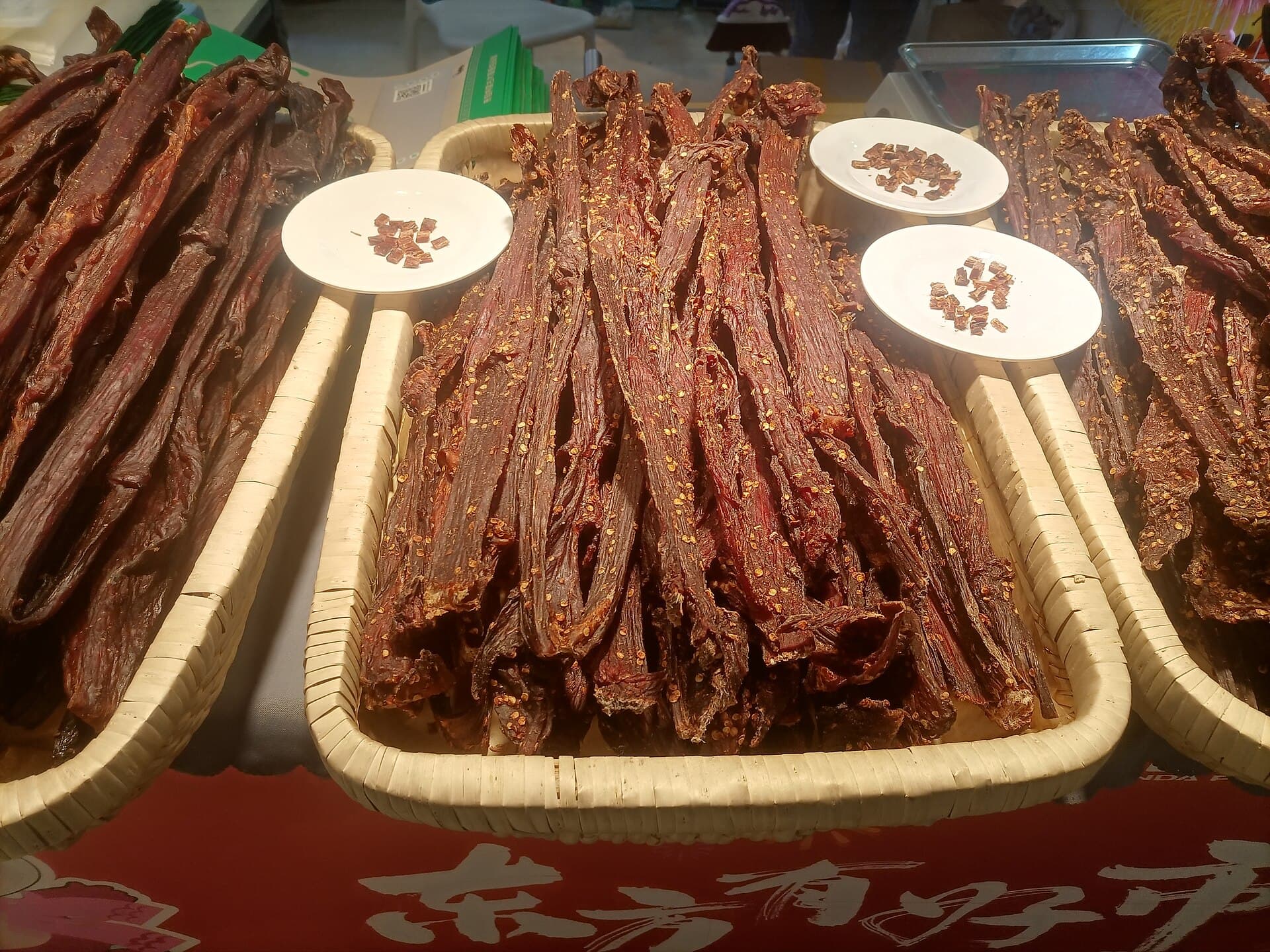
precontact-present
Jerky is preservation food before it is snack food. Indigenous drying traditions, pemmican, pioneer travel, soldiers, cowboys, and later road-trip convenience all helped make dried meat part of American food culture.
America's Melting Pot
Biscuits with Salt Pork Gravy photo coming soon
1861-1900
Before sausage gravy became the default, cooks could make a filling breakfast from salt pork, flour, and milk. The method fits chuckwagon, farm, and 19th-century working kitchens where cured pork traveled well and every bit of fat mattered.
America's Melting Pot
Dutch Oven Cobbler photo coming soon
1800s-present
A classic outdoor dessert, the Dutch Oven Cobbler combines fresh or canned fruit topped with a simple biscuit or cake-like batter, baked in a cast iron Dutch oven over coals or an open fire. A favored treat at camps and cabins, it's valued for ease of preparation and comforting, warm sweetness.
Same table
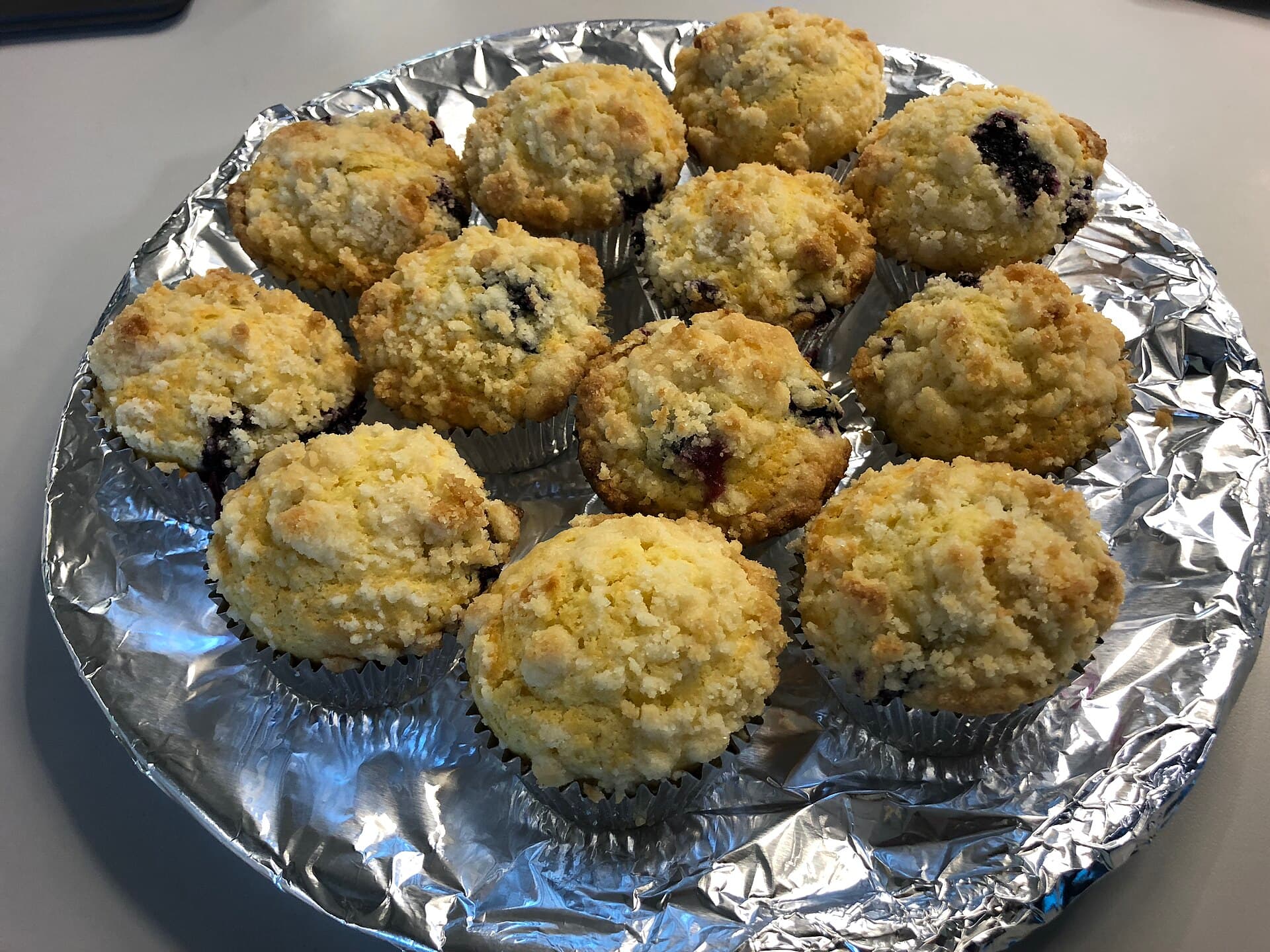
1900-2026
Blueberry muffins are everyday American breakfast baking, but Boston gave them a particular legend through Jordan Marsh department store. The oversized, sugar-topped muffin became a coffee-shop and bakery standard long after the department store disappeared.
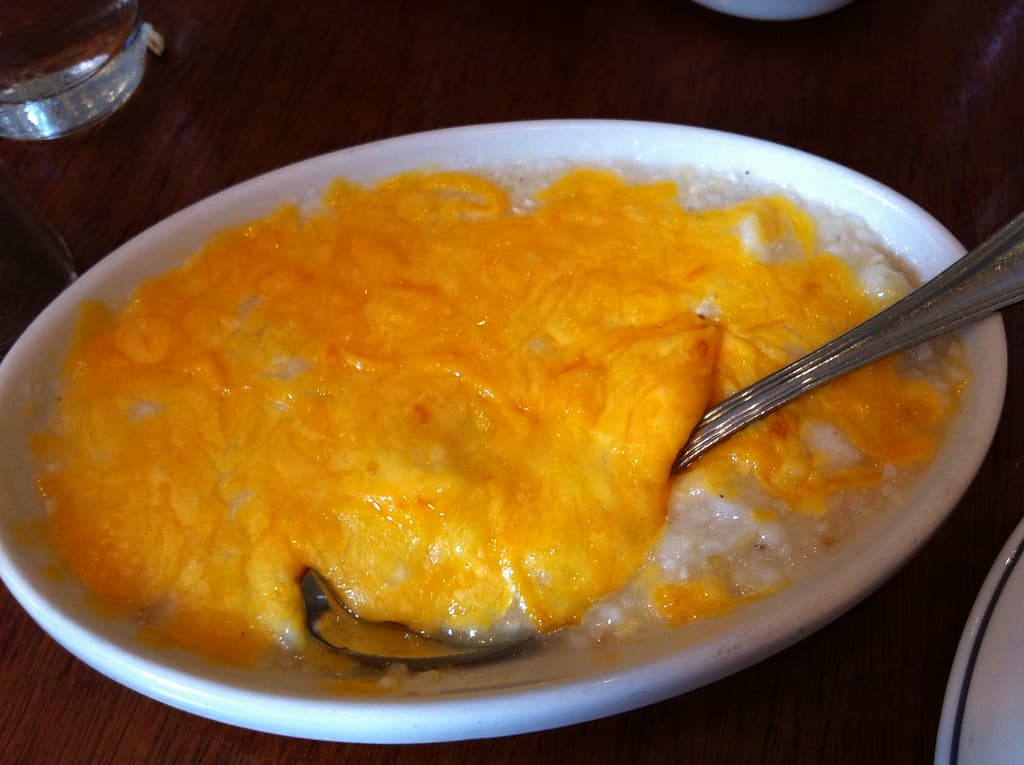
1800-2026
Creamy Southern grits cooked with milk or water, finished with butter, sharp cheddar, and black pepper.
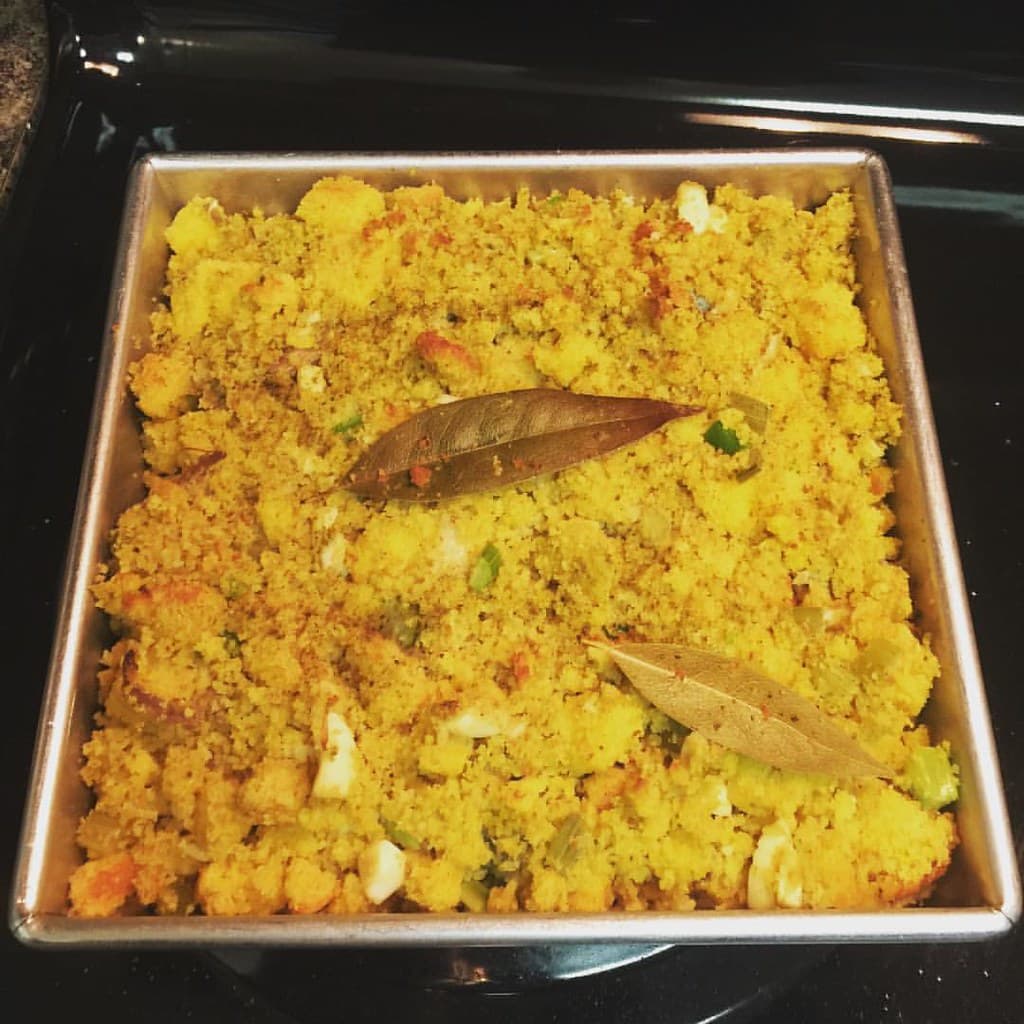
1800-1860
Cornbread dressing is a savory Southern side enjoyed especially during Thanksgiving, combining crumbled cornbread with herbs and often broth for moist stuffing.