
Recipe archive
Loading
Setting the table...
Fetching the latest recipes from the archive.
Loading
Fetching the latest recipes from the archive.
Recipe archive
America's Melting Pot
Whale Steak Stew hero image coming soon
1900-1929 - Historical recipe reconstruction
This stew adaptation combines whale steak with potatoes, carrots, celery, onion, herbs, red wine, tomato paste, and salt pork, using the slow-cooking language of American meat stews.
No featured photo yet. Upload a photo with your review. The highest-rated community photo may become this recipe's hero image.
Difficulty
Historical reference
Prep time
About 2 hours 30 minutes including soaking
Cook time
About 1 hour 40 minutes
Total time
About 4 hours
Servings
6
Region
American historical recipe archives
Era introduced
1900-1929
Introduced by
Historical recipe reconstruction
Recipe tools
Log in to save this recipe to a collection.
Whale steak stew places whale inside one of the most durable American cooking forms: meat, roots, aromatics, liquid, and time. The modern historical adaptation uses soaking, browning, wine, herbs, tomato paste, potatoes, carrots, celery, onion, and salt pork. Whether the ingredient is common or rare, the structure is recognizable as a stew built to make firm meat tender and feed a table from one pot. As a historical archive entry, the value is not that modern readers should seek whale meat. The value is that the recipe shows how people made sense of whale as food by borrowing the methods of beef stew, venison stew, and other long-cooked meats. Salt pork provided fat and smoke. Potatoes and carrots stretched the pot. Garlic bread in the modern adaptation shows how old ingredient memory can be attached to present-day serving habits. This recipe also helps separate documentation from endorsement. American culinary history includes ingredients and practices that modern conservation ethics and law treat very differently. A living archive can preserve the record while being plain about that difference.
Share family changes, regional twists, or pantry-friendly adaptations as full community recipes.
Log in to submit a community recipe.
No community recipes yet. Submitted recipes are published right away.
Rate this recipe and share how it worked at your table.
Log in to review this recipe.
No reviews yet. Be the first to rate this recipe.
Recipes matched by era, region, occasion, ingredients, and cultural roots from the archive.
Same era
America's Melting Pot
American French Dressing photo coming soon
1900s-present
American French Dressing is a dressing with real American table personality: The bright orange-red, sweet, tomatoey bottled dressing Americans call "French." Not very French, very American. It brings flavor from coast-to-coast American tables to cookouts, counters, lunch plates, potlucks, and weeknight suppers.
America's Melting Pot
Apple Pie Shake photo coming soon
1922-present
Apple Pie Shake brings drive-in, carhop, and fast-food dessert-counter energy to the table: Diner pie a la mode in a cup.
America's Melting Pot
Avgolemono Soup photo coming soon
1900-1929
A silky Greek-American chicken, rice, egg, and lemon soup made by tempering eggs into hot broth for a creamy dairy-free finish.
Same region
America's Melting Pot
Baked Whale with Red Wine Marinade photo coming soon
1927 historical adaptation
Modern historical recipe writers have preserved baked whale methods that marinate the meat with oil, red wine, garlic, and onion before slow baking.
America's Melting Pot
Bloomin? Onion-Style Onion Blossom photo coming soon
1980-2026
The onion blossom is a late-20th-century chain-restaurant spectacle: part onion ring, part table centerpiece. Outback Steakhouse popularized the Bloomin Onion nationally after opening in 1988, though similar blooming onion ideas circulated before it.
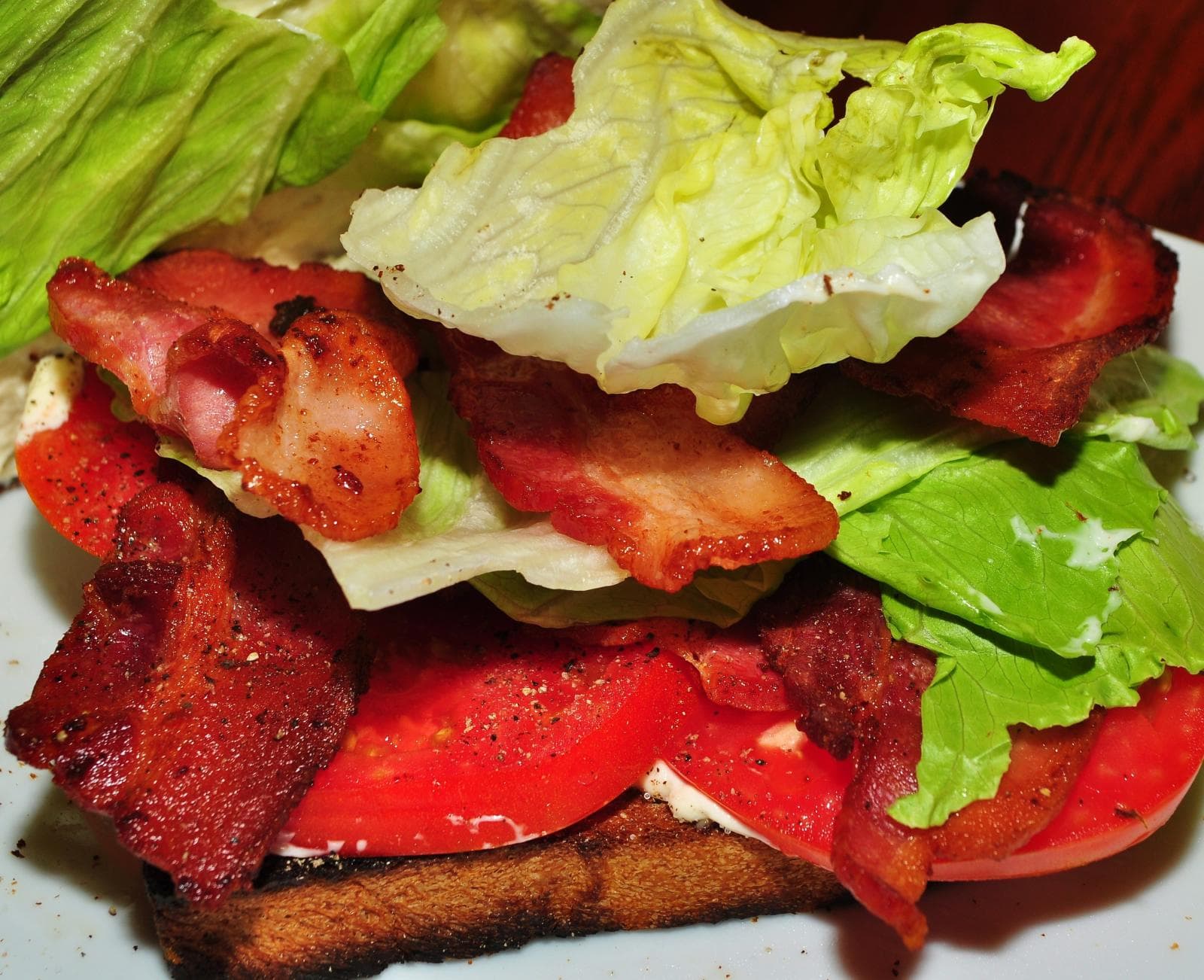
1900-2026
The BLT became a lunch-counter and diner standard in the early 20th century as sliced bread, commercial mayonnaise, bacon, lettuce, and ripe tomatoes converged in American kitchens. Its simplicity is the point: crisp bacon, juicy tomato, cool lettuce, toast, and enough mayonnaise to bind the sandwich.
Same table
America's Melting Pot
Baked Whale with Red Wine Marinade photo coming soon
1927 historical adaptation
Modern historical recipe writers have preserved baked whale methods that marinate the meat with oil, red wine, garlic, and onion before slow baking.
America's Melting Pot
Whale Steak with Onion Gravy photo coming soon
1927
A 1927 recipe from the United States Fisheries Association treated whale steaks as market seafood and simmered them with garlic, onions, bay leaf, and gravy.
America's Melting Pot
World War I Whale Pot Roast photo coming soon
1917-1918
During World War I, the U.S. Food Administration and the Bureau of Fisheries promoted whale as a substitute meat while Americans conserved beef, pork, wheat, and sugar for soldiers and allies.