
Recipe archive
Loading
Setting the table...
Fetching the latest recipes from the archive.
Loading
Fetching the latest recipes from the archive.
Recipe archive
America's Melting Pot
World War I Curried Whale Leftovers hero image coming soon
World War I Home Front - U.S. Food Administration and Bureau of Fisheries
The U.S. Food Administration and Bureau of Fisheries also described curried whale as a way to turn cooked whale leftovers into another meal during wartime conservation.
No featured photo yet. Upload a photo with your review. The highest-rated community photo may become this recipe's hero image.
Difficulty
Historical reference
Prep time
10 minutes
Cook time
20 to 50 minutes
Total time
30 minutes to 1 hour
Servings
About 4
Region
United States home front
Era introduced
World War I Home Front
Introduced by
U.S. Food Administration and Bureau of Fisheries
Recipe tools
Log in to save this recipe to a collection.
Curried whale shows how wartime conservation cooking was about more than the first meal. If whale could be promoted as a substitute roast, leftovers had to be made useful too. The National Archives describes a federal recipe that chopped cooked whale, seasoned it with salt, warmed it in curry sauce, and served it hot with crackers. That combination tells a compact American story. Curry powder had already entered many American pantry and institutional recipes by the early twentieth century, often as a bottled or tinned seasoning rather than a careful representation of South Asian cooking. Crackers were cheap, shelf-stable, and familiar. Together, they turned leftover meat into a quick dish that could be sold to home cooks as economical, modern, and patriotic. The dish also reveals the limits of wartime imagination. The government could write recipes, but distribution, price, regional taste, and public willingness decided whether they landed on real tables. Curried whale remains useful as a historical record because it shows federal food officials trying to solve wartime scarcity through substitution, leftovers, and familiar American pantry shortcuts.
Share family changes, regional twists, or pantry-friendly adaptations as full community recipes.
Log in to submit a community recipe.
No community recipes yet. Submitted recipes are published right away.
Rate this recipe and share how it worked at your table.
Log in to review this recipe.
No reviews yet. Be the first to rate this recipe.
Recipes matched by era, region, occasion, ingredients, and cultural roots from the archive.
Same era
America's Melting Pot
World War I Whale Pot Roast photo coming soon
1917-1918
During World War I, the U.S. Food Administration and the Bureau of Fisheries promoted whale as a substitute meat while Americans conserved beef, pork, wheat, and sugar for soldiers and allies.
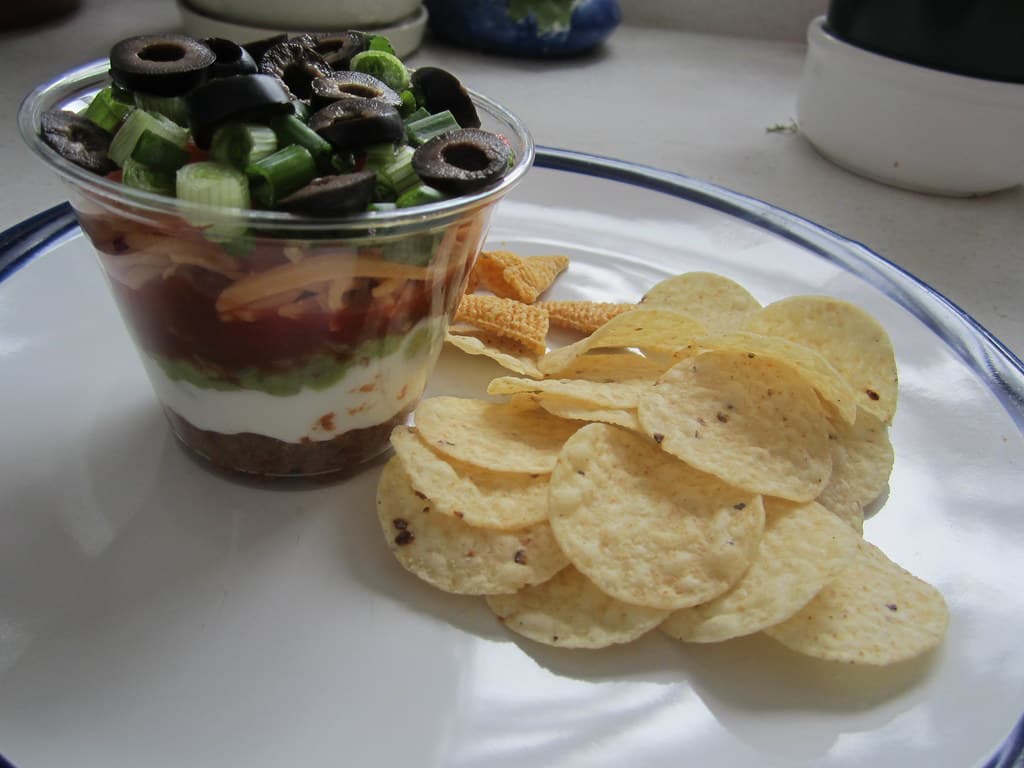
1900s-present
7-Layer Dip is a party dip with real American table personality: Tex-Mex party dish. It brings flavor from Texas and the Southwest to cookouts, counters, lunch plates, potlucks, and weeknight suppers.
America's Melting Pot
Alabama White Sauce Chicken photo coming soon
1920s-present
Grilled or smoked chicken served with Alabama white barbecue sauce, a mayonnaise-and-vinegar sauce associated with Big Bob Gibson Bar-B-Q in Decatur.
Same region
America's Melting Pot
World War I Whale Pot Roast photo coming soon
1917-1918
During World War I, the U.S. Food Administration and the Bureau of Fisheries promoted whale as a substitute meat while Americans conserved beef, pork, wheat, and sugar for soldiers and allies.
America's Melting Pot
Baked Whale with Red Wine Marinade photo coming soon
1927 historical adaptation
Modern historical recipe writers have preserved baked whale methods that marinate the meat with oil, red wine, garlic, and onion before slow baking.
America's Melting Pot
Bloomin? Onion-Style Onion Blossom photo coming soon
1980-2026
The onion blossom is a late-20th-century chain-restaurant spectacle: part onion ring, part table centerpiece. Outback Steakhouse popularized the Bloomin Onion nationally after opening in 1988, though similar blooming onion ideas circulated before it.
Same table
America's Melting Pot
World War I Whale Pot Roast photo coming soon
1917-1918
During World War I, the U.S. Food Administration and the Bureau of Fisheries promoted whale as a substitute meat while Americans conserved beef, pork, wheat, and sugar for soldiers and allies.
America's Melting Pot
Alaska Grilled Whale Steak photo coming soon
precontact-present
This archive entry records grilled whale steak as part of Alaska Native subsistence food history, with a clear note that lawful access is governed by cultural rights, conservation rules, and marine mammal law.
America's Melting Pot
Baked Whale with Red Wine Marinade photo coming soon
1927 historical adaptation
Modern historical recipe writers have preserved baked whale methods that marinate the meat with oil, red wine, garlic, and onion before slow baking.