
Recipe archive
Loading
Setting the table...
Fetching the latest recipes from the archive.
Loading
Fetching the latest recipes from the archive.
Recipe archive
America's Melting Pot
Alaska Grilled Whale Steak hero image coming soon
Native Foodways and Continuity - Alaska Native subsistence foodways
This archive entry records grilled whale steak as part of Alaska Native subsistence food history, with a clear note that lawful access is governed by cultural rights, conservation rules, and marine mammal law.
No featured photo yet. Upload a photo with your review. The highest-rated community photo may become this recipe's hero image.
Difficulty
Historical reference
Prep time
10 minutes
Cook time
5 minutes
Total time
20 minutes including rest
Servings
4
Region
Alaska and the Arctic coast
Era introduced
Native Foodways and Continuity
Introduced by
Alaska Native subsistence foodways
Recipe tools
Log in to save this recipe to a collection.
Whale belongs in American culinary history because Alaska Native communities have long built food systems around the Arctic coast and the animals, seasons, tools, and laws of that place. In many communities, whale has meant far more than meat. It has meant cooperation, skilled hunting, butchering knowledge, shared distribution, ceremony, oil, muktuk, storage, and obligation. A grilled whale steak is a simple form, but the history around it is not simple. Modern recipe references often describe quick high-heat cooking because whale meat can become tough when overcooked. In subsistence contexts, preparation is connected to lawful harvest, cultural authority, and community sharing. That is different from buying an unusual meat for curiosity. This recipe is included to keep the archive honest about the breadth of American food. It should be read alongside Native food sovereignty and Indigenous continuity, not separated from them. The dish documents a foodway that predates the United States and continues within living communities whose rights, responsibilities, and knowledge deserve careful respect.
Share family changes, regional twists, or pantry-friendly adaptations as full community recipes.
Log in to submit a community recipe.
No community recipes yet. Submitted recipes are published right away.
Rate this recipe and share how it worked at your table.
Log in to review this recipe.
No reviews yet. Be the first to rate this recipe.
Recipes matched by era, region, occasion, ingredients, and cultural roots from the archive.
Same era
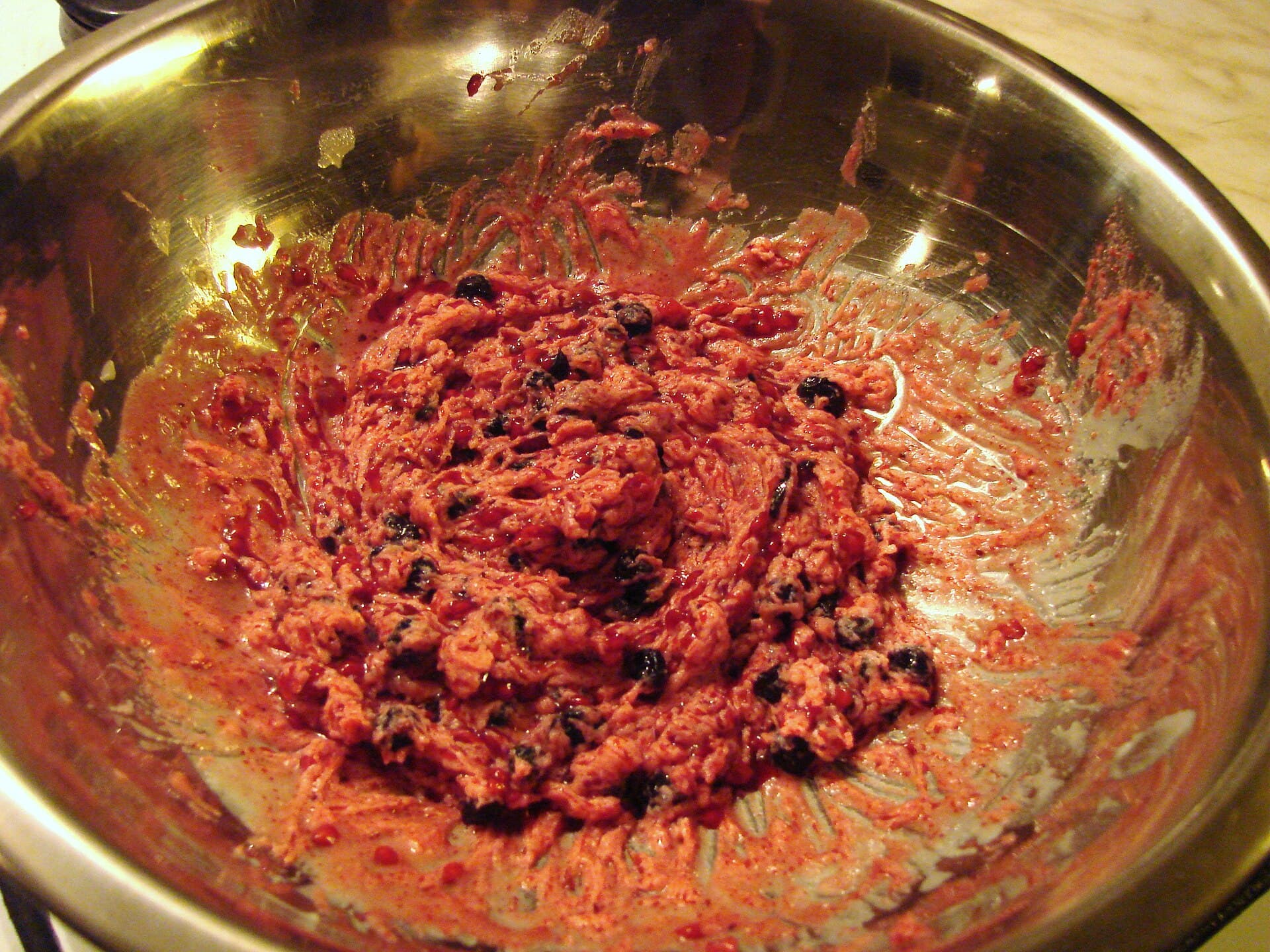
precontact-present
A researched archive entry for akutaq, a family- and region-specific Alaska Native mixed fat-and-berry dish often translated as Alaska Native ice cream.
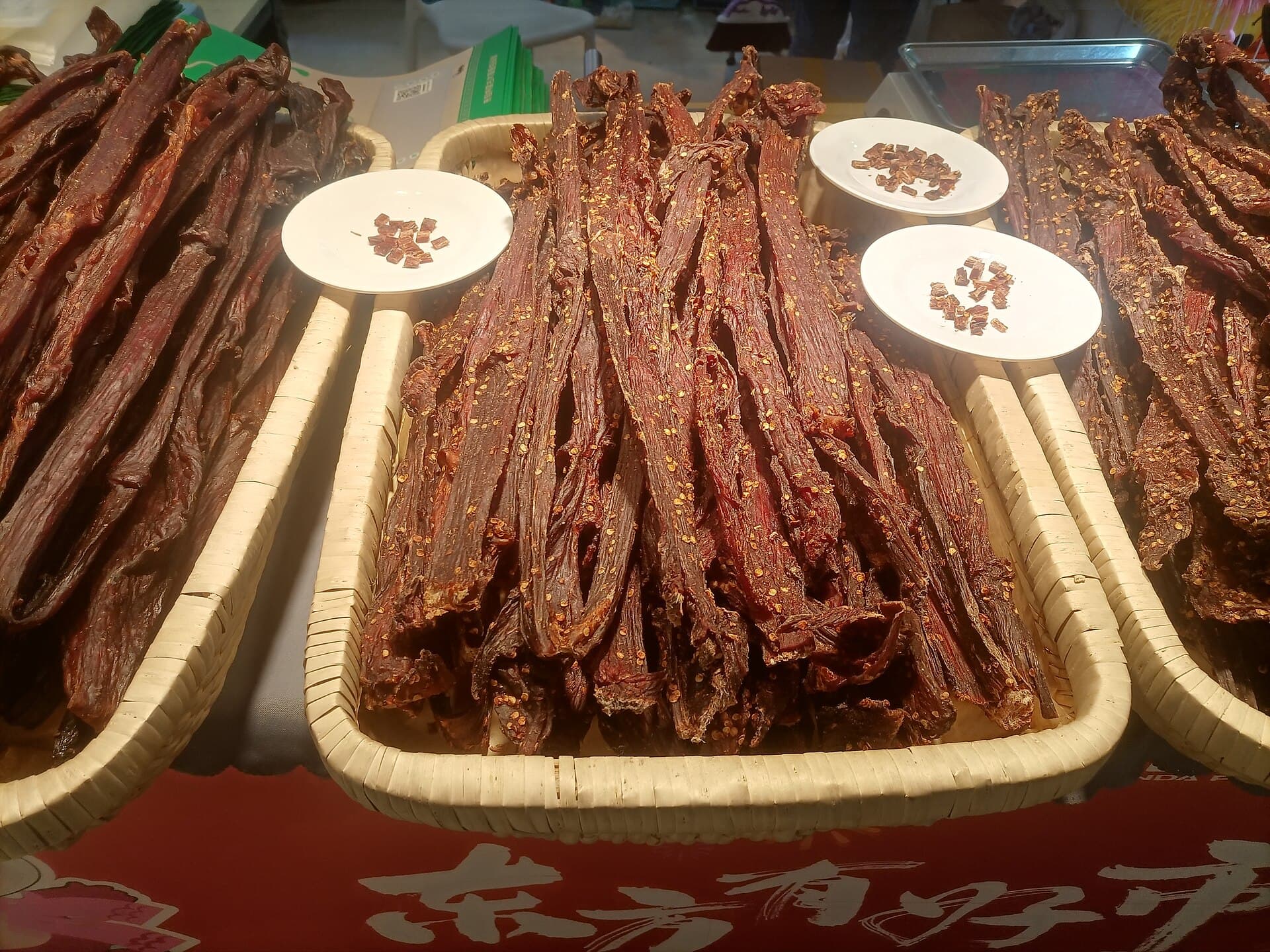
precontact-present
Jerky is preservation food before it is snack food. Indigenous drying traditions, pemmican, pioneer travel, soldiers, cowboys, and later road-trip convenience all helped make dried meat part of American food culture.
America's Melting Pot
Bison Stew photo coming soon
precontact-present
Bison stew can be a modern way to honor older Indigenous food relationships when it is framed carefully. Bison supplied meat, fat, hides, tools, and ceremony for many Plains nations; corn, beans, and squash add a broader Native agricultural foundation.
Same region
America's Melting Pot
Air Fryer Salmon photo coming soon
2010-2026
Salmon fillets seasoned simply and air-fried until browned outside and flaky within.
precontact-present
A researched archive entry for akutaq, a family- and region-specific Alaska Native mixed fat-and-berry dish often translated as Alaska Native ice cream.
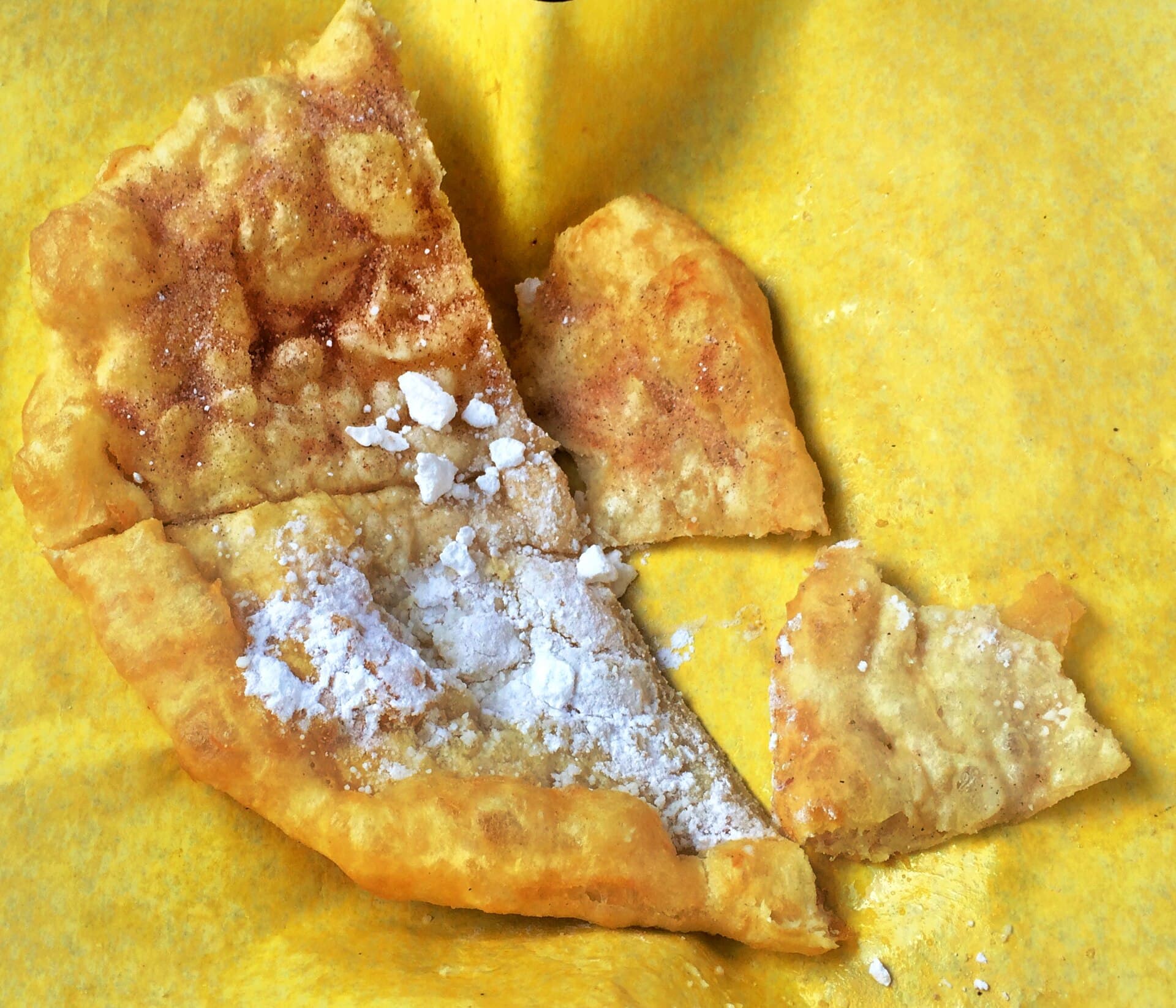
1800-1860
Fry bread is a soft, puffy fried bread with crispy edges, an iconic food in many Indigenous communities across the Great Plains and Alaska. Originating as a resourceful response to government-provided rations during the 19th century, fry bread today serves as both a staple and comfort food, featuring as a base for various toppings or eaten plain.
Same table
America's Melting Pot
World War I Curried Whale Leftovers photo coming soon
1917-1918
The U.S. Food Administration and Bureau of Fisheries also described curried whale as a way to turn cooked whale leftovers into another meal during wartime conservation.
America's Melting Pot
Baked Whale with Red Wine Marinade photo coming soon
1927 historical adaptation
Modern historical recipe writers have preserved baked whale methods that marinate the meat with oil, red wine, garlic, and onion before slow baking.
America's Melting Pot
Whale Steak Stew photo coming soon
1927 historical adaptation
This stew adaptation combines whale steak with potatoes, carrots, celery, onion, herbs, red wine, tomato paste, and salt pork, using the slow-cooking language of American meat stews.