
Recipe archive
Loading
Setting the table...
Fetching the latest recipes from the archive.
Loading
Fetching the latest recipes from the archive.
Recipe archive
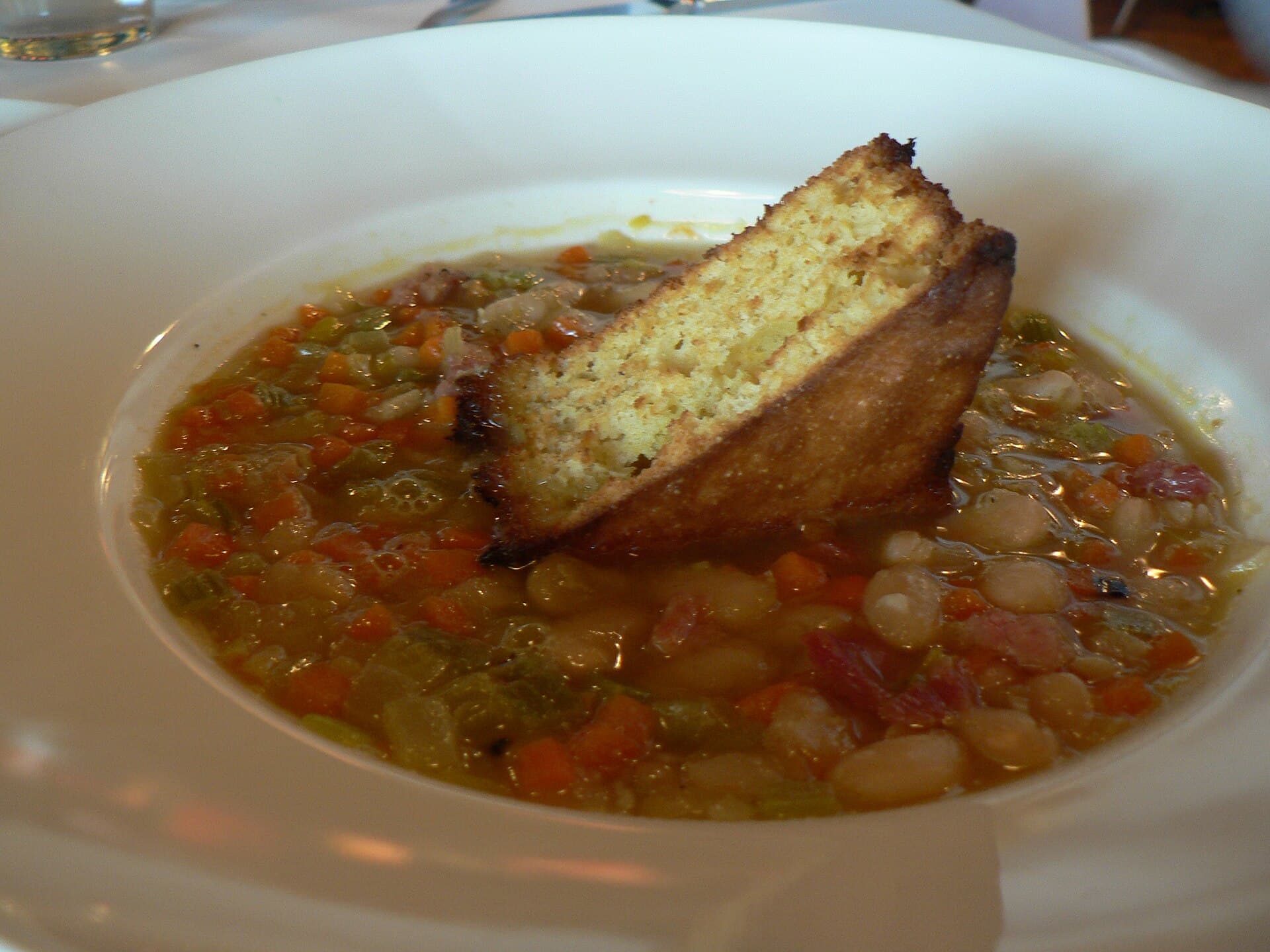
1800-1860 - Thrifty American home cooks and institutional kitchens using dried beans and leftover ham
Bean soup is a humble American constant: inexpensive dried beans, water or stock, onion, and a ham bone when one was available. During hard times, that kind of pot could stretch flavor and protein across several meals. The U.S. Senate version made navy bean soup famous, but home kitchens kept it practical.
Community-powered photos. Reviewers can upload dish photos, and the highest-rated community image may be featured here.
Difficulty
Easy
Prep time
15 minutes plus soaking
Cook time
2 hours 15 minutes
Total time
2 hours 30 minutes plus soaking
Servings
6 servings
Region
Appalachian, Ohio Valley, and New England pantry soup kitchens
Era introduced
1800-1860
Introduced by
Thrifty American home cooks and institutional kitchens using dried beans and leftover ham
Recipe tools
Log in to save this recipe to a collection.
Bean soup is less a single recipe than a survival pattern: dried beans simmered until creamy, seasoned with onion and whatever cured pork was on hand. It fits Depression-era cooking because it is inexpensive, filling, and forgiving. The Senate has its own long-running bean soup tradition, but ordinary American versions often add carrot, celery, and leftover ham to make the pot stretch farther.
Share family changes, regional twists, or pantry-friendly adaptations as full community recipes.
Log in to submit a community recipe.
No community recipes yet. Submitted recipes are published right away.
Rate this recipe and share how it worked at your table.
Log in to review this recipe.
No reviews yet. Be the first to rate this recipe.
Recipes matched by era, region, occasion, ingredients, and cultural roots from the archive.
Same era
America's Melting Pot
Acorn Bread photo coming soon
1800-1860
A nutty, lightly sweet quick bread made with properly leached acorn flour, cornmeal, and wheat flour.
1800-1860
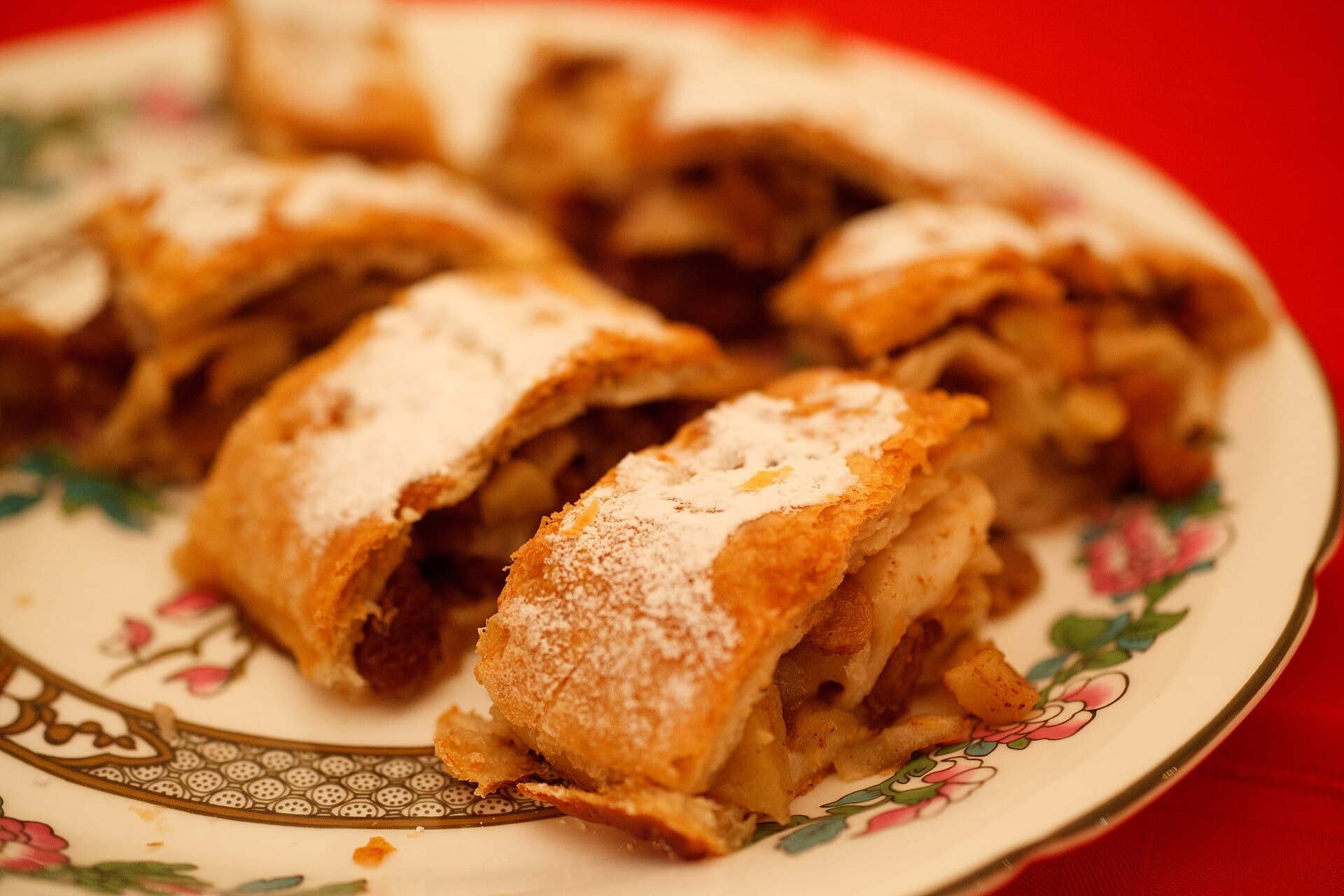
A German-American apple strudel made with crisp apples, raisins, cinnamon, buttered crumbs, and flaky phyllo for a practical home version of a Central European pastry.
America's Melting Pot
Asparagus photo coming soon
1800s/early 1900s-present
A bright American Easter asparagus side, quickly cooked and dressed with lemon butter, herbs, and hard-cooked egg in the spirit of old spring-table recipes.
Same region
America's Melting Pot
Buckwheat Cakes photo coming soon
1700-2026
Buckwheat cakes were once a cold-weather American breakfast staple, especially in Pennsylvania, Appalachia, and boardinghouses. Buckwheat grew well in poor soils, and an overnight batter gave the cakes a tangy flavor before modern baking powder pancakes took over.
America's Melting Pot
Maple Apple Butter photo coming soon
1800s-present
Maple Apple Butter is a preserve with real American table personality: New England/Appalachian mashup. It brings flavor from New England to cookouts, counters, lunch plates, potlucks, and weeknight suppers.
America's Melting Pot
Bacon Dressing / Hot Bacon Dressing photo coming soon
1800s-present
Bacon Dressing / Hot Bacon Dressing is a dressing with real American table personality: Pennsylvania Dutch and Midwestern spinach salad dressing. It brings flavor from Appalachia and Pennsylvania Dutch country to cookouts, counters, lunch plates, potlucks, and weeknight suppers.
Same table
America's Melting Pot
Army Bean Soup photo coming soon
1861-1900
A hearty military-style bean soup built on navy beans, smoked ham hock, onion, celery, carrot, and bay leaf, adapted for a home pot from large-batch service traditions.

1900-2026
Beer cheese soup is a Wisconsin-style comfort dish where dairy country meets brewing culture. It echoes European beer soups but becomes distinctly Midwestern with cheddar, lager, supper-club richness, and sometimes popcorn or pretzels on top.
1900-2026
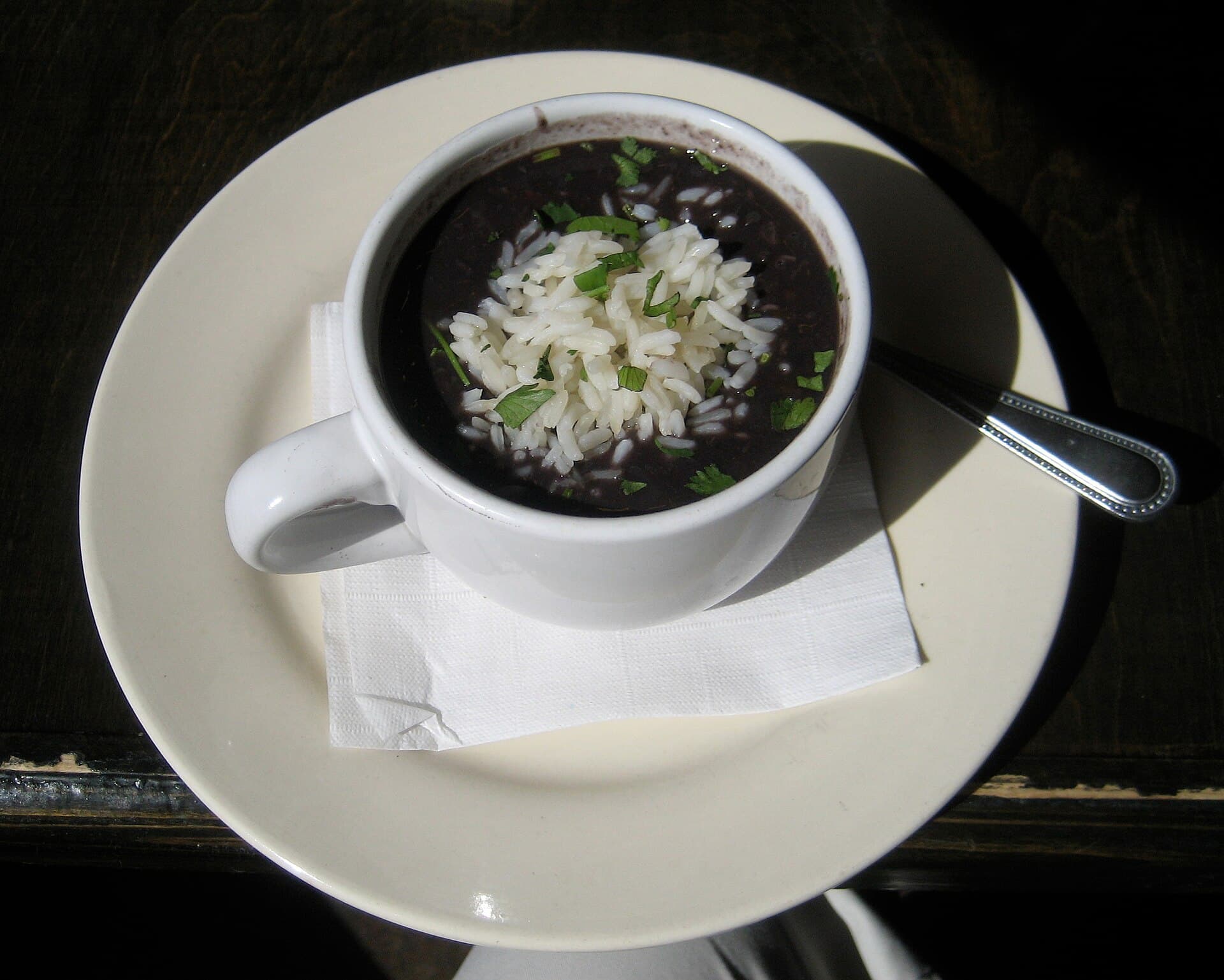
Black bean soup connects Caribbean, Spanish, and Cuban cooking traditions with American tables through Florida, Cuban American restaurants, and home kitchens. It is economical, filling, and deeply flavored when the beans are simmered slowly.