
Recipe archive
Loading
Setting the table...
Fetching the latest recipes from the archive.
Loading
Fetching the latest recipes from the archive.
Recipe archive
America's Melting Pot
Buckwheat Cakes hero image coming soon
1700s-present - Pennsylvania Dutch, Appalachian, and early American farm cooks using buckwheat flour
Buckwheat cakes were once a cold-weather American breakfast staple, especially in Pennsylvania, Appalachia, and boardinghouses. Buckwheat grew well in poor soils, and an overnight batter gave the cakes a tangy flavor before modern baking powder pancakes took over.
No featured photo yet. Upload a photo with your review. The highest-rated community photo may become this recipe's hero image.
Difficulty
Moderate
Prep time
15 minutes plus overnight rest
Cook time
20 minutes
Total time
35 minutes plus overnight rest
Servings
4 servings
Region
Pennsylvania, Appalachia, and early American breakfast tables
Era introduced
1700s-present
Introduced by
Pennsylvania Dutch, Appalachian, and early American farm cooks using buckwheat flour
Recipe tools
Log in to save this recipe to a collection.
Buckwheat cakes were a serious breakfast before pancakes became mostly a quick weekend treat. Older batters often used yeast and an overnight rest, producing a lightly sour flavor and tender texture. In Pennsylvania and parts of Appalachia, buckwheat remained tied to local mills, church suppers, and winter breakfasts. This version uses a small amount of yeast and molasses for the older character.
Share family changes, regional twists, or pantry-friendly adaptations as full community recipes.
Log in to submit a community recipe.
No community recipes yet. Submitted recipes are published right away.
Rate this recipe and share how it worked at your table.
Log in to review this recipe.
No reviews yet. Be the first to rate this recipe.
Recipes matched by era, region, occasion, ingredients, and cultural roots from the archive.
Same era
1700s-present
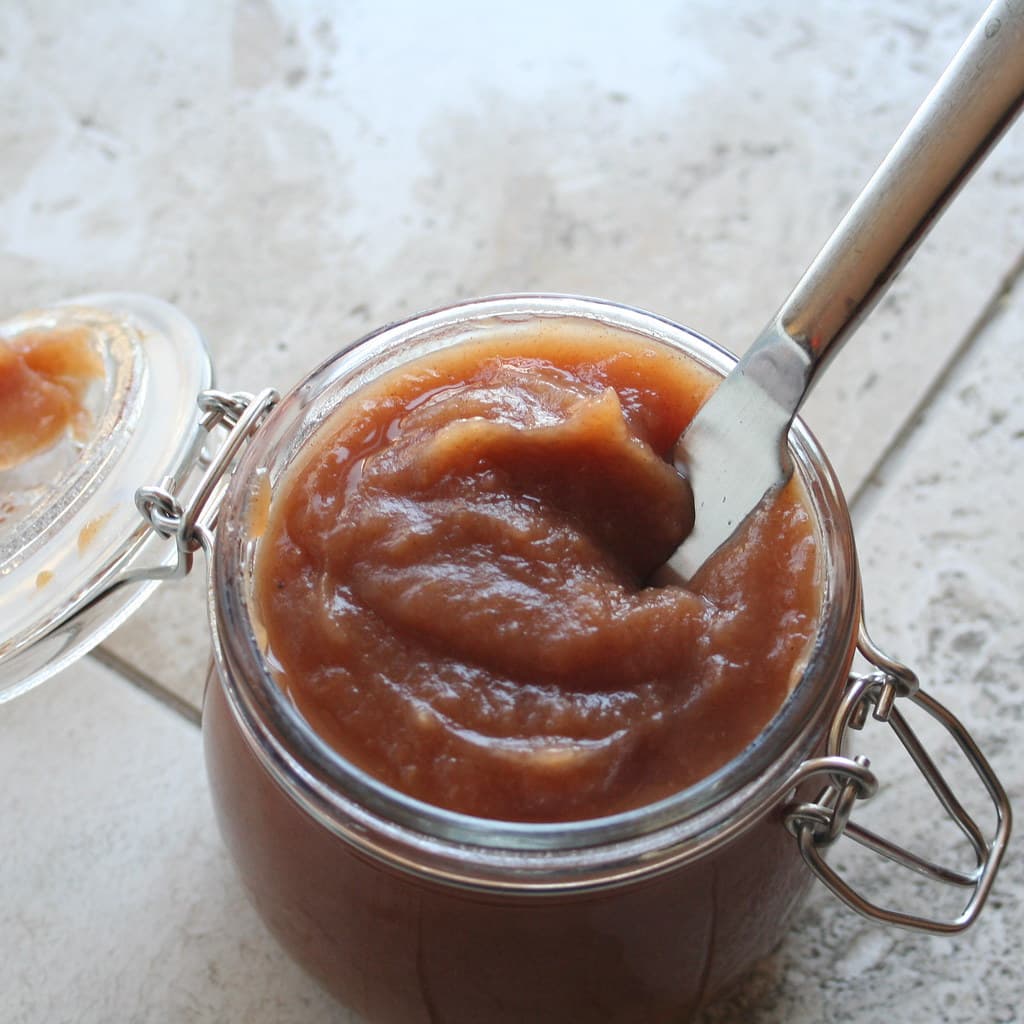
Apples cooked down with cider, sugar, and warm spices into a dark, spreadable fruit butter.
America's Melting Pot
Apple Butter on Biscuits photo coming soon
1700s-present
Warm buttermilk biscuits split and served with butter and spiced apple butter.
1700s-present
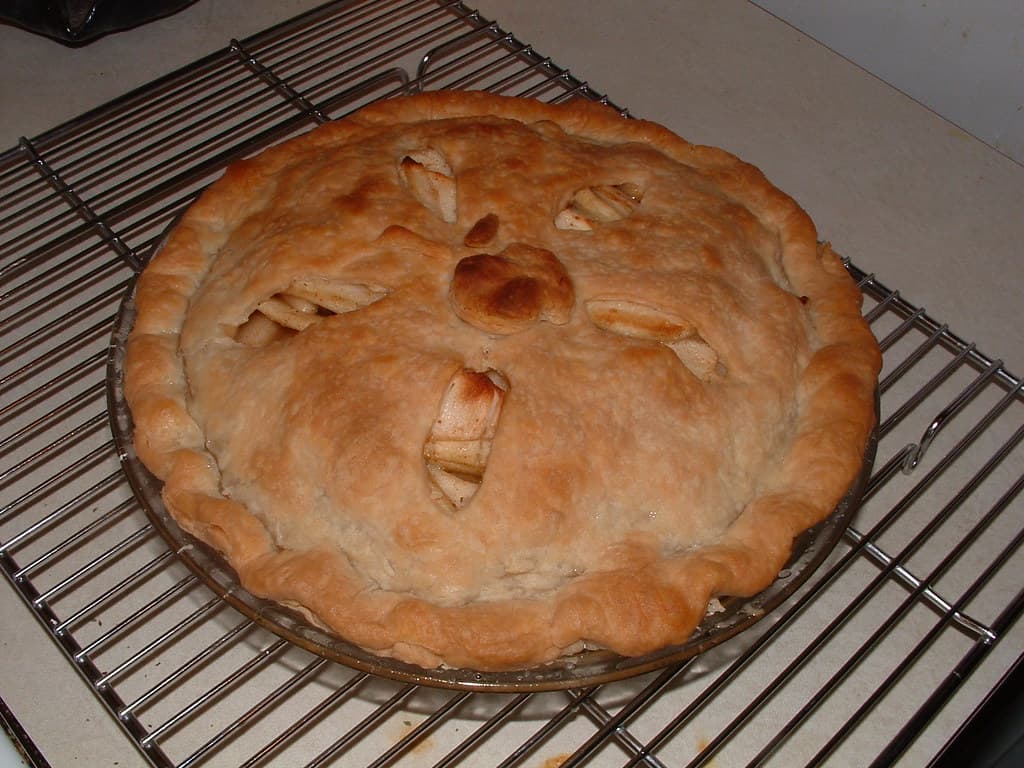
A double-crust apple pie with cinnamon-spiced apples and a flaky butter crust.
Same region
America's Melting Pot
Maple Apple Butter photo coming soon
1800s-present
Maple Apple Butter is a preserve with real American table personality: New England/Appalachian mashup. It brings flavor from New England to cookouts, counters, lunch plates, potlucks, and weeknight suppers.
America's Melting Pot
Canned Oyster Stew photo coming soon
1860-2026
Oyster stew has long been part of American coastal, holiday, and Lenten cooking. Canned oysters made the dish possible far from oyster beds and useful for military, railroad, boardinghouse, and pantry meals.
America's Melting Pot
Acorn Bread photo coming soon
1800-1860
A nutty, lightly sweet quick bread made with properly leached acorn flour, cornmeal, and wheat flour.
Same table
America's Melting Pot
Molasses Cornbread photo coming soon
1700s-present
Molasses Cornbread is a slightly sweet cornmeal bread flavored with molasses, common in early American households during the Revolutionary era. Combining locally grown cornmeal with molasses provided a hearty and economical bread that complemented savory dishes and breakfast tables alike. Its enduring popularity reflects early American adaptation of indigenous and imported ingredients.
1800s-present
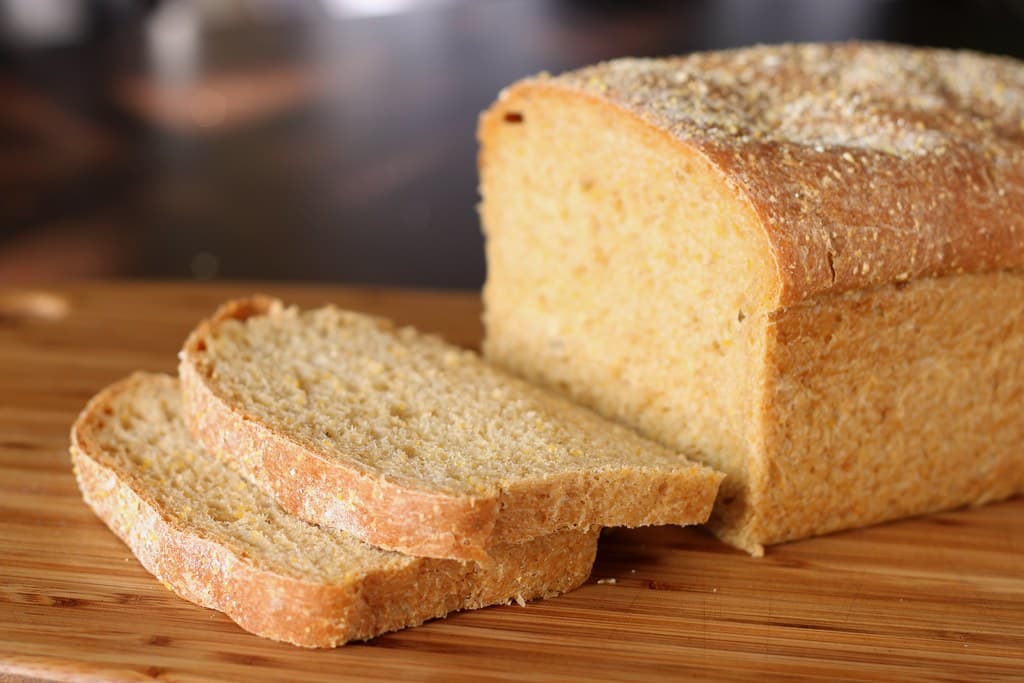
A lightly sweet New England loaf made with cornmeal, molasses, wheat flour, and yeast.
1700-2026
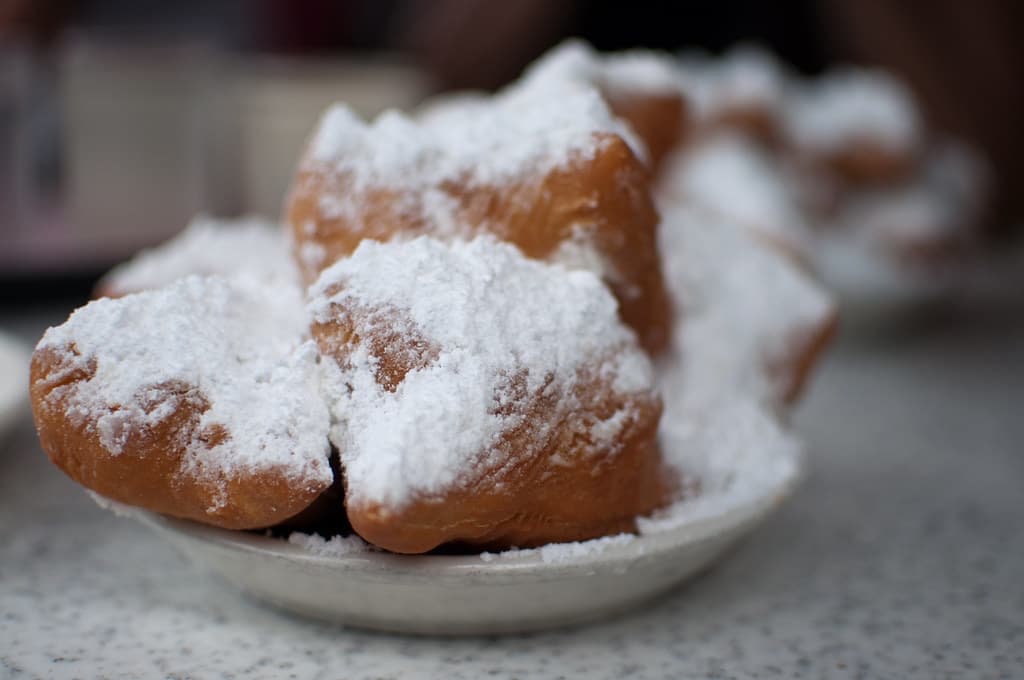
Beignets carry French and Acadian roots into Louisiana, where New Orleans coffee stands made them a breakfast and late-night ritual. The familiar square, sugar-dusted version is now inseparable from cafe au lait and the French Quarter.