
Recipe archive
Loading
Setting the table...
Fetching the latest recipes from the archive.
Loading
Fetching the latest recipes from the archive.
Recipe archive
America's Melting Pot
Bison Stew hero image coming soon
Native Foodways and Continuity - Indigenous Great Plains cooks and modern Native food-restoration advocates
Bison stew can be a modern way to honor older Indigenous food relationships when it is framed carefully. Bison supplied meat, fat, hides, tools, and ceremony for many Plains nations; corn, beans, and squash add a broader Native agricultural foundation.
No featured photo yet. Upload a photo with your review. The highest-rated community photo may become this recipe's hero image.
Difficulty
Easy
Prep time
25 minutes
Cook time
2 hours
Total time
2 hours 25 minutes
Servings
6 servings
Region
Great Plains Native communities
Era introduced
Native Foodways and Continuity
Introduced by
Indigenous Great Plains cooks and modern Native food-restoration advocates
Recipe tools
Log in to save this recipe to a collection.
Bison stew is more than a generic frontier novelty. Bison are central to the histories and food sovereignty work of many Plains Indigenous nations, while corn, beans, and squash reflect deep Native agricultural traditions across North America. This recipe is a respectful modern home version using accessible ingredients and a slow simmer. The archive context points readers toward tribal and Native-authored sources as this entry continues to mature.
Share family changes, regional twists, or pantry-friendly adaptations as full community recipes.
Log in to submit a community recipe.
No community recipes yet. Submitted recipes are published right away.
Rate this recipe and share how it worked at your table.
Log in to review this recipe.
No reviews yet. Be the first to rate this recipe.
Recipes matched by era, region, occasion, ingredients, and cultural roots from the archive.
Same era
precontact-present
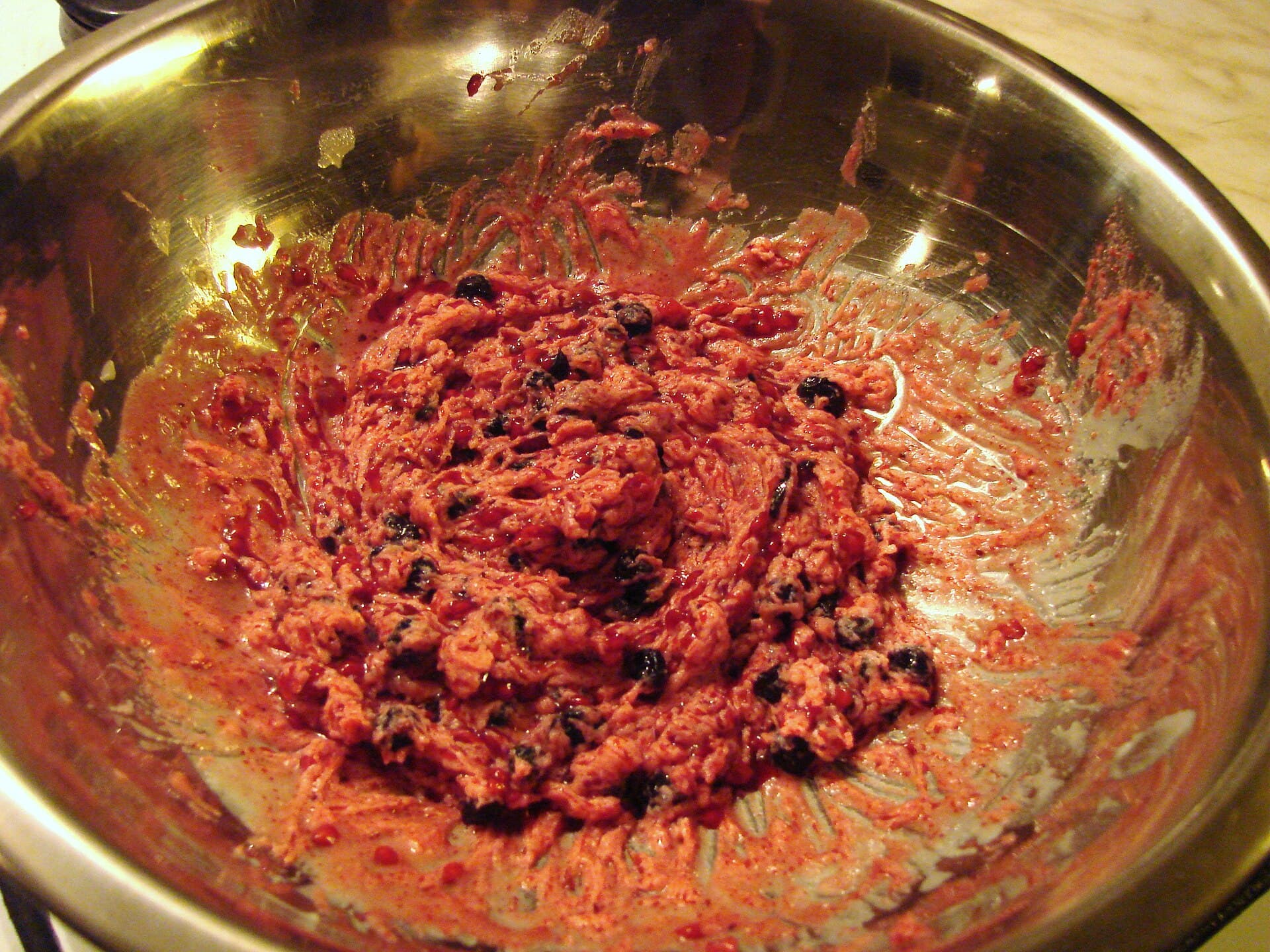
A researched archive entry for akutaq, a family- and region-specific Alaska Native mixed fat-and-berry dish often translated as Alaska Native ice cream.
America's Melting Pot
Alaska Grilled Whale Steak photo coming soon
precontact-present
This archive entry records grilled whale steak as part of Alaska Native subsistence food history, with a clear note that lawful access is governed by cultural rights, conservation rules, and marine mammal law.
precontact-present
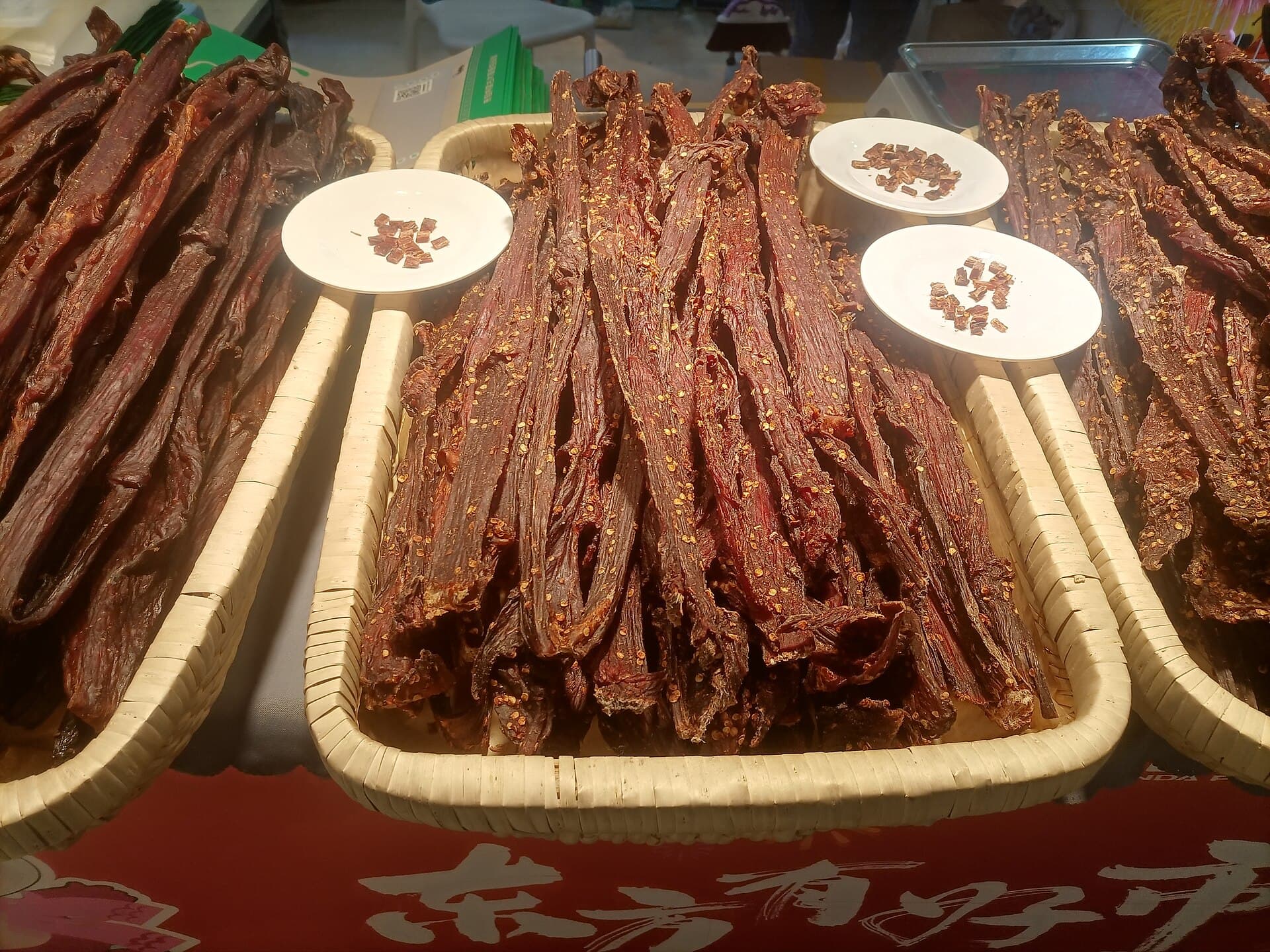
Jerky is preservation food before it is snack food. Indigenous drying traditions, pemmican, pioneer travel, soldiers, cowboys, and later road-trip convenience all helped make dried meat part of American food culture.
Same region
precontact-present
Jerky is preservation food before it is snack food. Indigenous drying traditions, pemmican, pioneer travel, soldiers, cowboys, and later road-trip convenience all helped make dried meat part of American food culture.
America's Melting Pot
Biscuits with Salt Pork Gravy photo coming soon
1861-1900
Before sausage gravy became the default, cooks could make a filling breakfast from salt pork, flour, and milk. The method fits chuckwagon, farm, and 19th-century working kitchens where cured pork traveled well and every bit of fat mattered.
America's Melting Pot
BBQ Beef Sandwiches photo coming soon
1970-2026
This sandwich turns pot roast into crowd food: cook beef until it pulls apart, simmer it in barbecue sauce, and serve it from a slow cooker or Dutch oven. It fits the late-20th-century world of booster clubs, church suppers, and game-day tables, where economical roasts could feed a line of hungry fans.
Same table
America's Melting Pot
Three Sisters Stew photo coming soon
pre-1776-present
Three Sisters Stew features the traditional Indigenous American agricultural trio of corn, beans, and squash simmered into a hearty, nourishing stew. Reflecting centuries-old Native foodways, this dish celebrates indigenous crops and culinary traditions from Expansion through early 19th century America, underscoring sustainable agriculture and seasonal cooking.
1800-2026
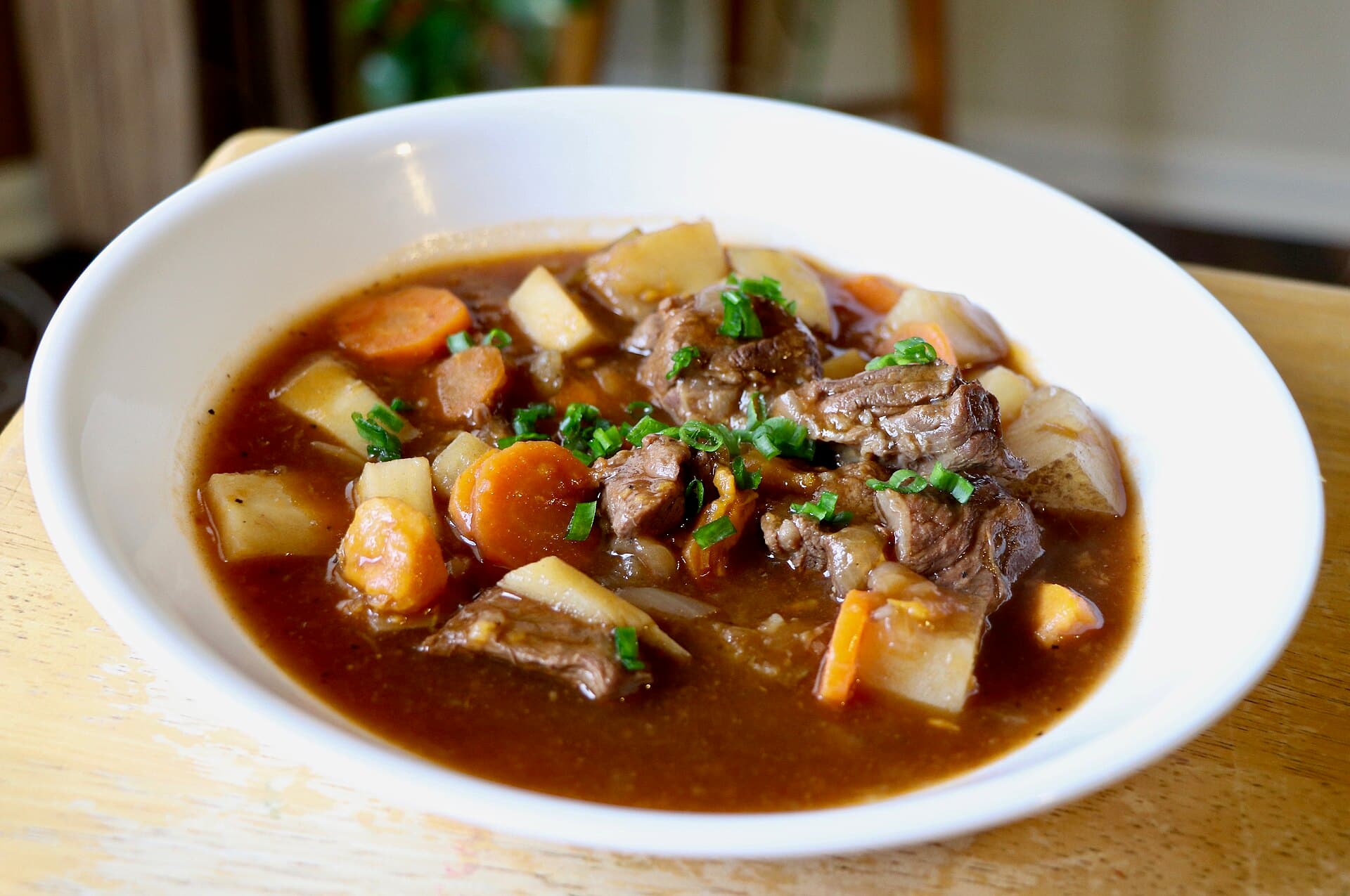
Beef stew is old-world pot cooking adapted to American beef country, boardinghouses, and family kitchens. Browning the meat, simmering it gently, and adding vegetables in stages turns inexpensive chuck into a cold-weather meal.
America's Melting Pot
Boiled Dinner photo coming soon
1800-2026
New England boiled dinner is practical one-pot cooking shaped by salt meat, root cellars, cabbage, and later Irish American corned beef traditions. It remains strongly tied to St. Patrick Day in the United States but is older and broader than the holiday plate.