
Recipe archive
Loading
Setting the table...
Fetching the latest recipes from the archive.
Loading
Fetching the latest recipes from the archive.
Recipe archive
America's Melting Pot
Butter Chicken hero image coming soon
1970s-present - Punjabi restaurant cooks and Indian American restaurateurs bringing butter chicken to U.S. diners
Butter chicken, or murgh makhani, is associated with Moti Mahal and Punjabi cooks who turned tandoori chicken into a rich tomato-butter gravy. In the United States, Indian restaurants, immigrant cooks, supermarket sauces, and suburban takeout made it one of the best-known Indian dishes for American diners.
No featured photo yet. Upload a photo with your review. The highest-rated community photo may become this recipe's hero image.
Difficulty
Moderate
Prep time
25 minutes plus marinating
Cook time
35 minutes
Total time
1 hour plus marinating
Servings
4 to 6 servings
Region
Indian American restaurants and suburban kitchens
Era introduced
1970s-present
Introduced by
Punjabi restaurant cooks and Indian American restaurateurs bringing butter chicken to U.S. diners
Recipe tools
Log in to save this recipe to a collection.
Butter chicken is not American in origin, but it is deeply present in American eating through Indian restaurants and home kitchens. Its origin story is contested in detail, but it is strongly tied to Moti Mahal, Punjabi cooks, tandoori chicken, and a tomato-butter gravy. This archive version presents it as a global suburban favorite: simplified for a home kitchen while acknowledging its South Asian roots.
Share family changes, regional twists, or pantry-friendly adaptations as full community recipes.
Log in to submit a community recipe.
No community recipes yet. Submitted recipes are published right away.
Rate this recipe and share how it worked at your table.
Log in to review this recipe.
No reviews yet. Be the first to rate this recipe.
Recipes matched by era, region, occasion, ingredients, and cultural roots from the archive.
Same era
America's Melting Pot
Baked Potato Bar photo coming soon
1970-2026
Fluffy baked russet potatoes served with chili, cheese sauce, broccoli, bacon, sour cream, scallions, and other toppings for a crowd-friendly bar.
1975-2026
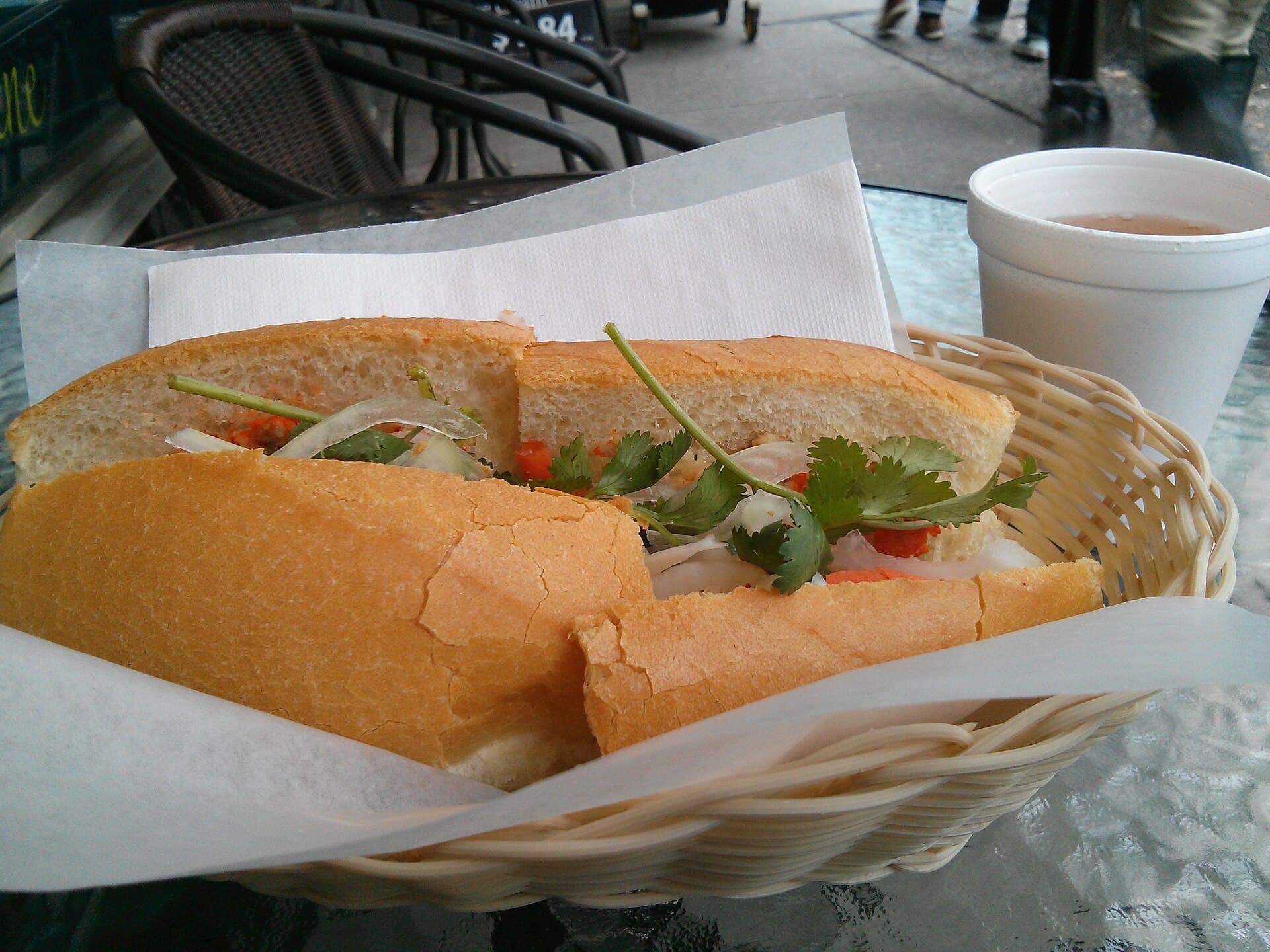
A Vietnamese American banh mi sandwich with crisp baguette, mayonnaise, pate, pork or tofu, pickled carrot and daikon, cucumber, jalapeno, and cilantro.
America's Melting Pot
BBQ Beef Sandwiches photo coming soon
1970-2026
This sandwich turns pot roast into crowd food: cook beef until it pulls apart, simmer it in barbecue sauce, and serve it from a slow cooker or Dutch oven. It fits the late-20th-century world of booster clubs, church suppers, and game-day tables, where economical roasts could feed a line of hungry fans.
Same region
1999-2026
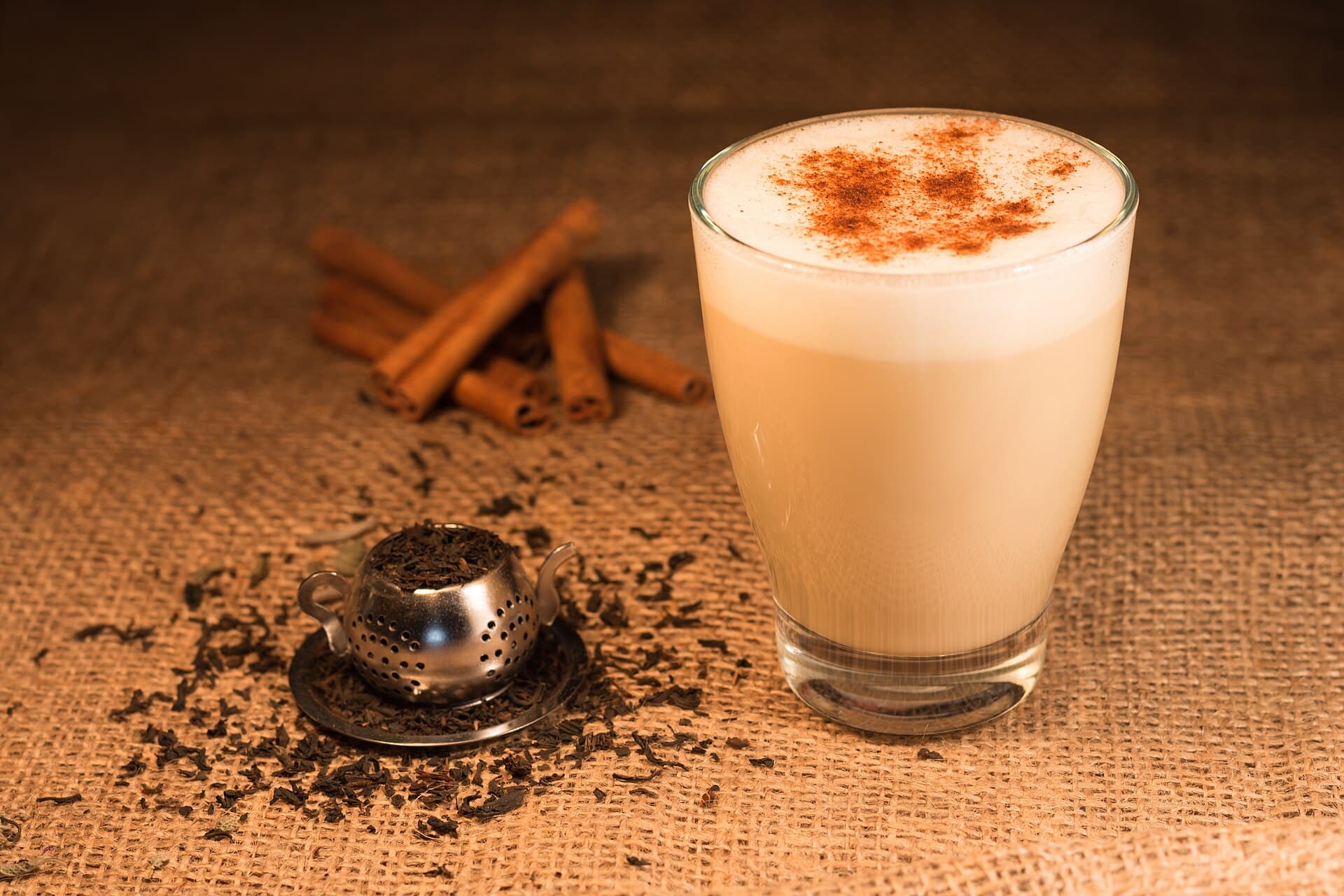
Chai latte is an American coffee-shop adaptation of South Asian masala chai. Starbucks introduced a chai tea latte in 1999, and the sweet, milky, cinnamon-cardamom drink became a standard cafe order even as it differed from everyday chai made in South Asian homes and stalls.
1800s-present
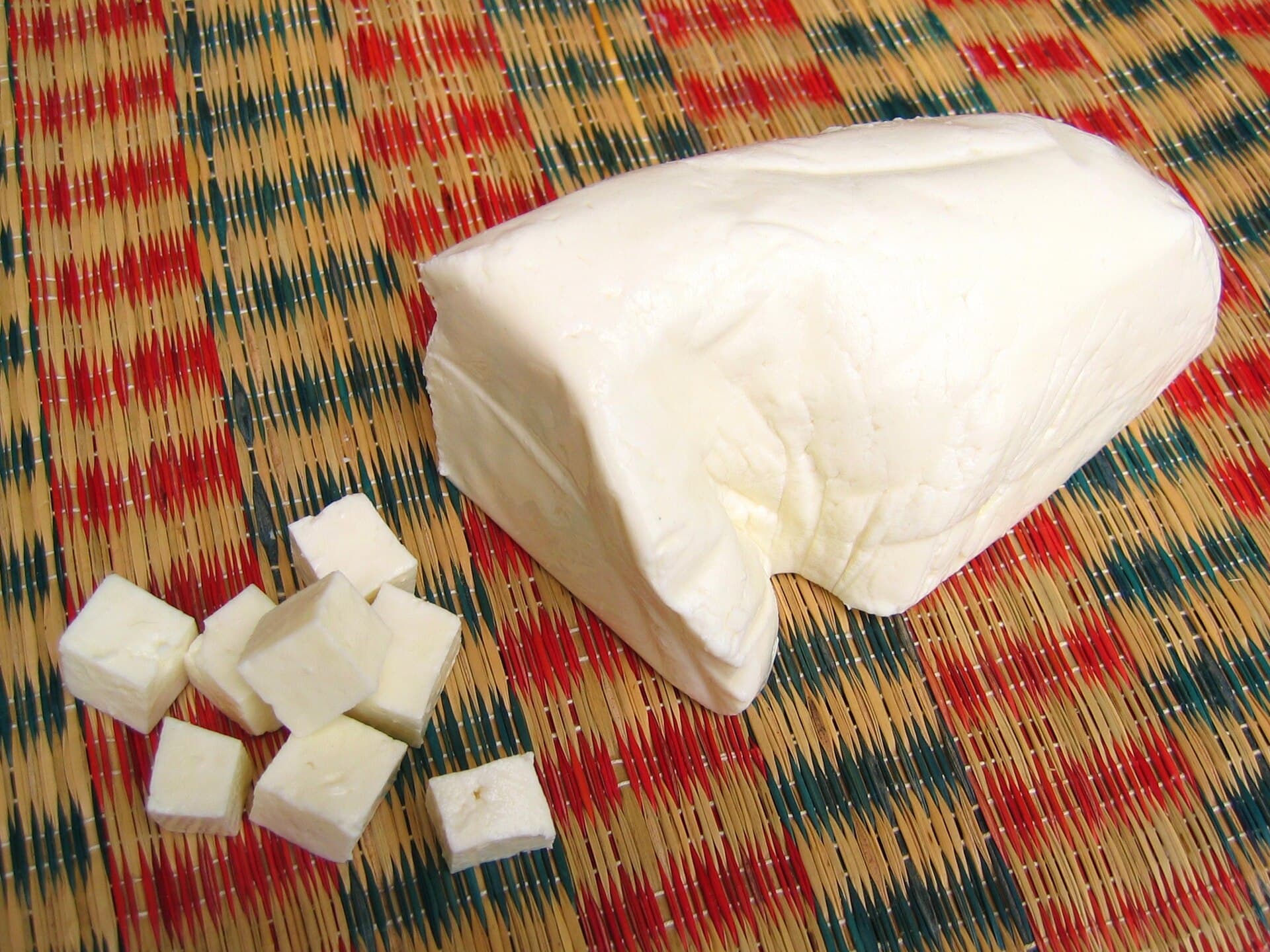
Paneer, Indian-American Home Cheese is a fresh Indian-American home cheese made by acid-setting pasteurized milk, draining, pressing, chilling, and cooking within a few days.
America's Melting Pot
Acorn Bread photo coming soon
1800-1860
A nutty, lightly sweet quick bread made with properly leached acorn flour, cornmeal, and wheat flour.
Same table
1990-2026
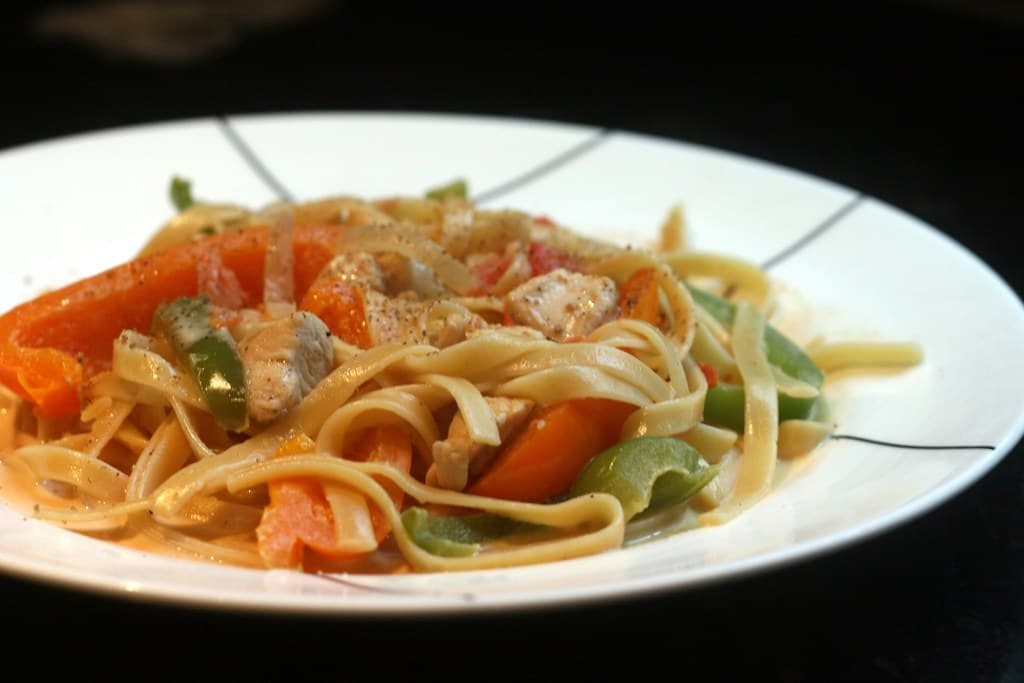
Cajun chicken pasta is American fusion in family-restaurant form. It borrows the spice profile and blackening language popularized by Cajun restaurant cooking, then folds it into creamy pasta for a 1990s-style chain and mall-restaurant favorite.
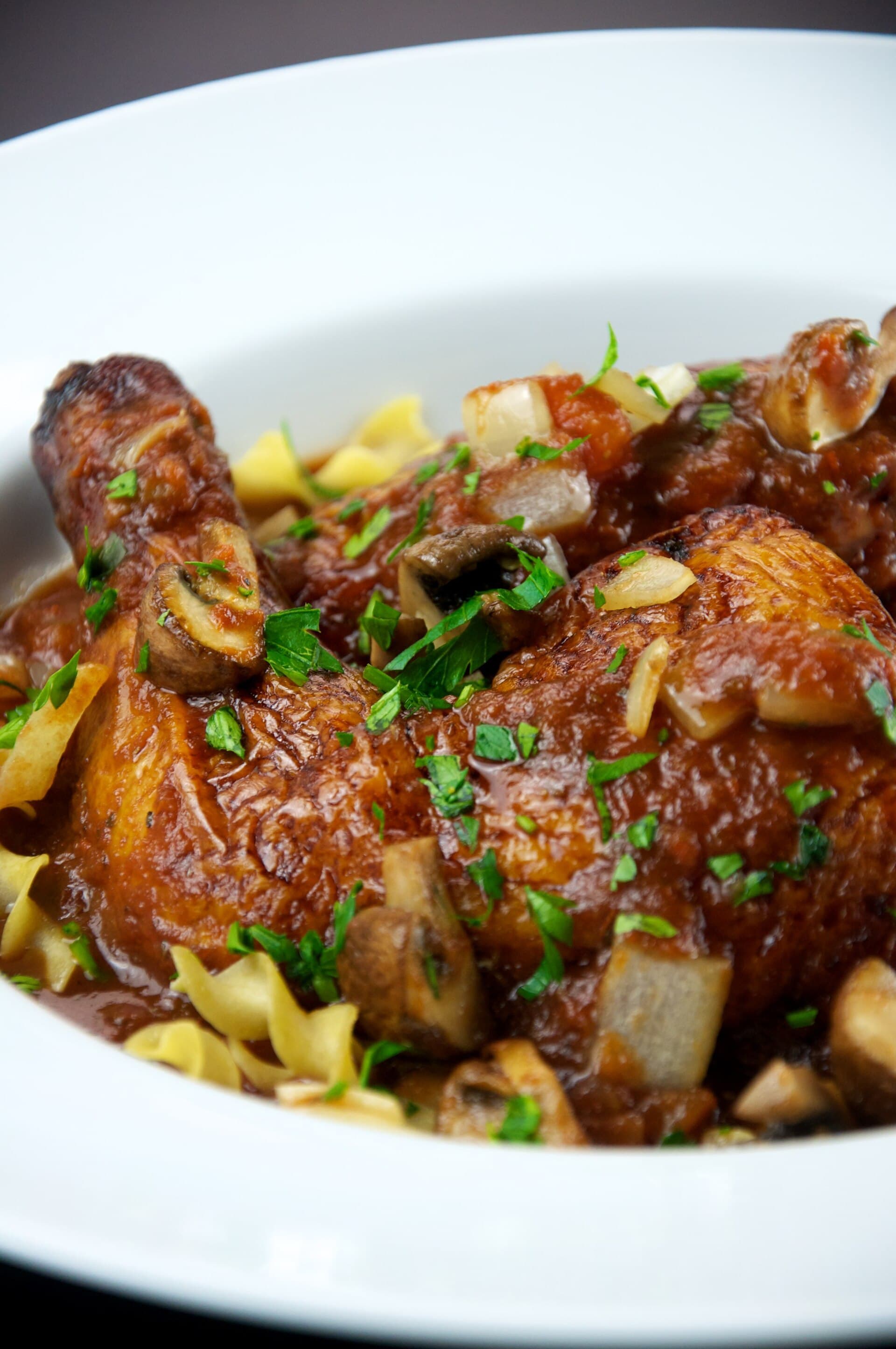
1900-2026
Bone-in chicken browned and simmered with tomatoes, wine, peppers, mushrooms, onions, garlic, and herbs in the Italian American style.
America's Melting Pot
Almond Chicken photo coming soon
1900s-present
Crisp boneless chicken served over lettuce with brown gravy, scallions, and toasted almonds.