
Recipe archive
Loading
Setting the table...
Fetching the latest recipes from the archive.
Loading
Fetching the latest recipes from the archive.
Recipe archive
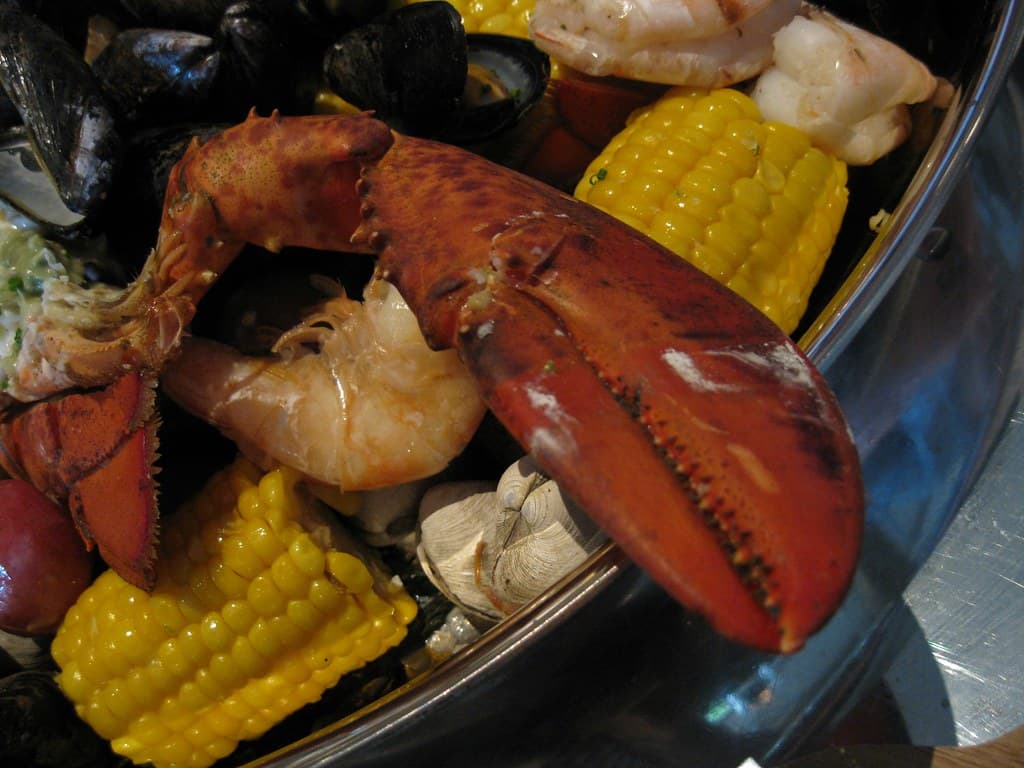
1861-1900 - New England coastal fishing communities and Native American culinary traditions
Clam Bake is a communal outdoor cooking method from New England that involves steaming clams, fish, corn, potatoes, and sometimes other shellfish in a pit or pot layered with seaweed. This method celebrates coastal regional ingredients and social dining, historically practiced by Native Americans and adopted by European settlers to feature the bounty of the Atlantic. It remains a hallmark of summer gatherings and fishing camp meals in New England.
Community-powered photos. Reviewers can upload dish photos, and the highest-rated community image may be featured here.
Difficulty
Medium
Prep time
45 minutes
Cook time
60 minutes
Total time
1 hour 45 minutes
Servings
6 to 8
Region
Rhode Island and coastal New England
Era introduced
1861-1900
Introduced by
New England coastal fishing communities and Native American culinary traditions
Recipe tools
Log in to save this recipe to a collection.
Clam Bakes trace their roots to Native American cooking methods involving steaming seafood over heated stones and seaweed. European settlers along the New England coast adapted and expanded this practice into a social event featuring clams, lobsters, corn, and potatoes cooked together outdoors. Traditionally prepared over a pit fire or in large pots, clam bakes symbolize community and regional maritime heritage, continuing as popular festive meals during summer, fishing excursions, and cabin stays in New England.
Share family changes, regional twists, or pantry-friendly adaptations as full community recipes.
Log in to submit a community recipe.
No community recipes yet. Submitted recipes are published right away.
Rate this recipe and share how it worked at your table.
Log in to review this recipe.
No reviews yet. Be the first to rate this recipe.
Recipes matched by era, region, occasion, ingredients, and cultural roots from the archive.
Same era
America's Melting Pot
Army Bean Soup photo coming soon
1861-1900
A hearty military-style bean soup built on navy beans, smoked ham hock, onion, celery, carrot, and bay leaf, adapted for a home pot from large-batch service traditions.
1861-1900
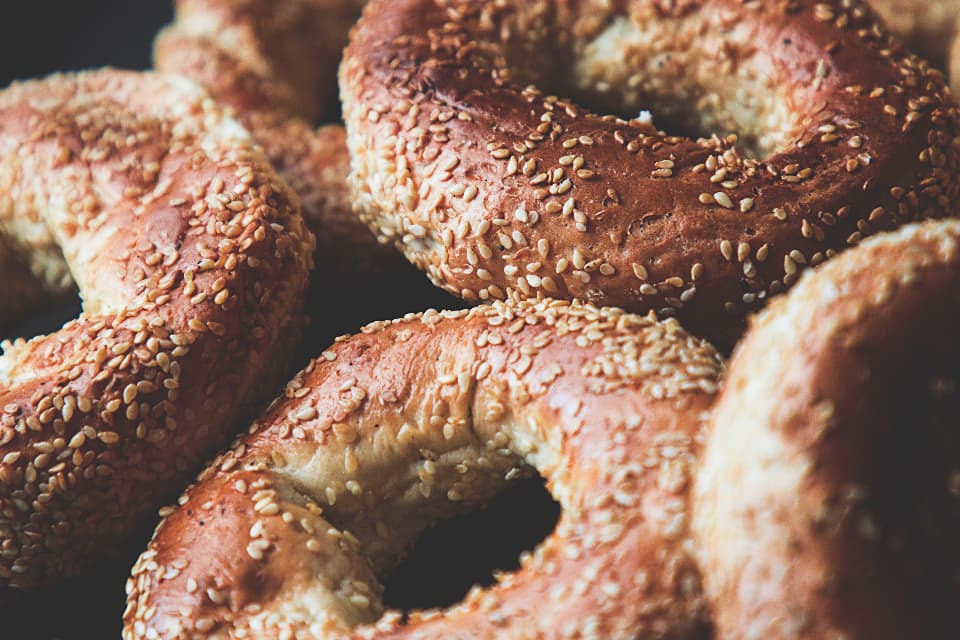
A basic homemade bagel recipe using high-protein flour, malt or brown sugar, a short boil, and a hot bake for chewy New York-style results.
America's Melting Pot
Bagels with Schmear photo coming soon
1861-1900
A deli-style bagel with a thick schmear of plain or scallion cream cheese, with optional onion, capers, tomato, and cucumber.
Same region
America's Melting Pot
Acorn Bread photo coming soon
1800-1860
A nutty, lightly sweet quick bread made with properly leached acorn flour, cornmeal, and wheat flour.
1800s-present
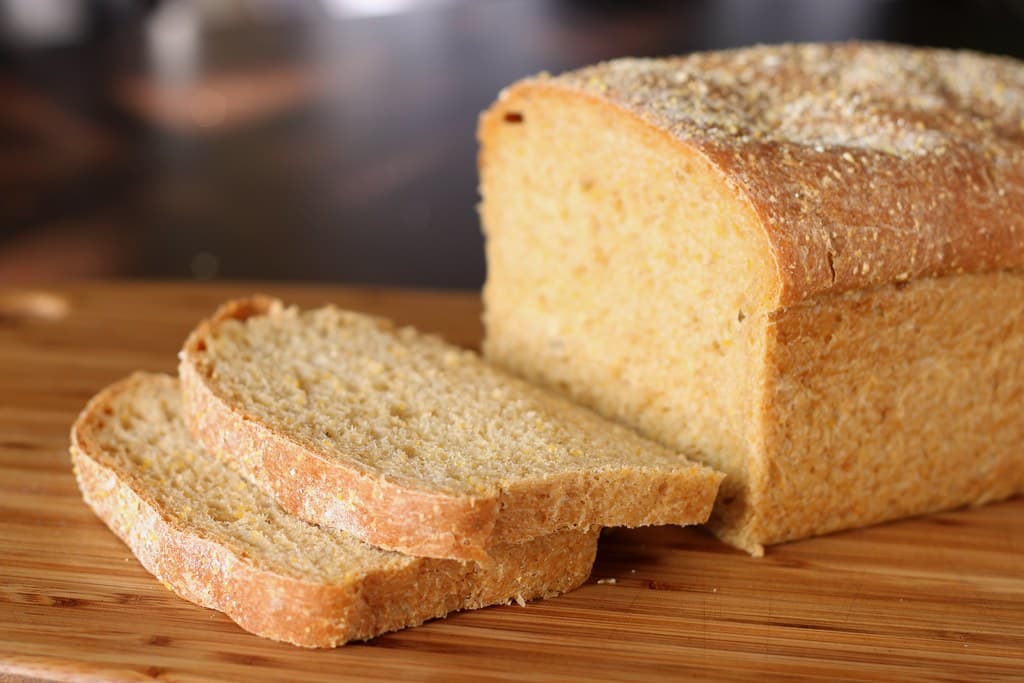
A lightly sweet New England loaf made with cornmeal, molasses, wheat flour, and yeast.
1900s-present
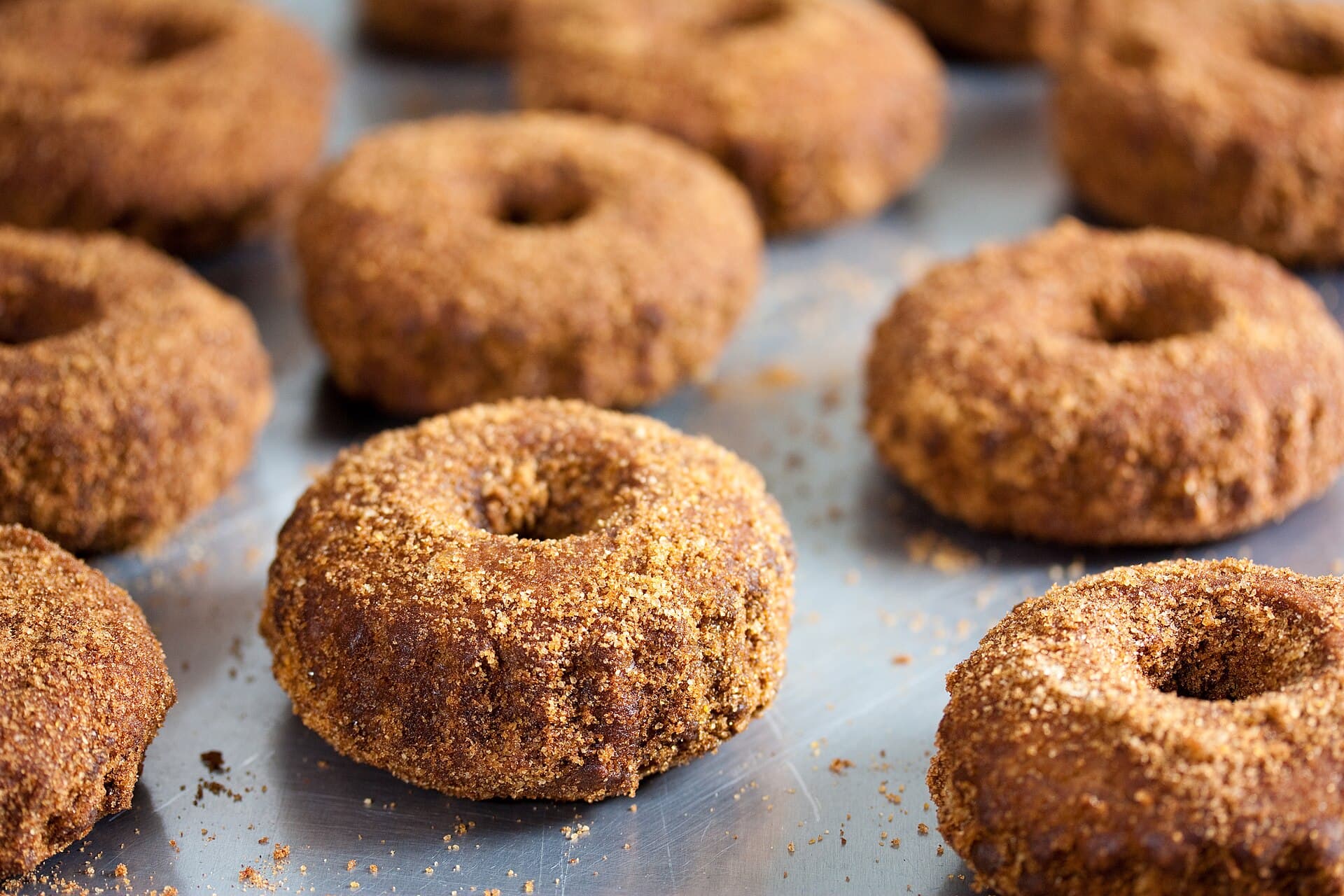
Cake doughnuts flavored with reduced apple cider and rolled in cinnamon sugar.
Same table
America's Melting Pot
Cajun Seafood Boil Bags photo coming soon
2000-2026
Cajun seafood boil bags grew from Gulf Coast seafood boils and the Viet-Cajun restaurant boom in Louisiana, Texas, and Houston. The modern bag format lets diners shake boiled seafood with a rich garlic-butter sauce and spice level chosen at the table.
America's Melting Pot
Frogmore Stew photo coming soon
1970-1989
Frogmore Stew is a one-pot Southern boil including shrimp, sausage, corn, and potatoes simmered with spices. Popular since the 1970s as a casual regional meal for gatherings and tailgates.
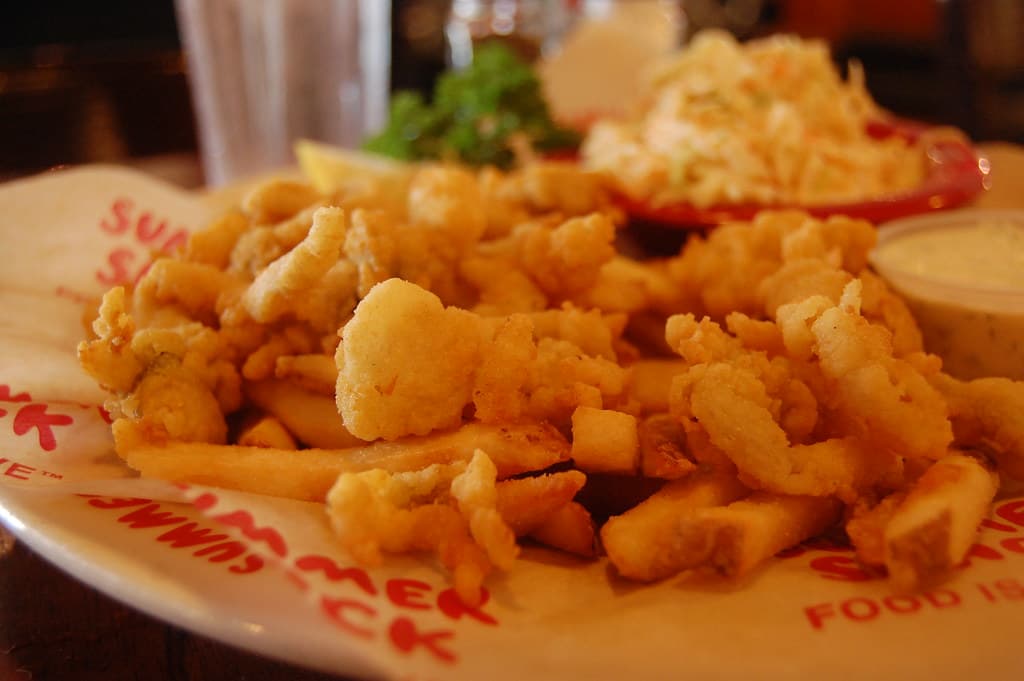
1916-present
Fried clams are coated fresh clams, breaded and deep fried into a crunchy, flavorful seafood snack or main. A New England classic often served with tartar sauce, this dish has roots in coastal seafood traditions.