
Recipe archive
Loading
Setting the table...
Fetching the latest recipes from the archive.
Loading
Fetching the latest recipes from the archive.
Recipe archive
America's Melting Pot
California Roll hero image coming soon
1960s-present - Japanese North American sushi chefs including Los Angeles and Vancouver innovators
The California roll helped make sushi approachable for many American diners by putting rice on the outside and using familiar cooked crab, avocado, and cucumber. Its origin is contested between Los Angeles and Vancouver claims, but its influence on American sushi is clear.
No featured photo yet. Upload a photo with your review. The highest-rated community photo may become this recipe's hero image.
Difficulty
Moderate
Prep time
35 minutes
Cook time
20 minutes
Total time
55 minutes
Servings
4 rolls
Region
West Coast sushi bars in the United States and Canada
Era introduced
1960s-present
Introduced by
Japanese North American sushi chefs including Los Angeles and Vancouver innovators
Recipe tools
Log in to save this recipe to a collection.
The California roll is a careful adaptation. Seaweed moved inside the roll, rice moved outside, raw fish gave way to cooked crab or surimi, and avocado supplied richness familiar to West Coast diners. Claims around Ichiro Mashita in Los Angeles and Hidekazu Tojo in Vancouver differ, so this archive entry credits the broader Japanese North American sushi community while naming the contested history in notes.
Share family changes, regional twists, or pantry-friendly adaptations as full community recipes.
Log in to submit a community recipe.
No community recipes yet. Submitted recipes are published right away.
Rate this recipe and share how it worked at your table.
Log in to review this recipe.
No reviews yet. Be the first to rate this recipe.
Recipes matched by era, region, occasion, ingredients, and cultural roots from the archive.
Same era
1960-2026
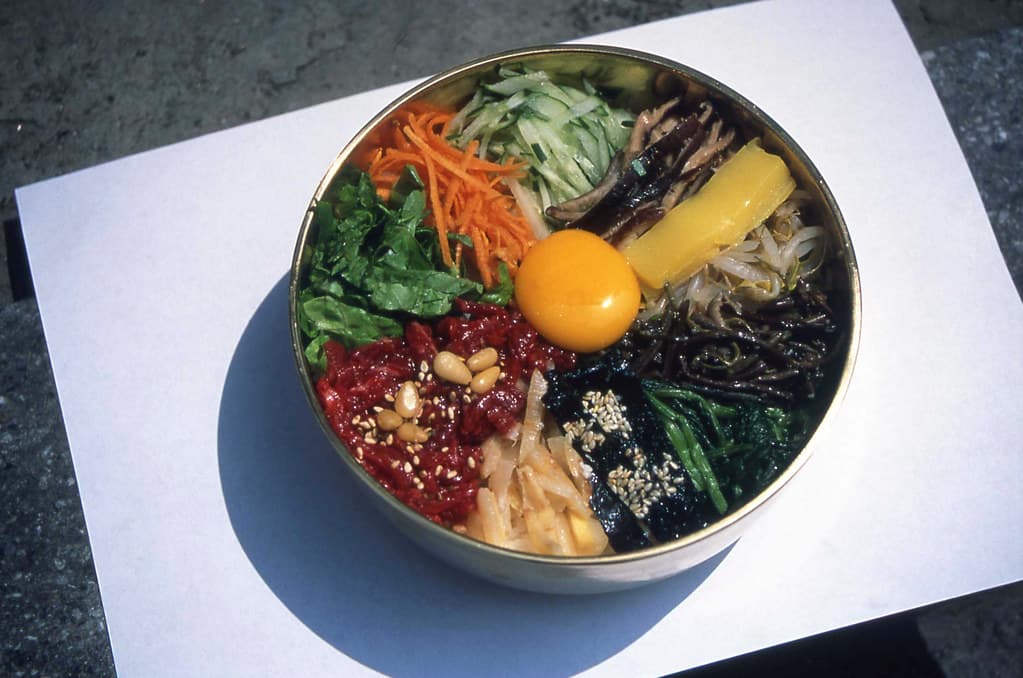
Bibimbap is a Korean classic with several origin stories, from palace meals to farmers mixing available vegetables. In the United States it became a Korean American restaurant and home-cooking staple because the format is flexible, colorful, and practical.
1960-2026
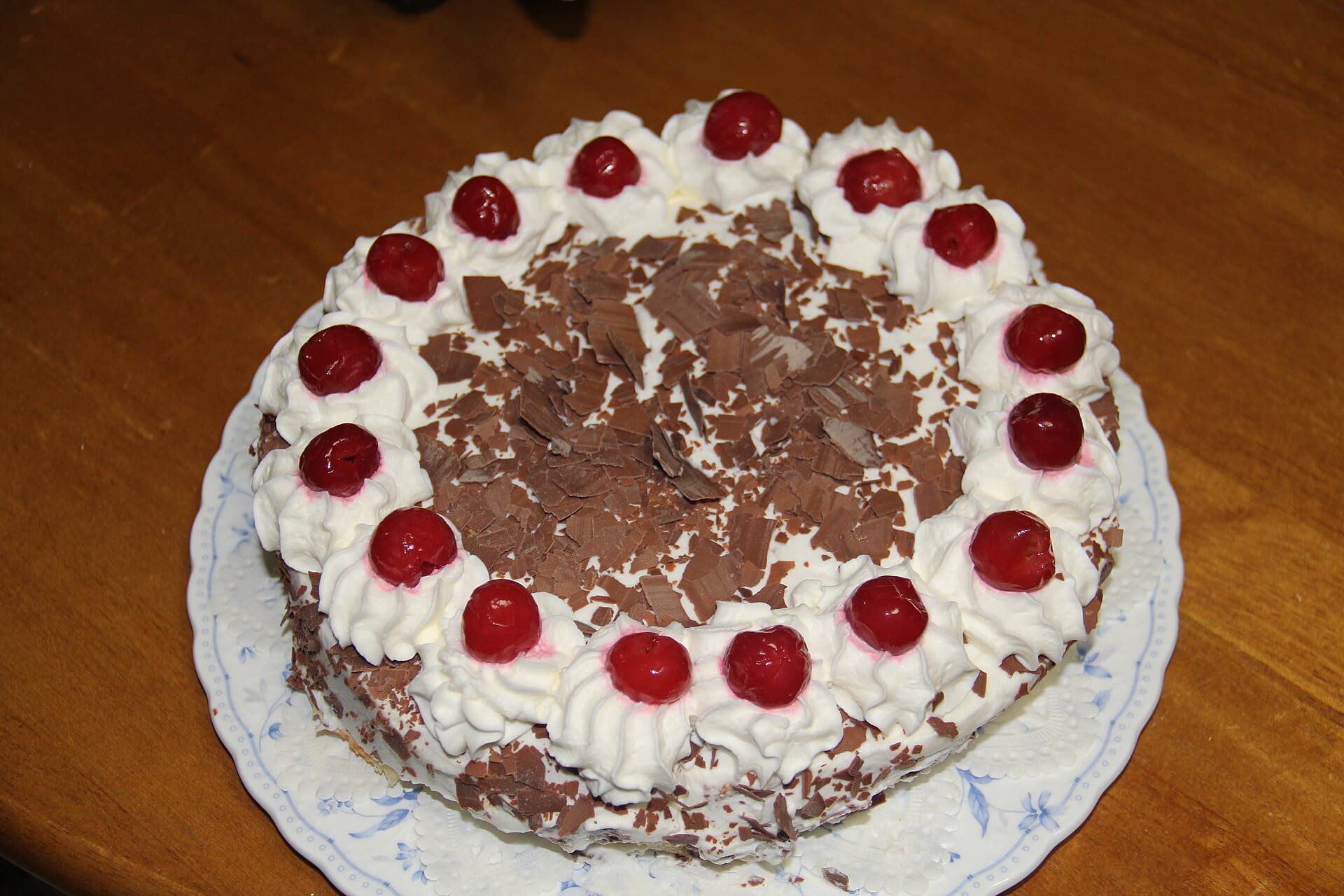
Black Forest cake, or Schwarzwalder Kirschtorte, came from German pastry traditions and became popular in the United States in the mid-20th century. American versions often soften the kirsch element but keep chocolate, cherries, and whipped cream.
1964-2026
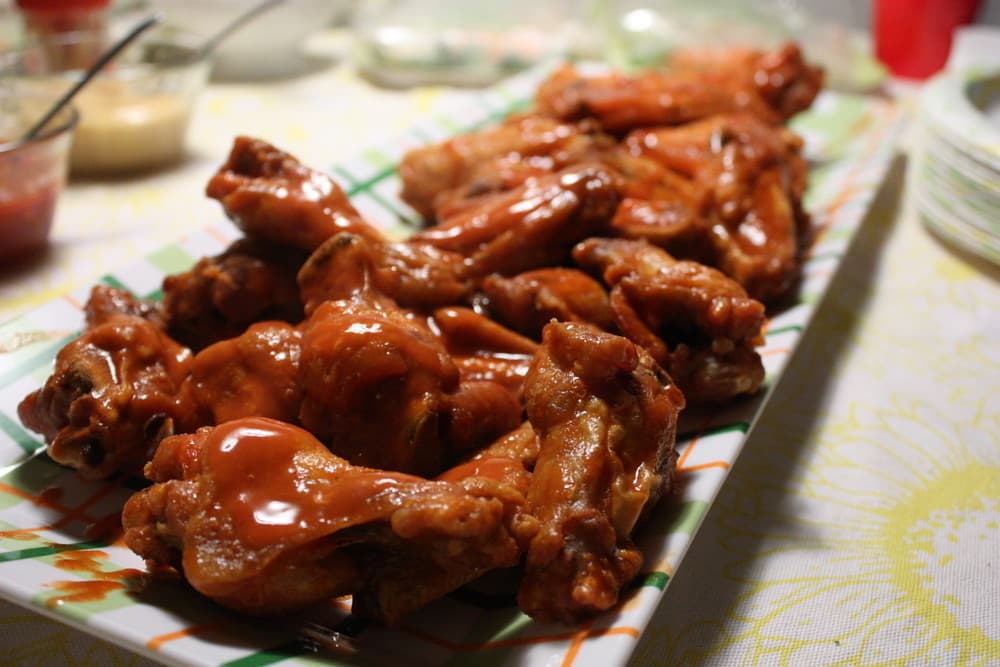
Buffalo wings became a national American bar-food icon after their rise in Buffalo, New York, especially through Anchor Bar lore around Teressa Bellissimo in 1964. Other Buffalo cooks also shaped local wing culture, but the hot-sauce-and-butter wing became the template.
Same region
America's Melting Pot
Acai Bowl Smoothie Base photo coming soon
1970s-present
Acai Bowl Smoothie Base brings juice-bar color and American smoothie-counter energy to the glass: California/Hawaii/fitness culture.
1937-2026
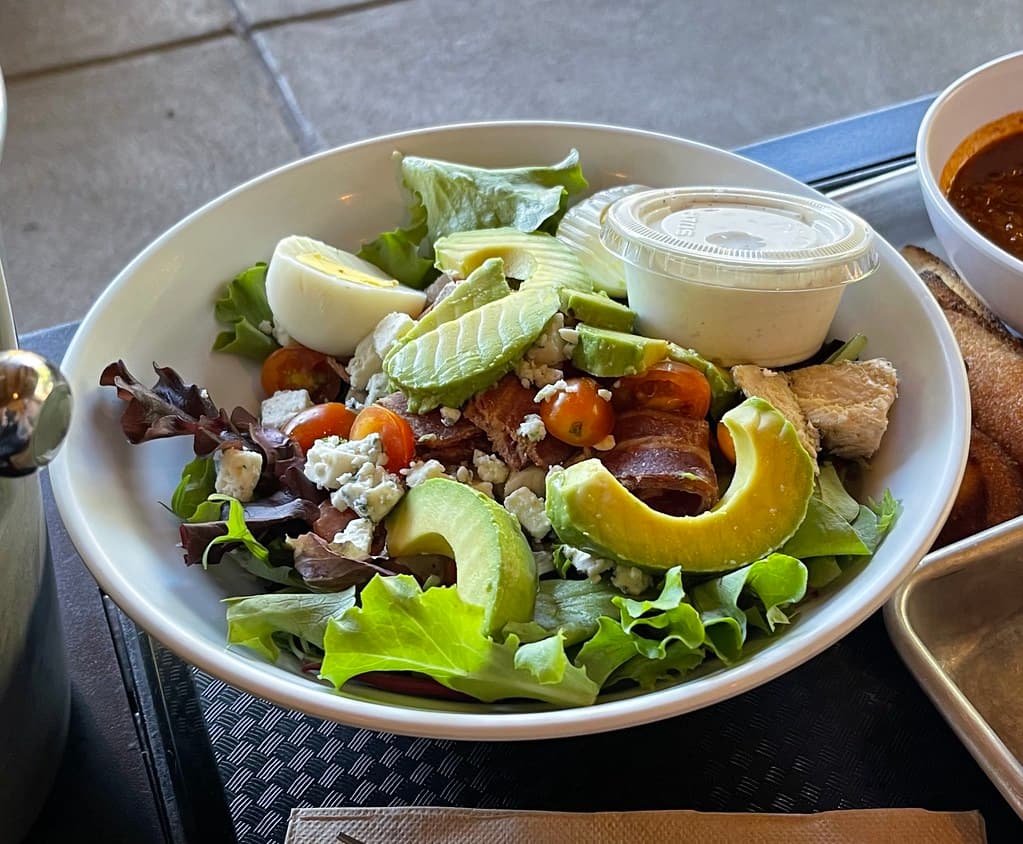
The Cobb salad is closely tied to the Brown Derby restaurant in Hollywood and Bob Cobb in the 1930s. Its rows of chopped ingredients made it a California restaurant icon: hearty enough for a meal, bright with avocado and tomato, and theatrical enough for Hollywood.
America's Melting Pot
California Date Shake photo coming soon
1900s-present
California Date Shake salutes regional fruit country and the American dairy-stand tradition: Coachella Valley/Palm Springs.
Same table
America's Melting Pot
Cajun Blackened Fish photo coming soon
1980-2026
Blackened fish became a national sensation through New Orleans chef Paul Prudhomme, whose blackened redfish helped bring Cajun cooking to American restaurant culture in the 1980s. The method is intense: butter, spices, high heat, and a smoky cast-iron crust.
America's Melting Pot
California Pizza photo coming soon
1980-2026
California pizza emerged around 1980 as chefs in Berkeley, San Francisco, and Los Angeles put California cuisine toppings onto thin-crust pizza. Alice Waters at Chez Panisse, Ed LaDou, Wolfgang Puck at Spago, and later California Pizza Kitchen helped spread the style.
1937-2026
The Cobb salad is closely tied to the Brown Derby restaurant in Hollywood and Bob Cobb in the 1930s. Its rows of chopped ingredients made it a California restaurant icon: hearty enough for a meal, bright with avocado and tomato, and theatrical enough for Hollywood.